Skip to content
What Is Zinc Die Casting?
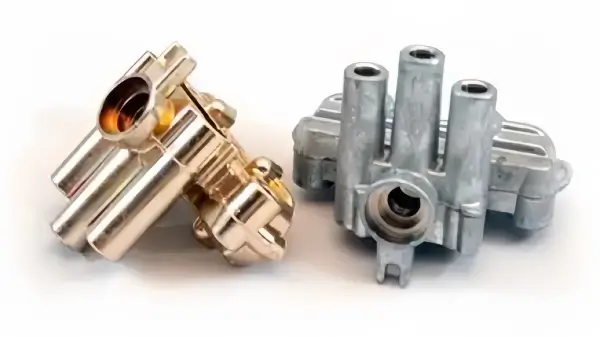
Zinc die casting is a high-precision manufacturing process in which molten zinc alloy is injected into a steel mold under high pressure. Because zinc has a relatively low melting point (around 420°C), excellent flowability, and great dimensional stability, it is ideal for producing complex, detailed, and durable metal components. In modern manufacturing, zinc die casting is widely used in consumer electronics, appliances, industrial machinery, and especially the zinc automotive sector.
Common zinc alloys used for die casting include the well-known Zamak series (Zamak 2, 3, 5, 7). These alloys with zinc are engineered to deliver reliable performance:
- Zamak 3 is the most commonly used zinc alloy due to its excellent balance of strength, ductility, and castability.
- Zamak 5 contains slightly more copper, making it stronger and harder, ideal for higher-stress components.
- Zamak 2 is used when extra hardness and wear resistance are needed.
Whether used in electronics housings or die-casting automotive parts, these zinc die cast materials offer superior accuracy and repeatable results.
The Zinc Die Casting Process
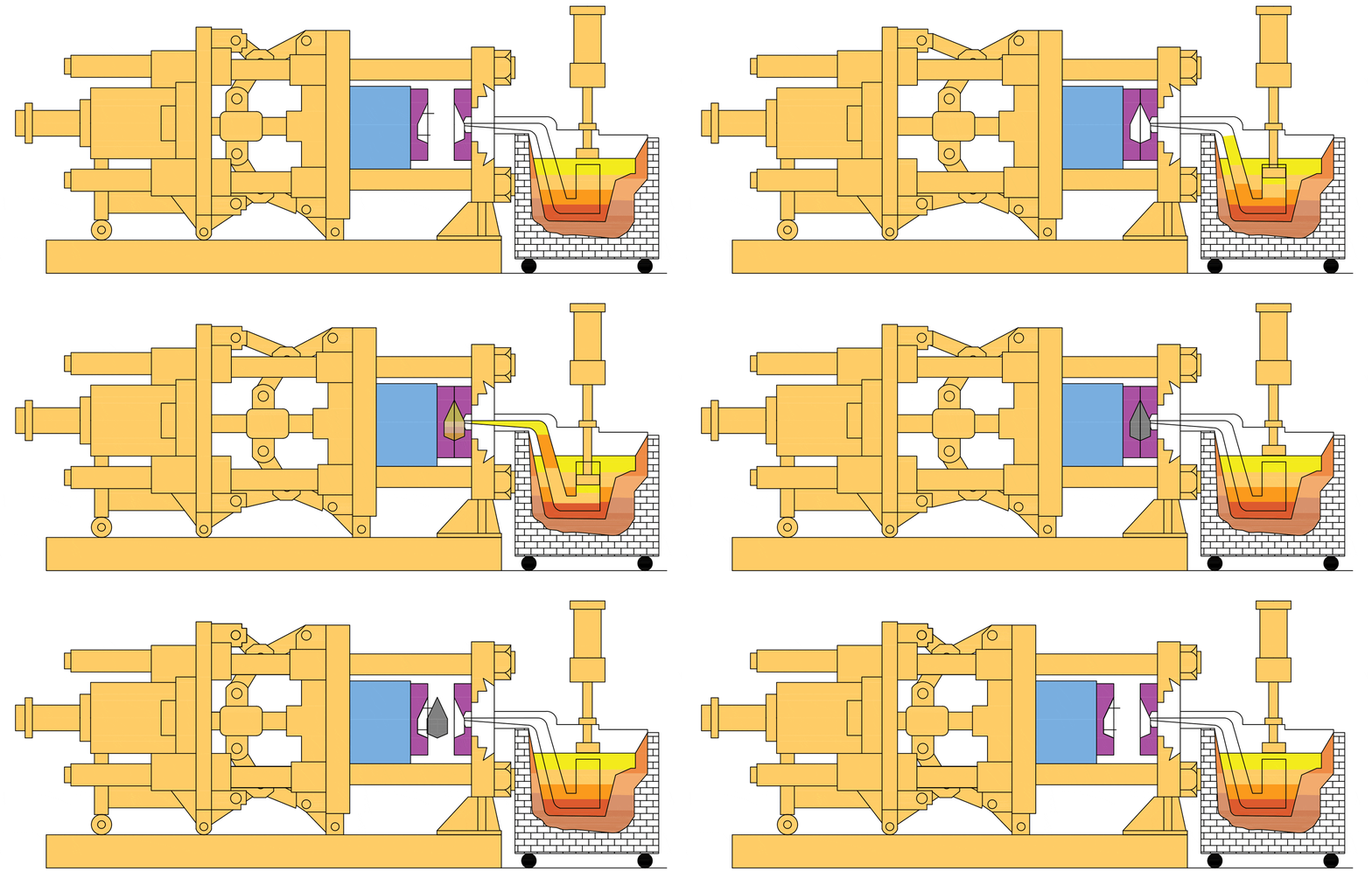
Zinc die casting involves several key stages that ensure consistent quality and efficiency:
1. Melting and Temperature Control
Zinc alloy ingots are melted in a furnace and maintained at stable temperatures to ensure proper fluidity. Since zinc melts at a lower temperature than aluminum or magnesium, it is both energy-efficient and cost-effective.
2. Injection Into the Mold
The molten metal is injected into a hardened steel mold at high pressure—typically 1,500 to 25,000 psi. This ensures the zinc fills even the smallest and most detailed features. The result is remarkably precise zinc casting components suitable for applications requiring tight tolerances.
3. Cooling and Solidification
The metal cools rapidly inside the mold—an advantage of zinc’s physical properties. Fast cooling increases productivity and reduces cycle times, sometimes making die cast zinc more economical than machined or stamped parts.
4. Ejection and Trimming
After solidifying, the newly formed part is ejected from the mold. Any excess material, such as gates or flash, is trimmed off.
5. Secondary Operations
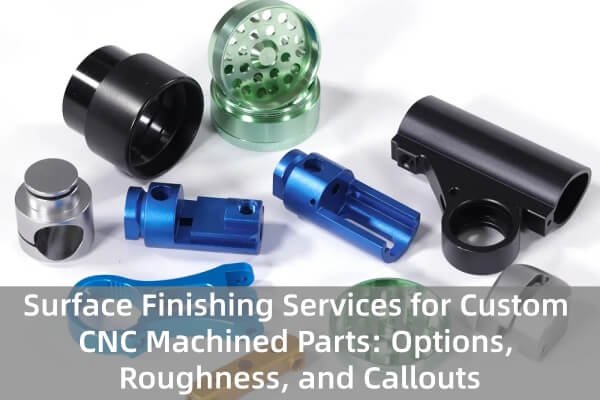
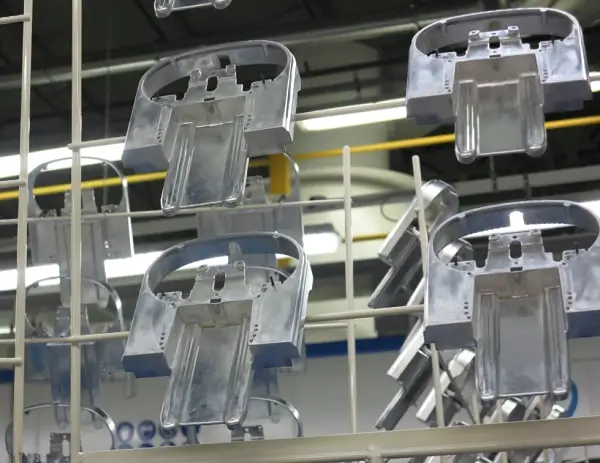
Depending on design requirements, zinc die cast parts may undergo drilling, tapping, CNC machining, polishing, plating, powder coating, or anodizing to enhance appearance or performance.
Surface Finishing for Zinc Die Castings
A major advantage of zinc die casting is its exceptional ability to accept a wide variety of surface finishes.
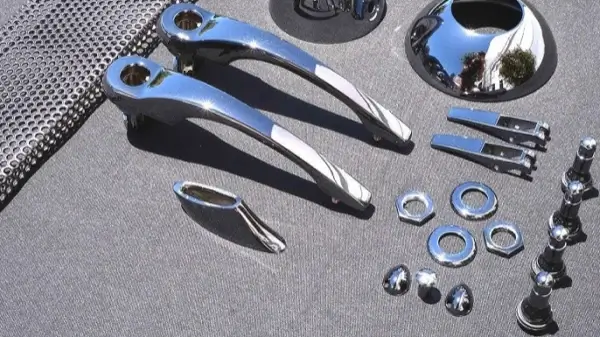
- Plating: Zinc die cast parts are the industry standard for electroplating, accepting chrome, nickel, gold, and other finishes for a brilliant, durable, and corrosion-resistant surface.
- Painting: Both powder and liquid paints adhere well, allowing for any color and texture.
- Other Finishes: Additional options include electrophoretic coating (E-coat) for superior corrosion resistance and mechanical finishes like polishing or brushing.
The Link Between Zinc Die Casting and CNC Machining
Zinc die casting and CNC machining are complementary technologies, not competitors.
- Casting as the Foundation: Zinc die casting efficiently produces a near-net-shape part.
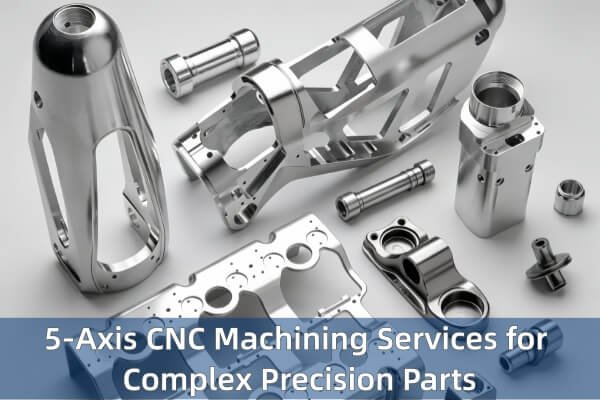
- CNC for Precision: CNC machining is then used to achieve ultra-tight tolerances, create precise threaded holes, or machine critical features that are impossible to cast. This “cast-then-machine” approach combines efficiency with high precision.
1. CNC for Mold Tooling
Every die casting mold begins with precise CNC milling and EDM machining. High-tolerance steel molds ensure accuracy and long service life.
2. CNC for Secondary Operations
Some die cast parts require additional features such as threads, deep bores, or tight-tolerance surfaces. CNC machining offers the precision needed to refine a part after casting.
3. Rapid Prototyping vs. Mass Production
CNC machining is ideal for prototyping zinc alloy designs before investing in mold fabrication. Once the design is finalized, zinc die casting becomes more cost-effective for bulk production.
Together, CNC machining and zinc die casting allow manufacturers to combine speed, precision, and scalability.
Applications of Zinc Die Casting in the Automotive Industry
Zinc is widely used in the automotive industry due to its strength, wear resistance, dimensional stability, and superior surface finish. Common zinc automotive components include:
- Interior handles, shift knobs, and decorative trims
- Fuel system parts
- Engine and transmission connectors
- Safety restraint system components
- Electrical housings and brackets
- HVAC system gears and controls
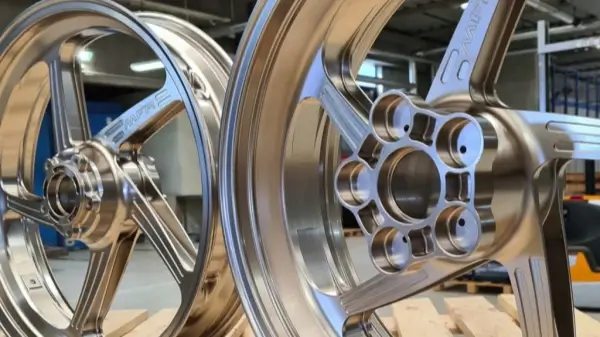
Because zinc cast parts are strong yet compact, they are often used in mechanisms requiring durability and repeated movement—making zinc ideal for many die casting automotive parts. Zinc’s excellent corrosion resistance also ensures long service life even under harsh environmental conditions.
Why Choose Zinc Alloy Die Casting?
Zinc die casting offers a powerful balance of performance, cost, and efficiency.
Zinc Die Casting vs. Aluminum Die Casting
- Strength: Zinc alloy typically offers higher tensile strength and impact resistance than aluminum.
- Castability: Zinc casting allows for thinner walls and more intricate details due to better fluidity.
- Finishing: Die cast zinc is superior for plating and other finishes.
- Weight: Aluminum is lighter, making it preferable for extreme weight-saving applications.
| Property | Zinc Die Casting | Aluminum Die Casting |
|---|---|---|
| Density | 6.6 g/cm³ | 2.7 g/cm³ |
| Melting Point | ~420°C | ~660°C |
| Precision | Excellent | Good |
| Complex Geometry | Superior | Moderate |
| Electroplating | Excellent | Challenging |
| Thin-Wall Capability | Up to 0.3 mm | 1–2 mm |
| Cost | Lower | Higher |
| Strength | High | Medium–High |
| Weight | Heavier | Lightweight |
| Applications | Precision decorative parts | Structural and thermal parts |
Summary:
- Choose zinc for precision and appearance
- Choose aluminum for lightweight structural parts
Zinc Die Casting vs. Steel
- Cost & Speed: Zinc die casting is far more efficient for high-volume production of complex parts than stamping or machining steel.
- Complexity: It allows for integrated designs that reduce assembly time.
- Corrosion Resistance: Zinc die cast parts have inherent corrosion resistance, unlike bare steel.
- Strength: High-strength steel can outperform zinc in load-bearing applications.
| Property | Zinc Die Casting | Steel |
|---|---|---|
| Weight | Light | Heavy |
| Forming Method | Near-net-shape casting | Machining, forging, stamping |
| Cost | Low | High |
| Surface Treatment | Highly versatile | Requires more preparation |
| Suitable Uses | Precision small parts | High-load structural components |
Zinc cannot replace steel for structural heavy-duty parts, but it excels in precision, small-size mechanical and decorative components.
Advantages of Zinc Die Cast Materials
Zinc offers a unique balance of mechanical properties, manufacturability, and aesthetics. Key advantages include:
- Outstanding dimensional stability
- High impact strength
- Excellent corrosion resistance
- Longer mold life than aluminum die casting
- Suitable for very thin walls
- Ideal for small, precise components
- Compatible with many surface finishes
- 100% recyclable
These benefits make zinc alloys the material of choice for many medium-to-high-volume consumer and industrial components.
Conclusion
Zinc die casting remains one of the most efficient and reliable manufacturing methods for producing precise, durable, and high-quality metal components across industries. Its combination of fast production, excellent dimensional accuracy, premium surface finishes, and compatibility with CNC machining makes it a cost-effective solution for both simple and complex parts.
Ready to Start Your Project?
If you’re exploring zinc die cast material options, comparing alloys, or need support with part design, tooling, or production, feel free to reach out to us anytime—our engineering team is ready to provide a custom quote and help you move your project forward.