 Skip to content
Custom Online Sheet Metal
Fabrication Service
HRCCNC delivers ISO 9001:2015 certified custom sheet metal fabrication with tight tolerances for both prototypes and large-scale production. By submitting your CAD files through our fast online quoting system, you receive expert feedback and high-quality, reliable components shipped worldwide. Whether you need rapid prototyping or precision manufacturing, our streamlined process ensures your parts meet strict industry standards and arrive on schedule.
- Precise Tolerance Control: Achieve ±0.025 mm (±0.001") accuracy with CNC, laser, and waterjet processes.
- Fast Prototype Delivery: Optimized CAM workflows enable quick prototypes and small-batch production in steel, aluminum, copper, brass, and titanium.
- Versatile Process Capabilities: Bending, stamping, welding, and finishing allow complex geometries in a single workflow.
- Scalable Manufacturing: Supports low- and high-volume orders with consistent quality and precision.
- Global Shipping Solutions: Worldwide shipping with inspection reports ensures safe and on-time delivery of your parts.
Our Certifications
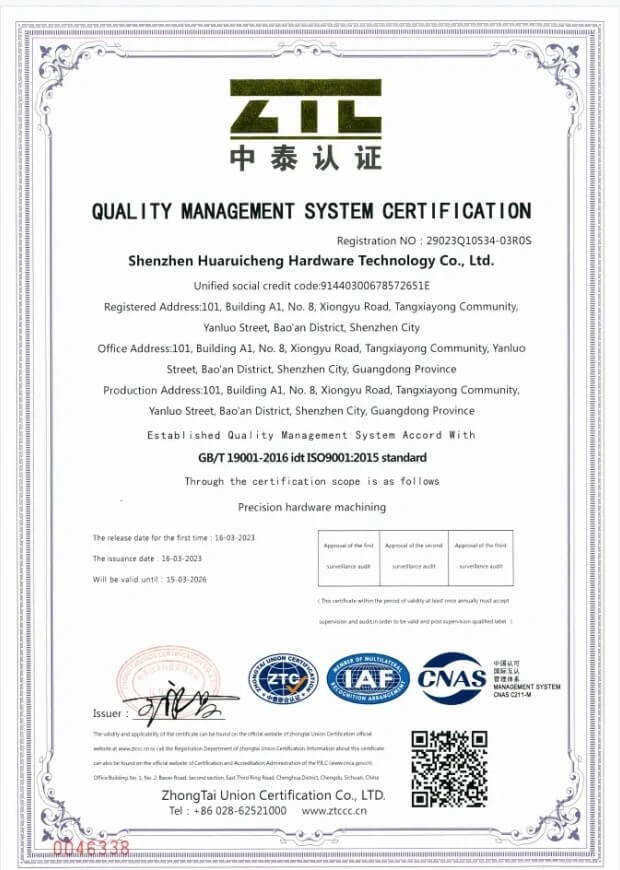
ISO 9001:2015
This certification demonstrates that our company follows internationally recognized quality management standards. It ensures consistent product quality, process optimization, and a strong focus on customer satisfaction.
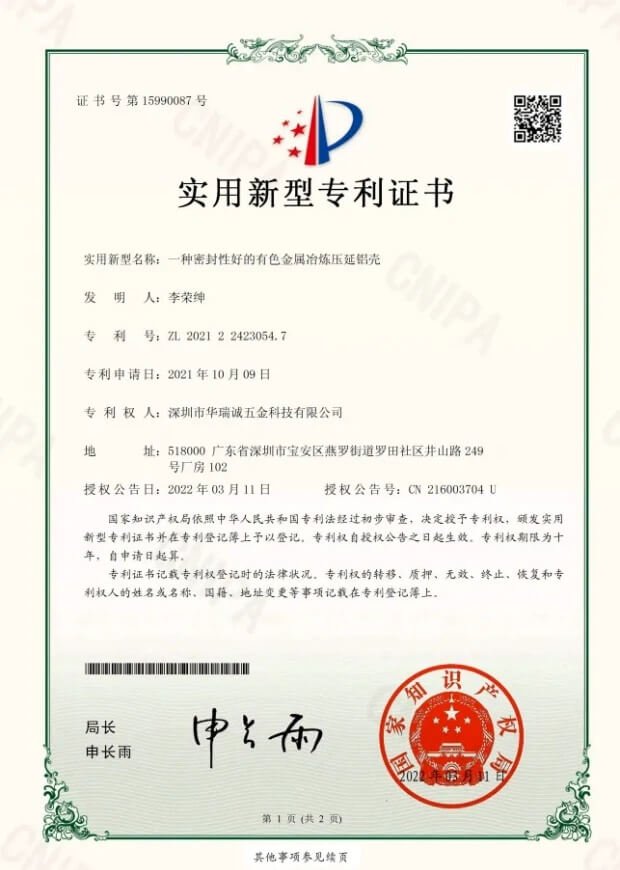
Patent Certificates
Our patents represent innovation and originality in manufacturing processes and product development. They highlight our ability to deliver unique solutions and maintain a competitive edge in the industry.
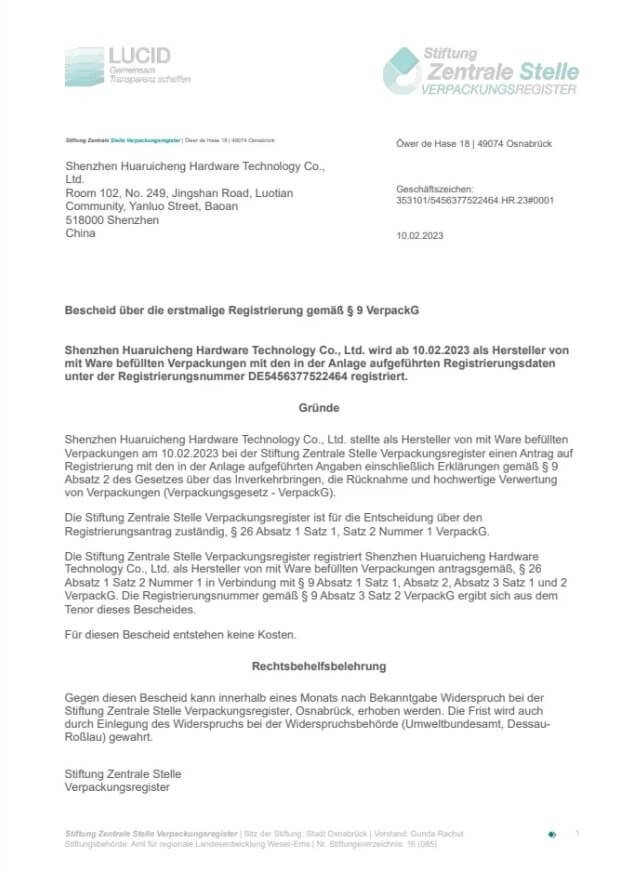
EPR-Certificate
As a compliant producer of goods-containing packaging, we can ensure our product packaging fully meets the regulatory requirements for the German market, this is our EPR-Certificate. Please contact us right now.
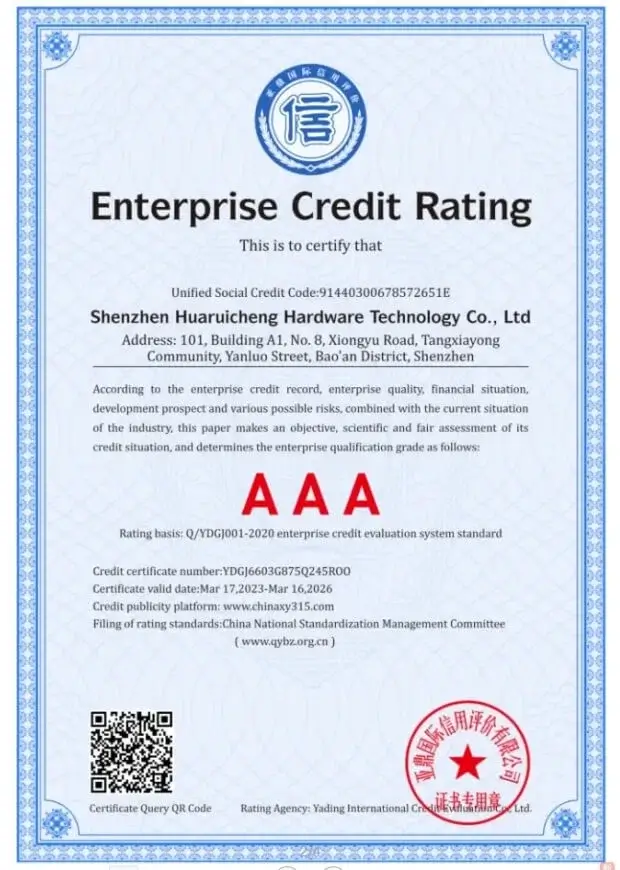
Enterprise Credit Rating Certificate
This certificate reflects our financial stability, business credibility, and trustworthy reputation in the industry. It reassures clients and partners that we are a reliable and long-term business partner.

Software Copyright Certificates
These certificates confirm ownership and protection of our self-developed software systems. They validate our technical expertise and guarantee the originality, security, and reliability of the digital tools we use in manufacturing.
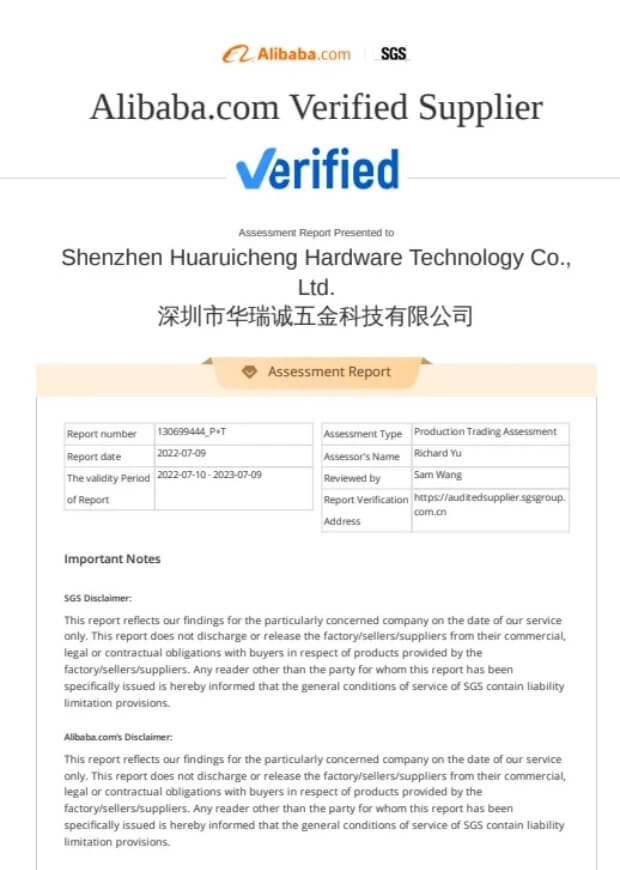
SGS and HRCCNC company certificate
This certificate verifies our company as an Alibaba.com SGS Verified Supplier, ensuring compliance and reliability for our cooperation, SGS and HRCCNC company certificate, please contact us right now.
What is Sheet Metal Fabrication?
Sheet metal is a core material in custom sheet metal fabrication, consisting of thin, flat metal sheets that can be cut, bent, formed, and assembled into functional components. It is widely used in automotive, aerospace, electronics, and industrial applications, providing lightweight yet durable structures at competitive costs. With precision sheet metal fabrication, manufacturers can achieve tight tolerances, consistent quality, and superior product performance.
Common types of sheet metal include steel, aluminum, copper, brass, and titanium alloys. Steel provides the strength and durability required for construction and machinery. Aluminum offers a lightweight, corrosion-resistant solution ideal for transportation and aerospace applications. Copper sheets deliver excellent electrical and thermal conductivity, while brass combines corrosion resistance with an attractive finish for plumbing, decorative, and musical applications. Titanium alloy sheets provide a high strength-to-weight ratio and biocompatibility, making them suitable for medical and aerospace uses.
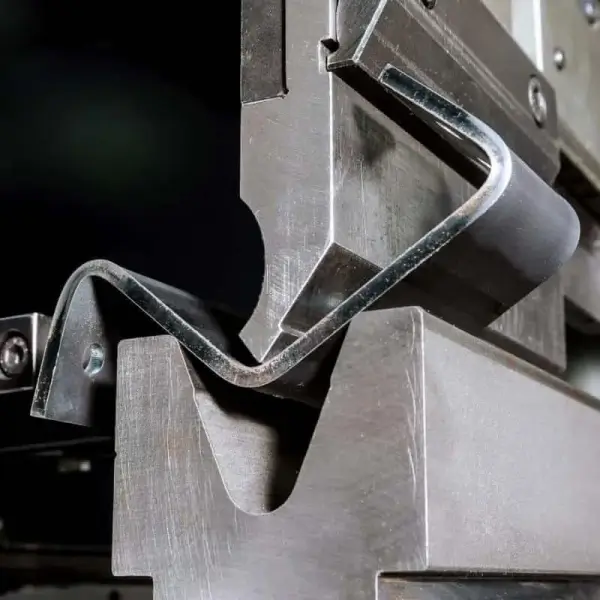
Our Sheet Metal Material Options
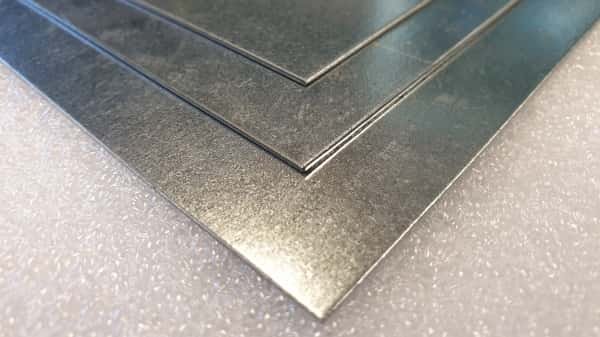
Steel Sheets
Steel Sheets are widely used flat metals known for their strength, durability, and cost-effectiveness. It includes variants such as stainless steel, carbon steel, and galvanized steel, each suited for specific applications. For example, 18-gauge steel is commonly used in construction and industrial fabrication due to its balanced thickness and formability. Steel supports structures, machinery, and appliances, though it often requires protective coatings, such as zinc galvanization, to improve corrosion resistance.
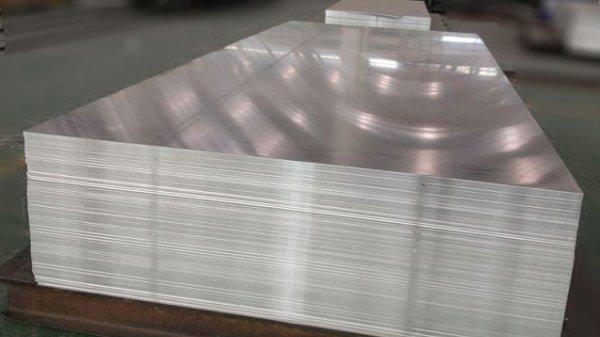
Aluminum Sheets
Aluminum sheets are valued for its lightweight structure, corrosion resistance, and versatility. Commonly used in aerospace, automotive, and electronics, it supports applications where weight reduction is critical. Aluminum can be easily formed, machined, and finished using processes such as anodizing or powder coating, improving both performance and surface quality. Its recyclability also supports sustainable manufacturing practices.
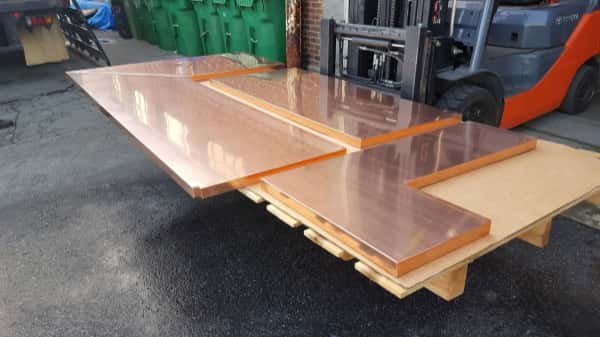
Copper Sheets
Copper sheet metal offers high electrical and thermal conductivity, making it suitable for wiring, busbars, heat exchangers, and roofing systems. In addition to industrial use, copper provides a distinct visual finish for architectural and decorative applications. Although heavier and more expensive than aluminum, copper delivers long-term durability and stable performance.
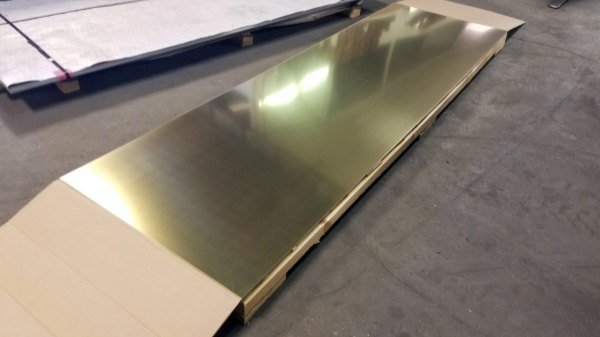
Brass Sheets
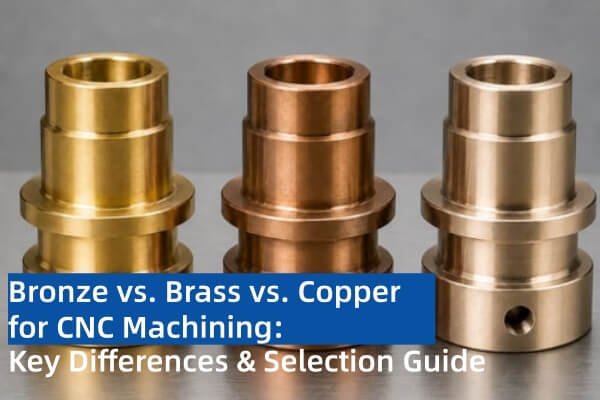
Brass sheet metal, an alloy of copper and zinc, provides corrosion resistance and strong workability. It is widely used in musical instruments, fittings, plumbing components, and decorative applications due to its golden appearance. Brass performs reliably in marine and plumbing environments, where resistance to moisture and salt exposure is required.
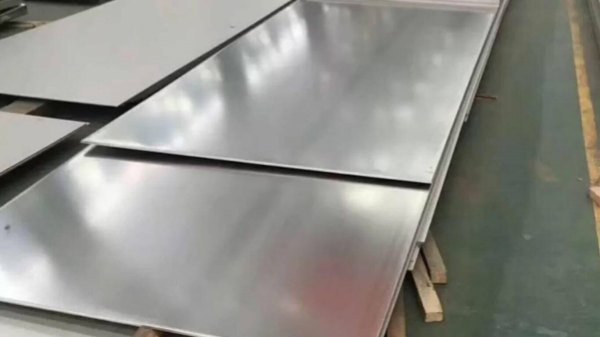
Titanium Alloy Sheets
Titanium alloy sheets provide an exceptional strength-to-weight ratio and resistance to extreme temperatures and corrosion. These properties make them suitable for aerospace components, medical implants, and marine engineering. While titanium is more expensive and difficult to machine than aluminum or steel, it delivers high performance in critical applications where reliability is required.
Metal-Matrix Composites (MMCs) Sheets
Metal-Matrix Composite (MMC) sheets are valued for their high stiffness, wear resistance, and thermal stability. Commonly used in aerospace, defense, and automotive sectors, they support applications where strength-to-weight ratios are critical. MMCs can be engineered with ceramic or fiber reinforcements to withstand extreme conditions, improving both mechanical and thermal performance.
Our Core Sheet Metal Fabrication Processes
Pre-Design & Blanking
The fabrication process begins with pre-design and blanking, where our engineers define part functionality and optimize the design for manufacturability. Blanking cuts raw metal into a flat shape, known as a blank, for further processing. Precision at this stage ensures downstream accuracy and prevents defects in later operations.
CAD/CAM Design
Our engineers use CAD to create accurate digital models and CAM to generate machine instructions, enabling efficient machining with minimal errors and material waste. This step ensures design consistency and production readiness.
Laser Cutting
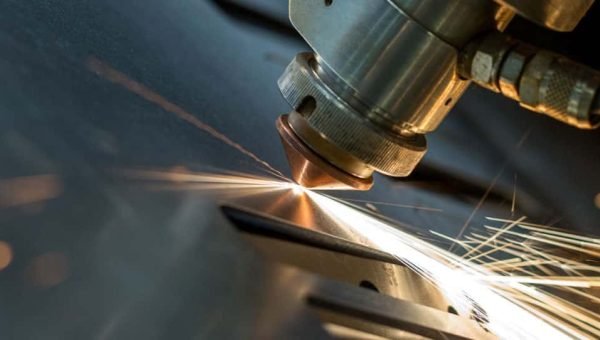
At HRCCNC, laser cutting uses a focused beam to melt or vaporize sheet metal, while an assist gas removes molten residue, ensuring clean separation. This process produces high-precision cuts with smooth edges, making it suitable for detailed geometries and custom sheet metal parts with tight tolerances.
CNC Punching
Our CNC punching process creates holes, slots, and complex shapes at high speed and with high repeatability, using automated tooling systems. It supports cost-effective, high-volume sheet metal fabrication, ensuring consistent part quality and reduced cycle time.
WaterJet Cutting
Engineers apply waterjet cutting, with high-pressure water mixed with abrasives, to process sheet metal without generating heat. This method eliminates thermal distortion and preserves material properties, making it suitable for thick sections and heat-sensitive materials such as titanium alloys.
Forming Processes
Our forming process converts flat metal blanks into three-dimensional components using controlled mechanical or hydraulic force. Since no material is removed, the process ensures material efficiency and structural integrity, with method selection based on material type, geometry, and functional requirements.
Bending
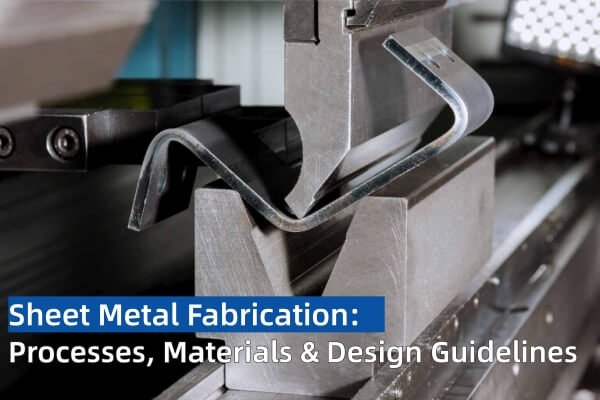
We perform CNC-controlled bending using press brakes to form sheet metal at precise angles, such as 90 degrees. This process ensures repeatable accuracy and dimensional consistency, making it suitable for enclosures, brackets, frames, and structural components across steel, aluminum, and copper.
Stamping
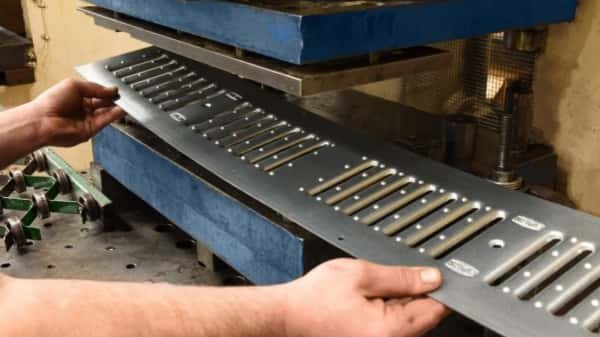
Our stamping process uses precision dies to shape sheet metal in a single operation, enabling high-speed production. It is ideal for automotive panels, electronic components, and appliance parts, delivering consistent geometry and efficiency in large production volumes.

Rolling and Hemming
We use rolling to form sheet metal into curved and cylindrical shapes through controlled roller systems. Hemming folds the edges to increase strength, eliminate sharp edges, and improve surface finish. It is commonly applied to automotive and structural components.
Joining and Finishing
We integrate joining and finishing processes to assemble and refine sheet metal components into complete products. Joining methods such as welding, riveting, and bonding ensure structural integrity, while finishing treatments improve corrosion resistance, durability, and visual quality for end-use applications.
Welding
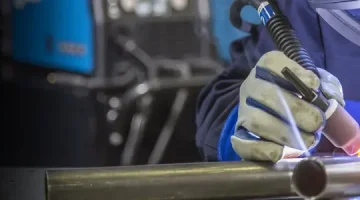
Our welding process fuses metal parts using controlled heat input to form strong, durable joints. Techniques such as MIG and TIG welding are applied based on material and design requirements, ensuring structural reliability in frames, chassis, and machinery components.
Riveting and Fastening
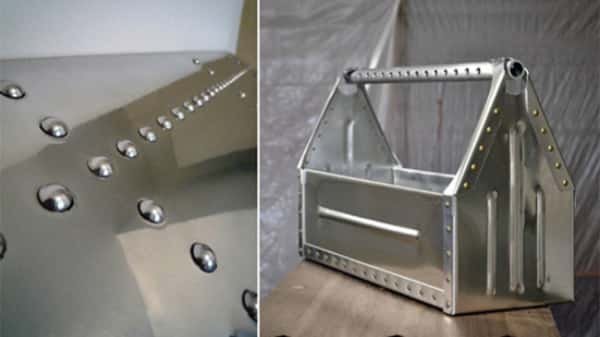
We use riveting for permanent joints with mechanically deformed pins, while fastening employs threaded components for removable connections. These methods provide flexibility in assembly, maintenance, and component replacement, depending on application needs.
Surface Treatment
We apply surface treatment to improve corrosion resistance, durability, and appearance of metal parts. Common methods include painting for basic protection, galvanizing for rust prevention, powder coating for wear resistance, and anodizing for enhanced hardness in aluminum.
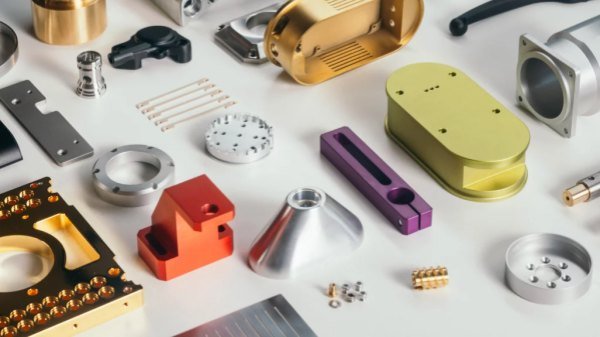
Looking for high-quality precision sheet metal fabrication?
Our team specializes in transforming sheet metal into durable, reliable components that meet the most demanding industry standards. Whether you need prototypes or large-scale production, we deliver custom solutions with speed, accuracy, and cost-efficiency.
Comparison Table of Sheet Metal Materials
| Material | Key Applications | Advantages | Limitations |
|---|---|---|---|
| Steel Sheets | Construction, appliances, machinery | Strong, durable, affordable, versatile | Can corrode if untreated, heavy |
| Aluminum Sheets | Aerospace, automotive, electronics | Lightweight, corrosion-resistant, recyclable | Softer than steel, prone to dents |
| Copper Sheets | Electrical wiring, heat exchangers, roofing | Excellent electrical/thermal conductivity, long lifespan, decorative | Higher cost, heavier than aluminum |
| Brass Sheets | Plumbing, decorative items, musical instruments | Attractive golden finish, corrosion resistance | Softer than steel, moderate cost |
| Titanium-Alloy Sheets | Aerospace, medical implants, marine engineering | High strength-to-weight ratio, biocompatible, heat resistant | Expensive, difficult to machine |
| Metal-Matrix Composites (MMCs) Sheets | Defense, aerospace, motorsports | Superior stiffness, wear resistance, thermal stability | Very expensive, limited fabrication methods |
What are the Key Advantages of Sheet Metal fabrication?
Sheet metal fabrication offers precision, strength, efficiency, and design flexibility, making it a preferred method for manufacturing across industries such as automotive, aerospace, electronics, and industrial equipment. By offering tight tolerances and design flexibility, it ensures consistent quality for both custom prototypes and high-volume production. The advantages of custom sheet metal extend beyond basic manufacturing, encompassing high accuracy, structural durability, cost efficiency, adaptable design capabilities, and sustainable material use.
High Precision & Accuracy
CNC-controlled processes and laser cutting ensure tight tolerances and repeatable dimensions in sheet metal fabrication, minimizing assembly errors and enhancing fit.
Durability and Strength
Materials such as steel, aluminum, and titanium alloys provide strong structural integrity, enabling components to withstand mechanical stress, temperature variation, and long-term use.
Cost-Effectiveness & Speed
Automated cutting, forming, and stamping reduce labor time and material waste, enabling faster production cycles and lower costs, for both prototypes and high-volume manufacturing.
Versatility in Design
Sheet metal fabrication allows engineers to cut, bend, and form metal into complex geometries, supporting custom designs and rapid modifications within a single workflow.
Sustainability
Efficient material utilization and the recyclability of metals such as aluminum and steel reduce waste and support environmentally responsible manufacturing practices.
Applications of Sheet Metal Fabrication
Sheet metal fabrication supports a wide range of industries by enabling the production of custom sheet metal parts with precision, durability, and scalability. The process enables manufacturers to produce functional components, structural parts, and enclosures that meet strict performance and design requirements across sectors.
Aerospace Components
Architecture
Electronics & Appliances
Industrial Equipment
Renewable Energy
What are the Challenges of Precision Processing of Sheet Metal
Challenges in precision sheet metal fabrication include material springback, heat-induced distortion, dimensional inaccuracies, surface defects, and forming failures. These issues arise from variations in material elasticity and processing conditions, potentially compromising the fit and structural integrity of steel, aluminum, or titanium components. By implementing controlled fabrication techniques and rigorous quality inspections, manufacturers can mitigate these risks to maintain high-precision standards and consistent part quality.
Material Elasticity (Springback)
Material springback causes sheet metal to partially return to its original shape after bending, leading to dimensional deviation and poor fit. It results from the elastic behavior of metals such as steel and aluminum, which is influenced by factors such as thickness, yield strength, and bending radius.
Springback is controlled through over-bending, material-specific compensation, and precise press brake calibration, supported by simulation tools and real-time adjustments to maintain consistent geometry.
Heat-Induced Distortion
Heat-induced distortion causes warping during thermal processes, affecting alignment and dimensional accuracy. It occurs due to uneven heating and cooling in operations such as laser cutting and welding, which create internal stress.
Manufacturers reduce distortion by applying controlled heat input, optimized process parameters, and proper fixturing, along with techniques such as sequential welding and cooling control.
Dimensional Inaccuracy
Dimensional inaccuracy leads to deviation from design specifications, resulting in fit and assembly issues. It is caused by tool wear, machine calibration errors, material variation, and unstable process parameters.
Address it through CNC-controlled systems, real-time monitoring, and precision inspection tools such as CMM, combined with regular calibration to ensure repeatable accuracy.
Surface and Edge Defects
Surface and edge defects, including burrs, scratches, and rough finishes, affect both functionality and appearance. These defects result from improper cutting parameters, worn tools, or inadequate handling during fabrication.
Manufacturers correct these issues through deburring, polishing, optimized cutting conditions, and controlled handling, ensuring smooth edges and consistent surface quality.
Forming Failures
Forming failures occur when sheet metal cracks, wrinkles, or deforms unevenly during bending or stamping, producing unusable parts. These failures result from incorrect force application, unsuitable materials, poor die design, or excessive strain, influenced by thickness, grain direction, and bend radius.
Prevention involves simulation tools, optimized die design, and controlled forming parameters, along with proper material selection and gradual force application to ensure stable deformation.
Why Choose HRCCNC for Sheet Metal Fabrication?
Choose HRCCNC for custom online sheet metal fabrication services to achieve tight tolerances up to ±0.025 mm, ISO 9001:2015-certified quality control, and fully integrated fabrication capabilities across cutting, forming, joining, and finishing. Our team handles complex sheet metal projects, including precision enclosures, structural components, thin-wall parts, and multi-process assemblies using materials such as steel, aluminum, copper, and titanium alloys. With advanced CNC systems, optimized fabrication workflows, in-process inspection, and engineering support, we ensure consistent dimensional accuracy, controlled lead times, and reliable global delivery for custom sheet metal parts.
Strict Quality Control and ISO 9001:2015 Certification
Competitive Pricing for Complex Custom Parts
One-Stop Integrated Manufacturing Services
Fast Quotes and Rapid Turnaround
Fully Custom CNC Parts Tailored to Your Design
Advanced CNC Machining Capability
What Our Sheet Metal Service Clients Say About Us?
Resource & Guides
Founded in 2008, HRCCNC is a trusted CNC machining and metal manufacturing company with 18 years of experience delivering precision-engineered custom parts to global customers. Our team of skilled engineers and technicians provides one-stop integrated services, including CNC machining, die casting, and sheet metal fabrication, supporting projects from product design to finished product delivery across North America, Europe, and Asia.
From a small CNC workshop to a global manufacturing partner, HRCCNC has expanded through continuous capability upgrades and international quality certification, including ISO 9001:2015. Our factory is ISO 9001:2015 certified and has been audited by SGS, ensuring strict quality control, traceability, and compliance with international manufacturing standards.
Company Introduction Video
FAQs About CNC Turning
What's another name for sheet metal?
Sheet metal is also known as metal sheet, flat metal, thin metal, metal plate, or rolled metal, depending on thickness and application. It is referred to as sheet metal stock when discussing raw material. Typically, sheet metal describes thinner materials, while thicker variants are classified as metal plates.
What gauge is 1/16 inch sheet metal?
A 1/16 inch (0.0625″) sheet metal corresponds to different gauge numbers based on the material. Approximately 16 gauge for steel, 14-16 gauge for aluminum, and around 16 gauge for galvanized steel. Gauge values can differ by material, so thickness in inches or millimeters is often preferred for precision.
What gauge sheet metal is used on cars?
Automotive sheet metal typically ranges from 18 to 24 gauge, depending on the component. Body panels such as doors, hoods, and fenders commonly use 20–22 gauge steel for a balance of strength and weight. Structural parts, such as chassis reinforcements, often use thicker gauges (16–18) for increased durability.
Can You Manufacture Sheet Metal Parts Based on a Sample Instead of Drawings
Yes, we can manufacture sheet metal parts based on a physical sample through a process known as reverse engineering. The sample is measured and analyzed to produce a digital CAD model. This method is particularly useful for reproducing legacy or damaged components accurately without formal drawings.
What Is the Minimum Order Quantity for Custom CNC Parts?
The minimum order quantity (MOQ) is usually flexible, with many manufacturers supporting single-piece prototyping and small-batch production. MOQ depends on factors such as material, complexity, and process type. For example, stamping requires higher volumes, while CNC machining and laser cutting support low-volume production efficiently.
Does the grain direction affect how metal is bent?
Yes, grain direction directly affects bending performance. Bending parallel to the grain increases the risk of cracking, while bending perpendicular to the grain allows more uniform deformation. Manufacturers consider grain orientation, bend radius, and material type to ensure optimal bend quality and structural integrity.
Is there a difference between sheet metal and plate?
Yes, the difference lies in thickness and application. Sheet metal is typically less than 6 mm (0.25 inches) thick and used for flexible, formable components. Metal plates are thicker and designed for high-strength structural applications such as construction and heavy machinery.
How can you increase the strength of a sheet without making it thicker?
Sheet metal strength can be enhanced without increasing thickness by modifying its geometry or structure. Methods include adding ribs, bends, or corrugations to improve stiffness. Processes such as work hardening and heat treatment also strengthen materials, enabling engineers to create efficient parts that meet design requirements without added weight.
Can I use a thinner gauge to save money?
Using a thinner gauge can reduce material costs, but it must align with load requirements and application conditions. Thinner materials may reduce strength and durability, especially in high-stress environments. Design reinforcements such as ribs or bends can compensate, ensuring cost savings without compromising performance or safety.