 Skip to content
Custom Online Surface Finishing Services For CNC Machining Parts
HRCCNC delivers ISO 9001:2015 certified custom surface finishing with tight tolerances for both prototypes and large-scale production. By submitting your CAD files through our fast online quoting system, you receive expert feedback and high-quality, reliable components shipped worldwide.
Whether you need rapid prototyping or precision manufacturing, our streamlined process ensures that your CNC-machined parts meet strict surface finish requirements and arrive on schedule.
- Precise Tolerance Control: Achieve controlled anodizing and coating thickness, verified through surface roughness (Ra, Rz) and coating thickness measurements (µm) for accuracy.
- Fast Prototype Delivery: Optimized workflows enable quick finishes for aluminum, stainless steel, and titanium with transparent pricing.
- Versatile Process Capabilities: Anodizing, powder coating, and plating allow complex surface enhancements in a single integrated workflow.
- Scalable Manufacturing: Supports low- and high-volume orders with consistent corrosion resistance and wear resistance.
- Global Shipping Solutions: Worldwide shipping with inspection reports ensures safe, on-time delivery of your finished parts.
Our Certifications
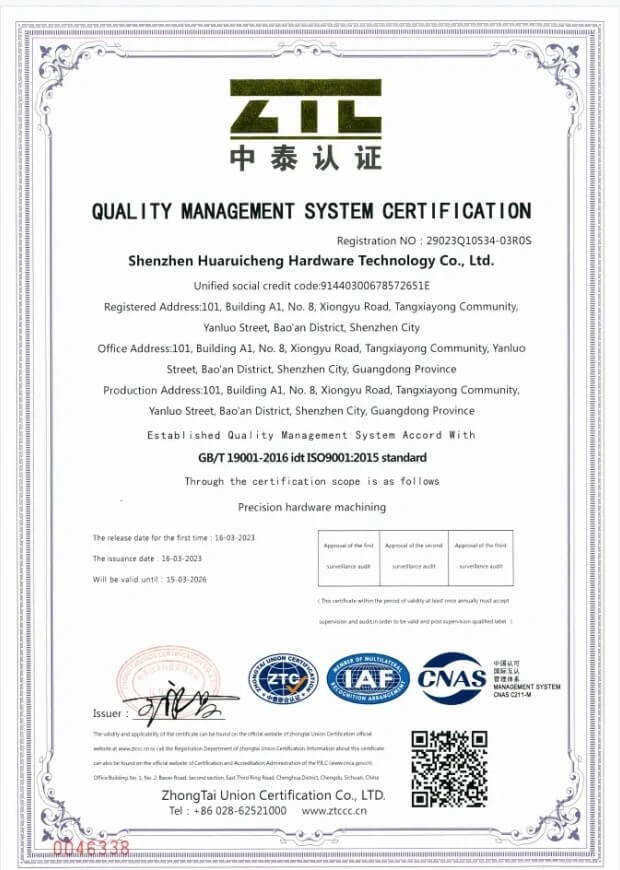
ISO 9001:2015
This certification demonstrates that our company follows internationally recognized quality management standards. It ensures consistent product quality, process optimization, and a strong focus on customer satisfaction.
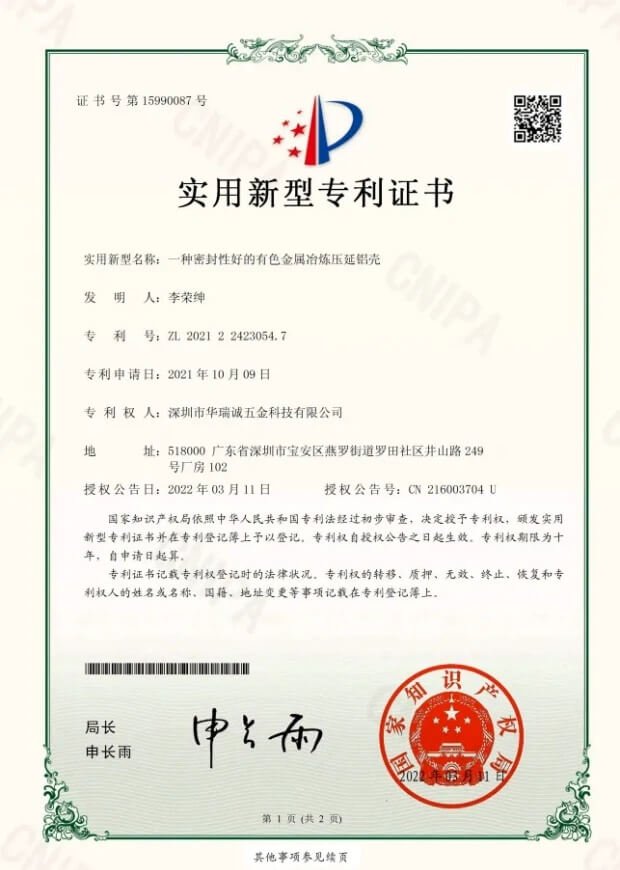
Patent Certificates
Our patents represent innovation and originality in manufacturing processes and product development. They highlight our ability to deliver unique solutions and maintain a competitive edge in the industry.
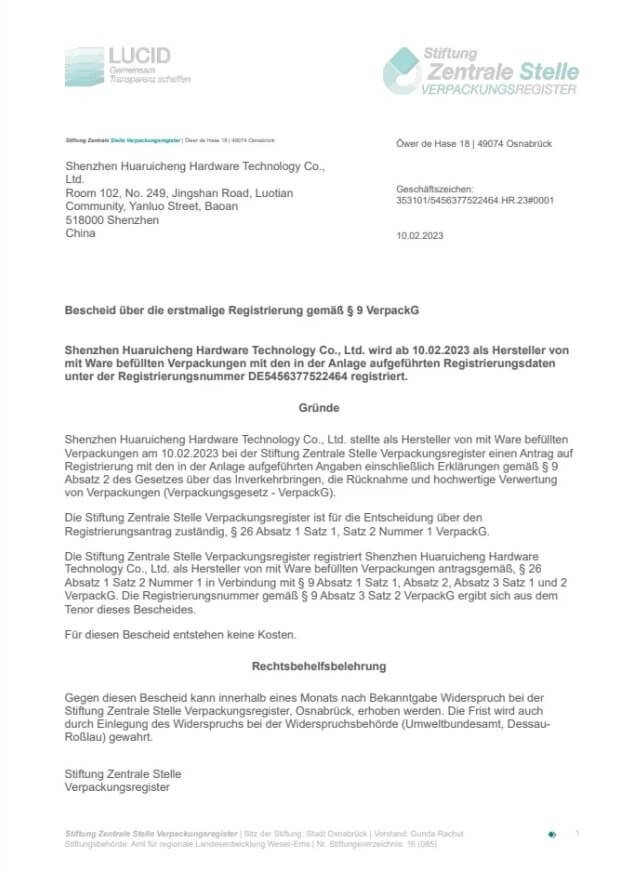
EPR-Certificate
As a compliant producer of goods-containing packaging, we can ensure our product packaging fully meets the regulatory requirements for the German market, this is our EPR-Certificate. Please contact us right now.
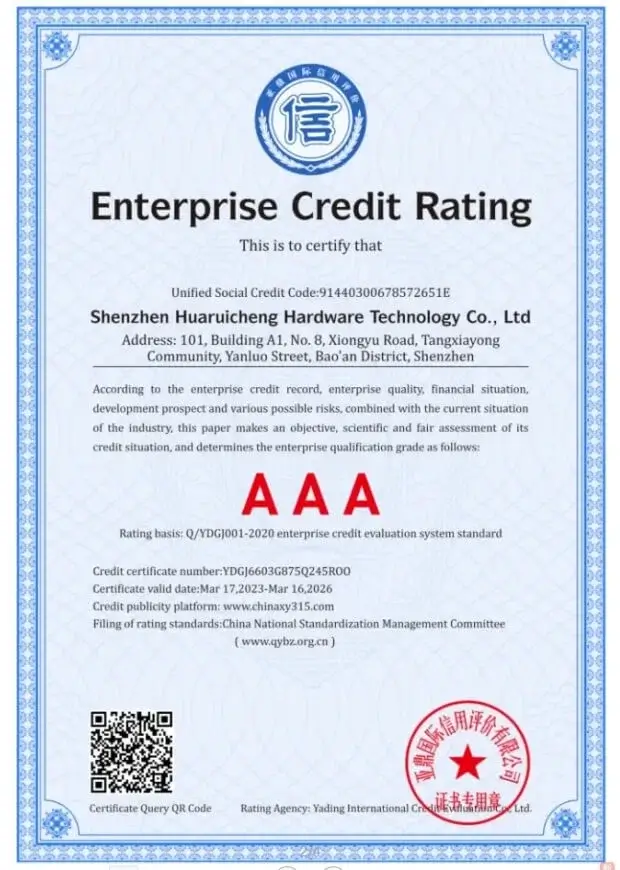
Enterprise Credit Rating Certificate
This certificate reflects our financial stability, business credibility, and trustworthy reputation in the industry. It reassures clients and partners that we are a reliable and long-term business partner.

Software Copyright Certificates
These certificates confirm ownership and protection of our self-developed software systems. They validate our technical expertise and guarantee the originality, security, and reliability of the digital tools we use in manufacturing.

SGS and HRCCNC company certificate
This certificate verifies our company as an Alibaba.com SGS Verified Supplier, ensuring compliance and reliability for our cooperation, SGS and HRCCNC company certificate, please contact us right now.
What is Surface Finishing?
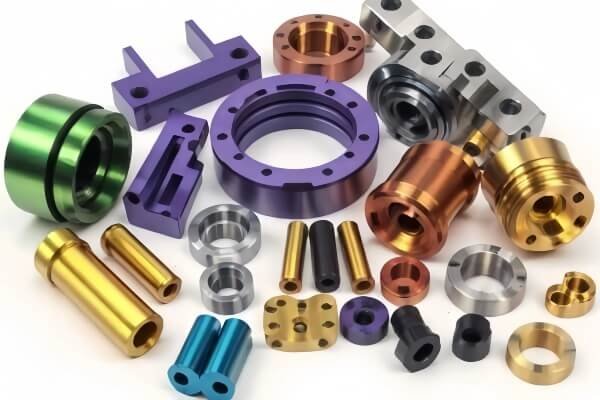
Surface finishing is the final manufacturing step that enhances the texture, appearance, and performance of CNC-machined parts. While machining provides precision, raw parts often have visible tool marks with a typical surface roughness ranging from Ra 1.6–3.2 µm depending on machining parameters. These surfaces require further refinement to meet functional and aesthetic requirements.
Manufacturers use glass bead blasting services to remove contaminants and create a uniform base. Chemical treatments, such as chromate conversion coatings (e.g., aluminum or alodine), increase corrosion resistance. For durability, aluminum anodizing and electroless nickel plating services form protective layers with specific appearances, such as a black anodized finish or anodized gold aluminum.
Standard measurements like Ra and Rz ensure coating thickness and surface roughness align with performance requirements. Ultimately, finishing improves wear resistance, reduces friction, and transforms a machined part into a professional, ready-to-use product.
| Finish Type | Durability | Appearance | Cost Level | Best For | Cosmetic Availability |
|---|---|---|---|---|---|
| Anodizing | High | Matte / Colored | Medium | Aluminum parts, corrosion resistance | Always Cosmetic |
| Sandblasting (Bead Blasting) | Medium | Uniform Matte | Low | Aesthetic texture, pre-coating | On Request |
| Electroplating | High | Glossy Metallic | Medium to High | Wear resistance, decorative parts | Always Cosmetic |
| Brushed Finish | Medium | Linear Pattern | Low | Consumer products, modern look | Always Cosmetic |
| Powder Coating | High | Colored / Glossy | Medium | Outdoor use, durable parts | Always Cosmetic |
| Polishing | Low–Medium | Mirror-like | Medium | Decorative components | On Request |
| Passivation | Medium | Minimal/clean surface | Low | Stainless steel | No |
| Painting | Medium | Color Coating | Low to medium | General-purpose | Always Cosmetic |
| Heat Treatment | High | No major visual change | Medium | Structural components | No |
Our Surface Finishing Services For CNC Machining Parts
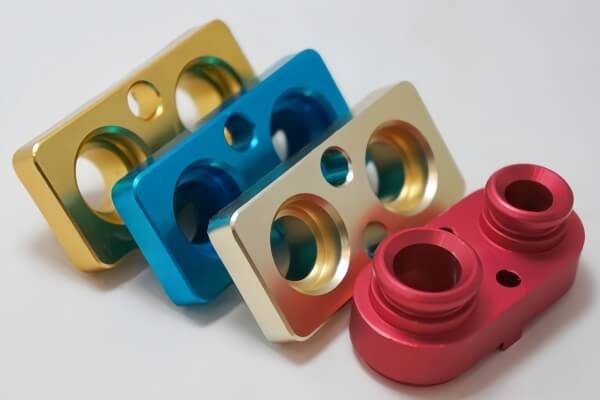
Anodizing
An electrochemical process thickens the natural oxide layer on aluminum parts. This method creates a hard and corrosion-resistant finish.
- Wide color options and increased surface hardness
- Excellent corrosion resistance and electrical insulation
- Available in Type II standard and Type III hard coat
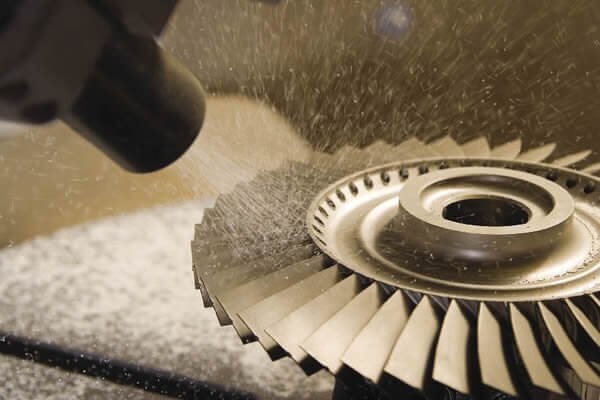
Sandblasting
Propels fine media at high pressure to clean and texture the surface. High pressure effectively removes tool marks and creates a uniform matte finish.
- Various grit sizes available for a uniform matte surface finish
- Works with multiple materials and is effective for paint preparation
- Removes tool marks and blemishes
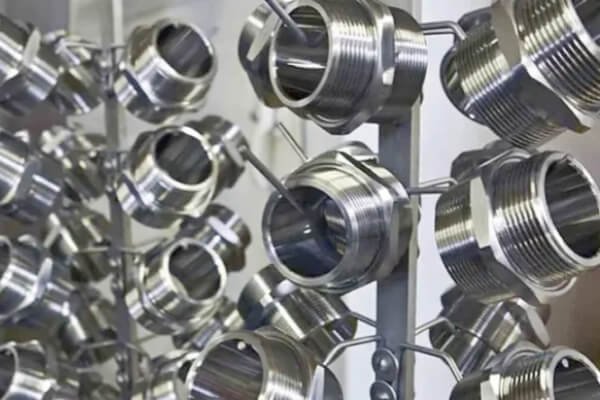
Electroplating
Electrical currents deposit a thin layer of metal to enhance appearance. The process provides corrosion resistance and increases surface hardness. Electroless nickel plating uses a chemical process without electricity.
- Decorative appearance and improved surface hardness
- Better electrical conductivity and enhanced corrosion resistance
- Zinc, nickel, chrome, and gold options
- Electropolishing can further improve surface smoothness and cleanliness
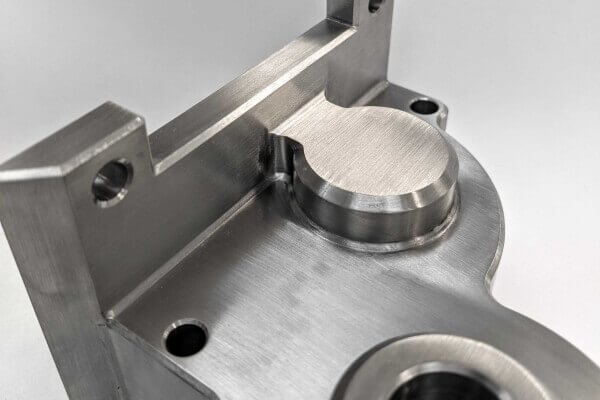
Brushed Finish
Mechanical processing creates a uniform surface texture. Fine directional grains provide a distinctive aesthetic look.
- Directional satin finish and consistent grain pattern
- Available on most metals and with enhanced aesthetic appeal
- Hides fingerprints and minor scratches
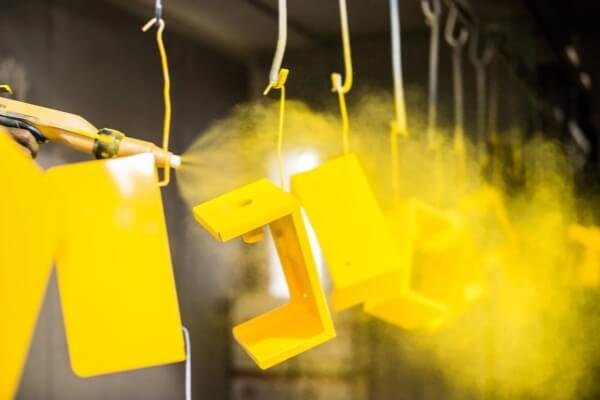
Powder Coating
Dry finishing creates a thick and durable coating. The result is highly resistant to chipping, scratching, and fading.
- Uniform thickness and extremely durable finish
- Resistant to chips and scratches
- Environmentally friendly process with wide colors and textures
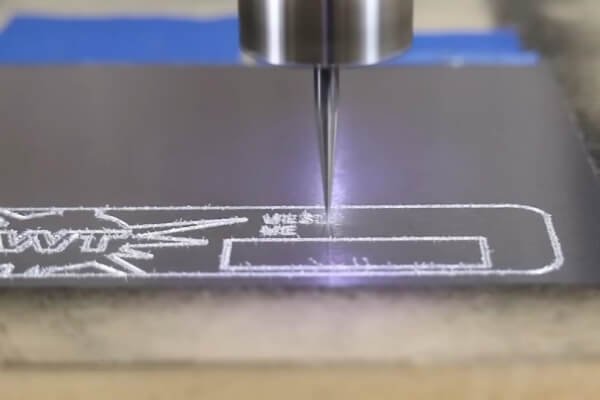
Laser Engraving
High-powered laser beams precisely etch or mark the surface. High precision is ideal for adding permanent serial numbers, barcodes, and logos.
- Fast turnaround and no tooling costs
- Works on most materials
- High precision and accuracy
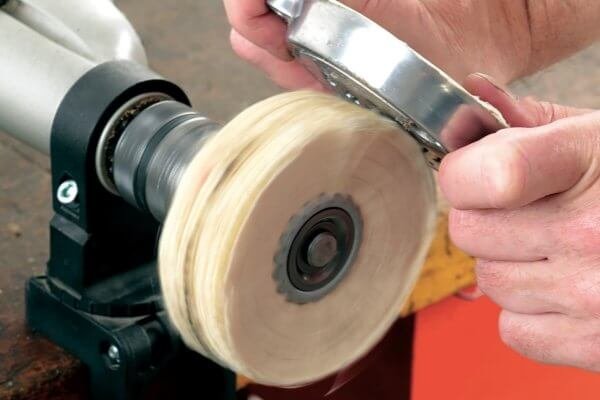
Polishing
Reflective mirror finishes minimize friction and provide high end aesthetics. Manufacturers apply mirror like finishes to medical instruments and decorative consumer goods.
- Creates a smooth, reflective mirror-like finish
- Reduces surface friction and improves appearance
- Ideal for medical instruments and consumer goods
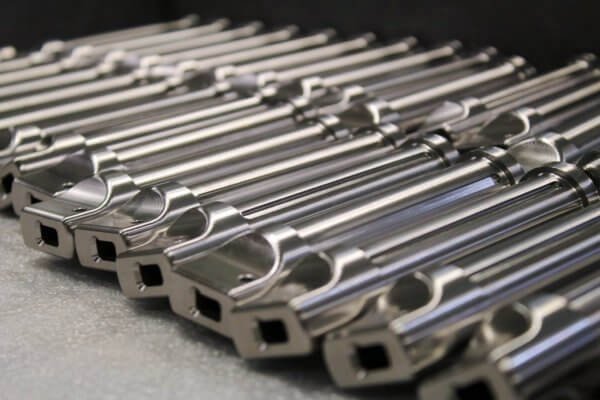
Passivation
Chemical baths remove impurities from stainless steel. Essential treatments enhance natural corrosion resistance without changing the appearance of the part.
- Enhances natural corrosion resistance
- Removes surface contaminants and impurities
- Maintains the original appearance of stainless steel
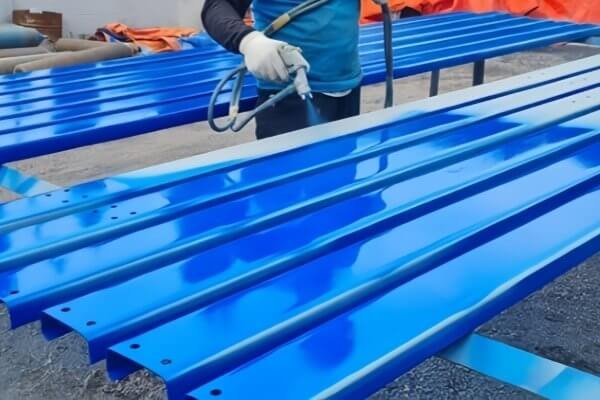
Painting
Versatile and cost-effective methods add protective coatings and custom colors. Professional painting works for both functional and decorative needs.
- Offers custom color options and aesthetic variety
- Provides a cost-effective protective layer
- Works for both functional and decorative needs
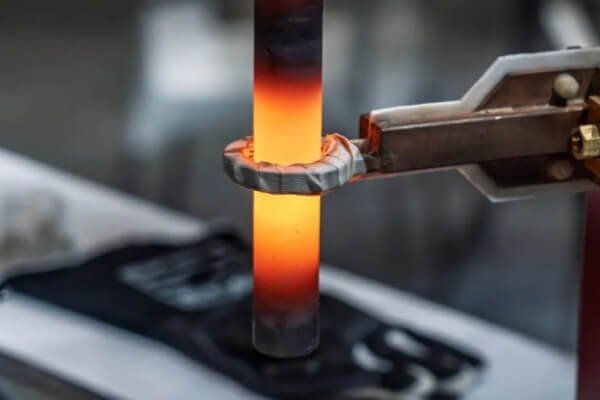
Heat Treatment
Thermal processing improves material properties like hardness and strength. Specialized heating helps parts withstand high stress, wear, and temperature variations.
- Increases material hardness and overall strength
- Improves resistance to wear and high stress
- Helps parts withstand extreme temperature variations
What are the Key Benefits of Surface Finishing for CNC Parts?
Key benefits of surface finishing include improved corrosion and chemical resistance, enhanced durability and longevity, superior aesthetics, and improved surface conductivity. Finishing also provides better wear and friction management as well as improved functional performance. These methods ensure precise fit and hygienic surface properties, making parts reliable for aerospace, medical, and automotive use.
Improved Corrosion and Chemical Resistance
Protective barriers created through surface finishing block moisture and oxygen, preventing material decay. Methods like aluminum anodizing and chromate conversion coating modify surface chemistry to resist harsh agents. These treatments, including electroless nickel plating services, ensure CNC-machined parts maintain structural integrity and quality in corrosive industrial environments.
Improved Durability and Longevity
Surface finishing strengthens the outer layer of CNC-machined parts, improving durability and longevity. Techniques such as anodizing service and heat treatment increase surface hardness while reducing degradation. Additionally, powder coating and electroless nickel plating create stable structures that resist chipping. These solutions ensure parts maintain structural integrity during extended operational use.
Enhanced Wear and Friction Management
Reduced surface roughness minimizes direct contact and material loss between moving parts. Specialized processes like polishing and electropolishing create smoother textures to lower friction. Furthermore, anodizing service and electroless nickel plating services form hard protective layers. These methods ensure CNC-machined parts maintain consistent performance and extended component life.
Improved Functional Performance
Optimized surface properties align parts with operational needs like sealing and conductivity. Applying an anodizing or electroless plating service modifies the surface to improve component interaction. Moreover, chromate conversion coating and polishing improve adhesion and remove irregularities. These processes ensure parts perform reliably while meeting strict surface finish requirements.
Tighter Tolerances and Fit
Refined dimensional consistency supports the precise assembly of complex mechanical systems. Methods like polishing and electropolishing remove micro-level irregularities to improve contact between mating components. Additionally, electroless nickel plating services add uniform coatings that maintain accuracy. These processes ensure that CNC-machined parts meet the strict requirements of precision instruments.
Hygienic Surface Properties
Surface finishing limits contamination, improving hygienic surface properties. Electropolishing and passivation remove microscopic irregularities where bacteria or residues accumulate. Additionally, polishing and anodizing services create clean, non-porous surfaces that support easy cleaning. These processes ensure CNC-machined parts meet hygiene standards and maintain integrity in medical and food-grade environments.
Surface Finishing Standards and Measurements
Surface finishing standards and measurements quantify surface roughness, texture, and coating thickness to ensure CNC machined parts meet strict engineering requirements. These standards allow manufacturers to control machining surface finishes, validate quality, and maintain consistency across production batches.
The industry relies on three primary measurement parameters:
Ra (Roughness Average)
This measures the average deviation of surface peaks and valleys. It is the standard for defining CNC machining surface finish, such as a 3.2 Ra surface finish for general mechanical parts.
Rz (Average Peak-to-Valley Height)
This calculates the vertical distance between the highest peak and the lowest valley. It provides a detailed evaluation of surface texture for components requiring precise sealing or contact surfaces.
Microns (µm)
This unit is used to measure both surface roughness and coating thickness. It ensures precise control over anodizing thickness, powder coating thickness, and electroless plating services to maintain dimensional accuracy.
Accurate measurement ensures that surface finishing processes align with functional requirements like wear resistance and friction control in aerospace and medical applications. Ra and Rz are used to measure surface roughness, while coating thickness is measured separately in microns (µm) using thickness gauges.
Surface Finish Comparison Chart
Accurate measurement ensures that surface finishing processes align with functional requirements like wear resistance and friction control in aerospace and medical applications. Ra and Rz are used to measure surface roughness, while coating thickness is measured separately in microns (µm) using thickness gauges.
| Surface Finish Type | Typical Ra (µm) | Surface Texture | Comparison Insight | Best Application |
| As-Machined | 3.2 – 6.3 | Tool marks visible | Baseline CNC machining surface | General functional parts |
| Bead Blasting | 1.6 – 3.2 | Matte, uniform | Smoother than machined, non-reflective | Surface prep, cosmetic matte finish |
| Brushed Finish | 0.8 – 1.6 | Linear texture | Controlled texture with directional pattern | Decorative metal surfaces |
| Anodizing | 0.8 – 3.2 | Smooth oxide layer | Maintains base Ra, adds protective layer | Aluminum parts with corrosion resistance |
| Electroplating | 0.4 – 1.6 | Metallic smooth | Reduces roughness with coating thickness | Wear-resistant and conductive surfaces |
| Powder Coating | 2.0 – 5.0 | Thick-coated surface | Masks minor surface defects | Outdoor and industrial components |
| Polishing | 0.2 – 0.8 | Smooth to glossy | Significantly reduces surface roughness | Low-friction and optical applications |
| Electropolishing | 0.1 – 0.4 | Ultra-smooth | Removes micro peaks for hygienic surfaces | Medical and food-grade components |
| Passivation | 0.8 – 3.2 | Clean, unchanged | No major change in roughness | Stainless steel corrosion protection |
| Laser Engraving | Depends on base | Marked surface | Does not affect the overall surface roughness | Identification and traceability |
Surface roughness (Ra) is not typically the primary control metric for powder coating. Instead, coating thickness, adhesion, and visual uniformity are more relevant performance indicators.
How to Choose the Right Surface Finish for CNC Parts?
Choosing the right CNC surface finish depends on material type and compatibility, functional requirements, operating conditions, dimensional tolerances, aesthetic preferences, budget, and lead time. Each factor determines how the surface finish meets durability, precision, and visual requirements, ensuring consistent performance and fit.
- Material Type and Compatibility
Ensure the finish matches your base material for proper adhesion and performance. For instance, aluminum anodizing works on aluminum, while passivation suits stainless steel. Select chemically compatible processes to avoid surface defects. Consider corrosion resistance, electrical conductivity, hardness, wear resistance, or solderability needs. Each finish offers different protective and functional properties
- Functional Requirements
The process must support the part’s intended function, such as corrosion resistance or wear resistance. Use electroless nickel plating services to improve the durability of aluminum or apply a chromate conversion coating to enhance paint adhesion and protection.
- Operating and Environmental Conditions
Finishes must withstand exposure to moisture, chemicals, and UV radiation. Powder-coated surface finishes perform well outdoors, while anodized layers resist oxidation in humid or corrosive environments, ensuring long-term reliability.
- Dimensional Constraints and Tolerances
Coatings that add thickness may affect tight tolerances and fit. While electroless plating provides controlled thickness, polishing reduces surface irregularities. Choose a method that maintains dimensional accuracy for all precision assemblies.
- Aesthetic Preference
Surface finishing defines the visual appearance, including color and reflectivity. Options like black anodized finish provide decorative looks, while bead blasting creates a uniform matte texture for a professional, clean result.
- Budget and Lead Time
Processes vary in cost and time based on complexity. Simple methods like bead blasting offer shorter lead times, while anodizing services require more investment. Balance performance needs with your specific budget.
- Need Help Choosing
Our technical experts are ready to help you select the ideal finish for your specific application. Contact us with your requirements and we’ll provide recommendations based on your material, environment, and performance needs.
Our Surface Finishing Capabilities
HRCCNC offers comprehensive surface-finishing capabilities to enhance the performance and appearance of CNC-machined parts. Our services include mechanical finishing for texture, chemical finishing for protection, and coating and plating for durability.
Mechanical Finishing
Refining the surface physically removes tool marks and achieves a specific texture.Methods like bead blasting and sandblasting create a uniform matte finish, while polishing and brushed finish techniques produce high-end aesthetics.
Chemical Finishing
Chemical treatments modify the material’s surface properties to enhance corrosion resistance and prepare it for further coating. We provide passivation for stainless steel and chromate conversion coating of aluminum (alodine) to ensure structural integrity in harsh environmental conditions.
Coating & Plating
Coating and plating apply protective layers to increase surface hardness and improve electrical conductivity. Key methods include aluminum anodizing, electroless nickel plating services, and powder coating, which provide wear resistance and a wide range of decorative color options.
Industries We Serve
Our precision surface finishing services ensure the success of components across diverse industries. We maintain a deep understanding of the unique requirements and specific standards required for each sector we serve, providing controlled, repeatable processes for high-performance applications.
Automotive Industry
Aerospace and Defense
Medical Devices
Consumer Electronics
Robotics and Automation
Industrial Equipment
Telecommunications
Energy Sector
Consumer Goods
Our Finishing Process
Why Choose HRCCNC For Electroplating Services?
Choose HRCCNC for electroplating services to access precision coating capabilities, along with CNC machining and surface finishing, all under one roof. Since 2008, we have supported global manufacturers with controlled electroplating processes across nickel, zinc, copper, chrome, gold, silver, tin, and palladium coatings, fast quotation turnaround, free DFM support, and strict quality control. Our team manages coating thickness, bath chemistry, current density, and post-treatment requirements to help reduce supplier complexity, shorten lead times, and maintain consistent coating performance for both prototypes and production orders.
17+ Years of Manufacturing Experience
Controlled Coating Thickness and Adhesion Inspection
Free DFM Support for Coating and Substrate Selection
Fast Quotes Within 2 Hours
One-Stop Machining, Plating, and Finishing Services
Competitive Pricing for Prototype and Production Orders
Reliable Global Delivery and Export Standards
What Our Surface Finishing Service Clients Say About Us?
Submit Your Drawings Today For a Quick And Accurate Quote!
Related Resources and Guides
Founded in 2008, HRCCNC is a trusted CNC machining and metal manufacturing company with 18 years of experience delivering precision-engineered custom parts to global customers. Our team of skilled engineers and technicians provides one-stop integrated services, including CNC machining, die casting, and sheet metal fabrication, supporting projects from product design to finished product delivery across North America, Europe, and Asia.
From a small CNC workshop to a global manufacturing partner, HRCCNC has expanded through continuous capability upgrades and international quality certification, including ISO 9001:2015. Our factory is certified to ISO 9001:2015 and has been audited by SGS, ensuring strict quality control, traceability, and compliance with international manufacturing standards.
Company Introduction Video
FAQs About Surface Finishing for CNC Parts
What is an EDM surface finish in machining?
An EDM surface finish is created during the electrical discharge machining process. It produces a unique textured surface that can be controlled by adjusting spark parameters, suitable for molds, dies, and precision tooling.
How is a stainless steel surface finish achieved?
A stainless steel surface finish can be produced through polishing, brushing, or electropolishing. These processes help improve corrosion resistance while giving the part a clean and professional appearance.
What are the options for aluminum surface finishes?
Common aluminum surface finishes include anodizing, powder coating, sandblasting, and chemical conversion coating. Each method improves corrosion resistance, adds color, or enhances the overall durability of aluminum parts.
What are surface finishes, and why are they important in manufacturing?
Surface finishes refer to the texture, smoothness, or appearance of a part’s outer layer. They play a critical role in improving aesthetics, corrosion resistance, wear resistance, and overall performance of CNC-machined components.
What are the common types of surface finishes used in CNC machining?
There are many types of surface finishes, including anodizing, powder coating, polishing, plating, and bead blasting. Each option serves different purposes, from enhancing durability to achieving a decorative look.
What is included in the surface finishing process for CNC-machined parts?
The surface finishing process can involve mechanical, chemical, or electrochemical treatments. Steps may include grinding, polishing, coating, or anodizing to achieve the desired CNC surface finish.
Are aluminum surface finish options different from steel or other materials?
Yes, an aluminum surface finish often relies on anodizing or conversion coating because of the metal’s natural oxide layer, whereas stainless steel may use polishing or passivation. Different materials require tailored finishing techniques.
How do I choose between different types of surface finishes for my project?
Choosing among different types of surface finishes depends on the part’s function, environment, and visual requirements. For example, anodizing works best for aluminum, while electropolishing suits stainless steel applications.