 Skip to content

Custom Precision Sandblasting Services
Transform your components with reliable, high-performance surface preparation. At HRCCNC, we provide custom sandblasting services to improve surface cleanliness, texture, and coating adhesion on metal substrates, using controlled processes and specialized media for both prototypes and production, with fast turnaround and global delivery.
Upload your CAD file online to receive a fast quote and begin your sandblasting project with efficient processing and worldwide shipping.
- Removes oxidation, scale, and stubborn contaminants for a clean surface
- Creates uniform anchor profiles to improve coating adhesion and lifespan
- Wide finish options from aggressive textures to smooth satin surfaces
- Controlled media selection to protect tight tolerances and part integrity
- Fast turnaround to support prototyping and time-sensitive production runs
What is Sandblasting?
Sandblasting is a surface treatment process that uses compressed air to propel abrasive particles at high speed onto a material surface. This impact removes rust, paint, oxidation, and contaminants while creating a controlled surface profile. The process directs abrasive media through a nozzle, where it strikes the workpiece and cuts, cleans, or textures the surface based on pressure and media type. Harder abrasives remove heavy buildup, while finer media produce a smoother surface finish.
Across industrial and custom manufacturing, sandblasting plays a key role in surface preparation and finishing, improving adhesion of paint and powder coatings while refining surface texture for functional or decorative results. It is suitable for materials such as steel, aluminum, stainless steel, cast iron, and selected plastics, and is widely used for rust removal, paint stripping, deburring, and pre-coating preparation.

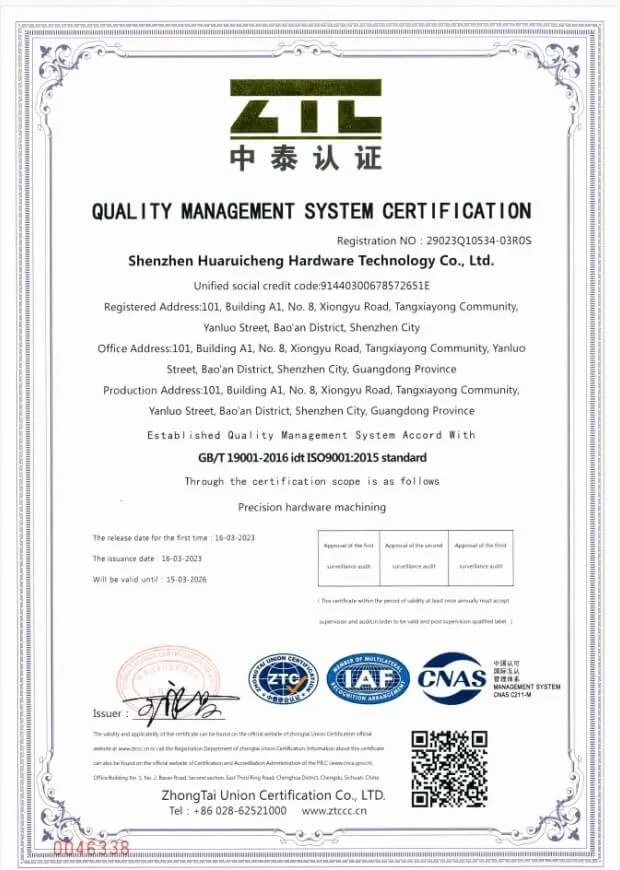
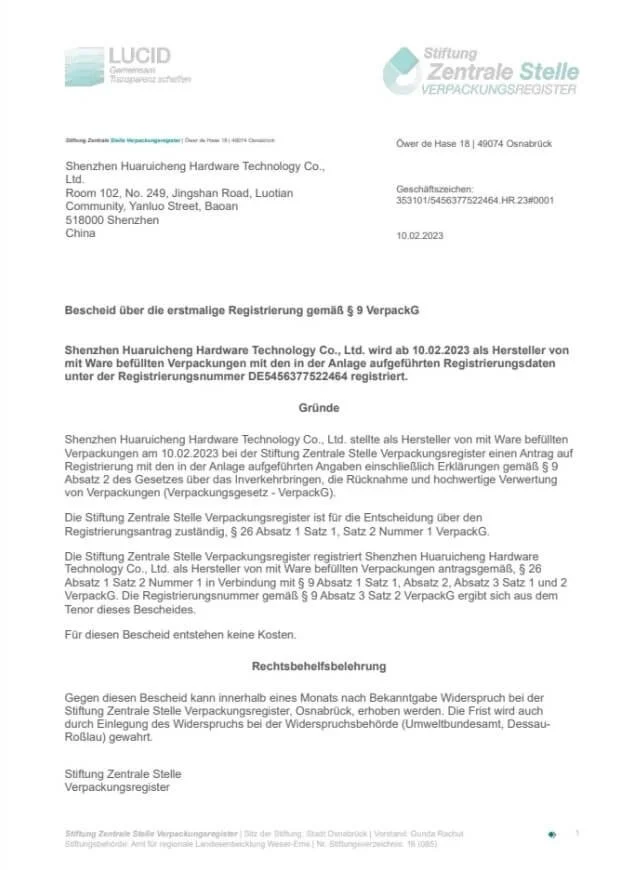
Our Certifications

Our Key Sandblasting Methods
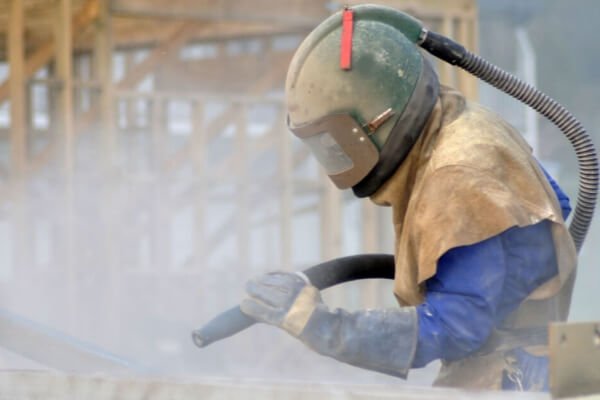
Abrasive Sandblasting
Abrasive sandblasting is our most effective method for aggressive stripping and deep surface profiling. It uses high-pressure air to propel angular media, such as aluminum oxide or garnet, which cut into the substrate to remove heavy rust, thick scale, and old industrial coatings. This method prepares raw metal surfaces for high-bond coatings, especially on carbon steel and cast iron, and is commonly used for industrial frames, heavy machinery, and thick weldments that require a strong anchor profile.
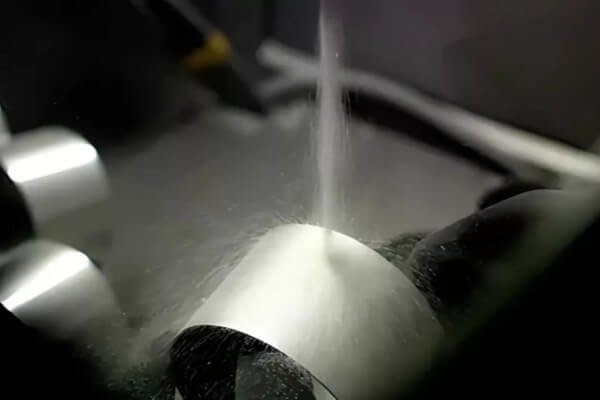
Bead Blasting
For a controlled, low-impact finish with a professional aesthetic, we utilize bead blasting. By propelling spherical glass beads onto the surface, we gently peen the material, smoothing CNC machining marks with minimal material removal. This process also enhances surface cleanliness by removing minor oxides and contaminants without altering part geometry. The result is a uniform, satin-matte finish ideal for aluminum, stainless steel, and copper components where dimensional accuracy, surface consistency, and visual quality are critical.

Shot Blasting
To enhance the structural integrity of high-performance parts, we employ shot blasting, a high-velocity method focused on strengthening rather than just cleaning. By hurling metallic shot or cut wire at the surface, we create a layer of compressive stress that significantly improves the metal’s fatigue resistance. This process is essential for “peening” structural components made from hardened steels and high-strength alloys. At HRCCNC, we use this for aerospace gears, engine components, and turbine blades to ensure long-term durability under stress.

Soda Blasting
Designed for sensitive applications, soda blasting is an eco-friendly and minimally invasive cleaning process. Using bicarbonate particles that fracture upon impact, this method releases energy to effectively remove surface contaminants, coatings, and light corrosion while fully preserving dimensional integrity. Unlike conventional abrasive methods, soda blasting leaves no embedded media residue, making it well-suited for thin-gauge metals, fiberglass, and delicate substrates where maintaining original tolerances and surface cleanliness is essential.
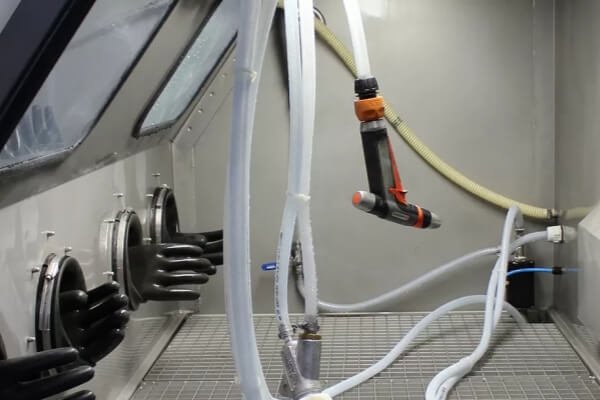
Wet Blasting
We achieve the smoothest possible finish through wet blasting, also known as vapor honing. By using a pressurized slurry of water and micro-fine media, the water acts as a lubricant, reducing friction and heat and preventing media embedding. This dust-free process is the definitive solution for high-end aesthetic finishing, critical tolerance maintenance on sensitive alloys, and mirror-finish requirements. It is particularly suitable for aerospace fasteners, luxury automotive parts, and high-precision tooling where a refined, “flow” surface quality is mandatory.
What type of compressor is needed for sandblasting?
A sandblasting system requires an air compressor that can deliver consistent, high-pressure, high-volume airflow. The compressor powers the blasting nozzle by propelling abrasive media at the required velocity, directly affecting cleaning efficiency and surface finish quality.
Primary Compressor Technologies
Rotary Screw Air Compressors
Designed for a 100% duty cycle, these units utilize interlocking screws to provide a steady, pulse-free stream of air. This consistency is essential for high-volume production, ensuring that blast pressure remains stable to prevent variations in surface profile.
Reciprocating (Piston) Compressors:
These systems use a cylinder-based design suitable for light-duty or intermittent tasks. While initially more cost-effective, their tendency to cycle on and off can cause pressure fluctuations, leading to uneven finishes on precision components.
Electric Air Compressors:
Widely used in climate-controlled manufacturing, these units offer cleaner, more predictable operation than internal combustion alternatives. They require a robust facility power supply, but they deliver the reliable, quiet performance necessary for high-precision, repetitive finishing tasks.
Our rotary screw compressors, paired with integrated refrigerated air dryers, deliver moisture-free, oil-free airflow to prevent media clumping and maintain surface purity. By controlling precise nozzle pressure, we meet ISO 9001:2015 standards and deliver uniform, repeatable finishes on every part.
Different Sandblasting Materials (Media) Available
Various sandblasting media, such as aluminum oxide or glass beads, enable precise surface modification tailored to the material’s hardness and geometry. This technical alignment ensures the removal of contaminants while maintaining dimensional tolerances, resulting in superior coating performance and cost-effectiveness.
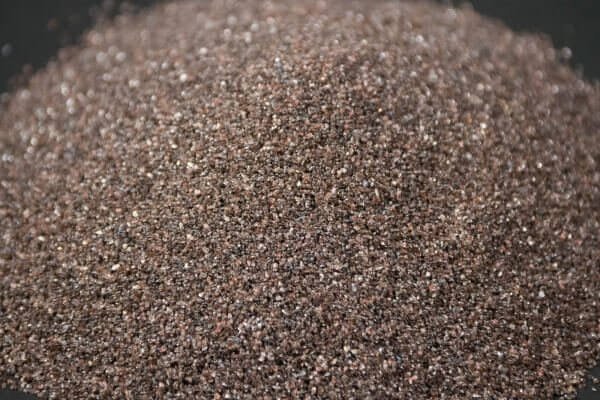
Aluminum Oxide
Highly durable and sharp, this synthetic abrasive maintains its shape through repeated use. Its high hardness makes it ideal for aggressive cleaning, such as removing scale, rust, and thick coatings from steel or hard alloys. The resulting rough surface profile provides an excellent foundation for strong coating adhesion.

Glass Beads
Spherical and non-abrasive, these soda-lime glass particles utilize a peening action rather than cutting. This approach cleans and smooths surfaces without significant material removal, making them perfect for stainless steel, aluminum, and precision parts. The process leaves behind a clean, bright, and uniform matte finish.

Steel Shot & Grit
Constructed from hardened steel, these metallic abrasives offer extreme density for heavy-duty industrial tasks. Steel shot features a round shape for a smooth, peening effect, whereas steel grit utilizes angular edges for aggressive cutting. Both are widely used on structural steel and castings for descaling, deburring, and stress-relieving.
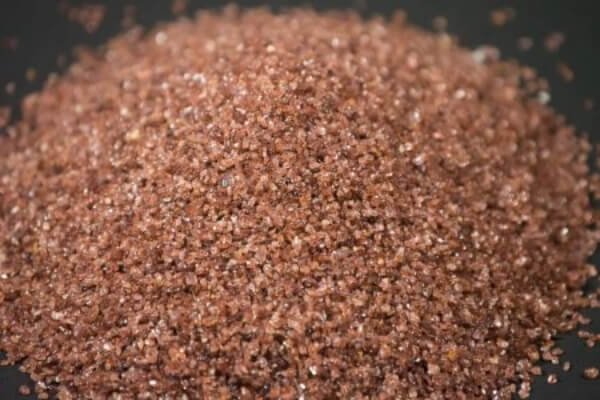
Garnet
As a natural mineral with sharp, angular particles, garnet delivers fast cutting action with minimal dust generation. It excels at stripping heavy paint and rust from steel surfaces while maintaining a consistent profile. This media offers an efficient, reliable solution for demanding surface preparation requirements.

Plastic Media
Lightweight and soft, these synthetic particles enable the cleaning of delicate substrates. Plastic media removes coatings without scarring the base material, making it the preferred choice for aluminum, composites, and thin-gauge parts. The process preserves surface integrity while providing a clean, smooth finish.
What are the Benefits of Sandblasting?
The benefits of sandblasting include superior surface preparation, effective removal of corrosion and contaminants, cost efficiency, high speed, versatility across materials, improved coating adhesion, and decorative or functional finishing. It creates controlled surface profiles, supports consistent processing across complex geometries, and delivers reliable results for both performance and visual quality.
Superior Surface Preparation
Abrasive blasting creates a clean and uniform surface profile that supports downstream processes. High-velocity media removes scale, old coatings, and surface residues. This controlled preparation ensures consistent texture, which supports reliable coating and bonding performance.
Effective Rust and Contaminant Removal
The sandblasting process removes rust, oxidation, grease, and embedded contaminants from material surfaces. Abrasive particles break down corrosion layers and lift unwanted deposits from the substrate. This restores the base material and prepares it for further treatment or inspection.
Cost-Effective Solution
Sandblasting reduces the need for manual cleaning and multiple surface treatment steps. The process uses efficient abrasive media and controlled pressure to complete cleaning and preparation in a single operation. This reduces labor time and minimizes rework, which supports overall cost control in production.
Speed and Efficiency
High-pressure blasting systems process large surface areas and complex geometries more quickly. A consistent abrasive flow through the nozzle accelerates cleaning and finishing tasks. This improves production timelines and supports faster turnaround.
Versatility Across Materials
Abrasive processes adapt to different materials and surface conditions through media selection and pressure control. Operators can adjust media such as glass beads or garnet to suit steel, aluminum, or brass. This flexibility supports both aggressive cleaning and fine surface finishing.
Improved Coating Adhesion
Surface texturing induced by sandblasting increases the bonding strength between the substrate and the applied coatings. The abrasive action forms a micro-profile that expands surface area. This allows paint and powder coatings to anchor effectively, improving durability and performance.
Eco-Friendly and Safe
Controlled blasting systems manage dust and waste through proper containment and media selection. Wet processes reduce airborne particles, while recyclable media such as steel shot support reuse. These measures help maintain safer working conditions and controlled environmental impact.
Decorative & Functional Finishing
Surface finishing using abrasive methods yields both visual and performance outcomes. Adjusting media and pressure creates matte, satin, or textured finishes. This supports aesthetic requirements while improving grip, reducing reflectivity, or preparing surfaces for further processing.
Bead Blasting vs Sandblasting
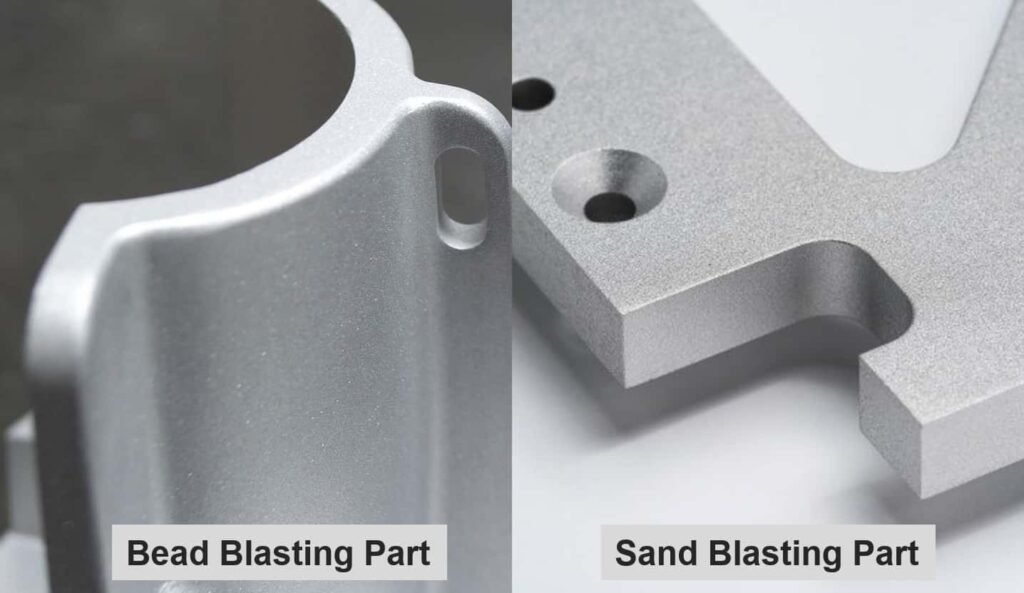
Sandblasting is an aggressive process used for heavy-duty material removal, while bead blasting is a gentler technique designed for surface refinement and aesthetic finishing. Choosing between these methods depends entirely on whether your project requires deep surface profiling for coating adhesion or a smooth, uniform texture for final product presentation.
| Feature | Sandblasting | Bead Blasting |
|---|---|---|
| Primary Media | Sand, Garnet, Aluminum Oxide | Glass Beads |
| Surface Profile | Rough, textured, deep etch | Smooth, satin, matte |
| Material Removal | High (Aggressive) | Low (Non-destructive) |
| Ideal Application | Stripping rust, scale, and heavy paint | Deburring, cleaning, and cosmetic finishing |
| Dimensional Impact | Can alter part dimensions | Minimal to no dimensional change |
| Coating Adhesion | Excellent (High surface area) | Moderate (Polished texture) |
Industries We Serve
Our sandblasting services support surface preparation, cleaning, and finishing across multiple industries. Each sector requires specific surface standards, material handling, and finish outcomes. We apply controlled abrasive blasting processes to meet these requirements, delivering consistent, repeatable results.
Aerospace
In the aerospace sector, abrasive blasting prepares aluminum alloys, turbine components, and structural parts by removing oxidation, coatings, and contaminants while maintaining tight tolerances. It creates controlled surface profiles that support advanced coating systems, fatigue resistance, and reliable performance in safety-critical environments.
Architecture
Architectural applications use abrasive blasting to clean and prepare steel frameworks, railings, and façade panels before finishing. The process removes mill scale, corrosion, and aged coatings, producing uniform surface textures that improve coating adhesion, weather resistance, and long-term visual consistency.
Electronics & Appliances
For electronics and appliances, precision blasting methods such as bead blasting refine aluminum housings, enclosures, and component surfaces. This process removes light imperfections and residues while achieving smooth, even finishes that support heat dissipation, coating adhesion, and high-quality product appearance.
Industrial Equipment
In industrial settings, abrasive blasting prepares heavy machinery, castings, and fabricated metal parts by removing rust, scale, oil residues, and weld contaminants. This ensures clean, profiled surfaces ready for protective coatings, improving wear resistance and extending service life in harsh operating conditions.
Renewable Energy
Renewable energy applications rely on abrasive blasting to prepare components used in wind turbines, solar mounting systems, and energy infrastructure. The process cleans and profiles metal surfaces to support corrosion-resistant coatings, ensuring durability, structural integrity, and consistent performance in exposed outdoor environments.
Our Simple 4-Step Sandblasting Process
1. Surface Preparation:
We begin by thoroughly cleaning the workpiece to remove oil, grease, rust, oxidation, and existing coatings. This ensures a contamination-free surface, prevents particles from embedding during blasting, and prepares the material for consistent surface profiling and strong coating adhesion.
2. Equipment Setup:
Our experienced sandblasting team configures the blasting system by selecting the appropriate abrasive media, such as glass beads for smooth finishes or aluminum oxide for aggressive cleaning. Air pressure, flow rate, and nozzle type are calibrated, and critical areas are masked to protect threads, tolerances, and precision features.
3. Blasting:
Abrasive media is propelled at high velocity onto the surface to remove contaminants, scale, and imperfections. Abrasive blasting operators maintain consistent distance, angle, and movement to achieve even coverage, controlled material removal, and a uniform surface profile across the entire workpiece.
4. Inspection & Cleanup:
After blasting, we carefully inspect each part to confirm surface uniformity and compliance with specifications. We use high-pressure air or cleaning methods to remove residual media, ensuring components are clean, dust-free, and ready for coating, assembly, or further processing.
1. Surface Preparation:
We begin by thoroughly cleaning the workpiece to remove oil, grease, rust, oxidation, and existing coatings. This ensures a contamination-free surface, prevents particles from embedding during blasting, and prepares the material for consistent surface profiling and strong coating adhesion.
2. Equipment Setup:
Our experienced sandblasting team configures the blasting system by selecting the appropriate abrasive media, such as glass beads for smooth finishes or aluminum oxide for aggressive cleaning. Air pressure, flow rate, and nozzle type are calibrated, and critical areas are masked to protect threads, tolerances, and precision features.
3. Blasting:
Abrasive media is propelled at high velocity onto the surface to remove contaminants, scale, and imperfections. Abrasive blasting operators maintain consistent distance, angle, and movement to achieve even coverage, controlled material removal, and a uniform surface profile across the entire workpiece.
4. Inspection & Cleanup:
After blasting, we carefully inspect each part to confirm surface uniformity and compliance with specifications. We use high-pressure air or cleaning methods to remove residual media, ensuring components are clean, dust-free, and ready for coating, assembly, or further processing.
How Much Does Sandblasting Cost?
Sandblasting costs for precision-engineered and industrial components are determined through a custom quotation. The final pricing depends on factors such as part geometry, material type, surface condition, and selected abrasive media. Additional considerations, including masking requirements, tolerance sensitivity, and production volume, also influence the final cost.
At HRCCNC, our sandblasting process is carefully evaluated against every specification, from material and media selection to surface finish standards. This ensures accurate, transparent quotes that align with your technical requirements and production goals, whether for prototyping or high-volume runs.
Why Choose Our Sandblasting Services
Choose HRCCNC for custom sandblasting services that combine advanced precision, integrated manufacturing, and industry-certified quality under one roof. Our ISO 9001:2015 certification ensures uniform finishes and strict adherence to technical specifications, from complex prototypes to high-volume production. With integrated in-house machining and finishing capabilities, we deliver rapid turnaround times and competitive pricing. Backed by environmental compliance, media recycling, and dedicated project support, HRCCNC is your reliable partner for surface treatment, start to finish.
Strict Quality Control and ISO 9001:2015 Certification
Competitive Pricing for Complex Custom Parts
One-Stop Integrated Manufacturing Services
Fast Quotes and Rapid Turnaround
Full Environmental Containment & Compliance
Blast Media Recovery & Recycling Program
Dedicated Project Support from Start to Finish
What Our Sandblasting Service Clients Say About Us?
Sandblasting Applications in Machined Parts
Deburring and surface defect removal
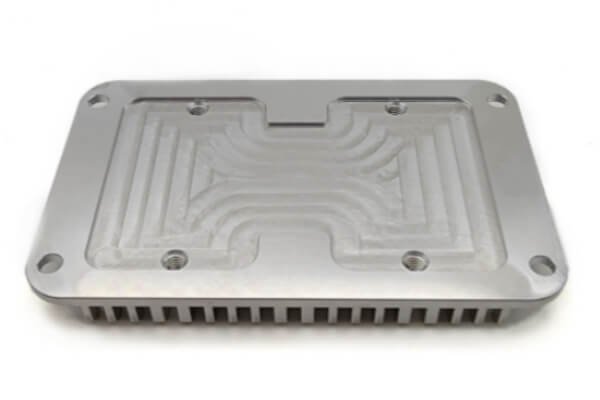
Sandblasting efficiently removes small burrs, tool marks, and parting lines left from machining or casting processes, creating a uniform surface.
Surface cleaning
It thoroughly cleans parts by stripping away oils, rust, scale, old paint, and other contaminants, ensuring a pristine surface for further processing.
Pre-treatment for coatings
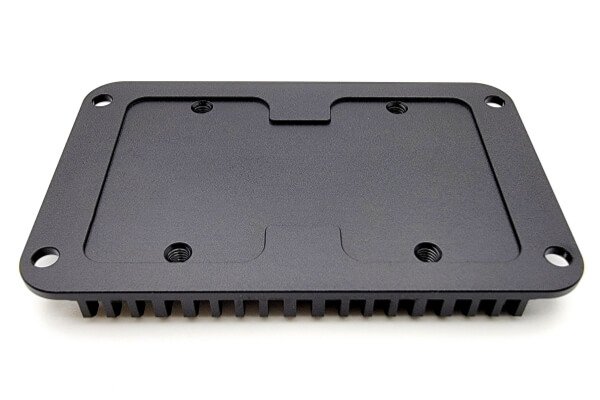
A slightly roughened surface ensures stronger adhesion of paint, powder coat, or anodized finishes. This pre-treatment step is critical for industries where coating durability is essential.
Improving friction or wear properties
Specific blasting processes can work-harden the surface or create a specific texture that enhances grip, reduces galling, or improves wear resistance.
Decorative finishing
Beyond functional benefits, sandblasting creates appealing textures. Consumer electronics often use bead blasting to achieve smooth matte finishes on aluminum casings.
How to Choose the Right Sandblasting Method?
Selecting the best method depends on several factors:
- Base Material: Is the part hardened steel or delicate aluminum?
- Desired Outcome: Is the goal aggressive paint removal or a gentle cosmetic finish?
- Material Thickness: Will the process remove too much material?
- Environmental/Safety Concerns: Is dust control a priority? (Choose wet or soda blasting).
- Production Volume: Is it a one-off project or a high-volume line? (Automated shot blasting may be best).
If you would like direct access to sandblasting methods, you can consult directly with one of our professional sandblasters via the button below to determine the best process and media for your specific application.
Submit Your Drawings For Custom Finishing And Perfect Surface Quality.
Resources & Guides

Since 2008, HRCCNC has been a trusted CNC machining and metal manufacturing company delivering precision-engineered custom parts to global customers. Our team of skilled engineers and technicians provides one-stop integrated services, including CNC machining, die casting, and sheet metal fabrication, supporting projects from product design to finished product delivery across North America, Europe, and Asia.
From a small CNC workshop to a global manufacturing partner, HRCCNC has expanded through continuous capability upgrades and international quality certification, including ISO 9001:2015. Our factory is ISO 9001:2015 certified and has been audited by SGS, ensuring strict quality control, traceability, and compliance with international manufacturing standards.
Ready to Upgrade Your Surface Quality?
Is sandblasting safe for all surfaces?
Sandblasting may not be suitable for certain delicate surfaces, as high-velocity abrasive impact can cause warping, pitting, or material deformation if not properly controlled. The suitability of the process depends on selecting the appropriate media type and pressure for the specific material.
Can sandblasting be done indoors?
Yes, sandblasting can be performed indoors within controlled environments such as blast cabinets or enclosed rooms. These systems use ventilation, dust collection, and containment measures to manage debris, maintain air quality, and ensure safe, compliant operation for both personnel and equipment.
What is the difference between sandblasting and media Blasting?
Sandblasting is a type of abrasive blasting that uses aggressive media for heavy-duty cleaning and surface profiling. Whereas media blasting is a broader term that encompasses various materials for more controlled finishing, allowing greater adaptability for delicate surfaces and precision components.
Do you offer mobile sandblasting services?
No, we do not offer mobile sandblasting services. All processes are conducted within our in-house facility, allowing strict quality control, controlled environments, and adherence to ISO standards, ensuring consistent, high-precision surface finishes for all components.
What surfaces can you sandblast?
We sandblast metals such as aluminum, stainless steel, brass, and cast iron, as well as selected plastics, composites, glass, and masonry. Media selection is tailored to each material to ensure effective surface preparation, cleaning, or finishing without damaging the substrate.
How to Choose the Right Sandblasting Method?
Choose the right sandblasting method by matching your substrate’s properties with the intended outcome to ensure surface quality without compromising part integrity. Based on material type, finish requirements, and tolerance sensitivity. Use aggressive media for hard metals, finer media for smooth finishes, low-material-removal methods for precision parts, wet blasting for thin materials, and shot blasting when fatigue-strength improvement is required.
What equipment is used in sandblasting?
Equipment used in sandblasting includes air compressors, blast pots, hoses, and nozzles to deliver abrasive media. Supporting equipment such as dust collectors, blast cabinets, and moisture separators ensures clean, dry airflow and controlled operation, yielding consistent surface-finishing results.
How long does sandblasting take?
Sandblasting takes a few hours for small parts to 15+ hours for large surfaces such as full car shells, depending on surface condition, material type, and required finish. Simpler tasks, such as rust removal on flat surfaces, are completed quickly, whereas complex geometries, tight tolerances, and detailed masking increase processing time. Achieving refined finishes, such as uniform satin-matte textures, also requires a slower, more controlled approach.
For precision-engineered components, timelines vary significantly based on technical requirements. At HRCCNC, we evaluate part geometry, material, media selection, and finish specifications to provide accurate turnaround estimates, ensuring consistent quality and reliable delivery for both prototypes and high-volume production.
What are the different types of sandblasting machines?
The different types of sandblasting machines include suction cabinets for light work, pressure blasters for heavy-duty applications, wet blasting systems for dust-free finishing, and automated units for high-volume production. Each system is designed to deliver controlled abrasive flow for specific surface preparation and finishing needs.
FAQs About Sandblasting
Is sandblasting safe for all surfaces?
Sandblasting may not be suitable for certain delicate surfaces, as high-velocity abrasive impact can cause warping, pitting, or material deformation if not properly controlled. The suitability of the process depends on selecting the appropriate media type and pressure for the specific material.
Is sandblasting safe for all surfaces?
Sandblasting may not be suitable for certain delicate surfaces, as high-velocity abrasive impact can cause warping, pitting, or material deformation if not properly controlled. The suitability of the process depends on selecting the appropriate media type and pressure for the specific material.
Can sandblasting be done indoors?
Yes, sandblasting can be performed indoors within controlled environments such as blast cabinets or enclosed rooms. These systems use ventilation, dust collection, and containment measures to manage debris, maintain air quality, and ensure safe, compliant operation for both personnel and equipment.
What is the difference between sandblasting and media Blasting?
Sandblasting is a type of abrasive blasting that uses aggressive media for heavy-duty cleaning and surface profiling. Whereas media blasting is a broader term that encompasses various materials for more controlled finishing, allowing greater adaptability for delicate surfaces and precision components.
Do you offer mobile sandblasting services?
No, we do not offer mobile sandblasting services. All processes are conducted within our in-house facility, allowing strict quality control, controlled environments, and adherence to ISO standards, ensuring consistent, high-precision surface finishes for all components.
What surfaces can you sandblast?
We sandblast metals such as aluminum, stainless steel, brass, and cast iron, as well as selected plastics, composites, glass, and masonry. Media selection is tailored to each material to ensure effective surface preparation, cleaning, or finishing without damaging the substrate.
How to Choose the Right Sandblasting Method?
Choose the right sandblasting method by matching your substrate’s properties with the intended outcome to ensure surface quality without compromising part integrity. Based on material type, finish requirements, and tolerance sensitivity. Use aggressive media for hard metals, finer media for smooth finishes, low-material-removal methods for precision parts, wet blasting for thin materials, and shot blasting when fatigue-strength improvement is required.
What equipment is used in sandblasting?
Equipment used in sandblasting includes air compressors, blast pots, hoses, and nozzles to deliver abrasive media. Supporting equipment such as dust collectors, blast cabinets, and moisture separators ensures clean, dry airflow and controlled operation, yielding consistent surface-finishing results.
How long does sandblasting take?
Sandblasting takes a few hours for small parts to 15+ hours for large surfaces such as full car shells, depending on surface condition, material type, and required finish. Simpler tasks, such as rust removal on flat surfaces, are completed quickly, whereas complex geometries, tight tolerances, and detailed masking increase processing time. Achieving refined finishes, such as uniform satin-matte textures, also requires a slower, more controlled approach.
For precision-engineered components, timelines vary significantly based on technical requirements. At HRCCNC, we evaluate part geometry, material, media selection, and finish specifications to provide accurate turnaround estimates, ensuring consistent quality and reliable delivery for both prototypes and high-volume production.
What are the different types of sandblasting machines?
The different types of sandblasting machines include suction cabinets for light work, pressure blasters for heavy-duty applications, wet blasting systems for dust-free finishing, and automated units for high-volume production. Each system is designed to deliver controlled abrasive flow for specific surface preparation and finishing needs.