
Professional Powder Coating Services
Get professional powder coating services from HRCCNC for industrial, commercial, and custom metal components. We deliver durable, corrosion-resistant finishes across aluminum, steel, stainless steel, copper alloys, and CNC-machined parts, using ISO-certified processes, advanced electrostatic spray equipment, and precision oven curing. Our coatings include gloss, matte, satin, metallic, textured, wrinkle, and custom color finishes, ensuring both functional protection and aesthetic appeal.
- Professional powder coating services for prototypes and production parts.
- Epoxy, polyester, polyurethane, hybrid, thermoplastic, and thermoset powders available for all applications.
- Enhance corrosion resistance, abrasion resistance, heat and chemical durability, and UV protection.
- Structured surface preparation, electrostatic application, and precise curing for uniform, high-performance coatings.
- Integrated CNC machining and coating under one roof to reduce handling and ensure precision.
- Custom masking, selective coating, and full color matching for industrial, commercial, and aesthetic requirements.
- Fast, transparent quotations and flexible order volumes, from single prototypes to high-volume production.
Our Certifications
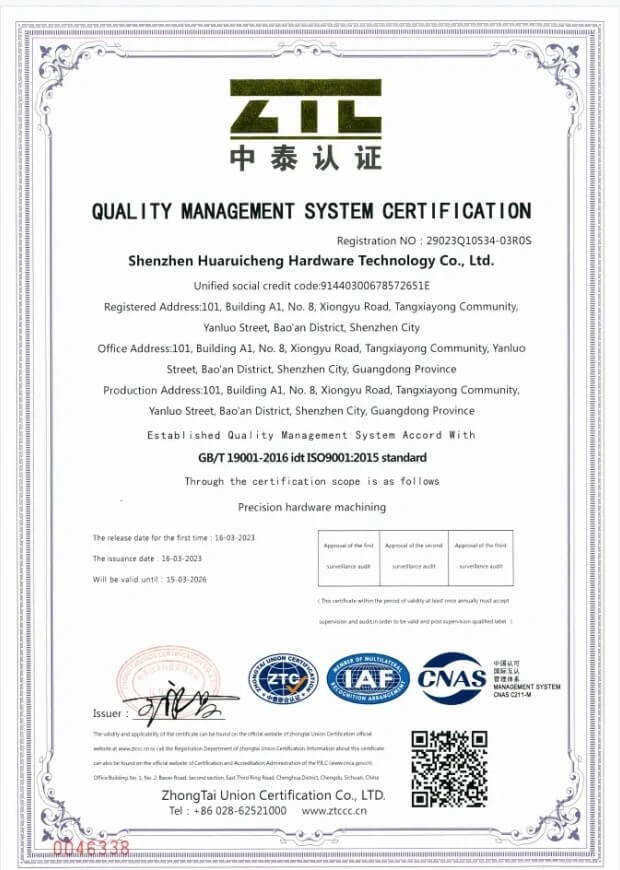
ISO 9001:2015
This certification demonstrates that our company follows internationally recognized quality management standards. It ensures consistent product quality, process optimization, and a strong focus on customer satisfaction.
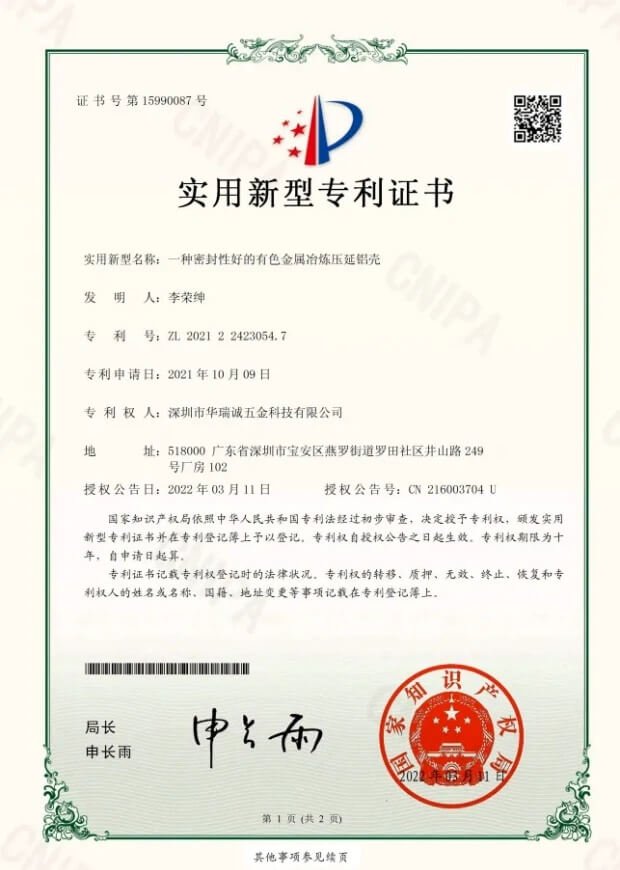
Patent Certificates
Our patents represent innovation and originality in manufacturing processes and product development. They highlight our ability to deliver unique solutions and maintain a competitive edge in the industry.
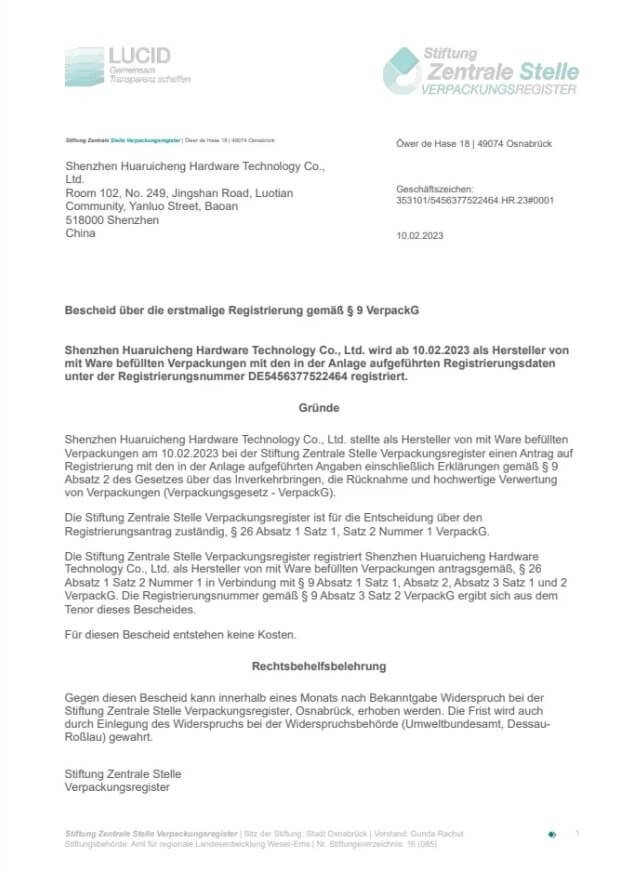
EPR-Certificate
As a compliant producer of goods-containing packaging, we can ensure our product packaging fully meets the regulatory requirements for the German market, this is our EPR-Certificate. Please contact us right now.
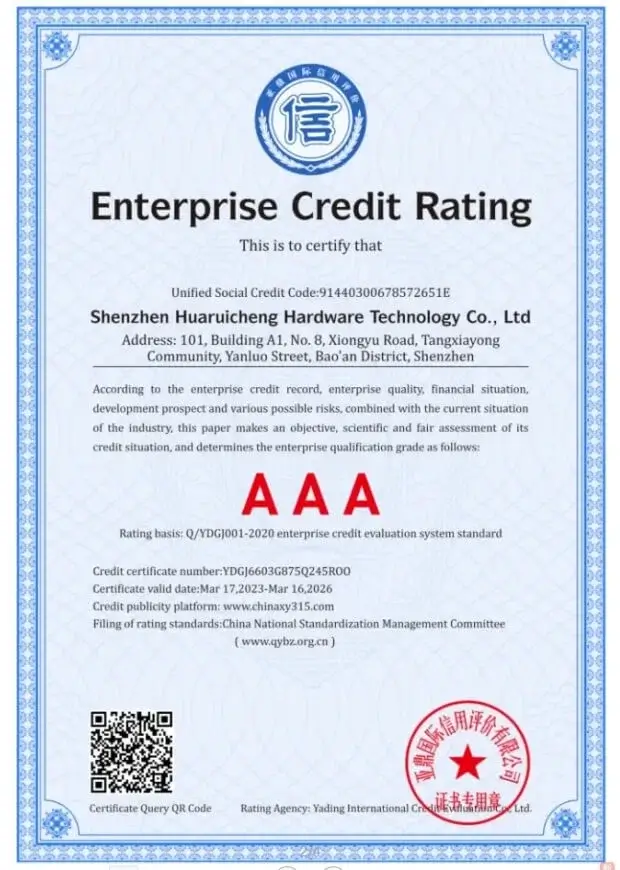
Enterprise Credit Rating Certificate
This certificate reflects our financial stability, business credibility, and trustworthy reputation in the industry. It reassures clients and partners that we are a reliable and long-term business partner.

Software Copyright Certificates
These certificates confirm ownership and protection of our self-developed software systems. They validate our technical expertise and guarantee the originality, security, and reliability of the digital tools we use in manufacturing.
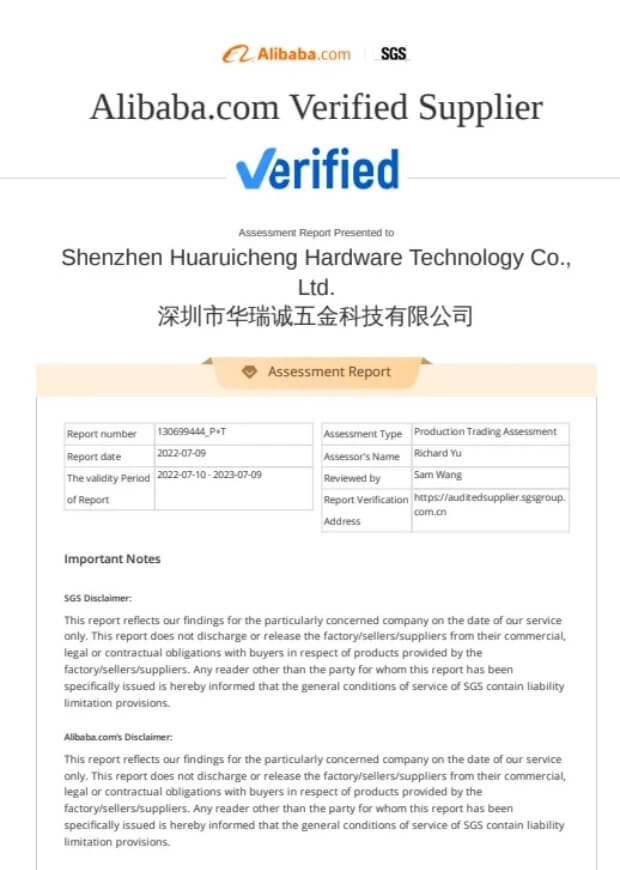
SGS and HRCCNC company certificate
This certificate verifies our company as an Alibaba.com SGS Verified Supplier, ensuring compliance and reliability for our cooperation, SGS and HRCCNC company certificate, please contact us right now.
What is Powder Coating?
Powder coating is an advanced dry finishing process used to apply a high-quality, protective layer to metallic surfaces. Unlike traditional liquid paint, this process utilizes an electrostatic spray to deposit a free-flowing, thermoset polymer powder onto carefully prepared metal parts. The coated components are then subjected to controlled oven temperatures, where the powder melts and chemically cross-links to form a skin that is significantly tougher than conventional finishes.
As a premier choice for commercial and industrial applications, this specialized coating service delivers exceptional resistance against corrosion, scratching, chipping, and UV fading. Our precision-engineered powder coating services provide uniform coverage across complex geometries while producing zero VOC emissions.
How Does Our Powder Coating Services Work?
At HRCCNC, our powder coating service follows a structured, precise process to ensure durable, uniform, and visually appealing finishes on all types of metal surfaces. Each stage, from surface preparation to quality control, is carefully executed to provide the highest-quality protective coating. This step-by-step workflow guarantees consistent results, long-lasting performance, and customizable finishes, whether for industrial, commercial, or custom projects. The following stages highlight how HRCCNC delivers professional powder coating services that protect and enhance your metal components.
Surface Preparation & Cleaning
HRCCNC begins the powder coating process by meticulously preparing and cleaning all metal surfaces. This includes removing oils, dirt, and oxidation, followed by sanding and pre-treatment to ensure a consistent texture. Proper surface preparation guarantees that the powder coating bonds effectively, resulting in a durable, corrosion-resistant, and long-lasting finish. Our attention to detail in this step ensures that every component is ready for high-quality coating application.

Electrostatic Powder Application
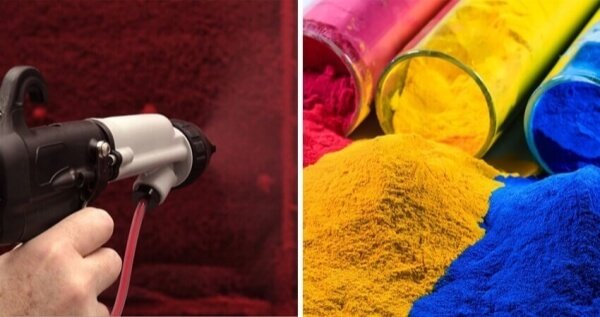
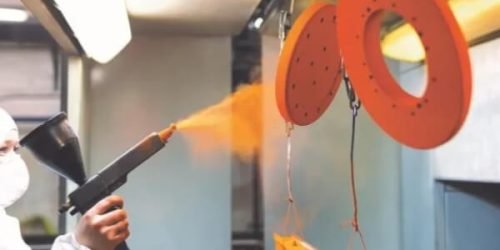
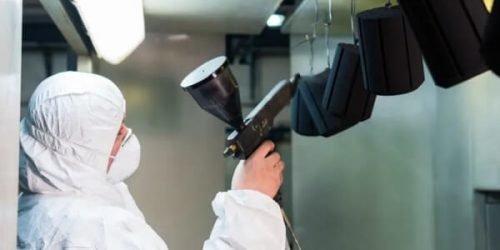
Next, the electrostatic powder application evenly distributes the coating across the prepared surfaces. We use advanced electrostatic spray equipment to charge the powder particles, allowing them to adhere uniformly, even on complex shapes or intricate components. This process reduces overspray, ensures consistent thickness, and produces a smooth, protective finish that enhances both appearance and durability.
Curing
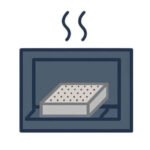
Once applied, the powder coating undergoes curing in a controlled oven, where it melts and chemically bonds to the metal. Then we manage temperature and curing time to achieve a hard, impact-resistant, and long-lasting finish. Proper curing ensures the coating resists chipping, peeling, and wear, making it ideal for high-performance and industrial applications.
Quality Control
Finally, we perform rigorous quality-control inspections on every part. Our team checks coating thickness, adhesion, and uniformity, ensuring each component meets ISO standards and client specifications. This stage guarantees that your metal parts receive consistent, high-performance finishes that provide maximum protection and aesthetic appeal, delivering confidence and reliability in every coated component.
Powder Coating Process
Surface Preparation
Surface preparation is a critical step. Proper cleaning and pretreatment ensure the coating adheres strongly and lasts longer. Methods include:
Degreasing to remove oils and contaminants.
Abrasive blasting to remove oxidation and create surface texture.
Chemical pretreatment for corrosion protection and improved adhesion.
A clean, well-prepared surface is essential for preventing defects such as bubbling or peeling.
Powder Application Methods
Common application methods include:
Electrostatic Spray – The most common method, offering excellent control, minimal waste, and suitability for complex shapes.
Fluidized Bed Coating – Used for thicker coatings or parts with simple shapes. The heated object is dipped into a bed of fluidized powder particles, which adhere upon contact.
Electrostatic Fluidized Bed – Combines advantages of electrostatic charging and fluidized beds for specialized applications.
Curing Process
Curing transforms the dry powder into a solid film. The coated part is placed in a convection or infrared oven. Key parameters include temperature (varies by powder type—thermoplastics need 120–180°C, thermosets 160–200°C) and time (10–30 minutes). Over-curing can cause discoloration or brittleness; under-curing leads to poor adhesion. After curing, the part cools to form a hard, scratch-resistant finish.
Types of Powder Coating We Offer
We offer a wide range of powder coating solutions, including epoxy, polyester, polyurethane, hybrid, thermoplastic, and thermoset powder coatings. The most suitable coating type depends on the application environment, durability requirements, and appearance specifications of your parts. HRCCNC ensures that each coating type is applied using advanced equipment and strict quality standards, providing long-lasting, protective, and visually appealing finishes for all your metal components.
Epoxy Powder Coating
Epoxy powder coating is a durable, corrosion-resistant coating ideal for indoor applications and metal parts exposed to moderate wear. Our epoxy coatings include high-performance powders formulated for adhesion and chemical resistance. We apply epoxy coatings using precise electrostatic spraying and controlled curing to ensure uniform coverage and strong adhesion. This coating protects metals from rust, corrosion, and surface damage, delivering a smooth, long-lasting finish that enhances the lifespan and aesthetics of your parts.
Polyester Powder Coating
Designed for weather-resistant durability, polyester powder coatings are suitable for both indoor and outdoor applications. HRCCNC offers standard and super-durable polyester powders that maintain gloss and color stability over time. We apply these coatings using advanced spray equipment and controlled curing, achieving a uniform and high-quality finish. This coating resists UV fading, corrosion, and environmental wear, ensuring your components remain vibrant and protected for years.
Polyurethane Powder Coating
For industrial-grade flexibility and impact resistance, polyurethane coatings provide tough protection for equipment and high-durability parts. Our powders are customizable for enhanced chemical resistance and finish options. HRCCNC applies polyurethane coatings with precision spraying and optimal curing, resulting in a resilient, hard finish. The outcome is superior protection against abrasion, chemicals, and mechanical impact, increasing the reliability and service life of coated components.
Hybrid Powder Coating
Hybrid coatings merge the advantages of epoxy and polyester, creating a finish with balanced corrosion resistance and UV stability. These coatings are engineered for versatile indoor and outdoor use. We ensure consistent adhesion and smooth finishes through advanced electrostatic application and precise curing. This solution delivers long-term protection across varied environments, maintaining consistent colour and gloss over time.
Thermoplastic Powder Coating
Thermoplastic coatings form a thick, impact-resistant layer that can remelt and reshape if necessary. Our powders include polyester, nylon, and PVC-based formulations suited for industrial and outdoor applications. We apply thermoplastic coatings using controlled heating and spraying, achieving a uniform, protective finish. This coating provides high abrasion and chemical resistance, offering easy maintenance and durability for high-traffic or exposed parts.
Thermoset Powder Coating
Thermoset coatings cure into a hard, chemically stable layer that cannot be remelted, offering exceptional durability. HRCCNC uses epoxy, polyester, and hybrid thermoset powders tailored to meet industrial and commercial specifications. Applied via electrostatic spray and controlled heat curing, this coating guarantees maximum adhesion, uniformity, and long-term protection. Thermoset finishes resist corrosion, impact, and environmental stress, providing maintenance-free, high-quality results.
What Materials Do We Powder Coat?
We powder coat aluminum alloys (5052-H32, 6061-T6, 7075-T6), stainless steel (304, 316L), mild and carbon steels (1018, 1045, 4140), copper, brass, die castings, CNC machined components, and sheet metal fabrications. Different metals exhibit unique thermal and electrical conductivity properties, our advanced coating service fine-tunes the electrostatic spray and oven-curing parameters for each specific metallurgy.
5052-H32 Aluminum
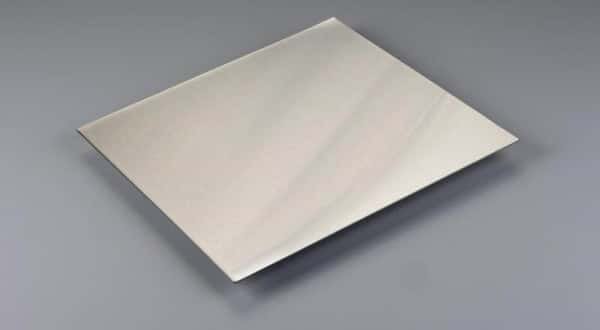
Valued for its exceptional natural corrosion resistance, 5052-H32 aluminum is a highly formable, marine-grade alloy. We apply the thermoset powder finish using automated electrostatic guns immediately after a strict de-ox pre-treatment to ensure maximum paint adhesion. This process blocks saltwater pitting and significantly extends the component’s operational lifespan in harsh outdoor environments.
6061-T6 Aluminum
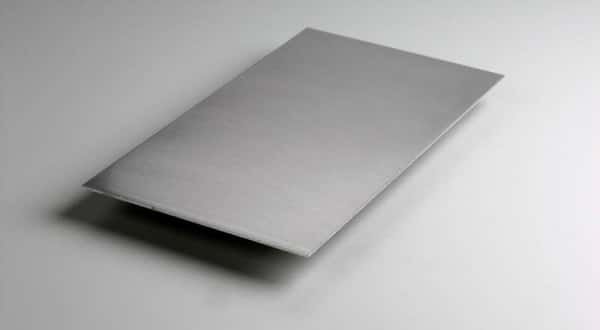
Structural applications demanding an excellent strength-to-weight ratio frequently rely on 6061-T6 aluminum. The powder application is performed directly on precision-cleaned surfaces before baking in a tightly regulated curing oven. This thermal processing creates an incredibly tough, scratch-resistant barrier that protects critical structural components from heavy mechanical wear.
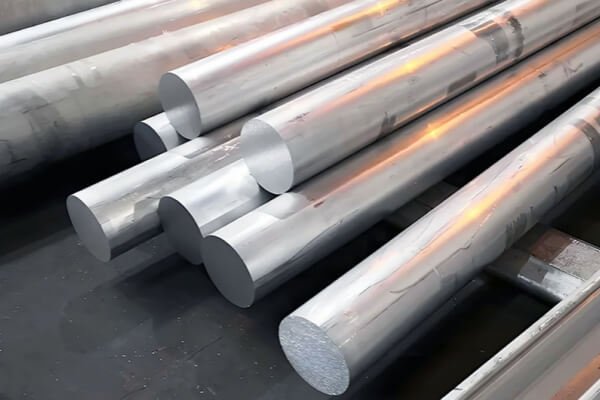
7075-T6 Aluminum
Managing thermal profiles is critical when processing 7075-T6 aluminum, an ultra-high-strength, aircraft-grade alloy. We coat these delicate parts using specialized low-temperature cure formulas to safeguard the metal’s tempered crystalline structure. The resulting application delivers high-performance abrasion resistance, making it ideal for demanding aerospace powder-coating needs.
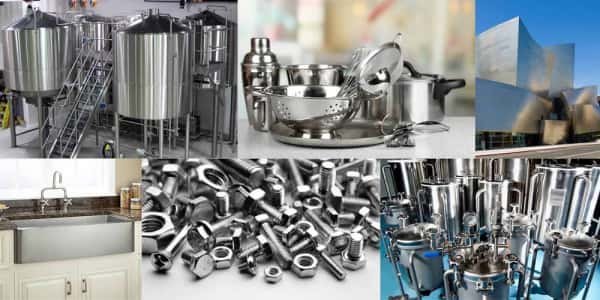
304 Stainless Steel
Commercial industries choose 304 stainless steel due to its superior chemical and rust resistance. Our technicians utilize aggressive mechanical blasting media to roughen the naturally smooth surface profile before spraying the powder. This optimized profile maximizes physical bonding, yielding an ultra-durable, hygienic finish that easily withstands strict industrial washdowns.
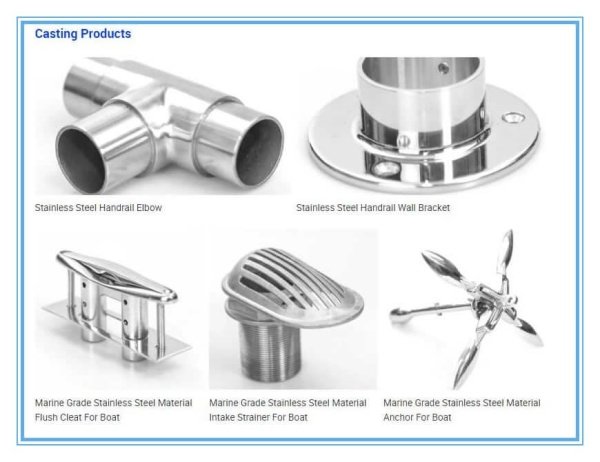
316L Stainless Steel
Severe chloride and aggressive chemical attacks are easily mitigated by 316L stainless steel, a specialized low-carbon, marine-grade metal. Electrostatic powder application is performed using premium fluoropolymer powders to enhance the underlying metallurgy’s natural resilience. This dual-layer system provides heavy-duty protection that thrives on offshore oil rigs and in medical environments.
1018 Mild Steel
For everyday industrial brackets and fixtures, 1018 mild steel offers a highly machinable, cost-effective low-carbon option. Because raw mild steel rusts quickly when exposed to moisture, we apply an iron phosphate undercoat before applying our custom powder coating. Such targeted workflow prevents flash rusting and delivers a long-lasting, vibrant exterior finish.
1045 Mild Steel
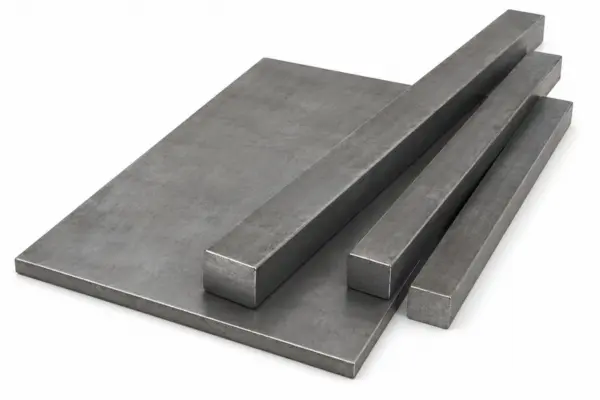
Manufacturing high-wear gears, shafts, and keyways often requires 1045 mild steel, a medium-carbon steel. We spray a rugged epoxy or polyester powder over a zinc-rich primer coat to build a thick, resilient protective shield. This multi-layer system greatly minimizes surface impact damage and friction-induced wear over long operational cycles.
4140 Carbon Steel
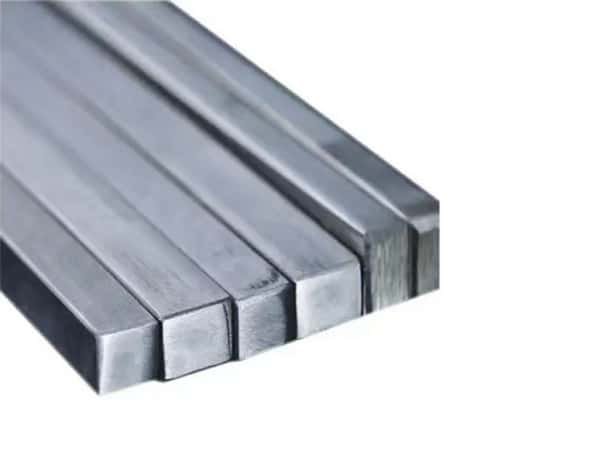
As a tough, high-tensile alloy steel, 4140 carbon steel is engineered to endure the heavy stresses of industrial machinery. The coating process features a precise pre-heating cycle to drive out deep surface contaminants before the powder is electrostatically applied. This specialized procedure maximizes film adhesion and ensures high heat-resistant powder coating performance.
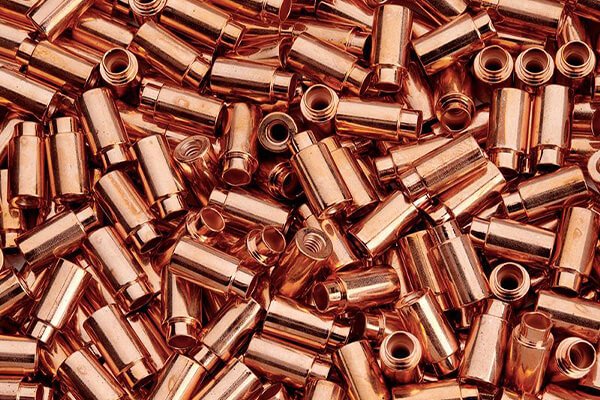
Copper Alloys & Brass
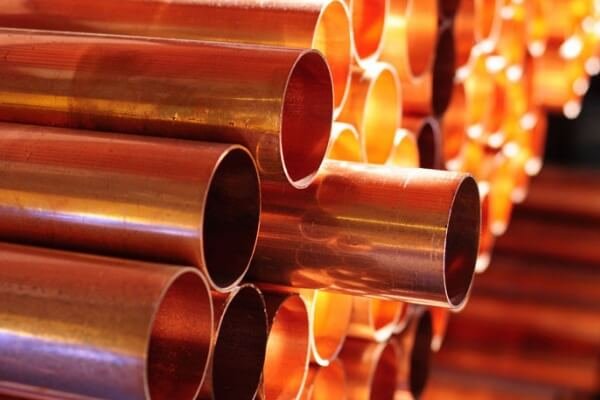
Preventing outgassing is the primary technical focus when finishing copper alloys & brass, which are highly conductive, non-ferrous metals. Our team bakes the raw parts first, then applies a clear coat or custom colored powder while the metal cools. This technique prevents surface blistering and permanently safeguards the underlying metal from tarnishing or oxidation.
Die Cast Aluminum Parts
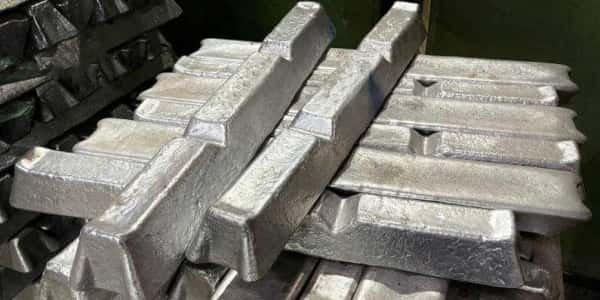
Microscopic air pockets are frequently trapped within the porous walls of die cast aluminum parts during the manufacturing process. We utilize a dedicated pre-bake cycle to vent these internal voids prior to entering the powder application booth. This preventative step completely eliminates surface pinholes, ensuring a smooth, uniform protective coat.
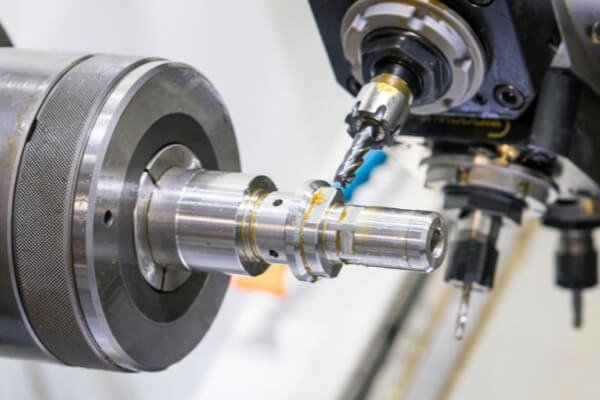
CNC Turned & Milled Components
Tight geometric tolerances and critical, sharp edges define CNC-turned & milled components, requiring precise handling. Our custom metal coating team applies a thin-film, high-flow powder layer to maintain exact dimensional clearances. This specialized application delivers flawless cosmetic appeal without compromising the engineered functionality of the machined parts.
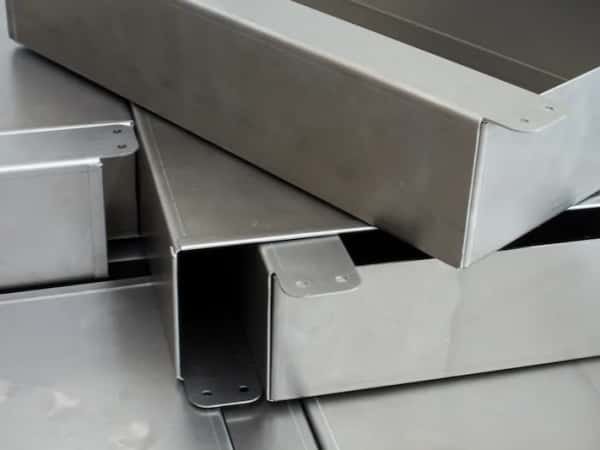
Sheet Metal Stampings & Fabrications
Intricate seams, sharp bends, and recessed welds are common characteristics of complex sheet metal stampings & fabrications. We deploy specialized Faraday-cage-shielded nozzles to direct the charged particles deep into tight corners and hidden areas. The process guarantees 100% uniform coverage, completely sealing the entire fabrication against moisture and rust.
Powder Coating Finishes & Colors We Offer
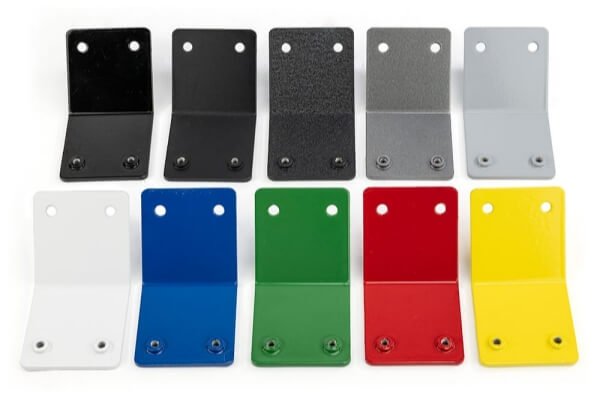
We offer gloss, matte, satin, metallic, textured, wrinkle, and clear coat finishes alongside custom color matching to meet your exact aesthetic and performance specifications. By utilizing advanced electrostatic spray techniques and varying our thermoset and thermoplastic powder formulations, we deliver highly durable surface characteristics with completely uniform film thickness.
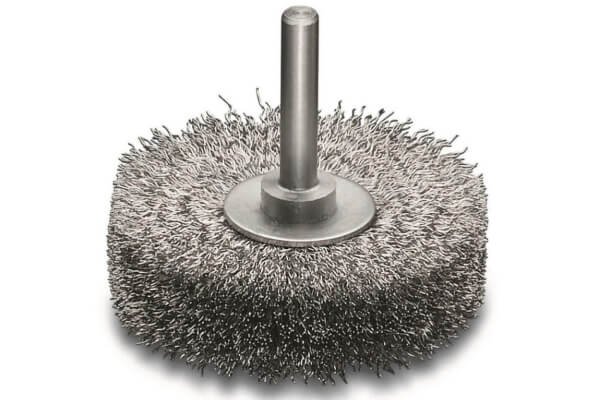
Gloss Finishes
Our team achieves this high-reflectance look by applying premium, high-flow polyester powders that cure into a glass-like surface. The resulting ultra-smooth topcoat maximizes light reflection and makes the treated component exceptionally easy to clean and wipe down.
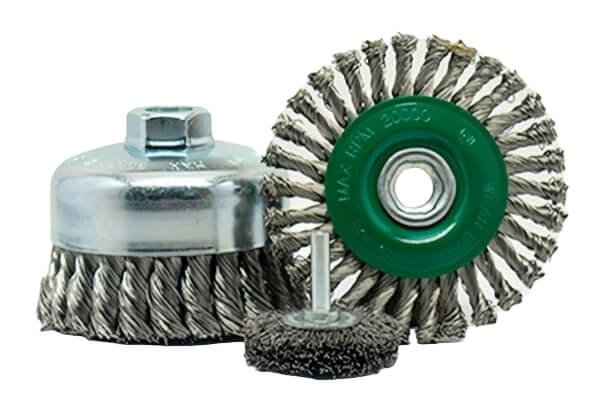
Matte Finishes
We carefully control the chemical matting agents within the powder formulation to eliminate surface sheen entirely. This specialized application minimizes glare and hides underlying metal imperfections or minor handling scratches from view.
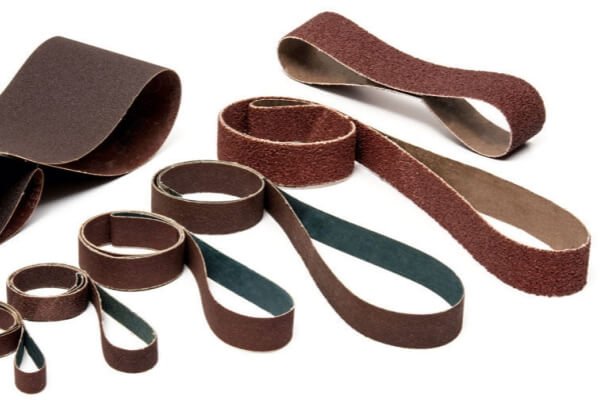
Satin Finishes
Our technicians apply intermediate-gloss formulations to establish a balanced, semi-reflective surface profile. This versatile option offers a clean, modern aesthetic that successfully resists prominent fingerprint smudges and superficial scuffs.
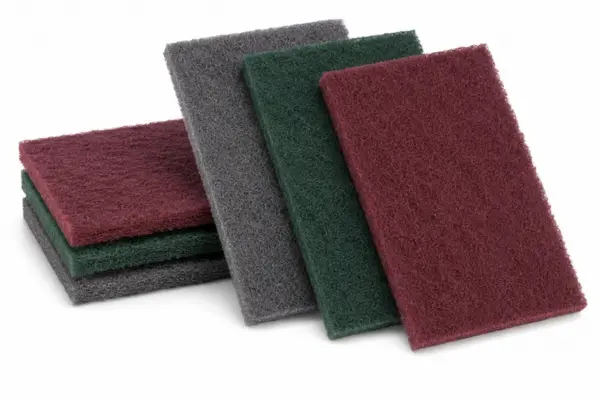
Metallic Finishes
By blending real aluminum or mica flakes directly into the electrostatic powder mixture, we create a deep, shimmering metallic appearance. This application catches the light dynamically and provides a premium, high-end look to structural and consumer hardware.
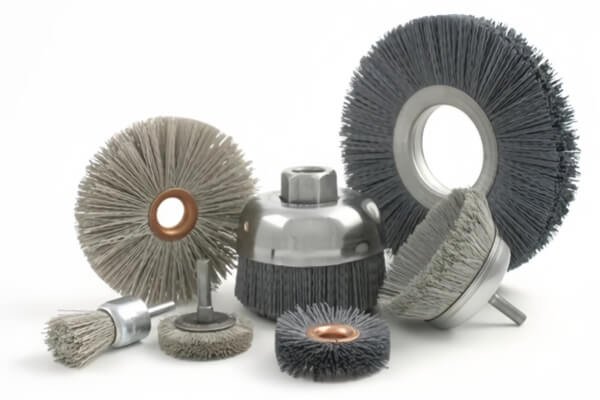
Textured Finishes
We introduce specific texturing additives during the manufacturing of the powder to produce a distinctly rough, tactile surface layer. This durable finish dramatically improves physical grip and conceals heavy mechanical wear or fabrication grinding marks.
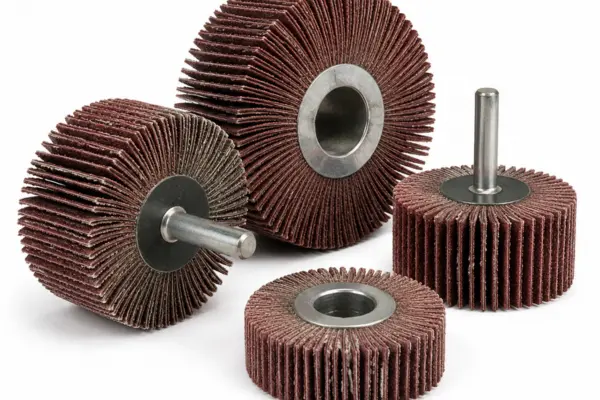
Wrinkle Finishes
Using a unique curing reaction, our ovens cross-link the powder into a tightly patterned, non-slip topographical shield. This heavy-duty layer increases the coating’s overall surface area, which helps dissipate heat and mask severe casting flaws.
Clear Coat Finishes
We spray an optically transparent acrylic or polyurethane top layer directly over raw metals or existing colors. This protective application seals the underlying substrate against oxidation and moisture while preserving the metal’s natural machined look.
Custom Color Matching
Our laboratory utilizes advanced spectrophotometer technology to analyze your exact color codes and formulate a precise chemical match. This tailored service ensures absolute brand consistency across multi-part assemblies and different production batches.
Why Choose HRCCNC for Powder Coating Services?
Choose HRCCNC for powder coating service because we combine technical expertise, advanced equipment, and strict quality standards to deliver finishes that protect, enhance, and extend the lifespan of your metal components. Our ISO-certified processes ensure precision and consistency across every project, while our integrated CNC machining and coating capabilities reduce handling errors and shorten lead times. With flexible order sizes, a broad range of finishes and colors, and dedicated quality inspections at every stage, HRCCNC provides reliable, high-performance coatings tailored to industrial, commercial, and custom applications, giving clients confidence, efficiency, and measurable value with every part we coat.
ISO Certified Powder Coating Process
Advanced Electrostatic Spray Equipment
Strict Surface Preparation Standards
Consistent Coating Thickness Control
Fast Turnaround & On-Time Delivery
Dedicated Quality Inspection at Every Stage
High Volume & Low Volume Order Capability
Custom Masking & Selective Coating Capability
Competitive Pricing & Transparent Quotes
What Our Powder Coating Service Clients Say About Us?
Request A Powder Coating Quote For Durable And Colorful Finishes.
What are the Benefits of Our Powder Coating Services?
The benefits of our powder coating services include long-lasting protection, enhanced aesthetics, and reduced maintenance, providing measurable value for industrial, commercial, and custom metal components. Each feature of HRCCNC’s process is designed to deliver performance, reliability, and efficiency, ensuring your investment in powder coating supports operational and visual goals.
Delivers a Durable, Scratch-Resistant Finish
Our powder coatings form a hard, resilient layer that withstands abrasions, knocks, and daily wear. This durability reduces surface damage, extends component life, and maintains a premium appearance, even in high-traffic or industrial environments.
Ensures Uniform Coverage on Complex Shapes
Using advanced electrostatic spraying, we achieve even coating on intricate geometries and recesses. This uniformity eliminates weak points, providing consistent adhesion and a professional finish on every surface.
Protects Against Corrosion, Rust & UV Fading
HRCCNC’s coatings act as a barrier against moisture, chemicals, and sunlight, preventing rust and environmental degradation. This protection ensures parts retain structural integrity and visual quality, reducing replacement or repair needs.
Reduces Long-Term Maintenance Costs
Powder-coated components require less upkeep due to their toughness and resistance to environmental stress. This lowers maintenance frequency and associated costs, providing long-term savings for your operations.
Produces Zero VOC Emissions
Our environmentally-friendly powders produce no volatile organic compounds, making them safe for indoor and outdoor use. This compliance with environmental standards supports sustainable operations without sacrificing performance.
Enables Full Color & Finish Customization
HRCCNC offers custom colors, textures, and finishes to match design or brand requirements. This flexibility enhances aesthetics and branding while maintaining the durability and protection of powder-coated surfaces.
Withstands High Temperatures & Harsh Conditions
Specialized coatings withstand extreme heat, chemical exposure, and severe weather, maintaining adhesion and appearance. This resilience ensures reliable performance and longevity in demanding applications.
Industries We Serve With Powder Coating
HRCCNC provides professional powder coating services across a variety of industries, including automotive, aerospace, medical, consumer electronics, robotics, energy, industrial machinery, telecommunications, and consumer goods. Our coatings enhance corrosion resistance, surface durability, aesthetic appeal, and operational performance for components operating in demanding environments, while offering custom finishes, complex shape coverage, and high-volume capability.
Automotive
Aerospace and Defense
Medical
Consumer Electronics
Robotics and Automation
Industrial Equipment & Machinery
Telecommunications
Energy Sector
Consumer Goods
Powder Coating vs Other Finishing Methods
| Aspects | Powder Coating | Wet Paint | Anodizing | Electroplating |
|---|---|---|---|---|
| Durability | Hard and scratch-resistant | Moderate – prone to chipping. | High – bonded layer adds hardness. | High – metallic coating protects surface. |
| Corrosion resistance | Resists rust and UV damage | Moderate – limited protection. | Excellent – especially for aluminum. | High – protects against oxidation. |
| Surface finish options | Offers gloss, matte, satin, textured, metallic, and custom colors | Varied – limited textures. | Limited – mainly metallic shades. | Moderate – mostly metallic finishes. |
| Environmental impact | Zero VOC emissions | High VOC emissions. | Low – minimal impact. | Medium – chemical baths pose concerns. |
| Maintenance | Reduces long-term upkeep | Medium – re-coating required. | Low – resistant to wear. | Low – long-lasting coating. |
| Complex shapes | Covers intricate geometries uniformly | Moderate – difficult coverage. | Good – masking may be needed. | Good – can plate complex parts. |
| Heat & chemical resistance | Withstands heat and chemicals. | Moderate – limited resistance. | High – excellent resistance. | High – strong chemical/heat resistance. |
| Turnaround time | Allows fast processing | Slower – extended drying. | Moderate – batch-dependent. | Moderate – plating time varies. |
What are the Factors That Affect Powder Coating Quality?
The factors that affect powder coating quality includes material preparation, application parameters, or environmental conditions can result in uneven coating, poor adhesion, or reduced durability. Understanding these factors helps ensure consistent, long-lasting, and visually appealing finishes for industrial, commercial, and custom applications.
▶ Material Type and Surface Condition
The type of metal and its surface condition directly impact powder adhesion and finish consistency. HRCCNC evaluates aluminum, steel, stainless steel, and copper alloys and removes oil, grease, oxides, or dust before coating. Proper surface preparation ensures the coating bonds effectively, preventing peeling or flaking and extending the component’s service life.
▶ Coating Thickness
Powder coating thickness determines both protection and appearance. Too thin a layer may leave the substrate vulnerable to corrosion or wear, whereas excessive thickness can cause uneven curing or texture defects. HRCCNC carefully monitors spray parameters and coverage to maintain optimal thickness, delivering durable and uniform finishes on every part.
▶ Oven Temperature and Curing Time
The curing stage is critical for achieving a hard, resilient coating. HRCCNC precisely controls oven temperature and curing duration based on powder type and part geometry. Incorrect settings can lead to under-cured, soft surfaces or over-cured coatings that may crack, whereas proper curing ensures maximum adhesion, chemical resistance, and impact durability.
▶ Environmental Conditions
Ambient conditions during application, including humidity, temperature, and airflow, influence powder coating quality. HRCCNC maintains controlled environments to prevent defects like orange peel, uneven coverage, or poor adhesion. Proper environmental control ensures consistent finish, aesthetic appeal, and long-term durability.
How Much Does Powder Coating Cost?
Powder coating ranges from $75 to $300 per item, reflecting a combination of material, process complexity, and desired finish quality. Larger or intricately shaped parts require more precise surface preparation and powder application, ensuring uniform coverage and long-lasting protection. Different metals, such as aluminum, stainless steel, or carbon steel, necessitate tailored preparation methods, improving adhesion and corrosion resistance.
The type of powder coating and finish, whether standard polyester, high-durability epoxy, metallic, or textured coatings, affects both material and labor requirements, delivering a finish that withstands environmental stress, maintains aesthetic appeal, and reduces maintenance costs. Additional factors, such as custom masking, selective coating, and order volume, are incorporated to guarantee consistent results without compromising quality or performance.
FAQs About Powder Coating
What Materials Can Be Powder Coated?
Powder coating can be applied to most electrically conductive metals, including steel, stainless steel, aluminum, galvanized steel, and cast iron. These materials allow the powder to adhere properly during the electrostatic application process. Components such as brackets, enclosures, panels, frames, and fabricated metal parts are commonly powder coated for protection and appearance.
What Products Can't Be Powder Coated?
Products made from materials that cannot withstand curing temperatures are generally unsuitable for powder coating. Examples include most plastics, rubber components, wood, foam, and heat-sensitive assemblies. Parts containing electronic components, adhesives, or non-removable materials that may be damaged during the curing process also require alternative finishing methods.
How Long Does Powder Coating Last?
Powder coating lasts between 10 and 20 years, depending on environmental exposure, coating quality, surface preparation, and application conditions. Indoor applications often achieve longer service life, while outdoor components benefit from enhanced resistance to corrosion, UV exposure, moisture, and wear compared to many conventional liquid paint systems.
What is the Minimum Order Quantity for Powder Coating?
The minimum order quantity for powder coating varies depending on part size, coating requirements, color selection, and production setup. Many powder coating providers accommodate both prototype and production runs, including single parts and low-volume batches. Contacting the coating facility directly is the best way to confirm minimum order requirements.
How Long Does the Powder Coating Process Take?
The powder coating process typically takes 1-5 business days, depending on project complexity, part quantity, coating specifications, and production scheduling. The process includes surface preparation, powder application, curing, cooling, and quality inspection. Larger production orders or custom color requirements may require additional processing time before shipment.
Can You Match Custom Colors for Powder Coating?
Yes, we can match custom powder coating colors based on RAL codes, Pantone references, brand specifications, or customer-provided samples, whereas the final color match depends on powder availability, finish type, and production requirements.
What is the Difference Between Matte and Gloss Powder Coating?
Gloss powder coating features a high reflectivity level, ranging from 70% to over 90%, which enhances color vibrancy and creates a smooth, easy-to-clean surface, whereas matte powder coating has a low reflectivity level of 0% to 10%, offering a modern, non-glare appearance that better conceals fingerprints, scratches, and minor surface imperfections.
Do You Offer Selective or Masked Powder Coating?
Yes, we offer selective and masked powder coating services to keep specific areas such as threads, mating surfaces, grounding points, and precision contact areas free from coating, whereas the remaining surfaces receive a complete powder-coated finish for protection, durability, and appearance.
Can Powder Coating Be Applied to CNC Machined Parts?
Yes, powder coating can be applied to CNC machined parts which are made from aluminum, steel, stainless steel, and other conductive metals. Proper surface preparation ensures strong adhesion and a uniform finish. Powder coating improves corrosion resistance, durability, and appearance while maintaining the dimensional integrity required for many precision-machined components.