 Skip to content

Custom CNC Sheet Metal Bending Services
Transform flat metal stock into precise 3D components, from brackets to frames, with reliable CNC sheet metal bending. At HRCCNC, our ISO 9001:2015-certified processes and advanced CNC press brakes deliver controlled bend angles and tight tolerances across aluminum, stainless steel, and galvanized steel, ensuring parts meet exact assembly requirements for both prototypes and production runs, with integrated cutting and finishing options.
Upload your CAD file online to receive a fast quote and begin your sheet metal bending project with DFM engineering support and worldwide shipping.
- Delivers precise, repeatable bends across a wide range of materials and thicknesses
- Reduces material waste through optimized bend calculations
- Scales cost-effectively from prototypes to high-volume production
- Integrates cutting, bending, and finishing in one seamless workflow
- Fast online quotes, engineering support, and worldwide shipping
Our Certifications
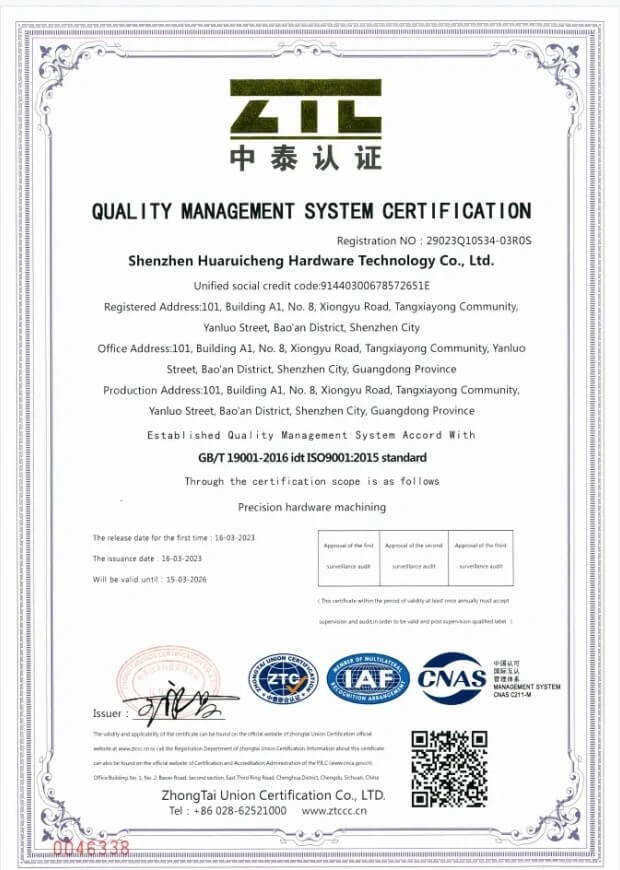
ISO 9001:2015
This certification demonstrates that our company follows internationally recognized quality management standards. It ensures consistent product quality, process optimization, and a strong focus on customer satisfaction.
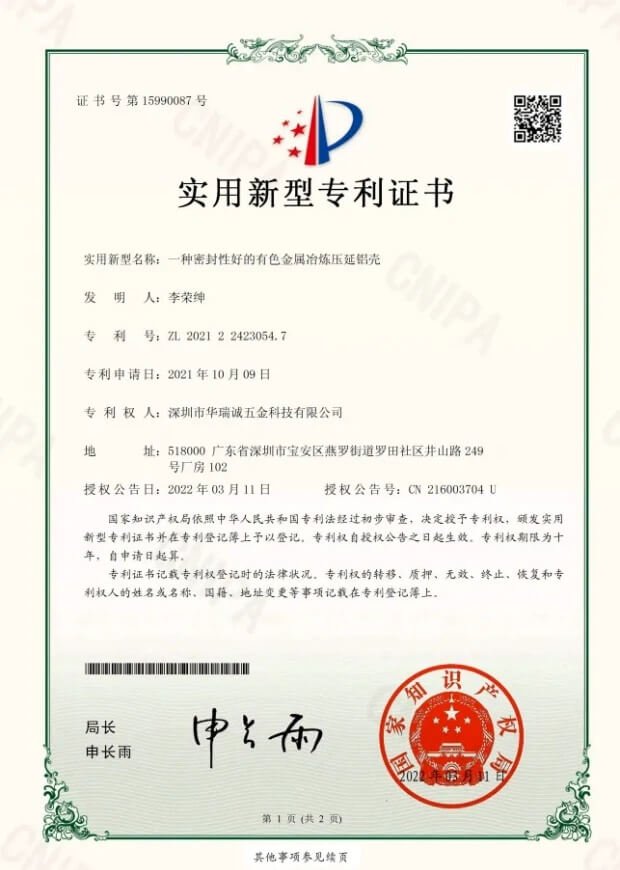
Patent Certificates
Our patents represent innovation and originality in manufacturing processes and product development. They highlight our ability to deliver unique solutions and maintain a competitive edge in the industry.
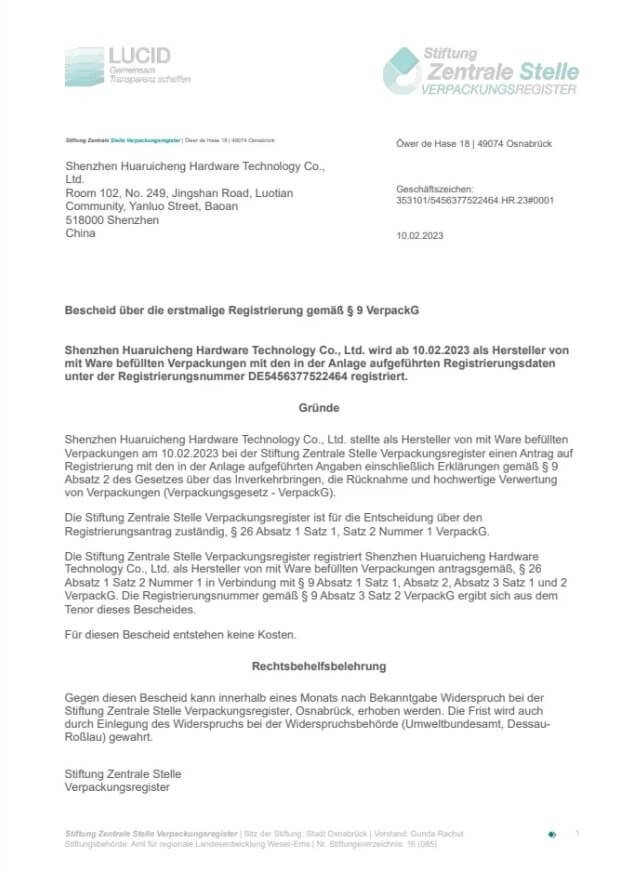
EPR-Certificate
As a compliant producer of goods-containing packaging, we can ensure our product packaging fully meets the regulatory requirements for the German market, this is our EPR-Certificate. Please contact us right now.
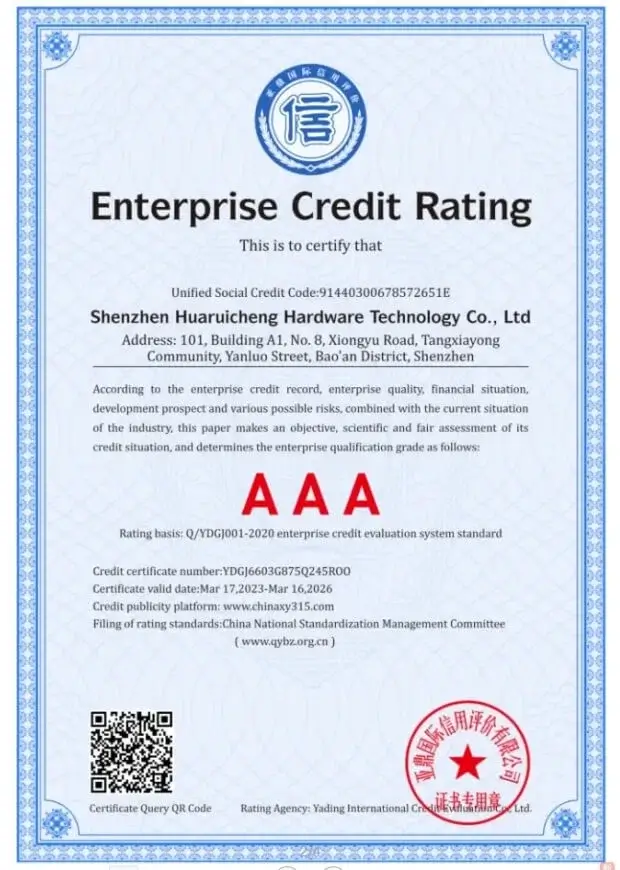
Enterprise Credit Rating Certificate
This certificate reflects our financial stability, business credibility, and trustworthy reputation in the industry. It reassures clients and partners that we are a reliable and long-term business partner.

Software Copyright Certificates
These certificates confirm ownership and protection of our self-developed software systems. They validate our technical expertise and guarantee the originality, security, and reliability of the digital tools we use in manufacturing.

SGS and HRCCNC company certificate
This certificate verifies our company as an Alibaba.com SGS Verified Supplier, ensuring compliance and reliability for our cooperation, SGS and HRCCNC company certificate,please contact us right now.
What Is Sheet Metal Bending?
Sheet metal bending is a precision manufacturing process that applies force to transform flat metal sheets into complex, three-dimensional components by inducing permanent deformation along a specific axis. The process involves using a CNC press brake, which drives a punch into the metal, pressing it against a die and forcing the material into the desired shape. This process reshapes flat metal sheets into precise angles and geometries through controlled forming operations.
The resulting bent parts retain strong structural performance when proper bend radius and material parameters are applied. As the material is formed rather than cut or joined. While cold-rolled steel, stainless steel, and aluminum are the most common materials used in our bending services, we can also process copper, brass, and titanium to meet specific project needs. Regardless of the material, every bend is calculated to account for factors such as springback and bend allowance, ensuring the final product meets your exact design specifications.
Sheet Metal Bending Methods We Offer
Every project requires a tailored approach to balance accuracy, surface quality, and production efficiency. By using a diverse range of sheet metal bending methods, we optimize each job for the perfect balance of speed and cost-effectiveness.
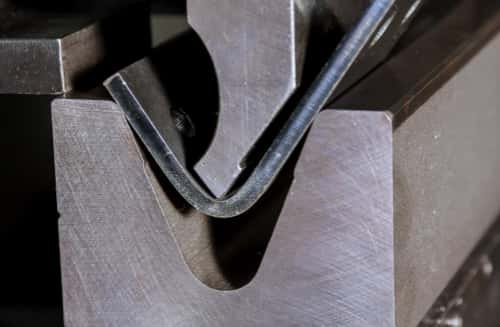
V-Bending
V-bending is the most widely utilized technique in the industry, involving a V-shaped die and a matching punch that presses the sheet into the center of the opening. This method includes three distinct sub-types: air bending, bottoming, and coining, allowing precise control over the pressure applied to your part. Suitable for common materials such as steel, aluminum, and stainless steel, it efficiently produces simple angles like 90° and 45°. This adaptability makes it a cost-effective solution for mass-producing standard brackets, panels, and housings without the need for complex custom tooling.

U-Bending
U-bending is a specialized forming process for creating U-shaped profiles using a dedicated U-die and a corresponding punch. The punch pushes the sheet metal into the U-die, bending both sides upward to form parallel edges and a flat bottom. A pressure pad maintains sheet stability throughout, ensuring both sides are identical in height and angle. This symmetry makes it ideal for producing channels, U-brackets, and shallow enclosures that require a stable, consistent hollow structure, thereby reducing dimensional variations.
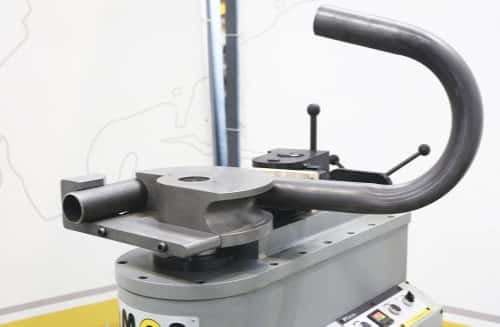
Rotary Bending
Rotary bending utilizes a rotating cylinder, known as a “rocker,” to fold the metal sheet over a stationary anvil or mandrel. Unlike traditional punch-and-die methods, the rolling motion distributes stress more evenly across the material, reducing springback and the risk of cracking. This makes it particularly well-suited for long sheet-metal parts and high-hardness materials, such as thick steel plates. Its non-marking quality also makes it the premier choice for pre-painted or polished surfaces, preserving the material’s aesthetic finish throughout the forming cycle.
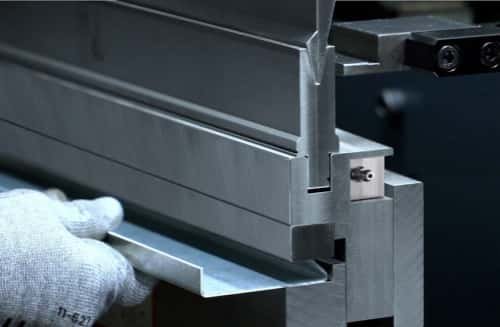
Hemming
Hemming is a two-stage finishing method where the edge of a metal sheet is folded back 180 degrees onto itself. The process begins with a preliminary 90° bend, followed by a flattening operation that compresses the hem tightly against the main sheet body. This eliminates sharp raw edges, improving both safety and aesthetics, while doubling the material thickness at the edge to significantly increase stiffness. It is widely used in automotive body panels, appliance casings, enclosures, and cabinet doors where a clean, reinforced edge is essential.
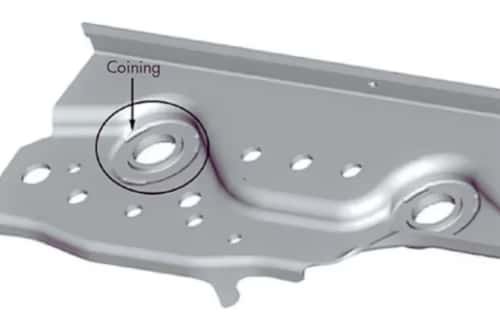
Coining
Coining is a high-pressure, precision method in which the punch descends with sufficient force to press the sheet metal tightly between the punch and die, minimizing the gap between the punch, material, and die. This extreme pressure forces the metal to fully conform to the die’s shape, significantly reducing springback and delivering incredibly tight radii with high geometric consistency. It is well-suited for parts requiring strict dimensional tolerances, such as precision components in electronics or medical devices. For your most critical applications, coining minimizes the need for manual adjustments during final installation.

Air Bending
Air bending is a flexible technique where the punch presses the material into the die without forcing it against the die walls, leaving a gap at the bottom. The bend angle is determined solely by the punch’s travel depth, allowing quick adjustments without replacing the die. While slight springback may occur, it is easily compensated through pre-calculations, and a wide range of bend angles and radii. This efficiency reduces lead times and tooling costs, making it the ideal choice for rapid prototyping and diverse production runs.
Materials Used for Sheet Metal Bending
Every project requires a tailored approach to balance accuracy, surface quality, and production efficiency. By using a diverse range of sheet metal bending methods, we optimize each job for the perfect balance of speed and cost-effectiveness.
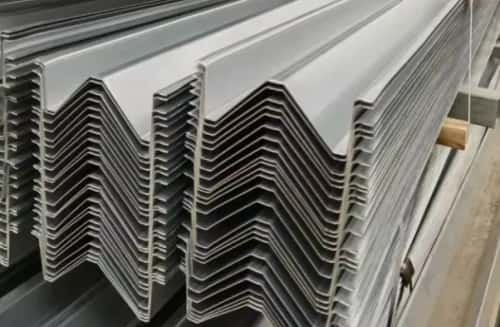
Cold Rolled Steel (CRS)
This low-carbon steel offers a smoother surface finish and predictable springback than hot rolled steel. Its excellent formability allows for crisp flanges and tight radii. We use CNC press brakes to create precise, cost-effective brackets and high-strength frames.
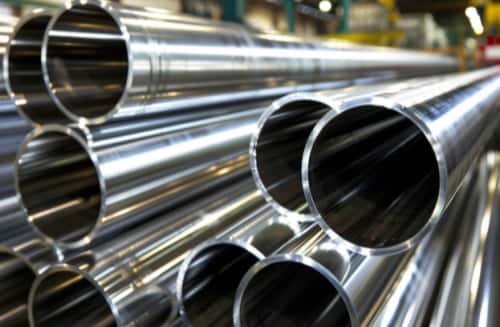
Stainless Steel
This chromium-rich alloy provides exceptional corrosion resistance but exhibits significant work hardening. Its high strength requires higher tonnage and polished tools. We use protective films and larger radii to ensure clean, blemish-free aesthetic finishes.
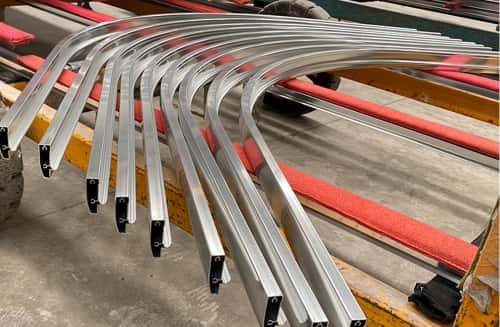
Aluminum
Lightweight and corrosion-resistant. 5052-H32 bends well; 6061-T6 typically requires larger bend radii or alternative forming strategies to reduce cracking risk. Excellent for bending aluminum sheet metal in aerospace and electronics.
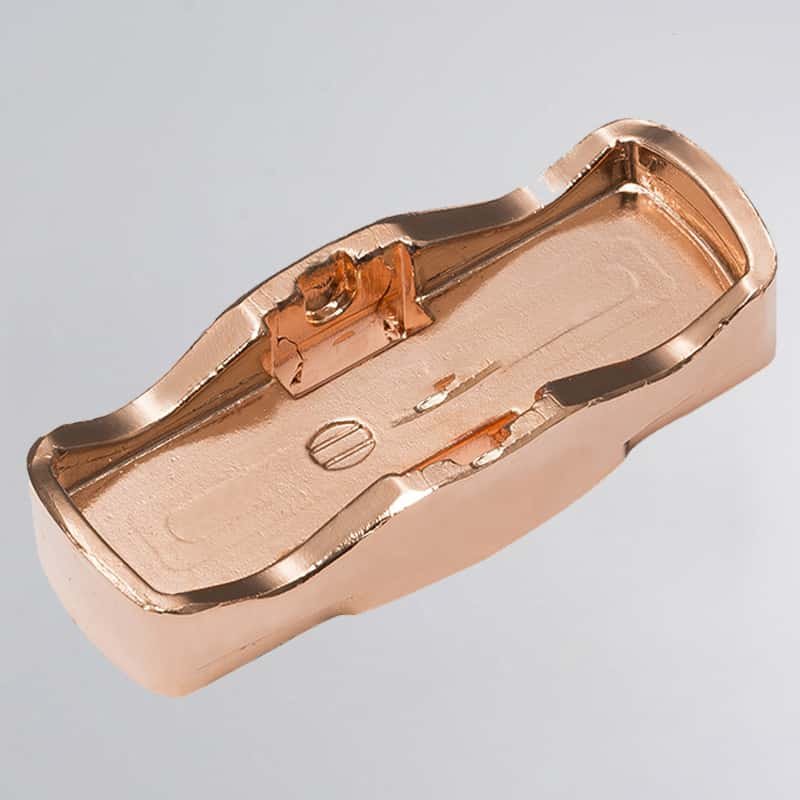
Copper
Known for unmatched thermal conductivity, copper is a highly ductile, soft metal. It forms intricate shapes easily without losing structural properties. Our precision dies accommodate its softness to ensure accurate, scratch-free electrical busbars.
Brass
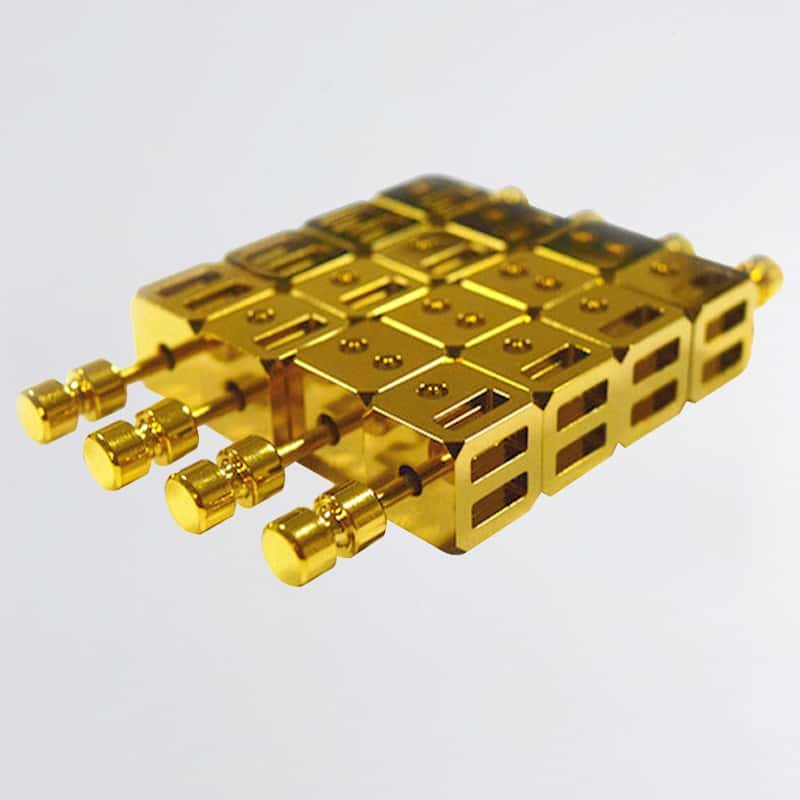
Brass is a copper-zinc alloy that combines moderate strength with excellent corrosion resistance and aesthetics. It is more rigid than copper but retains good formability. We monitor grain direction carefully to produce durable, fracture-free architectural hardware.
Galvanized Steel
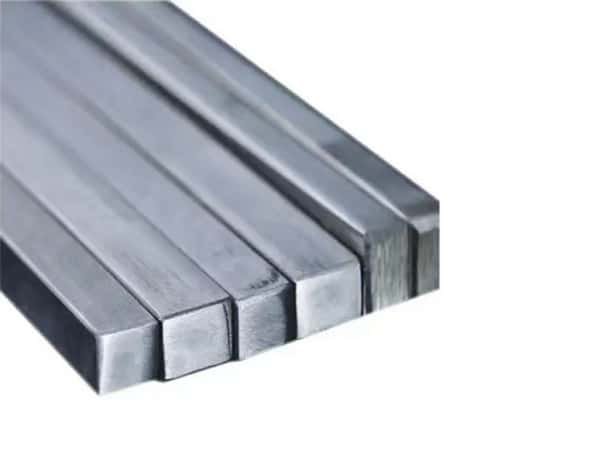
This carbon steel features a protective zinc coating to prevent oxidation and rust. It offers high strength with added chemical protection. We utilize specialized tooling to prevent coating flaking during the intensive bending process.
Hot Rolled Steel
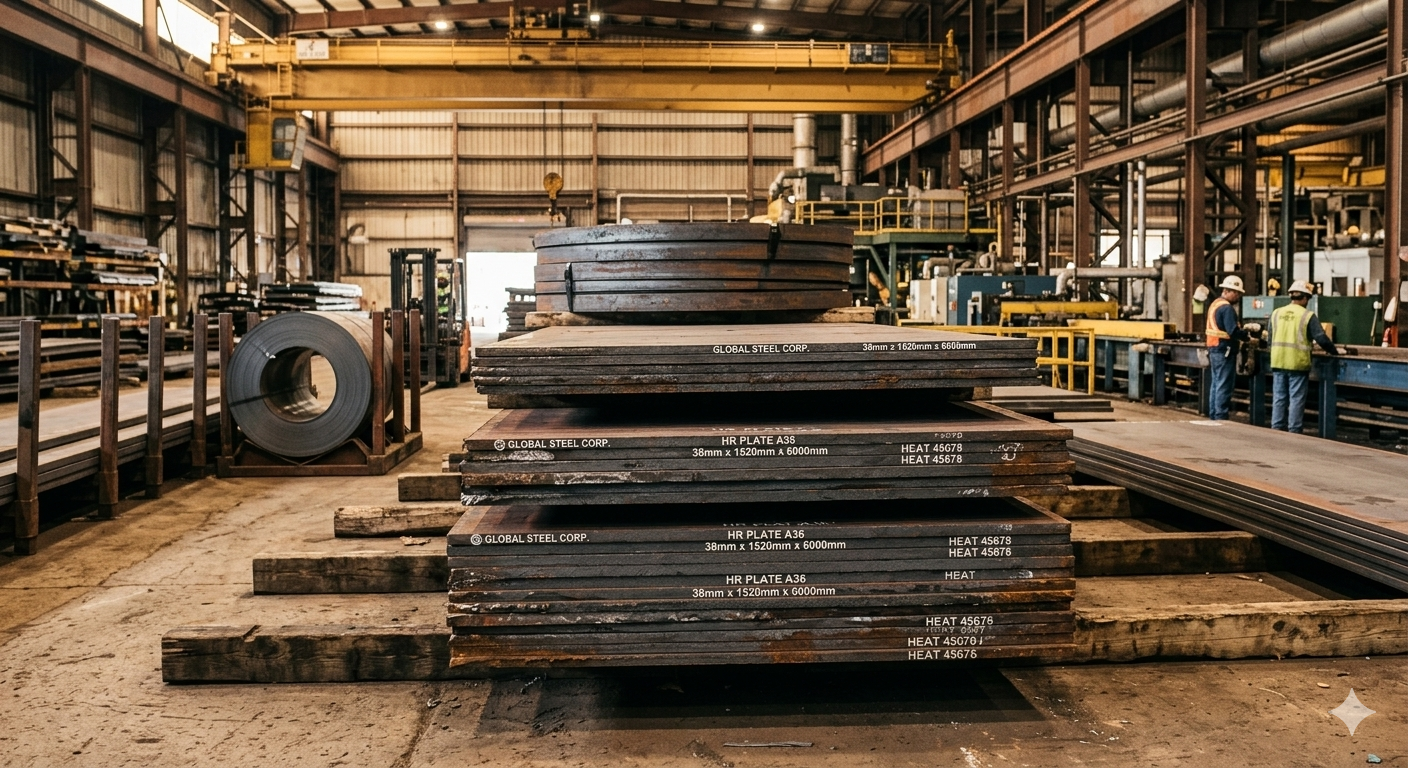
Processed at high temperatures, this malleable steel is ideal for heavy-duty structural parts. It provides high structural strength at a lower cost. We apply increased tonnage during bending to reliably form durable industrial components.
Titanium
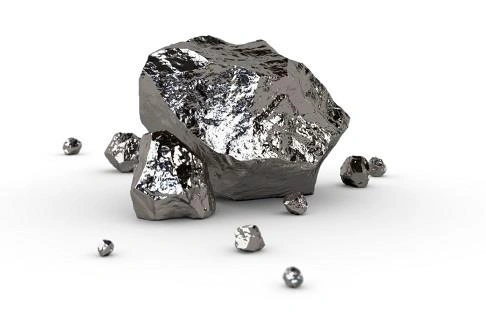
Titanium offers an excellent strength-to-weight ratio with extreme chemical resistance. Its high strength and springback tendency make precision forming more challenging. We use high-precision CNC controls and steady pressure to manage its intense springback.
Comparison of Sheet Metal Bending Methods & Materials
Different sheet metal bending methods vary in how they apply force, control bend angle, and handle material behavior during forming. The selected bending process impacts accuracy, surface finish, springback, and production efficiency. Material choice, such as aluminum, stainless steel, or mild steel, also affects bend radius, force requirement, and final part quality.
| Best Materials | Bending Method | Advantages | Limitations | Common Applications |
|---|---|---|---|---|
| Mild steel, stainless steel, aluminum | V-Bending | Flexible angle control, supports wide material thickness, cost-effective | Moderate springback, requires angle adjustment | Brackets, panels, and general sheet metal parts |
| Mild steel, aluminum, galvanized steel | U-Bending | Creates deep channels, stable forming for structural parts | Limited flexibility in angle variation | Channels, frames, support structures |
| Aluminum, stainless steel, coated metals | Rotary Bending | Clean surface finish, minimal marking, low friction forming | Specialized tooling required | Visible panels, decorative components, enclosures |
| Aluminum, stainless steel, copper | Hemming | Strengthens edges, removes sharp edges, and improves safety | Limited to edge forming, multi-step process | Enclosures, automotive panels, appliance parts |
| Stainless steel, high-strength steel | Coining | High precision, minimal springback, tight tolerances | High force required, tool wear increases | Precision components, aerospace parts |
| Aluminum, mild steel, brass | Air Bending | Low force requirement, flexible angle control, fast setup | Less accurate without compensation, springback present | Prototypes, low to medium volume production |
Techniques & Principles We Apply for Sheet Metal Bending
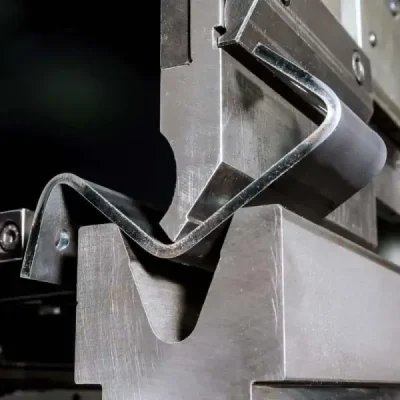
Bending reshapes sheet metal around a neutral axis that shifts depending on the material and bend conditions. The outside fibers stretch; the inside compress. Managing radius, tonnage, and grain direction ensures consistent angles and prevents cracking when you bend sheet metal parts.
Elastic Deformation
We begin every sheet metal bending operation by carefully managing elastic deformation, the initial stage in which the material responds to force like a spring. In professional metal fabrication, identifying the limit of this phase is crucial for determining exactly how much force our CNC press brakes must apply to initiate permanent deformation without compromising the material's integrity.
Plastic Deformation
To permanently shape your components, we apply a force that exceeds the metal's yield strength, triggering plastic deformation to lock the material into its final, rigid form. This displacement of the internal molecular structure is the heart of the bending process, allowing us to form the durable, high-quality angles required for structural components in the electronics and automotive sectors.
Springback Effect
The springback effect represents the tendency of metal to slightly relax after the punch is released, a challenge we overcome through precise, automated over-bending calculations. Because the final angle will always be slightly wider than the formed angle, our technicians use advanced CNC sheet metal bending software to compensate for this elastic recovery, ensuring accurate and repeatable bend geometry.
Bend Allowance
Bend allowance is our foundational calculation for determining the exact amount of material required to form a precise bend at any specified angle or radius. Because the outside of the metal stretches while the inside compresses, an accurate bend allowance is essential to ensure that your sheet metal parts retain their correct overall dimensions after forming is complete.
Bend Deduction
We use bend deduction to accurately calculate the flat pattern length, accounting for material growth during the bending process to ensure your parts meet tight dimensional tolerances. By calculating precise deductions during the DFM phase, we ensure that complex assemblies fit together perfectly without the need for manual trimming or costly adjustments.
K-Factor
The K-Factor serves as our mathematical blueprint for identifying the neutral axis, allowing us to predict exactly how the material will behave during high-precision CNC bending. This ratio varies with material type and thickness; calculating it correctly allows us to maintain extreme accuracy for the high-tolerance projects required in the aerospace and medical industries.
Grain Direction
We strategically orient every part relative to the metal’s grain direction to ensure your finished components possess maximum structural strength and remain free of stress-induced cracks. By analyzing the sheet's longitudinal grain before production, we provide custom metal parts that can withstand tighter bend radii and higher operational stresses.
Elastic Deformation
We begin every sheet metal bending operation by carefully managing elastic deformation, the initial stage in which the material responds to force like a spring. In professional metal fabrication, identifying the limit of this phase is crucial for determining exactly how much force our CNC press brakes must apply to initiate permanent deformation without compromising the material's integrity.
Plastic Deformation
To permanently shape your components, we apply a force that exceeds the metal's yield strength, triggering plastic deformation to lock the material into its final, rigid form. This displacement of the internal molecular structure is the heart of the bending process, allowing us to form the durable, high-quality angles required for structural components in the electronics and automotive sectors.
Springback Effect
The springback effect represents the tendency of metal to slightly relax after the punch is released, a challenge we overcome through precise, automated over-bending calculations. Because the final angle will always be slightly wider than the formed angle, our technicians use advanced CNC sheet metal bending software to compensate for this elastic recovery, ensuring accurate and repeatable bend geometry.
Bend Allowance
Bend allowance is our foundational calculation for determining the exact amount of material required to form a precise bend at any specified angle or radius. Because the outside of the metal stretches while the inside compresses, an accurate bend allowance is essential to ensure that your sheet metal parts retain their correct overall dimensions after forming is complete.
Bend Deduction
We use bend deduction to accurately calculate the flat pattern length, accounting for material growth during the bending process to ensure your parts meet tight dimensional tolerances. By calculating precise deductions during the DFM phase, we ensure that complex assemblies fit together perfectly without the need for manual trimming or costly adjustments.
K-Factor
The K-Factor serves as our mathematical blueprint for identifying the neutral axis, allowing us to predict exactly how the material will behave during high-precision CNC bending. This ratio varies with material type and thickness; calculating it correctly allows us to maintain extreme accuracy for the high-tolerance projects required in the aerospace and medical industries.
Grain Direction
We strategically orient every part relative to the metal’s grain direction to ensure your finished components possess maximum structural strength and remain free of stress-induced cracks. By analyzing the sheet's longitudinal grain before production, we provide custom metal parts that can withstand tighter bend radii and higher operational stresses.
Sheet Metal Bending Machines We Use
HRCCNC uses advanced sheet metal bending machines to handle a range of part geometries, material thicknesses, and production volumes. Our setup includes CNC press brakes for precision sheet metal bending, manual press brakes for simple or low-volume tasks, and folding machines for large panels and clean bends. This combination allows us to select the most suitable machine for each project, ensuring accurate bend angles, consistent results, and efficient production across custom sheet metal parts.
Multi-axis backgauges, offline programming, and angle-measuring systems deliver repeatable bending sheet metal results at scale. Ideal for tight tolerances and complex parts in professional sheet metal bending services.
Great for low-volume and R&D work. Skilled operators can to bend complex sequences using segmented tooling and careful gauging.
Clamp-and-fold action keeps the workpiece stationary and moves the beam—excellent for long panels, cabinets, and painted parts where minimal marking is critical.
Comparison Between Sheet metal Bending Machines
| Machine Type | Best Use Case | Accuracy Level | Material Thickness Support | Production Speed | Advantages | Limitations |
|---|---|---|---|---|---|---|
| CNC Press Brakes | Precision parts, complex geometries, high-volume production | High (±0.1 mm to ±0.5 mm) | Wide range from thin to thick metal sheets | High | Accurate bend angle control, repeatable results, supports complex parts | Higher setup cost, requires programming |
| Manual Press Brakes | Simple bends, low-volume or prototype work | Moderate | Limited to thin and medium thickness | Low to Medium | Low setup cost, flexible for small jobs | Less consistent, operator-dependent accuracy |
| Folding Machines | Large panels, long bends, clean surface parts | High | Best for thin to medium sheets | Medium | No surface marking, ideal for large sheet metal parts | Limited for complex or tight-radius bends |
What Are the Benefits of Sheet Metal Bending?
The benefits of sheet metal bending include superior structural integrity and high repeatability for complex industrial designs. This process efficiently transforms flat sheets into finished components, ensuring your parts remain cost-effective while meeting exacting mechanical standards. By consolidating multiple parts into a single formed piece, we enhance durability and streamline your entire assembly process.
Reduces material waste significantly
Lowers overall production costs
Scales from prototype to full production
Delivers strong and durable parts
How Our Sheet Metal Bending Process Works?
HRCCNC follows a structured sheet metal bending process to ensure accurate bend angles, consistent part quality, and reliable production results. Each step controls how metal sheets are prepared, formed, and finished using CNC press brakes and validated bending processes.
Pre-Bending Preparation
Engineers review CAD designs and flat patterns to define bend angle, bend radius, and material requirements. This step ensures that sheet metal parts are ready for accurate bending and aligns the process with production goals.
Material Selection & Thickness Check
Our team selects the appropriate metal sheets, such as aluminum, stainless steel, or galvanized steel, and verifies material thickness. This step ensures the material supports the required bending process and prevents defects during forming.
Tooling & Die Setup
Operators choose the correct punch and die based on bend angle, radius, and material thickness. Proper tooling setup allows CNC press brakes to apply controlled force and achieve consistent bending results.
Bending Operation
The CNC sheet metal bending machine bends metal sheets according to programmed parameters. This step forms the desired shape while maintaining accurate dimensions and repeatable bend angles.
Springback Compensation
The process adjusts for springback by slightly overbending the part during forming. This ensures the final sheet metal parts achieve the correct angle after the bending force is released.
Post-Bending Treatment & Finishing
Finished parts undergo inspection and additional processes such as cutting service or powder coating. This step ensures clean surfaces, proper dimensions, and production-ready sheet metal parts.
Why Choose HRCCNC for Sheet Metal Bending Services?
Choose HRCCNC for custom sheet metal bending services where precision and controlled manufacturing standards guide every project. Our ISO 9001:2015-certified quality management system ensures that every sheet metal part meets defined tolerances, bend angles, and production requirements. Using CNC press brakes, we bend metal sheets across a range of materials and thicknesses while maintaining repeatable results. We support complete workflows, including cutting service and finishing such as powder coating, ensuring reliable delivery for both prototypes and production orders.
Precise CNC Sheet Metal Bending
Wide range of materials supported
Fast Quotes
Dedicated DFM engineering support included
Reliable Customer Support
Competitive & Transparent Pricing
Serving Clients Worldwide
What Our Bending Service Clients Say About Us?
How Do We Ensure Quality Control in Our Sheet Metal Bending Process?
HRCCNC ensures quality control in sheet metal bending by managing every stage of the bending process, from flat pattern calculation to final inspection. We control how metal sheets bend under force by monitoring bend angle, material thickness, and springback behavior using CNC press brakes. This structured approach ensures that every sheet metal part meets required tolerances, maintains surface quality, and performs reliably in assembly and end-use applications.
Accuracy and Tolerances
We maintain tight tolerances by controlling bend allowance, bend deduction, and tooling setup during CNC sheet metal bending. Engineers verify flat patterns and calculate bend parameters based on material type, thickness, and bend radius. CNC press brakes then execute precise bends with repeatable accuracy, ensuring each part meets specified dimensions and consistent bend angles across production.
Surface Inspection
We inspect the surface of sheet metal parts after bending to ensure there are no scratches, dents, or tool marks. Processes such as rotary bending or protective tooling help reduce surface damage during forming. Visual checks and measurement tools confirm that the final surface condition meets quality standards, especially for parts that require finishing, such as powder coating.
Defect Prevention
We prevent common bending defects such as cracking, wrinkling, and incorrect bend angles by selecting the correct bending method, punch and die, and grain direction. Proper control of material thickness, bend radius, and forming force reduces the risk of failure. Springback compensation and process validation further ensure that each sheet metal part maintains structural integrity and consistent quality.
Applications of Our Sheet Metal Bending Services
Our sheet metal bending services provide the foundational architecture for critical components across various global industries. By leveraging high-precision CNC press brakes, we transform raw materials into functional, high-strength parts that meet the specific performance and safety standards of each sector. From complex internal bracketry to durable external enclosures, our bending solutions ensure structural reliability and seamless integration in diverse mechanical environments.
Automotive
Aerospace
Electronics
Construction
How Much Does Sheet Metal Bending Cost?
Bending costs vary depending on material type, thickness, bend complexity, tooling, and production volume. Final pricing depends on material type, thickness, and geometric complexity. You can reduce expenses by optimizing for standard radii and increasing production volumes, which lowers the per-unit setup cost for your custom metal fabrications.
At HRCCNC, our sheet metal bending process is carefully evaluated against every specification, from material selection and thickness to geometric complexity and bend sequencing. This ensures accurate, transparent quotes that align with your technical requirements and production goals, whether for prototyping or high-volume runs.
Resource & Guides
Since 2008, HRCCNC has been a trusted CNC machining and metal manufacturing company delivering precision-engineered custom parts to global customers. Our team of skilled engineers and technicians provides one-stop integrated services, including CNC machining, die casting, and sheet metal fabrication, supporting projects from product design to finished product delivery across North America, Europe, and Asia.
From a small CNC workshop to a global manufacturing partner, HRCCNC has expanded through continuous capability upgrades and international quality certification, including ISO 9001:2015. Our factory has been audited by SGS, ensuring strict quality control, traceability, and compliance with international manufacturing standards.
Company Introduction Video
FAQs About Sheet Metal Bending
How Long Does Sheet Metal Bending Take?
Sheet metal bending takes a few seconds per bend on CNC press brakes, while the total project timeline ranges from 1 to 5 days, depending on part complexity and order volume. Simple prototype bends can often be completed within a single day, while large-scale production runs involving complex geometries, multiple bend setups, or secondary operations like laser cutting and powder coating may require additional lead time.
What File Formats Do You Accept for Sheet Metal Bending?
We accept industry-standard 3D CAD models and 2D vector files, with STEP (.stp/.step) and IGES (.igs/.iges) being our preferred formats for precision manufacturing. Providing 3D models allows our engineering team to accurately analyze your part’s geometry, calculate bend allowances, and simulate the bending process on our CNC press brakes before production begins. For 2D profiles or flat patterns, we also accept DXF and DWG files, which are ideal for laser cutting the initial sheet before it enters our bending workflow.
What Is the Minimum Bend Radius for Sheet Metal?
The minimum bend radius is around 1t, depending on material properties, to prevent surface cracking or structural failure. This limit ensures the material’s tensile strength is not exceeded during elongation. By adhering to this standard, CNC bending services guarantee part integrity, reduce material waste, and ensure your custom metal fabrications remain durable under stress.
What Tolerances Can Sheet Metal Bending Hold?
Sheet metal bending can typically hold tolerances of ±0.1 mm to ±0.5 mm, depending on material type, material thickness, bend radius, and part geometry. CNC press brakes achieve tighter tolerances for simple bends and thinner metal sheets, while thicker or more complex parts may require slightly wider tolerances due to springback and forming limits.
Do You Ship Sheet Metal Bending Orders Internationally?
Yes, we provide global shipping for all sheet metal bending orders. Our logistics network ensures that your custom metal fabrications are safely packaged and delivered worldwide, with comprehensive support for tariff compliance on prototypes and production runs. We prioritize efficient, secure transit to ensure your components arrive on time, regardless of your project’s location.
What Is the Maximum Sheet Size You Can Bend?
At HRCCNC, our high-capacity CNC press brakes accommodate sheet lengths up to 12 feet (approx. 3.6 meters). This capability allows us to handle large-scale panels for the aerospace and construction sectors. We provide dedicated DFM support for oversized components, ensuring that even your largest metal fabrications maintain precise tolerances and structural integrity throughout the bending process.