

Custom Online CNC Milling Services
HRCCNC delivers precision CNC milling with tight tolerances, certified quality control, and dependable lead times. Upload CAD files for fast quotes and production under ISO 9001:2015 standards.
We operate 3-, 4-, and 5-axis machines for prototyping and volume production across automotive, aerospace, electronics, and medical industries using metals and engineering plastics.
- Tight tolerance control: Holds tolerances down to ±0.009 mm with CMM inspection under ISO 9001:2015.
- Fast prototype turnaround: Optimized CAM programming enables rapid machining of aluminum and plastic.
- Multi-axis flexibility: 5-axis milling enables the production of complex parts in a single setup, improving accuracy.
- Scalable production: Supports low- and high-volume runs with consistent surface quality.
- Global delivery: Ships worldwide with inspection reports and secure logistics.
What is CNC Milling Service?
CNC milling service is a precise, computer-controlled subtractive manufacturing process that uses rotating multi-point cutting tools to remove material from a solid block workpiece to create custom parts. A CNC milling machine operates through a computer-aided manufacturing (CAM) system that generates programmed toolpaths, enabling high-speed material removal and consistent dimensional accuracy in 2D and 3D parts.
In operation, a CNC milling machine interprets digital design files, converts them into programmed toolpaths, and executes controlled movements across multiple axes to shape metals such as aluminum and stainless steel, as well as plastics such as polyvinyl chloride and high-density polyethylene. The cutter moves along multiple axes while the workpiece remains fixed or is repositioned, unlike CNC turning, where the workpiece rotates against a stationary tool to form cylindrical components. Available configurations include 3-, 4-, and 5-axis machining, each offering greater geometric flexibility and efficiency. This process supports complex geometries with stable mechanical properties for aerospace, automotive, medical, and consumer electronics applications, while maintaining repeatability, reducing waste, and controlling lead times for both prototypes and volume production.
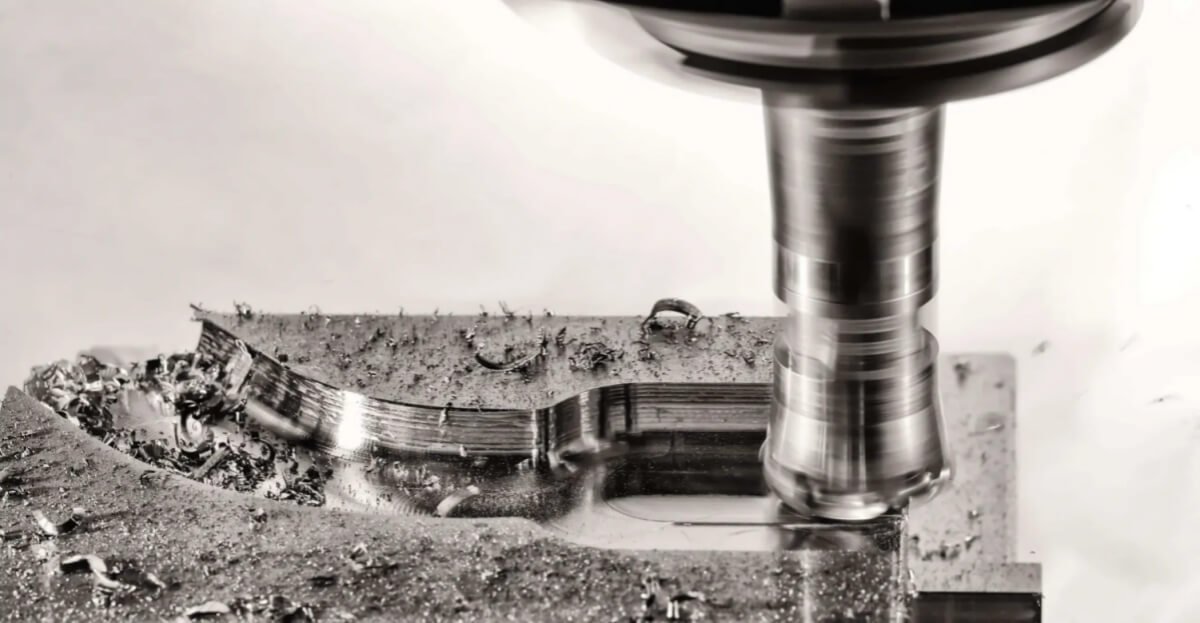
Achieve Complex Geometries with Multi-Axis CNC Milling Services
HRCCNC provides 3-axis, 4-axis, and 5-axis machining to produce complex CNC parts with tight tolerances and stable mechanical properties for aerospace, automotive, medical, and industrial applications. Using computer-controlled toolpaths, we increase machining flexibility, reduce repositioning error, and maintain dimensional consistency from prototype through volume production.
3 Axis CNC Mill
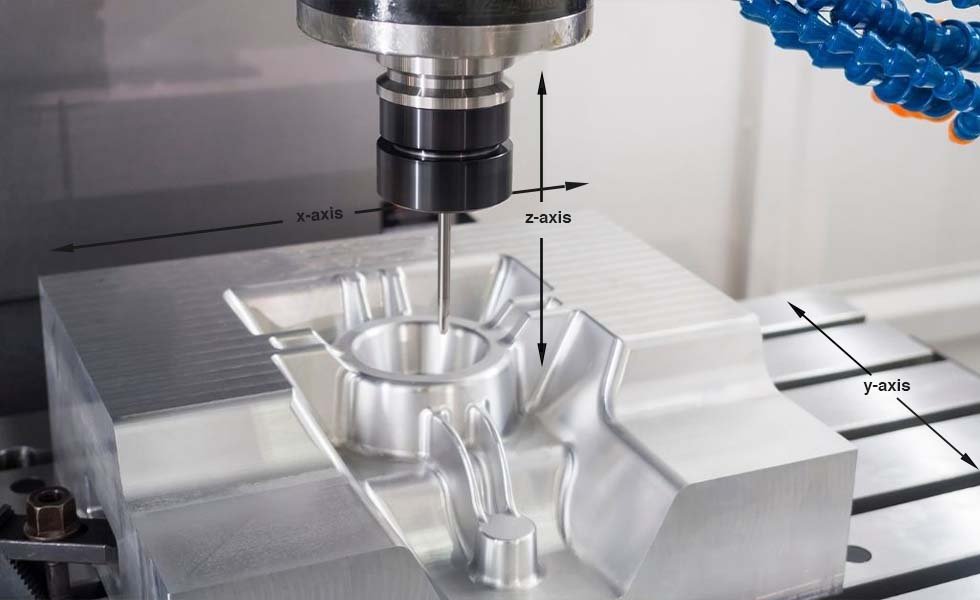
The foundation of our CNC milling services, 3-axis CNC machining uses X, Y, and Z linear axes to produce straightforward yet precise parts. This configuration is ideal for flat surfaces, drilled holes, slots, and basic 3D shapes, making it a cost-effective solution for low-to-medium volume production and rapid prototypes where geometric complexity remains minimal. We use high-speed spindles and premium cutting tools to ensure controlled lead time without compromising dimensional accuracy.
Advantages:
- Fast turnaround times: The simplified axis movement reduces programming complexity and shortens machining cycles.
- Cost-effective machining: The setup supports affordable CNC milling services for simple aluminum and steel parts.
- Ideal for standard features: The system accurately machines slots, pockets, and planar surfaces for structural machine parts.
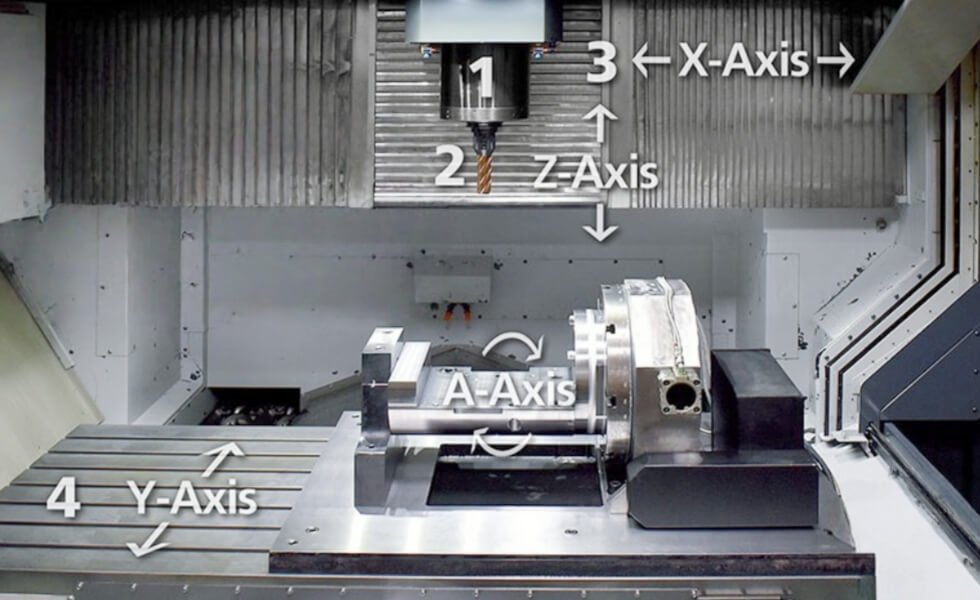
4-axis CNC machining adds a rotational A-axis to the standard 3-axis setup, allowing the workpiece to rotate around the X-axis during machining. This capability enables the production of complex features such as grooves, contours, and angled holes in a single setup, which reduces part handling, minimizes alignment errors, and improves production efficiency. It is widely used for automotive, aerospace components, aerospace brackets, and industrial fixtures that require consistent multi-sided machining.
Applications:
- Complex shapes: The machine produces contoured profiles and multi-sided components in one clamping.
- Cylindrical parts: The rotational axis supports machining around round components such as couplings and housings.
- Improved feature precision: The configuration increases consistency for angled holes, grooves, and side features used in automotive and aerospace assemblies.
4 Axis CNC Mill
5 Axis CNC Mill

Our 5-axis CNC machining service integrates X, Y, Z linear axes with two additional rotational axes, typically A and C. This configuration allows the cutting tool to approach the workpiece from multiple angles, enabling the machining of highly complex 3D geometries in a single continuous operation. By eliminating multiple setups, the system reduces cumulative error and shortens overall lead time.
Benefits:
- Reduced setups: The system completes complex geometries in a single operation, which lowers alignment errors.
- Tight tolerances: The configuration supports high-precision CNC milling services for aerospace and medical components that require strict dimensional control.
- Advanced geometry capability: The machine provides CNC milling services for complex parts, including turbine components, structural brackets, and multi-angle surfaces.
From Prototype to Production: Complete CNC Machining Solutions
HRCCNC delivers end-to-end CNC milling solutions from early validation through volume production, maintaining tight tolerances, consistent mechanical properties, and controlled lead times at every stage.

Rapid Prototyping
Our rapid prototyping service transforms CAD models into functional CNC parts within days, using production-grade materials such as 6061 aluminum, 304 stainless steel, and engineering plastics. Engineers validate fit, assembly tolerance, impact strength, and chemical resistance under real conditions before scaling to production, while optimized CAM programming ensures accurate geometry and surface finish.

Low and High Volume Production
Whether you need small batches or high-volume production runs, our CNC milling services scale to meet your requirements while maintaining consistent quality and repeatability. Standardized tooling, fixture control, and ISO 9001:2015–aligned inspection procedures ensure dimensional consistency, competitive pricing, and reliable lead times for global customers.
Select the Right Materials for Your CNC Milling Project
Choose the right material for your CNC milling project to meet strength, durability, chemical resistance, and cost targets. Material selection affects mechanical performance, surface finish, and long-term reliability in both prototype and production runs.
Metal Materials
Aluminum
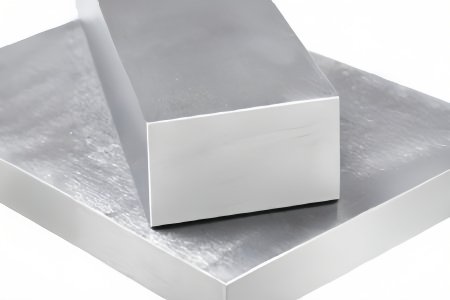
With a density of 2.7 g/cm³, aluminum is lightweight, corrosion-resistant, and easy to machine, making it a leading material for precision CNC milling. Its balanced strength-to-weight ratio suits aerospace components, consumer electronics housings, and automotive parts. Common grades include 6061 for versatile structural use, 7075 for high-strength aircraft parts, and 5052 for marine environments requiring corrosion resistance.

Steel
Strong, rigid, and cost-effective, steel is ideal for structural machine parts, tooling, and automotive assemblies. Its high strength supports load-bearing and wear-resistant applications. Common grades include 1018 for general machining, 4140 for tough gears and shafts, 316 stainless steel for corrosion-resistant medical and food uses, and 440C stainless steel for high-hardness bearings and cutting tools.
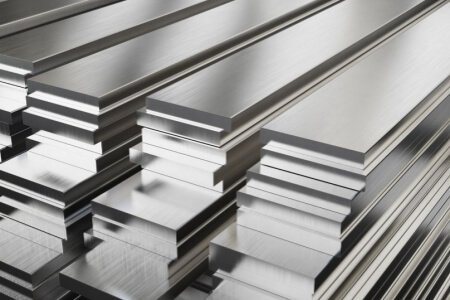
Stainless Steel
Highly resistant to corrosion and staining, stainless steel performs reliably in medical devices, kitchen equipment, and marine components exposed to moisture or chemicals. Its durability supports applications in the aerospace and medical fields that require hygiene and longevity. Common grades include 304 for general corrosion resistance and 316 for harsher chemical environments demanding improved chemical resistance.
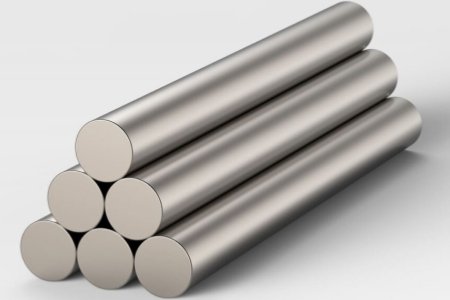
Titanium
Exceptionally strong, approximately 40 percent lighter than steel, and biocompatible, titanium is widely used in aerospace turbine parts, medical implants, and marine systems. Grade 5 Ti-6Al-4V offers a balanced combination of strength and machinability for high-performance CNC machining projects, while Grade 2 provides reliable corrosion resistance in chemically exposed environments.

Brass
Malleable, corrosion-resistant, and electrically conductive, brass is ideal for connectors, terminals, plumbing fittings, and decorative components. Its stable machining characteristics support high-precision CNC mill machining services. Common grades include C360 for free-machining applications with high productivity and C260 cartridge brass for components requiring good formability.
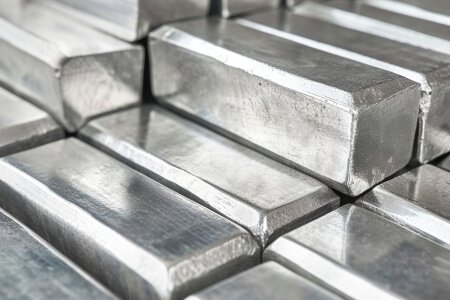
Magnesium
Extremely lightweight, approximately 33% lighter than aluminum, magnesium alloys are used in aerospace, automotive, and electronics applications where weight reduction supports performance goals. Magnesium offers excellent machinability and thermal conductivity, though protective surface coatings are typically applied to enhance corrosion resistance.
Plastics Materials
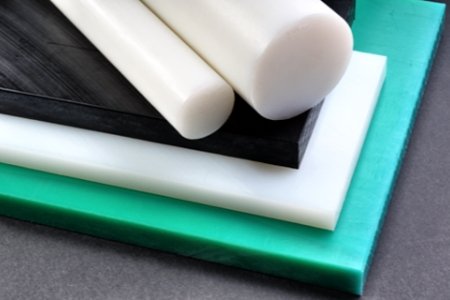
ABS
Impact-resistant, easy to machine, and cost-effective, ABS is frequently used in consumer electronics such as phone cases and laptop housings, automotive interior components, and functional prototypes. Variants such as ABS-PC blends provide improved impact strength and dimensional stability for demanding applications.
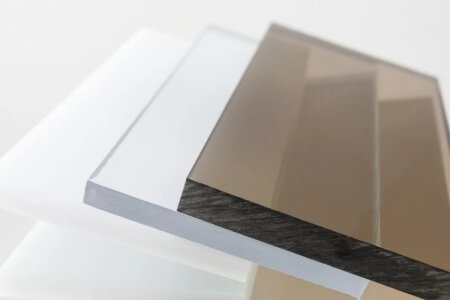
PC (Polycarbonate)
A tough and transparent engineering plastic, polycarbonate offers high impact resistance and good dimensional stability. It is commonly used for lenses, machine guards, and electronic housings requiring optical clarity and structural integrity, and it withstands operating temperatures up to 135°C.
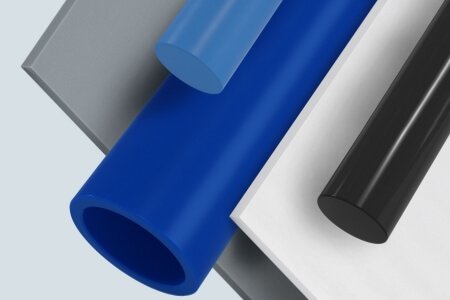
POM
POM is a high-strength engineering plastic known for excellent wear resistance, low friction, and high dimensional stability. It performs well in tight-tolerance CNC machining and maintains consistent mechanical properties under repeated motion and load. Common applications include gears, bearings, bushings, and automotive components that require fatigue resistance, smooth operation, and long service life.
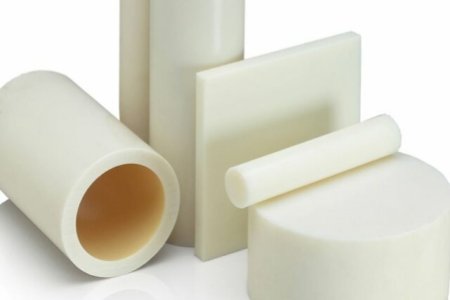
Nylon
Strong, wear-resistant, and capable of handling moderate loads, nylon is suitable for gears, bushings, bearings, and structural components. Nylon 6/6 provides high tensile strength and heat resistance, while Nylon 12 supports applications requiring flexibility; glass-filled nylon with 10 to 40 percent reinforcement increases stiffness and dimensional stability.

PEEK
PEEK is a high-performance engineering plastic that withstands continuous temperatures up to 250°C while maintaining chemical resistance and structural stability. It is FDA-approved for specific grades and widely used in aerospace engine components, medical-surgical instruments and implants, and oil and gas downhole tools, where high performance and material reliability are required.

PMMA (Acrylic)
PMMA is a lightweight, transparent thermoplastic valued for high optical clarity, rigidity, and weather resistance. It offers a glass-like appearance, lower weight, and better impact resistance than traditional glass, making it suitable for light covers, display panels, lenses, and protective screens that require durability and long-term outdoor stability.
Professional CNC Milling Surface Finishes
Improve the appearance, durability, and performance of your CNC-milled parts with professional surface-finishing services. Treatments increase corrosion resistance, wear protection, and visual quality while preserving dimensional accuracy.
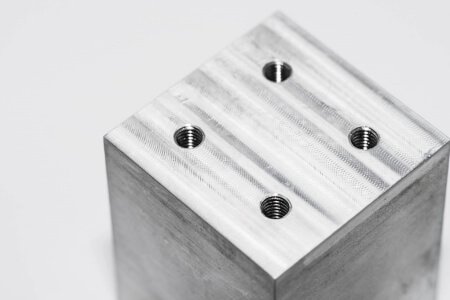
As Machined + Deburring
As machined parts are delivered without additional finishing, they retain dimensional accuracy directly from the CNC milling machine. Deburring removes sharp edges and residual material from the manufacturing process, creating safer handling conditions and making this a cost-effective option for functional prototypes and internal machine parts without cosmetic requirements.
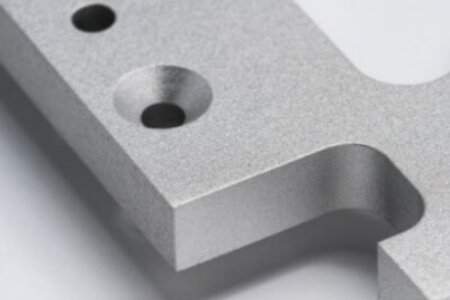
Sandblasting
Bead blasting uses fine glass beads applied under high pressure to create a smooth, uniform matte surface. This process reduces visible machining marks, improves coating adhesion, and gives aluminum or stainless steel components a refined and consistent texture suitable for industrial and consumer applications.
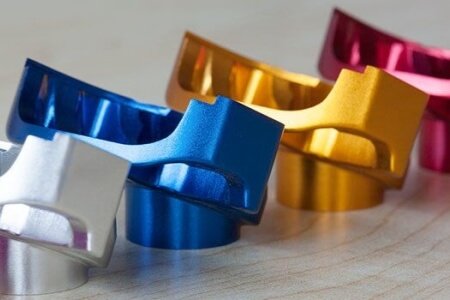
Anodizing
Anodizing converts the aluminum surface into a controlled oxide layer that increases wear resistance and corrosion protection while allowing customizable color finishes. This treatment supports aerospace, electronics, and consumer-grade aluminum components that require both durability and stable surface performance.
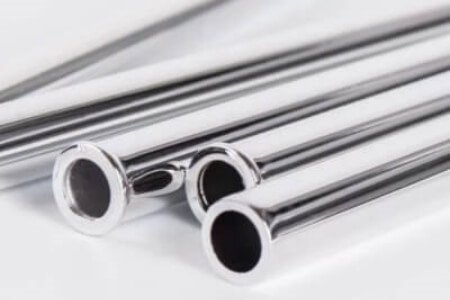
Electroplating
Electroplating coats a CNC component with a thin metallic layer, such as nickel, chrome, or gold, to improve corrosion resistance and surface hardness. This process produces a polished finish commonly applied to automotive parts, electrical connectors, and decorative hardware that require conductivity and surface quality.
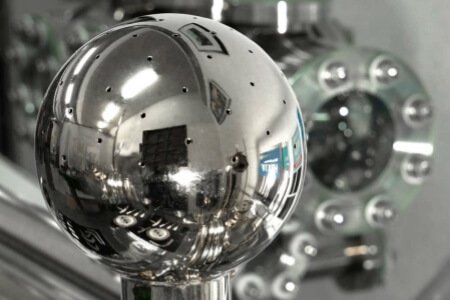
Electrochemical Polishing
Electropolishing uses an electrochemical reaction to remove micro-scale surface imperfections and create a bright, reflective finish. The process improves corrosion resistance and surface cleanliness, making it suitable for medical instruments and high-precision stainless steel components used in aerospace and medical applications.
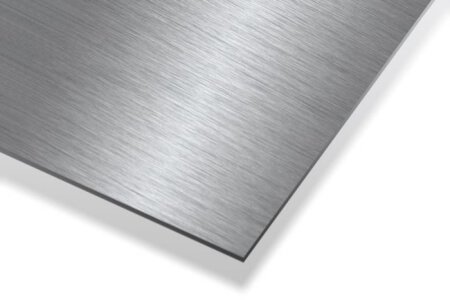
Brushed Finish
Controlled abrasive processing creates uniform, parallel grain lines, giving the surface a clean satin texture. This finish reduces glare and minimizes the visibility of minor scratches, and is widely used for visible components in appliances, electronics, and decorative panels that require a consistent, refined appearance.
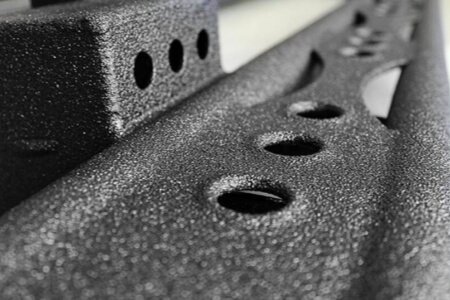
Powder Coating
An electrostatically charged powder is applied and heat-cured to form a uniform, high-build protective coating. This process delivers strong adhesion, enhanced corrosion resistance, and long-term protection against scratches, impacts, and chemical exposure. It is well-suited for outdoor equipment, structural metal components, and industrial machinery that require durable, consistent surface performance.
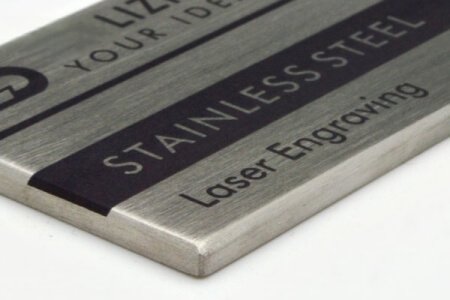
Laser Engraving
Laser engraving uses a focused beam to create permanent and high-contrast markings without compromising structural integrity. This method supports branding, identification codes, serial numbers, and traceability markings on metals and selected engineering plastics used in CNC-milling services.
CNC Milling Tolerances
We follow strict quality standards to ensure accuracy and repeatability in all CNC milling services, applying ISO 2768-mK tolerances for metals and plastics in general applications. For critical features, we achieve tolerances up to ±0.025 mm (±0.001″), verified through calibrated CMM inspection and ISO 9001:2015–aligned quality procedures, to meet global industry requirements.
Standard Tolerance Guidelines
| Feature Type | Standard Tolerance | Precision Tolerance | High-Precision Tolerance |
|---|---|---|---|
| Linear Dimensions | ±0.1 mm (±0.004") | ±0.05 mm (±0.002") | ±0.025 mm (±0.001") |
| Hole Diameters | ±0.05 mm (±0.002") | ±0.025 mm (±0.001") | ±0.0125 mm (±0.0005") |
| Positional Tolerance | 0.1 mm (0.004") | 0.05 mm (0.002") | 0.025 mm (0.001") |
| Flatness | 0.1 mm (0.004") | 0.05 mm (0.002") | 0.025 mm (0.001") |
| Surface Finish (Ra) | 3.2 μm (125 μin) | 1.6 μm (63 μin) | 0.8 μm (32 μin) |
Our quality team uses advanced CMMs and metrology equipment to verify all critical dimensions. Full inspection reports (FAI) are available upon request.
Factors Affecting Tolerances
Several factors influence the achievable tolerances in CNC milling services, as material behavior, geometric complexity, and machining conditions directly affect dimensional accuracy and repeatability.
- Material properties: Harder materials like stainless steel and titanium increase cutting resistance, while aluminum and plastics allow tighter dimensional control.
- Part geometry: Thin walls, deep cavities, and complex contours increase the risk of deflection and vibration.
- Machine capability: High-rigidity CNC milling machines maintain positional stability during high-speed material removal.
- Temperature effects: Thermal expansion of the workpiece or machine structure can affect precision if not climate-controlled.
- Tooling selection: Premium cutting tools and optimized feeds and speeds reduce deviation and improve surface finish consistency.
Custom Milling Design Guidelines
To ensure your part is optimized for CNC milling and to control production cost, consider the following structured design guidelines. Proper design improves machining efficiency, reduces tool wear, and supports stable tolerances in both prototype and volume production.
General Design Principles
Effective CNC part design focuses on stability, tool accessibility, and cost control. Geometry should support efficient cutting by reducing tool deflection, minimizing setups, and limiting unnecessary tolerance requirements.
Avoid deep cavities and limit pocket depth
Use proper corner radii and add internal fillets
Design features around standard drill sizes and end-mill diameters
Maintain sufficient wall thickness to reduce vibration
Plan for single-setup machining when possible
Apply tight tolerances only where functionally required
Material-Specific Considerations
Material choice defines CNC design limits and structural behavior. Aluminum allows thin, complex features, steel requires thicker, stronger geometry, plastics require support due to flexibility and thermal movement, and stainless steel requires controlled cutting because it work-hardens.
Aluminum
Minimum wall thickness around 0.5 mm (0.020″); suitable for thin and complex features
Steel
Minimum wall thickness around 1.0 mm (0.040″); requires stronger geometry and larger radii
Plastics
Minimum wall thickness around 1.0 mm (0.040″); requires stronger geometry and larger radii
Stainless steel
Work-hardens during cutting; requires sharp tools and controlled speeds and feeds
Applications Across Industries
HRCCNC delivers precision CNC milling services for global industries requiring compliance, tight tolerances, and scalable production, supporting automotive, aerospace, electronics, and medical applications with controlled lead times and documented quality.
Automotive Parts Manufacturing
Consumer Electronics Products
Aerospace Components
Medical Device Production
What Are the Benefits of CNC Milling?
CNC milling provides high precision, production efficiency, repeatability, cost control, material versatility, operational safety, and reduced material waste. These advantages result from computer-controlled machining, automated toolpaths, and stable manufacturing processes that support both rapid prototyping and volume production.
High Precision and Accuracy
CNC milling machines use computer-controlled toolpaths and calibrated axis movements to achieve tight tolerances and consistent dimensional control. This precision enables manufacturers to produce complex CNC parts with precise hole positions, flatness control, and stable surface finish. The result is improved assembly fit, reduced rework, and reliable functional performance in aerospace, automotive, and medical applications.
Efficiency and 24/7 Production
Modern CNC milling relies on programmed automation to achieve consistent and repeatable production. G-code instructions control toolpaths, spindle speeds, and feed rates, while automatic tool changes reduce manual intervention and downtime. This streamlined operation increases throughput, shortens lead times, and helps global manufacturers maintain stable production schedules.
Consistency and Repeatability
By eliminating variation associated with manual machining, computer numerical control ensures that every production cycle follows the exact programmed toolpaths, speeds, and feeds. This high level of repeatability maintains tight dimensional tolerances and consistent surface finishes across large batches, reducing scrap rates and rework. The result is stable, predictable quality in volume production and more streamlined inspection and documentation processes.
Cost-Effectiveness
Advanced CNC milling integrates programmable workflows and multi-axis capability to streamline production and reduce reliance on manual labor. Fewer setup changes, optimized toolpaths, and efficient material-removal strategies reduce machining time and lower scrap rates. These efficiencies help control production costs while maintaining high precision for complex components.
Material Versatility
CNC milling machines process a wide range of materials, including aluminum, stainless steel, titanium, brass, magnesium, ABS, PEEK, and polycarbonate. This flexibility allows engineers to select materials based on mechanical properties, impact strength, chemical resistance, and weight requirements. The result is optimized product performance across diverse industrial applications.
Increased Safety
To improve safety in modern manufacturing facilities, CNC milling systems operate within enclosed machining environments where automated controls limit direct operator exposure to rotating tools and high-speed material removal. Programmable processes reduce manual handling and lower the risk of human error, enabling safer, more controlled production operations.
Reduced Waste
Through precisely programmed toolpaths, CNC milling removes material with controlled accuracy, minimizing excess stock removal and scrap. Optimized cutting parameters and stable fixturing improve yield rates in both prototype and high-volume production. Reduced material waste supports better cost control and more efficient use of manufacturing resources.
How Much Does CNC Machining Cost?
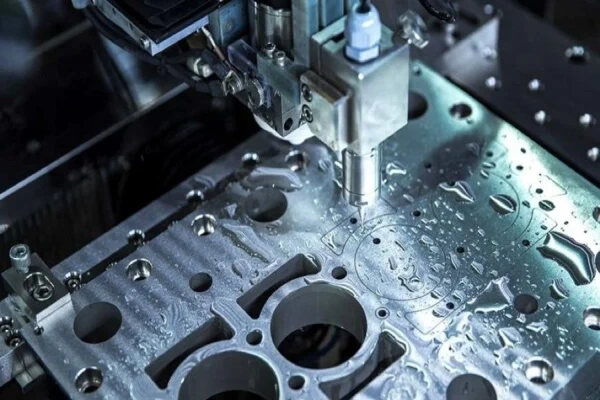
CNC milling costs between $60–$180 per hour, but total pricing depends on part geometry, material type (e.g., aluminum or titanium), required tolerances, surface finish, setup time, quantity, and lead time. Prototype CNC-milled parts may cost several hundred dollars per unit, while larger production runs reduce per-unit cost through stable, repeatable machining cycles.
HRCCNC provides transparent pricing based on your CAD file, selected material, and production volume to ensure predictable manufacturing costs. Upload your CAD file to receive an accurate online CNC milling services quote tailored to your custom CNC parts.
Why Choose HRCCNC for Custom Online CNC Milling Services?
Choose HRCCNC for custom online CNC milling services to achieve tight tolerances down up to ±0.025 mm, advanced 3-axis to 5-axis CNC milling capability, and ISO 9001:2015-aligned quality control dedicated specifically to precision milling operations. Our team specializes in complex CNC milling projects, including multi-face machining, intricate 3D geometries, thin-wall structures, and high-precision aluminum and titanium components. With in-house anodizing, structured CMM inspection reports, optimized CAM toolpath generation, and free DFM feedback focused on milling efficiency, we deliver consistent surface finish quality, controlled lead times, and reliable global shipping for custom CNC-milled parts.
Ultra-High Precision with Tight Tolerances (±0.025 mm)
18 Years of Proven CNC Expertise
Fully Custom CNC Parts Tailored to Your Design
One-Stop Integrated Manufacturing Services
Free DFM Feedback and Engineering Support
In-House Anodizing and Advanced Surface Finishes
Fast Quotes and Rapid Turnaround
Competitive Pricing for Complex Custom Parts
Advanced 5-Axis Machining for Intricate Geometries
Global Export Reliability and Fast Shipping
What Our CNC Milling Clients Say About Us?
How Does the CNC Machining Process Work at HRCCNC?
CAD Design Preparation
Engineers review your 2D drawings or 3D CAD files to confirm geometry, tolerances, material specifications, and surface finish requirements. Our team provides free DFM feedback focused specifically on CNC milling feasibility, optimizing wall thickness, corner radii, pocket depth, and setup strategy to reduce machining time and improve part stability.
Converting CAD to CNC Program (G-code)
Our programmers use a computer-aided manufacturing CAM system to generate computer-controlled toolpaths for the CNC milling machine. The CAM software simulates cutter movement, spindle speed, and feed rate to ensure safe machining conditions, collision avoidance, and high-speed material removal before production begins.
Machine Setup & Tool Selection
Our CNC technicians select appropriate cutting tools, fixtures, and workholding systems based on material type, part geometry, and tolerance requirements. Proper fixturing and calibrated tooling ensure stable machining, reduce vibration, and maintain positional accuracy throughout the milling cycle.
Precision Cutting & Finishing
The CNC milling machine executes programmed toolpaths using a rotating spindle head and multi-point cutting tools to remove material from the solid workpiece. After machining, parts undergo surface finishing if required, followed by CMM inspection and dimensional verification to confirm compliance with specified tolerances before global shipment.
Resource & Guides
Founded in 2008, HRCCNC is a trusted CNC machining and metal manufacturing company with 18 years of experience delivering precision-engineered custom parts to global customers. Our team of skilled engineers and technicians provides one-stop integrated services, including CNC machining, die casting, and sheet metal fabrication, supporting projects from product design to finished product delivery across North America, Europe, and Asia.
From a small CNC workshop to a global manufacturing partner, HRCCNC has expanded through continuous capability upgrades and international quality certification, including ISO 9001:2015. Our factory is certified to ISO 9001:2015 and has been audited by SGS, ensuring strict quality control, traceability, and compliance with international manufacturing standards.
Company Introduction Video

FAQs
What should I look for in CNC milling manufacturers?
Look for proven machining capability, tolerance control, material range, lead time reliability, and quality certifications because these factors determine whether a supplier can consistently deliver accurate parts at scale. A dependable manufacturer should also provide DFM support, inspection reports, and experience across multiple industries to ensure production stability and long-term partnership.
How does CNC metal milling differ from conventional milling?
CNC metal milling delivers higher accuracy and repeatability because automated programs control every movement of the cutting tool. Unlike manual milling, CNC systems reduce human error, improve consistency, and enable efficient production for both prototypes and large batches.
Why is CNC machining milling important for modern manufacturing?
CNC machining milling is essential because it enables fast, repeatable, and high-precision production of complex components used across advanced industries. Its automation, material flexibility, and scalability make it a core process for modern product development and mass production.
What is the difference between CNC milling machining and CNC turning?
CNC milling shapes a stationary workpiece using rotating cutting tools, making it ideal for complex surfaces and multi-face parts. CNC turning rotates the workpiece against a stationary cutting tool, which is better suited for cylindrical or symmetrical components.
How long does CNC milling production take?
CNC milling lead time depends on part complexity, material type, quantity, and finishing requirements because each factor affects machining time and setup. Prototypes can often be completed within days, while larger production runs follow structured scheduling.
Do you ship internationally?
Yes, we provide reliable global shipping because we work with secure logistics partners and structured export processes. Parts are carefully packaged and delivered with inspection documentation when required.
Ready to Get a CNC Milling Online Quote?
Upload your CAD file to HRCCNC to receive a fast and transparent quote for precision CNC milling services based on your material, part geometry, surface finish, and tolerance requirements. Our engineering team reviews complex features, provides free DFM feedback, and confirms machining feasibility on advanced 3-axis to 5-axis CNC milling machines.
Start your online CNC milling service quote today and move your custom-milled parts into production with verified dimensional accuracy, controlled lead times, and reliable global delivery.