Skip to content

Metals are a part of multiple applications, and choosing them according to the requirement is crucial. Soft metals are also selected for a range of uses as they are easy to shape and machine due to their low hardness. The guide below offers detailed information on types of soft metals, their uses, and properties.
What Are Soft Metals?
Soft metals are known for their low hardness, which makes them workable. Soft metals offer high malleability and can be shaped or bent without breaking. They have a low tensile strength compared to the hard metals, but are seamlessly workable. Hence, these are widely used in providing precision parts, decoratives, and wiring.
Which Metal is Soft
There are many types of metals that are known to be soft, and these are discussed below.
- Aluminum: It offers corrosion resistance and is very easy to work with. Although aluminum is soft, it can gain strength through alloying. It is opted for most of the automobile applications and for manufacturing cans and foils.
- Lead: Lead is highly ductile and also offers malleability. Lead is highly dense and is used in lead-acid batteries and radiation shielding. Due to its toxicity, many modern applications use it in a limited way, but it is still significant in many industries.
- Tin: Tin has a low melting point and excellent corrosion resistance; it is used as a coating that protects other metals like copper and steel. It is also used for folding alloys as it is easy to process and soft.
- Gold: Gold is used in the electronics industry for circuits and contacts, and also has an economic value. It offers high ductility and is easy to shape.
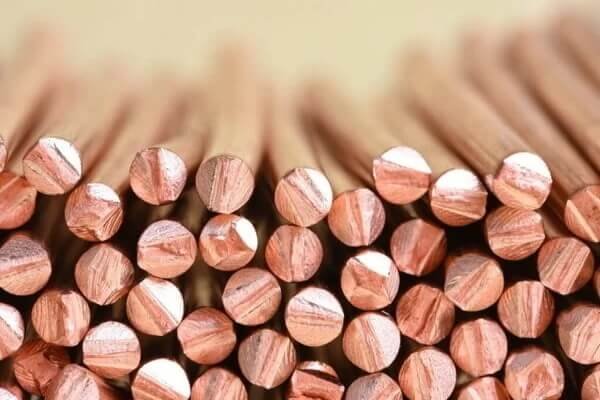
- Copper: Copper is a very important soft metal that is used for its thermal and electrical continuity. It is used in electronic components and electrical wiring.
- Bronze: It is durable and resistant, making it suitable for use in marine environments, as well as for medals and sculptures.
- Brass: Brass is an alloy of zinc and copper. The high zinc content makes brass strong, and due to its workability, it is used for musical instruments and hydraulic fittings.
Properties of Soft Metals
The properties of soft metals are described as follows:
- They have low hardness, which makes them easily scratched.
- Soft metals are rolled into thin sheets due to their high malleability and can be converted into wires as they are ductile.
- Due to the high ductility, these metals can be turned into wires.
- They have excellent electrical and thermal conductivity.
- The low melting point in soft metals makes them easy to shape.
- Some soft metals, like tin and gold, are highly corrosion-resistant.
Advantages of Soft Metals
Soft metals offer the following advantages:
- Soft metals are easy to shape and cut, making them useful in custom applications.
- They need less tooling force and energy during the manufacturing process.
- Soft metals are suitable for precise applications as they offer a smooth finish.
- They are highly suitable for thermal and electrical uses due to their excellent conductivity.
Disadvantages of Soft Metals
The downsides of soft metals are as follows:
- They are prone to deformation when under load due to their low wear resistance and strength.
- Soft metals tend to be easily damaged or dented.
- They are not suitable for applications that need high strength.
- To improve their durability, protective coatings are required.
- Some of the soft metals are highly expensive, like silver and gold.
How to Soften Hardened Metal
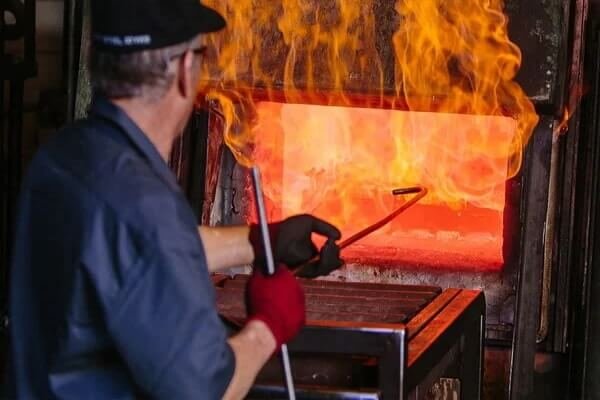
Softening hardened metal requires a heat treatment process known as annealing. The process requires heating metal to a specified temperature and then subjecting it to a controlled cooling process. The steps involved in the process are as follows:
- Any dirt, residue, or oil on the metal requires cleaning so that heat can evenly penetrate it.
- Heat metal gradually; the heating temperature will depend on the type of metal, as every metal has a different requirement. For instance, steel requires heating around 400 to 600 degrees Celsius, and silver, brass, and copper, the heat range of 400 to 750 degrees Celsius is suitable.
- Hold the metal at the required temperature for as long as the internal structure changes, which is also determined by the thickness of the metal.
- Let the metal cool down slowly; some metals take a longer time to cool down, and some are very quick.
- After cooling, bend the metal to test its softness. If the desired softness is not achieved, you can repeat the process.
Machinability of Soft Metals
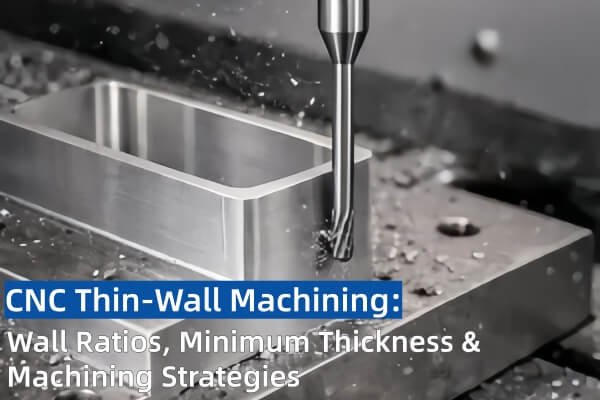
CNC machining helps produce complex and precise parts with tight tolerances by reducing waste. As the soft metals are malleable, processes like drilling, turning, grinding, and milling can help produce highly smooth finishes. Soft metals that offer high machinability are discussed as follows:
- Aluminum: It is one of the most commonly considered soft metals for machining, as it is light and can be cut easily. The components manufactured using aluminum are corrosion-resistant and lightweight.
- Copper: It offers excellent thermal and electrical conductivity, which makes it suitable for producing thermal and electrical parts through CNC machining. It can produce complex and intricate components like circuits, heat sinks, and connectors.
- Brass and Bronze: Copper alloys are always suitable for machining due to their dimensional stability and strength. Brass has a shiny finish and excellent workability, making it ideal for producing valves and fittings. Bronze is chosen for applications like gears and bearings as it is highly wear-resistant.
CNC Machining Tips for Soft Metals
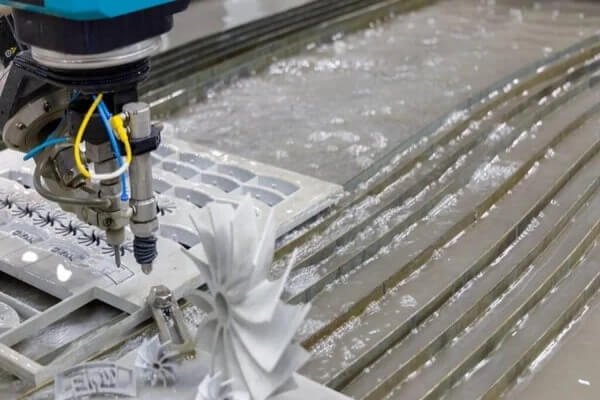
CNC machining soft metal requires striking a balance between chip control, precision, and speed, presenting a set of challenges to overcome. You can follow the tips below to ensure an optimal machining process.
- Always use sharp tools, as dull tools do not produce clean cuts.
- Soft metals are cut at a higher cutting speed compared to hard metals, and to avoid burr, speed and feed require optimization.
- Ductile and soft metals tend to stick to the edge of the tool; hence, adequate lubrication or coated tools may help in reducing such adhesion.
- Implement chip breakers or adjust feed rates to improve chip segmentation, as stringy and long chips tend to tangle around tools.
- Ensure application of coolant to enhance surface finish.
FAQs
1. Is Silver a Soft Metal?
2. Is Platinum a Soft Metal?
3. Are Alkali Metals Soft or Hard?
Conclusion
Soft metals are an important choice for projects requiring ease in machining and better malleability. These metals are ideal for electrical wiring and manufacturing components that require precision and corrosion resistance.
We at HRC Metals provide you with CNC machining services for these soft metal components with our advanced tools. Our team offers its expertise to provide highly precise and accurate parts for your application requirements.