Skip to content

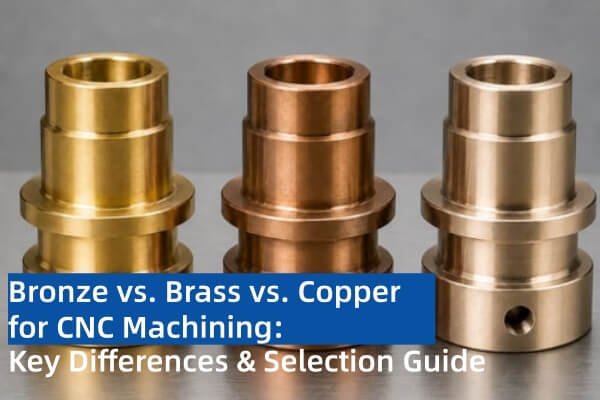
Two of the most commanding materials in modern CNC machining are brass and aluminum. The two metals feature distinctive properties, strengths, and behaviors to satisfy different engineering needs.
Aluminum vs brass – which one can utterly fit your project specifications? Let this article guide you to the answer. It explores every factor associated with brass vs aluminum from a CNC machining standpoint.
Properties of Brass
a. Chemical Composition
- Primary Elements: Copper (Cu) and Zinc (Zn)
- Optional (Additive) Elements: Lead (Pb) for improved machinability, Tin (Sn) for corrosion resistance, and Iron (Fe)/Aluminum (Al)/Manganese (Mg) for strength + wear resistance.
Meanwhile, the exact ratio of copper to zinc determines the brass type. For instance,
- Alpha Brass (less than 37% Zn): Single-phase, more ductile, easier to cold work.
- Alpha-Beta Brass (37% – 45% Zn): Dual-phase, stronger, better suited for hot working.
b. Mechanical Properties of Brass
| Property | Standard Value | Remarks |
| Tensile Strength | 300 – 550 MPa | Variable with alloy type and treatment |
| Yield Strength | 100 – 400 MPa | Lower strength than several contenders in some cases |
| Hardness (Brinell) | 55 – 100 HB | Possible increase in value through cold working |
| Elongation at Break | 10% – 40% | Excellent ductility for forming tasks |
| Modulus of Elasticity | ~100 GPa | Measures lower than steel but higher than polymers |
c. Thermal and Electrical Properties
- Thermal Conductivity: ~100–125 W/m·K
Brass’s heat conductivity is comparable to pure copper or aluminum. However, it’s not a match for highly conductive applications related to Al or Cu.
- Electrical Conductivity: ~15–30% IACS
Likewise, it’s not ideal for high-performance electrical applications either. Still, connectors and terminals can have brass-made parts due to their corrosion resistance.
- Melting Point: 900°C – 940°C (1652°F – 1724°F)
The temperature remains considerably lower than that of steel. The range enables superb casting, forging, and soldering capability with sufficient heat resistance.
d. Corrosion Resistance
Brass can heavily resist corrosion resulting from water and mild acids. Such resistance comes from the Cu content. Copper forms a protective, durable, and robust oxide layer.
Some brass types (especially the ones with high Zn content) may suffer from dezincification. It’s a form of selective corrosion where zinc leaches out to weaken the material.
Dezincification-resistant (DZR) brass, a special brass type, can resolve the issue. Arsenic (As) and tin (Sb) are two additive metals in DZR to resist corrosion in brasses like CW602N/CZ132.
e. Machinability
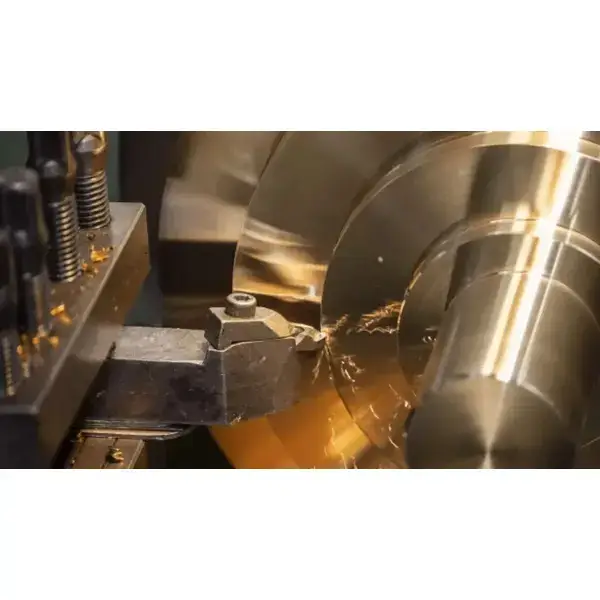
Brasses, especially the ones with lead (Pb), offer excellent CNC machinability. You can expect zero tool wear, clean chips, and high-speed machining with tight tolerances.
Of course, lead-free brasses are also available to meet environmental and health regulations. You’ll have to pull some extra lengths to adjust the related parameters for such eco-conscious brasses.
Properties of Aluminum
a. Chemical Composition
- Base Element: Aluminum (Al)
- Common Alloying Elements: Magnesium (Mg) for strength + corrosion resistance, Silicon (Si) for castability, Copper (Cu) for strength, and Zinc (Zn) in high-strength alloys like 7075.
Individual aluminum alloy suits specific application scenarios. For example –
- 6061-T6: General-purpose alloy with good strength and corrosion resistance.
- 7075-T6: High-strength alloy used in aerospace and structural components.
b. Mechanical Properties of Aluminum
| Property | Standard Value | Remarks |
| Tensile Strength | 90 – 570 MPa | Highly variable based on alloy and temper |
| Yield Strength | 35 – 500 MPa | 7075 is among the strongest ones for CNC |
| Hardness (Brinell) | 15 – 150 HB | Softer than brass in pure form (99%+ aluminum) |
| Elongation at Break | 5% – 20% | Impressive ductility in many alloys |
| Modulus of Elasticity | ~70 GPa | Lower value compared to brass and steel |
c. Thermal and Electrical Properties
- Thermal Conductivity: ~200–235 W/m·K
Aluminum is an excellent heat conductor. Such conductivity makes Al an ideal choice for heat sinks, engine components, and cookware.
- Electrical Conductivity: ~60% IACS
Likewise, aluminum falls short of copper in terms of electrical conduction. Still, the metal’s alloys have uses in power transmission due to their low density and cost efficiency.
- Melting Point: 660°C (1220°F) for pure aluminum
The temperature is notably lower than that of brass. But the alloys have distinctive melting points based on alloy composition for casting and welding.
d. Corrosion Resistance
Highly reactive aluminum naturally forms a thin oxide layer to obstruct corrosion. The layer itself is self-healing to remain incredibly effective almost everywhere.
Still, some alloys (with high Cu content) seem more prone to corrosion. Anodizing, as well as coating or painting the exterior, can avert the issue in many conditions.
e. Machinability
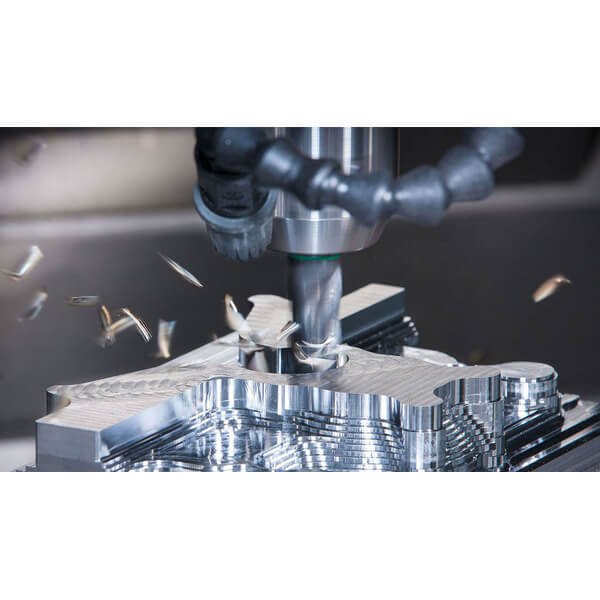
Aluminum, especially alloys like 6061 and 2024, is highly machinable. Manufacturers can induce high-speed cutting and impressive surface finishes against minimal tool wear.
However, the metal’s softness can lead to built-up edge (BUE) on cutting tools. Proper lubrication and sharp tooling are essential for prototyping and high-volume production.
f. Lightweight + Magnetic Properties
Density: ~2.7 g/cm³
Aluminum is about three times lighter than brass. An outstanding strength-to-weight ratio, regardless of the composition, makes the alloys ideal for weight-sensitive applications. It shows slight paramagnetism around sensitive electronics and magnetic fields.
Aluminum vs Brass: Mechanical Properties
| Property | Aluminum (Al) | Brass (Cu-Zn) |
| Density | ~2.7 g/cm³ | ~8.4 – 8.7 g/cm³ |
| Melting Point | ~660°C (~1220°F) | 900°C – 940°C (1652°F – 1724°F) |
| Tensile Strength | Up to 570 MPa (7075-T6) | 300 – 500 MPa in structural alloys |
| Durability | Lightweight and strong; susceptible to dents/scratches | Dense and robust; capable of retaining shape and finish |
| Hardness (Brinell) | 15 – 95 HB (depending on alloy) | 55 – 110 HB (mostly harder) |
| Corrosion Resistance | Excellent (due to self-healing oxide layer) | Good (prone to dezincification in harsh environments) |
| Abrasion Resistance | Moderate (softer alloys may wear unless treated) | Excellent (due to superior surface durability) |
| Thermal Conductivity | ~200–235 W/m·K; | ~100–125 W/m·K |
| Electrical Conductivity | ~60% IACS | ~28% IACS |
| Machinability | Excellent in alloys like 6061 (lubrication may be required) | Outstanding (precision parts and decorative finishes) |
Brass vs Aluminum: CNC Manufacturing
| Aspect | Aluminum (Al) | Brass (Cu-Zn) |
| Material Origin | Bauxite (ore) extraction | Melting and casting of Cu and Zn |
| Common CNC Alloys | 6061-T6, 7075-T6, 2024, 5052 | C360 (free-cutting), C385 (architectural), C353 (engraving) |
| Machinability Rating | ~70–80% (6061), ~40–50% (7075) | C360 rated at 100% |
| Cutting Force Requirement | Low (suitable for high-speed machining) | Higher (robust tooling and slower feed requirements) |
| Thermal Expansion | High (dimensional changes during machining) | Moderate (more stable under thermal stress) |
| Production Efficiency | High-speed machining for mass production | Slower machining for premium and precision parts |
| Tool Wear | Moderate (potential buildup without proper lubrication) | Low (gentle on tools for prolonged manufacturing) |
| Coolant Requirements | Flood coolant or mist to manage heat | Dry machined (minimal lubrication required) |
| Formability | High (complex geometries and thin-walled structures) | Moderate (suitable for rigid and precision parts) |
| Surface Finish | Good (may require post-processing) | Excellent (naturally smooth and shiny) |
| Post-Machining Treatments | Anodizing, powder coating, and polishing | Lacquering, plating, and polishing |
| Overall Cost | Lower (abundant and easy fabrication) | Higher (more Cu induces a higher price) |
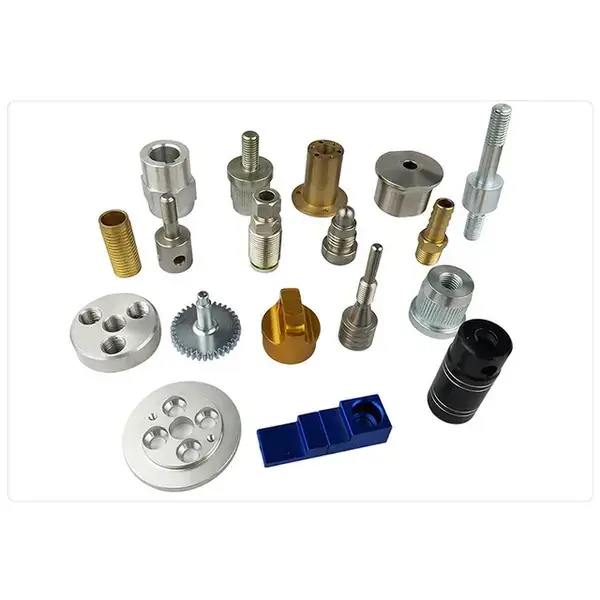
| Common CNC Applications | Aerospace frames, drone parts, electronics housings, and automotive brackets | Plumbing fittings, musical instruments, decorative knobs, and electrical terminals |
How to Choose between Brass vs Aluminum
Selecting the ultimate CNC options from brass and aluminum is a strategic decision. It remains highly relevant to your project environment, budget, and functional demands.
a. Environmental Conditions
- Wet, Humid, or Coastal Projects: Brass suffers from dezincification in salty/acidic scenarios. Al’s protective oxide layer can resist corrosion in marine or high-humidity scenarios. It’s the default choice for outdoor structures, coastal hardware, and marine-grade components.
- Dry Indoor Applications: Brass thrives in dry and controlled environments. Its antimicrobial properties can resist tarnish. Brass seems ideal for indoor plumbing, door handles, and decorative hardware.
- High-Temperature Conditions: Brass (melts around 900°C – 940°C) can maintain structural integrity better than aluminum (melts at ~660°C). Also, aluminum may deform under extreme temperatures, especially in structural or load-bearing projects.
b. Cost Considerations
- Raw Material Cost: Aluminum is more affordable than brass. Wide availability and easy sourcing make Al almost unrivaled in high-volume production and cost-sensitive projects.
- Fabrication Costs: Al is still easy to cast, weld, and machine at high speeds. Despite the machinability, brass requires more energy to melt and shape. And it increases labor and tooling costs.
- Long-Term Value: Brass offers durability and longevity in components subjected to wear and tear. A project demanding precision, aesthetics, and low maintenance should call in brass.
c. Industry-Based Selection
- Aerospace, Automotive, and Electronics: Al’s properties perfectly suit the parts, drone frames, laptop casings, engine brackets, heat sinks, and more.
- Plumbing, Musical, and Decorative Hardware: Brass remains the preferred choice for fittings, valves, trumpet bodies, and luxury fixtures.
- Prototyping and Rapid Manufacturing: Superfast machining and cheaper production make aluminum great for functional testing and early-stage product development.
- High-End, Low-Volume Production: Brass delivers aesthetics, finish, and tactile for parts like boutique hardware, custom knobs, or engraved plaques in detail.
Frequently Asked Questions (FAQs)
1. Which is better for CNC machining: brass or aluminum?
2. Is brass easier to machine than aluminum?
3. Which material is stronger: aluminum or brass?
4. Which is more cost-effective for CNC machining?
5. Can aluminum-brass be assembled together?
6. What are the best aluminum alloys for CNC machining?
7. What are the best brass alloys for CNC machining?
Conclusion
The ultimate pick between brass and aluminum for CNC revolves around many factors and expertise. Each material owns specific mechanical properties and machining strengths. Perfectly aligning your project demands with an alloy of aluminum or brass should deliver the most satisfactory outcome.
Enjoy Top-Notch CNC Machining of Brass and Aluminum with HRCCNC
Is it brass or aluminum you need for upcoming projects? Or are you still confused about which one to choose? Our easy, one-stop, and committed solutions have been leading the industry for 18 years. Whether it’s brass or aluminum, get your professional consultation through contact us.