Skip to content
Aluminum is one of the most versatile and widely used metals today, valued for its light weight, strength, and corrosion resistance. However, when aluminum is exposed to air or moisture, it forms an oxide layer that can dull its appearance or affect performance. Understanding how to clean oxidized aluminum helps restore its shine and extend its lifespan—whether it’s cookware, car parts, or precision CNC components.
What Is Aluminum Oxidation?
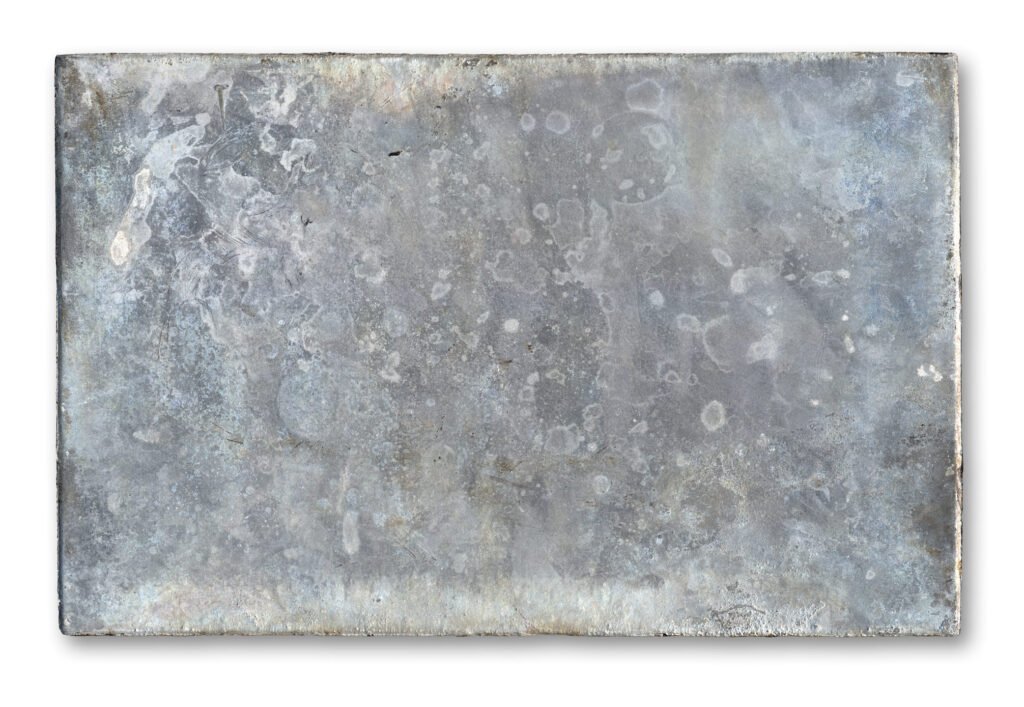
Aluminum oxidation occurs when the metal reacts with oxygen, creating a hard, protective layer of aluminum oxide on its surface. This layer prevents further rust or corrosion, which is why aluminum doesn’t rust like steel.
However, over time, this oxide layer can trap dirt and moisture, causing discoloration or pitting. When this happens, cleaning oxidized aluminum becomes essential to restore the metal’s functionality and appearance.
Why Remove the Aluminum Oxide Layer?
Even though oxidation can protect aluminum, it should be removed periodically for several reasons:
- Improved appearance: Oxidized aluminum looks dull, chalky, or stained.
- Enhanced performance: Oxidation buildup may interfere with conductivity, fitting, or sealing surfaces.
- Preparation for coating: If you plan to paint, polish, or anodize, clean surfaces ensure better coating adhesion.
- Prevent further corrosion: Removing the oxide layer allows you to apply protective coatings that stop future damage.
In short, removing oxidation aluminum is both an aesthetic and a functional process.
Types of Aluminum and Their Cleaning Needs
Cast Aluminum
Cast aluminum is used for machinery, cookware, and automotive parts. Its porous texture can trap oxidation and oil, making it harder to clean. A combination of mechanical polishing and chemical dipping works best for thorough restoration.
Anodized Aluminum
Anodized aluminum already has a controlled oxide layer that provides extra protection. For this surface, the goal is not to remove but to clean anodized aluminum gently using neutral cleaners and non-abrasive cloths. Avoid harsh acids or alkaline solutions, which can strip the anodized finish.
Polished Aluminum
Polished aluminum surfaces oxidize quickly but can easily regain their luster with metal polish or mild abrasive creams. Always use soft cloths to avoid scratching the reflective finish.
Brushed Aluminum
Brushed aluminum has fine texture lines that can trap dirt. When cleaning aluminum corrosion, always scrub in the direction of the grain using a soft brush and mild detergent.
How Is Aluminum Oxide Removed in Industrial Production?
In industrial production, aluminum oxidation removal is a key step before further surface finishing or CNC assembly. Each method is chosen based on precision requirements, part geometry, and environmental impact.
Laser Cleaning
Laser cleaning uses high-energy laser pulses to vaporize oxidation and surface contaminants without chemicals or abrasives.
Advantages:
- Non-contact and precise
- No chemical waste or environmental pollution
- Ideal for CNC parts, aerospace, and medical industries
Laser cleaning is especially effective for complex geometries and delicate components where traditional polishing may cause deformation.
Chemical Pickling
Chemical acid cleaning, also called pickling, removes the oxide layer through immersion in acid-based solutions like nitric or phosphoric acid.
Advantages:
- Uniform surface cleaning
- High efficiency for large batches
- Excellent preparation for anodizing or coating
Considerations: requires proper waste treatment and protective handling.
Mechanical Polishing and Abrasion
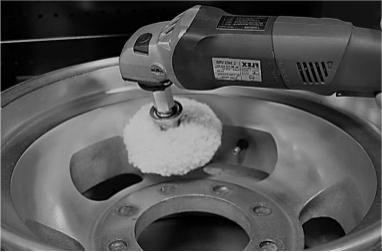
This method includes sanding, buffing, or tumbling. It’s ideal for thick oxide layers or cosmetic restoration.
Advantages:
- Visibly restores shine
- Removes deep oxidation or surface scratches
Tip: Use controlled speed polishing to prevent heat damage or uneven removal.
Alkaline Solutions
Alkaline cleaners like sodium hydroxide (NaOH) dissolve the oxide film by reacting chemically with the surface.
Advantages:
- Fast removal of oxidation
- Effective for raw or unfinished aluminum
However, precise timing and concentration control are essential—excess exposure may cause pitting or dulling.
Ultrasonic Cleaning
In some CNC machining environments, ultrasonic cleaning is used after chemical or alkaline treatments. High-frequency sound waves remove residual particles and ensure a smooth, oxidation-free finish ready for coating or assembly.
How to Clean Oxidized Aluminum at Home?
For household or DIY applications, oxidation removal doesn’t require industrial tools. You can safely use common ingredients to remove aluminum oxidation.
White Vinegar
Soak the aluminum part in a 1:1 mixture of vinegar and warm water for 15–30 minutes. The mild acid dissolves oxidation effectively. After soaking, scrub gently with a non-scratch sponge and rinse thoroughly.
Lemon and Salt Scrub
Combine lemon juice and table salt to form a natural scrub. Rub onto the oxidized aluminum using a soft cloth. The acidity of the lemon removes oxidation, while the salt provides mild abrasiveness.
Baking Soda Paste
Mix baking soda with water into a thick paste and spread it over the affected surface. Scrub gently with a toothbrush or cloth. Baking soda neutralizes mild corrosion and restores brightness without scratching.
Cream of Tartar
Combine cream of tartar with water to form a paste and apply it to oxidized spots. After a few minutes, wipe off and rinse clean. It’s particularly effective for cookware and decorative pieces.
How to Prevent Aluminum Corrosion?
Preventing oxidation is easier than repairing it. Proper protection and maintenance ensure your aluminum stays bright and durable for years.
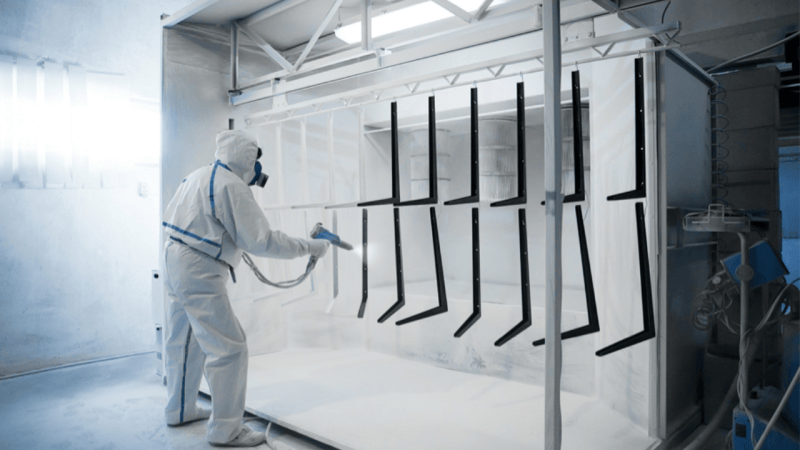
Coating Application
A clear coat, paint layer, or anodized finish forms a physical barrier between the metal and the environment. For outdoor or marine components, powder coating or hard anodizing provides long-term corrosion resistance.
Regular Maintenance
Perform routine cleaning using mild soap and water. Remove dirt, oil, and moisture buildup, and always dry the surface completely. Regular cleaning aluminum corrosion helps detect early signs of oxidation before it worsens.
Humidity and Environment Control
Store and operate aluminum products in dry, well-ventilated spaces. Avoid direct exposure to rain, salt, or chemicals. If used near the ocean or in humid climates, consider extra coatings and frequent inspections.
Proper Storage and Handling
Keep aluminum components separated from dissimilar metals like copper or steel, as galvanic corrosion may occur. Use dry, padded storage areas with temperature stability to prevent condensation.
Lubrication and Protective Waxes
Applying a thin layer of metal wax or corrosion inhibitor can slow down oxidation. These protective films are especially useful for automotive and CNC Aluminum parts during transport or long-term storage.
Choosing the Right Cleaner for Different Aluminum Surfaces
Selecting the right cleaner depends on the finish and oxidation level:
- For light oxidation: Vinegar or lemon-based solutions.
- For medium oxidation: Baking soda paste or mild alkaline cleaners.
- For anodized surfaces: Neutral detergents and non-abrasive pads.
- For industrial parts: Laser or chemical cleaning methods.
Using the correct method ensures efficiency without damaging the aluminum surface.
Conclusion
Aluminum oxidation is a natural process, but with the right approach, it can be effectively cleaned and prevented. From industrial laser and chemical cleaning to simple home solutions like vinegar or baking soda, there’s a method for every situation. Regular maintenance, proper coatings, and controlled environments can dramatically extend the lifespan of your aluminum parts.
If you’re looking for professional help with aluminum component processing or oxidation removal, HRCCNC can help.
We are a trusted CNC machining factory specializing in high-precision aluminum parts, surface treatment, and custom finishing solutions. Our team ensures your components not only meet strict dimensional accuracy but also retain their perfect appearance.
💬 Contact HRCCNC today to discuss your aluminum machining or cleaning project — we’ll provide a tailored solution that fits your needs.