Skip to content

Copper is a material human have used for thousands of years. It has been an essential component of many tools and modern electronics due to its unmatched thermal and electrical properties. Knowledge of copper’s melting point helps manufacturers, engineers, and researchers maximize its use in various applications.
What is the Melting Point of Copper?
Before looking at the exact melting point for copper, it is useful to clarify what a melting point is and how it behaves under different conditions.
Definition of Melting Point
The melting point of a substance is the temperature at which the solid begins to transition into a liquid phase. Thus, the two phases coexist in an equilibrium state. Further heating at the melting point does not raise the temperature but continues to convert the remaining solid into liquid.
Pure Copper Melting Temperature
Pure copper material melts at 1,085 °C (1,984 °F). When compared with most common metals, copper’s melting temperature is moderately high, indicating strong metallic bonding and a well-ordered atomic structure that allows efficient heat transfer.
The melting temperature indicates that copper remains thermally stable even at high temperatures, which should be taken into account in both electrical and industrial applications.
Units
Melting Points are usually described in °C, °F, or K, and in scientific literature are more prevalent as kelvins. Therefore, the melting point of copper would be approximately 1,358 K. Conversions and calculations between degrees are typically employed to provide the standard reference point for both research and industry.
Copper Melting Point vs. Boiling Point
Comparing these helps us understand the full thermal conductivity of copper.
Understanding Copper’s Boiling Point
The boiling point of copper is extremely high, around 2,562°C (4,644°F), which explains why it’s used in high-temperature applications such as electrical wiring, heat exchangers, and foundry equipment.
Temperature Range Between Phase Transitions
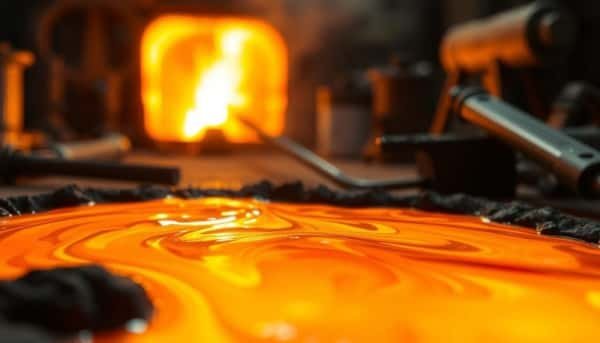
The large difference between the melting and boiling points (almost 1,500°C) yields a wide range of liquids. This enables copper to remain stable and workable in its molten state, which is suitable for casting, welding, and alloy making.
Liquid Range of Copper
Liquid range is the term used to express the difference between the temperature of melting and boiling. The wide liquidity range of copper offers flexibility in industrial processes and enables accurate temperature control during casting and refining.
Practical Implications for Processing
This broad thermal window enables industries to shape and form copper without immediate vaporization. In production, the preservation of copper in this range allows for easy casting, reduced oxidation, and improved metal flow.
Melting Point of Copper Alloys
Pure copper is rarely used for heavy-duty applications. Adding elements alters its mechanical and thermal characteristics, and often its melting point.
How Alloying Elements Affect Melting Temperature
When other metals are added, they alter copper’s crystal lattice and bond strength. The alloying elements, such as zinc, tin, or nickel, generally lower the melting point by disrupting the atomic structure of pure copper, thereby reducing the cohesive energy.
Common Copper Alloy Melting Points
Copper alloys respond differently to heat depending on their composition and microstructure.
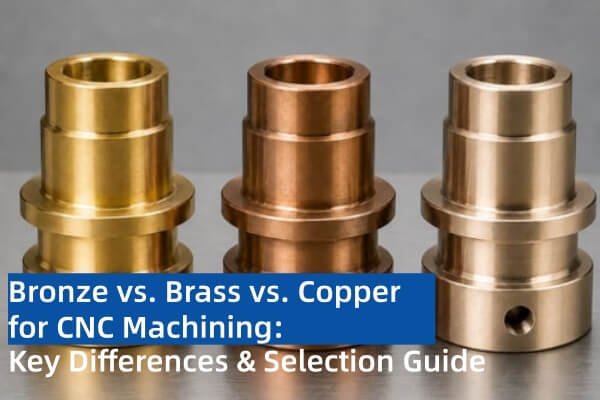
- Brass (Copper-Zinc Alloy): Brass melts between 900°C and 940°C. Zinc also lowers the melting point of copper, and brass is much easier to cast and shape without losing strength or corrosion resistance.
- Bronze (Copper-Tin Alloy):Bronze melts between 950°C and 1,050°C, depending on its tin content. It is harder and more durable, and it finds numerous applications in bearings, sculptures, and marine pieces.
- Beryllium Copper: The melting point of beryllium copper is between 870°C and 980°C. It is non-sparking and conductive, and, combined with its strength, it is suitable for hazardous conditions and the use of precise tools.
- Aluminum Bronze: Aluminum bronze is melted at 1,020°C to 1,040°C. This alloy is used in aerospace and marine engineering, where it is known for its golden color and corrosion resistance.
- Copper-Nickel Alloy (Cupronickel): Cupronickel melts at 1,170°C-1,230°C. It is ideal for use in ship hulls and desalination equipment due to its resistance to seawater corrosion.
- Tungsten Copper Alloy: Depending on composition, tungsten-copper has a melting range of 1,200°C to 1,400°C. It is strengthened and heat-resistant with the addition of tungsten, which is used in electrical contacts and arc-resistant parts.
- Other Copper Alloys: Alloys such as silicon bronze, phosphor bronze, and nickel silver are also used for specialized purposes that adjust copper’s melting characteristics. Their precise melting points range between 900°C and 1,200°C, depending on the proportions of secondary metals.
Factors Affecting Copper Melting Point
Various factors affect copper’s melting behavior in real-world conditions relative to its theoretical melting temperature.
Alloying Elements and Impurities.
Alloying elements such as zinc, tin, or nickel can significantly alter the melting point of copper. Even minute amounts of impurities can raise or lower the melting point. This is necessary to understand copper alloys in industrial processes.
Atmospheric Pressure
The melting point of copper varies with atmospheric pressure. Pressure slightly elevates the melting point, whereas vacuum conditions can lower it. This is very important in specialized manufacturing and high-precision casting.
Grain Size and Microstructure
The miniature structure and grain size of copper directly affect the melting performance. Small grains will allow even heating, whereas coarse grains can cause uneven melting. Manufacturers can control grain size to optimize copper melting.
Dislocation Density
Crystal defects and dislocations in copper affect the bonding between atoms, thereby
influencing the melting point. Thermal stability can be reduced by the high dislocation density, leading to local melting. Melt is characterized by consistency due to proper processing.
Surface Energy and Surface Area
Copper, with a high surface area – such as powders or thin sheets – melts at lower temperatures because it has more energy per unit area. This concerns additive manufacturing or specialized casting in particular. The melting behavior can be changed through surface treatment.
Stress Concentration
Mechanical stress may influence the location and mode of initiation of copper melting. Areas of high stress can become soft before the rest of the material. The stress distribution is accounted for to achieve homogeneous melting and structural integrity.
Environmental Factors
Copper’s melting point can be influenced by factors such as oxidation, moisture, and contact with reactive gases. Surface reactions or corrosion can cause some minor change in the melting temperature. This effect is commonly controlled by protective atmospheres or coatings.
Form Factor Variations
Copper shapes, in the form of rods, sheets, tubes, or wires, influence the efficiency of heating and melting. Thin shapes are easy to melt, whereas bulk shapes need energy. To
To ensure consistent melting, it is important to choose the right form factor.
Comparing Copper Melting Point with Other Metals
Knowing where copper stands among other metals helps explain its adaptability and value in industry.
Metals of Extreme Melting Points.
Other metals, such as tungsten, molybdenum, and platinum, have much higher melting points than copper. The relatively low melting point of copper makes it easier to cast and weld. These comparisons help engineers select the appropriate metal for high-temperature applications.
Similar Melting metals.
Copper is similar to silver and gold in melting point. This is what makes copper be utilized with these metals in jewelry and electronics. Knowledge of relative melting points provides adequate information on alloying and material compatibility.
Metals that melt at a Low Melting Point.
Aluminum, lead, and zinc melt at lower temperatures than copper. They are easier to cast but less resistant to heat. In contrast, copper’s higher melting point gives it better stability under high-temperature conditions.
Analysis: Where Does Copper Stand?
Copper balances between workability and thermal stability. It has a very high melting point for industrial use, but it is also too low to be cast. This renders copper versatile for electronics, plumbing, and manufacturing.
Why Knowing Copper Melting Point is Important
The study of copper’s melting behavior is not just theoretical; it is essential to safety and the efficient use of copper in industry.
Fabrication and Manufacturing
Knowing the accurate melting temperature ensures optimal conditions for casting, forging, and soldering, reducing structural defects and material waste.
Material Selection
Engineers must select materials, such as copper, that remain stable even at high temperatures, for example, in electrical wiring.
Thermal Stability During Machining
The thermal stability of copper provides good heat dissipation, thereby preventing tool damage and maintaining and protecting the product integrity during the machining process.
Safety and Structural Integrity
In heavy-duty building and manufacturing processes, the melting point is known to prevent overheating, which can make the material less safe and durable.
Energy and Equipment Planning
Proper temperature management reduces energy use and equipment wear during smelting and forming, enhancing production efficiency and sustainability.
Methods of Melting Copper
The various methods possess dissimilar advantages with respect to production volume, energy conservation, and purity requirements.
Melting in the Industries
An industry that involves melting copper employs various methods to ensure the temperature is maintained and contamination is minimized.
Induction Heating
Induction heating is a copper-melting technique that uses electromagnetic fields to heat the metal quickly and effectively. It can regulate temperatures accurately and reduce energy waste. It is a well-known method of purifying copper on a high grade.
Gas Furnace Melting
Copper is melted in a gas furnace using either propane or natural gas. They are affordable, offer moderate production capacity, and allow easy temperature control. Gas furnaces have foundries and workshops.
Electric Resistance Heating
Copper is heated by resistance coils using direct current. Resistance heating provides steady, controllable heat and is common in lab-scale and precision casting.
Arc Melting
Very high temperatures are generated by the arc melting in which electrical arcs are employed. It is used for small batches and specialty alloys. The procedure is applied to achieve complete melting and evenness.
Crucible Furnace
Copper is melted in a refractory-lined crucible, which provides controlled heating and low impurity levels. Crucible furnaces are ideal for controlled alloying and small-batch casting. One can closely monitor their temperature.
Plasma Arc Melting
Plasma burners can produce very high temperatures and melt copper. This method melts metal very efficiently and precisely. This method is used for high-grade alloys that require minimal contamination.
Vacuum Melting
Oxidation and impurities in copper will be reduced by vacuum melting. It yields very pure copper, ideal for use in electronics and aerospace manufacturing. The strategy ensures high performance and standards.
Other Ways of Heating
Experimental options can include new technologies such as microwave or solar concentrator heating. These can be environmentally friendly and power-saving. They are optimally applicable to research or niche production.
Choosing the Right Method
The available melting methods depend on the typical alloy type and cost. The trade-offs of both methods are cost, purity, and energy efficiency. The proper selection of the methods would ensure optimum copper melting.
How to Melt Copper: Step-by-Step Guide
It is important to take time before melting copper to do so safely and effectively. The next one is a small-scale/educational tutorial.
Step 1: Preparation
Assemble your equipment and a safe, well-ventilated work place: a crucible, a furnace or torch, protective equipment, and molds. Every heat-resistant tool should be completely washed.
Step 2: Material Preparation
Look at the copper for impurities such as coating or oxidation. Clean the surface of any impurities to prevent undesirable reactions during melting.
Step 3: Safety Measures
Wear heat-resistant gloves, safety goggles, a respirator, and a protective apron. Use heat-resistant shoes, ensure proper ventilation, place fire extinguishers, and remove any flammable materials.
Step 4: Heating Process
Place the copper in the crucible and heat it gradually. Slowly keep the temperature near 1,085°C (1,984°F) until the metal is molten.
Step 5: Pouring and Casting
When molten, the copper must be poured into heated molds. It is necessary to cool slowly to avoid cracks or air bubbles; once solidified, the pieces should be removed and finished.
Applicability Practical According to the Copper Melting Point
The copper melting point determines how it is used across various industries. Its thermodynamic properties enable it to be applied in both simple and sophisticated settings.
Electric and Electronics Applications
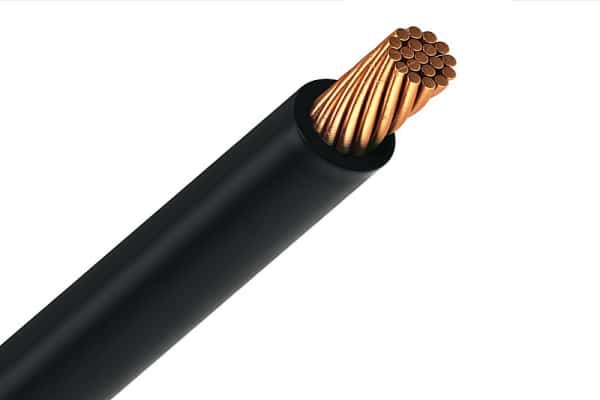
Copper has low electrical resistivity and high thermal conductivity, so for a given conductor size, it dissipates less heat, making it suitable for electrical wiring. It is used in wiring, circuit boards, devices, and connectors.
Construction and Plumbing
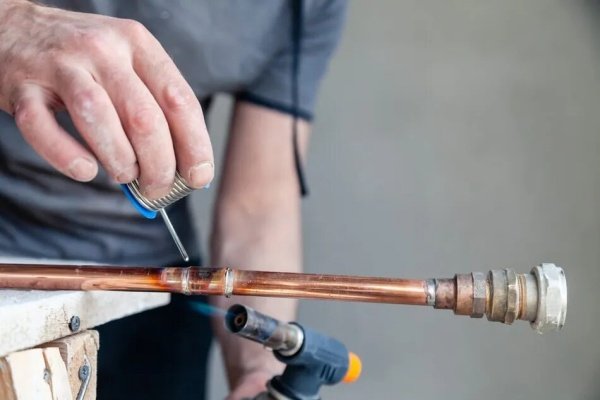
Copper’s resistance to heat and corrosion is also a strong trait; thus, it can be used in plumbing pipes and roofing. It is resistant to elevated temperatures and has mechanical strength.
Welding and Joining
Copper is used both as a base and filler metal in welding. It also has high melting points, resulting in stable joints under high stress.
Casting and Molding
Manufacturers cast copper into bearings, sculptures, and machine parts with high accuracy.
Preparation and Culinary Uses
Copper cookware gives even heating, but pure copper is not induction-compatible unless bonded with a magnetic base.
Marine and Industrial Use
Copper alloys such as cupronickel and bronze are also used in marine hardware, heat exchangers, and heavy equipment that is used in hot conditions.
Thermal Properties Related to Melting Point
The action of copper at high temperatures extends beyond its melting point. Its thermal characteristics determine the performance of electrical, mechanical, and thermal systems.
Thermal Conductivity of Copper
Copper is among the best thermal conductors of metals. This feature guarantees a high rate of heat transfer, which is necessary in electronics and cooling systems.
Heat Capacity and Thermal Expansion
Copper has a middle-range heat capacity, allowing it to retain and release heat effectively. The rate at which it expands under heat is predictable and stops structural distortion in engineering.
Relationship Between Thermal and Electrical Conductivity
Copper’s ability to conduct heat and electricity is strongly linked. The very free electrons that conduct electricity are also the ones that transfer heat, which is why copper has many applications in both energy and thermal systems.
Copper Oxide and Melting Considerations
The copper oxides that are formed on copper when it reacts with oxygen at high temperatures affect the performance of the melting process.
Copper Oxide Formation
Copper reacts with oxygen to produce two oxides at high temperature: the cuprous oxide (Cu₂O) and cupric oxide (CuO). These layers can influence the surface quality and heat transfer during the melting process.
Melting Points of Copper Oxides
Cuprous oxide melts at approximately 1232°C (2250°F), whereas cupric oxide melts at approximately 1320°C (2408°F). These oxides usually either build up as thin films or rise to the top of the molten copper. These oxides should be removed to maintain the purity of the molten copper during melting.
Conclusion
Knowledge of copper melting and the circumstances under which it occurs would help engineers, manufacturers, and artisans make the most of its resources safely and efficiently. For high-precision copper processing and professional CNC services, contact HRCCNC.