
Stainless steel is sleek and strong with a mirror-like finish. Its resistance to rust and corrosion has made the material a universal preference. Still, the question remains – is stainless steel truly ‘stainless’?
Despite the name, stainless steel isn’t immune to rigors. Certain conditions can trigger rust, tarnishing, or corrosion in SS steel. They leave behind unsightly blemishes while compromising the durability.
This guide dives deep into the truth behind stainless steel’s vulnerabilities. It focuses on discoloration or occasional rust, prevention of such issues, and proven methods to restore the signature finish.
Does Stainless Steel Rust?
Stainless steel contains at least 10.5% chromium (Cr). It reacts with oxygen to form a thin chromium oxide layer. The passive film protects the interior metal from further oxidation. However, the layer isn’t invincible as it gets damaged by –
- High chloride environments.
- Prolonged humidity or standing water.
- Mechanical damage or abrasion
- Exposure to harsh chemicals or acids.
One of the factors can eventually breach the passive layer. And it initiates rust, especially in SS steel grades with lower corrosion resistance.
Important Facts Related to Stainless Steel Rusting
- Chromium content threshold is ≥10.5% for optimal corrosion resistance.
- 304 and 430 are two rust-prone grades, especially in chloride-rich environments.
- 316L (marine-grade SS steel) contains molybdenum for enhanced resistance.
Does Stainless Steel Tarnish?
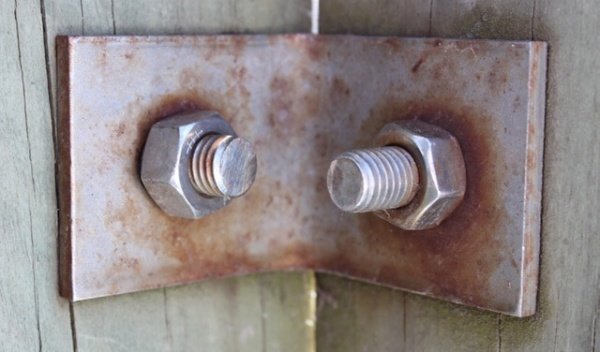
Stainless steel is praised for its resistance to tarnish. Likewise, specific conditions can make SS steel lose its luster. Tarnishing refers to the dulling or discoloration of the surface.
It’s not necessarily rust. Instead, consider it as a visible degradation of the aesthetic appeal. Stainless steel doesn’t tarnish as easily as silver or copper; it’s not entirely immune.
Why Does Stainless Steel Tarnish?
As mentioned, the protective chromium oxide layer prevents the interior from outdoor exposure. A damaged layer can induce eventual tarnishing of the steel. However, the reasons to trigger tarnish are more evident here.
- Chlorides (saltwater, cleaning agents).
- Polluted or acidic environments.
- High humidity or moisture retention.
- Contact with reactive metals or chemicals.
- Improper cleaning or abrasive scrubbing.
Important Facts Related to Stainless Steel Tarnishing
- 18% – 20% chromium content enables high tarnish resistance.
- 304 and 430 are tarnish-prone steel grades in acidic/chloride-rich conditions
- 316L (marine-grade) and 2205 Duplex are two tarnish-resistant grades.
- Billions spent in maintenance/repair due to tarnish (global infrastructure).
Common Types of Tarnish (Surface Discoloration)
- Rainbow sheen or iridescence: Comes from heat exposure or chemical reactions.
- Brown or yellow stains: Indication of oxidation or chloride attack.
- White haze or film: Derived from hard water deposits or cleaning residue.
- Black streaks: Result from galvanic reactions or industrial pollutants.
Does Stainless Steel Corrode?
Despite all the facts, SS steel can corrode under favorable conditions. Its corrosion resistance also originates from the passive chromium oxide layer. Stainless steel becomes vulnerable to various forms of corrosion upon contact with –
- Strong chlorides (saltwater or bleach).
- Acid immersion or acidic environments.
- Galvanic reactions with more reactive metals.
- Mechanical damage that disrupts the passive layer.
- Lack of oxygen in crevices or stagnant zones.
- Extreme temperatures can destabilize the oxide.
Important Facts Related to Stainless Steel Corrosion
- Minimum chromium content for corrosion resistance is ≥10.5%.
- 316L, 2205 Duplex, and 904L are the most corrosion-resistant grades.
- 304 and 430 are also corrosion-prone under specific conditions.
- Global metal/material corrosion costs over $2.5 trillion annually.
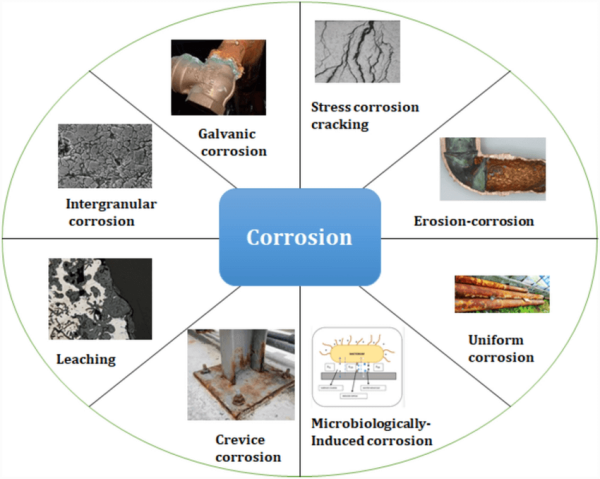
Different Types of Stainless Steel Corrosion
a. Surface Rusts
It’s the most visible yet the most commonly misunderstood form of corrosion. Surface rusts occur when the passive chromium oxide layer is compromised, allowing iron to oxidize.
b. Pitting Corrosion
It’s a localized attack that creates small, deep holes or pits in the surface. Pitting corrosion primarily comes from chloride ions (from salt, bleach, seawater) and stagnant moisture.
c. Crevice Corrosion
It occurs in shielded areas where oxygen is limited (under gaskets, washers, or joints). Trapped moisture, lack of oxygen, and chloride-rich environments eventually lead to this issue.
d. Uniform Corrosion
It’s a widespread but uniform degradation across the surface. Such problems are somewhat rare in SS steel but possible over prolonged exposure to highly acidic environments.
e. Intergranular Corrosion
It attacks the grain boundaries of stainless steel due to improper heat treatment or welding. Sensitization (chromium carbide formation) and/or poor welding are the culprits here.
f. Stress Corrosion Cracking (SCC)
It’s a dangerous form of corrosion where tensile stress and corrosive agents cause cracking. Chlorides, high temperature, and mechanical stress can affect austenitic-grade steels.
g. Galvanic Corrosion
It occurs when steel contacts a more reactive metal in a conductive environment. The contact initiates an electrochemical reaction even in mixed-metal assemblies (SS steel + carbon steel).
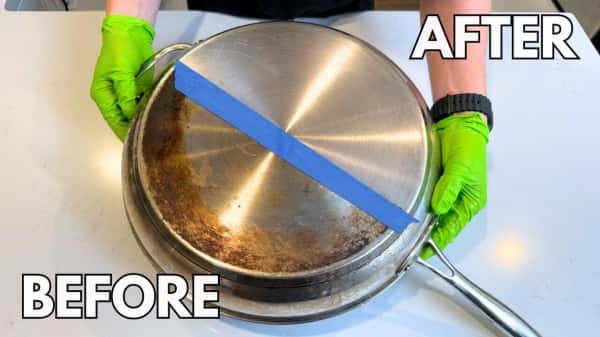
How to Clean / Treat Stainless Steel for Corrosion, Tarnish, and Rust?
Exposure to harsh environments, chemicals, or poor maintenance leads to rust / tarnish / corrosion. Fortunately, the right approach can restore the affected stainless steel to its original glory.
a. Understand the Problem First
- Rust: Visible orange-brown spots originating from chlorides, moisture, or scratches.
- Tarnish: Dullness, rainbow sheen, or yellowing due to heat, pollution, and chemical residue.
- Corrosion: Pitting, cracking, or discoloration from acids, galvanic reactions, and poor ventilation.
b. Basic Cleanup for Tarnish + Surface Dirt
Get warm water and a soft microfiber cloth for dirt. Apply a mild detergent or vinegar solution (1:1). Rinse the mix thoroughly and dry to prevent water spots.
Collect baking soda paste or white vinegar for rust. Apply with a soft cloth or sponge. Never use steel wool. Rinse and dry thoroughly to patch the surface.
c. Treating Pitting or Crevice Corrosion
Choose commercial passivation solutions (citric acid-based). Apply per the manufacturer’s instructions to restore the chromium oxide layer. Inspect joints and crevices regularly for trapped moisture.
d. Polishing for Tarnish and Discoloration
Invest in non-abrasive stainless steel polish or olive oil for shine. Buff in the direction of the grain. But avoid silicone-based products in food-grade applications.
e. Preventive Maintenance
Rinse stainless steel after exposure to salt, bleach, or acidic foods. Avoid contact with reactive metals (carbon steel). Get 316L or Duplex grades for harsh environments. Apply protective coatings or sealants in industrial zones.
f. Advanced Treatments for Industrial Use
- Passivation: It restores the protective oxide layer in food, pharma, and marine applications.
- Electropolishing: It smooths the surface with enhanced corrosion resistance for medical and aerospace uses.
- Coating (Epoxy / Acrylic): It induces a barrier for protection across construction + oil & gas.
How to Prevent Corrosion, Tarnish, and Rust in Stainless Steel?
a. Choose the Right SS Steel Grade
304 stainless steel is versatile but vulnerable to chlorides. 316L contains Mo with superior resistance in marine or chemical environments. Duplex and 904L grades are ideal for extreme industrial conditions.
b. Apply Passivation Treatments
Passivation removes iron particles and restores the oxide. Introduce citric or nitric acid-based solutions for industrial-grade protection. European food plants perform passivation quarterly to prevent crevice corrosion.
c. Avoid Cross-Contamination
Never store or clean stainless steel with carbon steel tools. Instead, choose dedicated brushes, cloths, and containers. Contamination from carbon steel is a leading cause of rust in stainless steel kitchenware.
d. Proper Drainage and Ventilation
Design appropriate installations to avoid water pooling. Implement sloped surfaces and open joints to promote airflow. Singapore’s MRT system incorporates drainage grooves in SS steel panels to prevent moisture buildup and surface rust.
e. Protective Coatings or Sealants
Consider applying epoxy, acrylic, or ceramic coatings in industrial zones. You can also go for clear sealants for architectural finishes. Middle Eastern oil refineries use epoxy coatings on steel pipelines to prevent stress corrosion cracking.
f. Implement Routine Cleaning
Always clean the surface with mild detergents or vinegar solutions. Avoid abrasive tools like steel wool. Rinse and dry thoroughly to prevent water spots + chemical residue. Regular cleaning reduces corrosion risk by up to 70% in high humidity.
g. Avoid Galvanic Contact
Don’t mix stainless steel with more reactive metals (aluminum, carbon steel) in moist environments. Deploy insulating washers or coatings to separate metals. New York’s subway experienced galvanic corrosion in mixed-metal fasteners.
h. Inspect Welds and Heat-Affected Zones
Improper welding can lead to intergranular corrosion or stress corrosion cracking. Choose low-carbon grades (304L/316L) to reduce sensitization. Apply post-weld passivation and electropolishing.
How to Polish Stainless Steel?
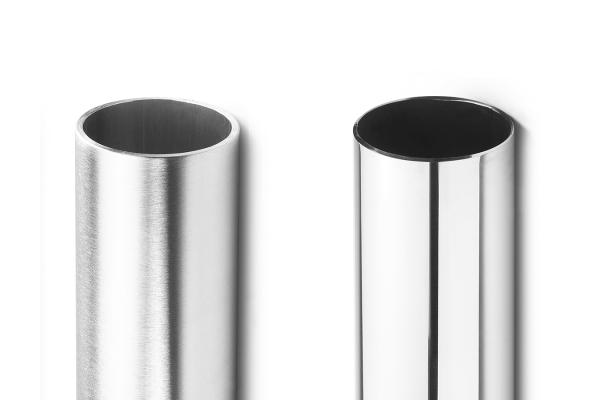
Polishing stainless steel restores the shine. It marks a crucial maintenance step to enhance corrosion resistance, improve hygiene, and extend longevity.
Importance of Polishing SS Steel
- Restoration of aesthetic appeal by removing tarnish, smudges, and oxidation.
- Improved resistance by smoothing out micro-abrasions that trap moisture or contaminants.
- Enhanced hygiene throughout food, medical, and pharmaceutical environments.
- Extended service life of steel components under harsh industrial conditions.
Polishing Stainless Steel: Step-by-Step
#01: Surface Preparation
Clean the surface with warm water and mild detergent. Get a microfiber cloth to remove dust, grease, and residue. Dry thoroughly to prevent water spots.
#02: Choose the Right Polish
For light tarnish: Apply white vinegar, olive oil, or baking soda paste.
For a deeper shine: Consider commercial polish (Bar Keepers Friend, Weiman).
For pro-grade polishing: Mechanical buffing with fine abrasive pads or electropolishing.
#03: Apply Polish in Grain Direction
Always polish with the grain to avoid micro-scratches. Get a soft cloth or sponge. Buff gently until the surface gleams.
#04: Rinse and Dry Thoroughly
Remove any polish residue with clean water first. Dry with a microfiber cloth to prevent spotting or streaking.
#05: Apply Protective Coating (Optional)
Induce clear sealants or wax-based protectants for outdoor or industrial applications. It should repel moisture, pollutants, and fingerprints.
When to Seek Professionals or Replacements?
Minor rust or tarnish can often be treated with DIY methods. However, advanced corrosion, structural concerns, or hygiene-critical damage may require professional intervention.
Signs You Need Professional Help
- Persistent or Deep Pitting Corrosion: Small, crater-like holes penetrate the surface. Pitting weakens structural integrity and can spread internally.
- Stress Corrosion Cracking (SCC): Hairline fractures occur near welds or high-stress zones. SCC can lead to sudden, catastrophic failure.
- Intergranular Corrosion Near Welds: Cracking or discoloration appears along weld seams. It indicates poor heat treatment or sensitization, which can compromise joints.
- Recurring Rust Despite Cleaning: Surface rusts return shortly after cleaning. Such a pattern suggests contamination, poor grade selection, or environmental mismatch.
- Hygiene-Critical Applications: Tarnish or corrosion can harbor bacteria and violate safety standards. It’s crucial for food processing, medical equipment, and pharmaceuticals.
When to Replace Stainless Steel?
Even professionals can’t always save the day. You may have to go for a full replacement when –
- The corrosion has penetrated beyond the surface level.
- Structural integrity is compromised.
- The cost of repair exceeds replacement.
- The alloy grade is unsuitable for the environment.
- Hygiene or safety standards are at risk.
Conclusion
Stainless steel promises permanence, reliability, and performance. It’s not wrong, but the true brilliance depends on how you treat the material. It can rust, tarnish, or corrode for sure. Still, the right tools, approach, and care should turn these burdensome issues manageable.
Best Steel with Optimal Rust-Tarnish-Corrosion Resistance at HRCCNC
Guaranteed satisfaction is here at HRCCNC with top-level steel CNC manufacturing services. We’ve been at the top of the SS steel market for 18 years. Contact us to reach leading industry experts for consultation.