Skip to content

Brass and bronze both start with copper, but they differ significantly in composition, performance, and purpose. Brass primarily combines copper with zinc, while bronze usually mixes copper with tin. These subtle changes affect strength, machinability, corrosion resistance, and appearance. Understanding their traits helps you choose the right material and control quality and cost in a machining project.
Humans have worked with brass and bronze for over five thousand years. They remain critical in manufacturing and art. Today, they appear in architecture, marine craft, defense, aerospace, and electronics, and they are especially valued in CNC precision machining. This guide explores the compositional differences, key properties, and typical uses of these two copper-based alloys to help you make informed decisions for your next project.
Introduction to Copper-Based Alloys
Copper-based alloys use copper as the main ingredient and add other elements to improve strength, corrosion resistance, and formability. These properties make them important in metal machining and manufacturing. Among these alloys, brass and bronze are the most common and widely used.
Why Brass and Bronze Are Common in Metalworking?
Brass and bronze balance strength, corrosion resistance, and workability. They meet structural requirements for precision parts while offering a warm, rich surface finish.
They allow easy machining and resist chemical attack, making them versatile for many applications. From fine jewelry and musical instruments to gears, valve bodies, and industrial components, brass and bronze provide durability without excessive weight, making them ideal for engineers and designers.
Brass generally offers higher machinability, while bronze provides greater durability in harsh conditions.
Brief History and Evolution of Brass and Bronze Use
Bronze is one of humanity’s first man-made alloys, dating back over five thousand years. Early civilizations used bronze to make strong tools, sharp weapons, and elegant sculptures, marking a new era in metalworking.
Brass appeared later, around 500 BC, when zinc smelting technology advanced. The Romans valued brass for coins, decorative items, and piping systems.
Over time, the manufacturing techniques for both alloys improved. Today, controlled compositions and advanced machining provide higher strength and better corrosion resistance. These ancient alloys still play an important role in modern design and industrial production.
What Is Brass?
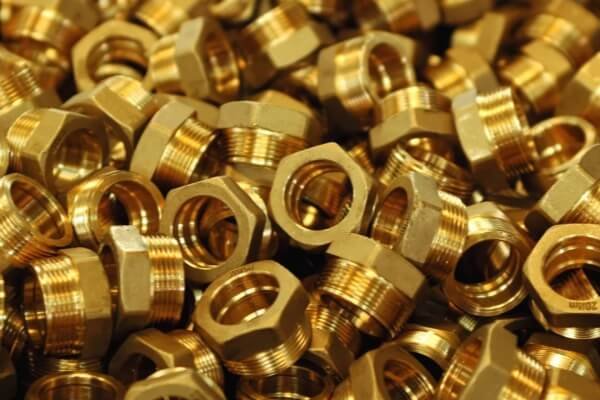
Brass is popular for its golden color and high machinability. It works well for decorative items and precision parts.
Brass Composition and Alloying Elements
What is brass made of? Brass is a copper-based alloy mainly composed of copper and zinc. Zinc content usually ranges from 5% to 45%. Higher zinc increases hardness and strength while also improving ductility.
Besides copper and zinc, brass may contain small amounts of other elements to adjust its properties. Lead, typically under 3%, improves machinability for complex parts. Aluminum enhances corrosion resistance, manganese boosts strength, and elements like iron, tin, and silicon affect mechanical performance, electrical properties, and color. This combination allows brass to meet requirements for applications ranging from musical instruments and decorative items to electrical connectors and mechanical components.
Key Properties of Brass
Brass offers medium to high strength and excellent ductility, making it suitable for complex parts like valves, pipes, or curtain rods. It has good thermal and electrical conductivity, which works well in heat exchangers and electrical connectors. Brass polishes easily to a bright, wear-resistant surface, performing well in low-friction environments.
What Is Bronze?
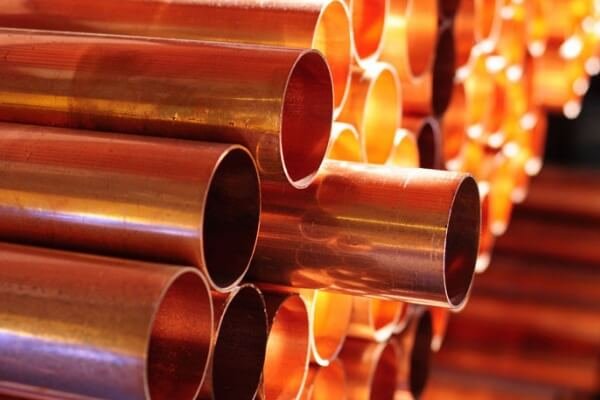
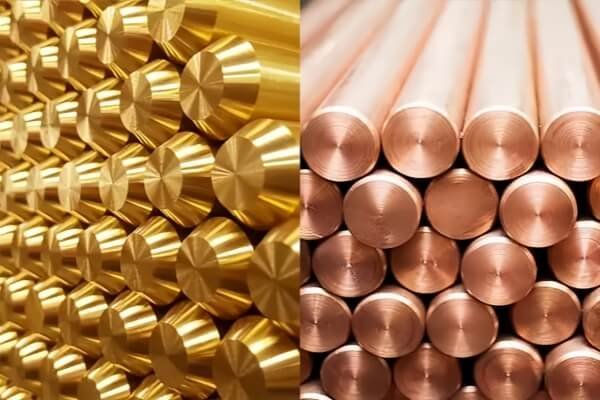
Bronze has higher hardness and outstanding wear and corrosion resistance. Its deep reddish-brown color makes it popular for both practical and artistic applications.
Bronze Composition and Alloying Elements
Bronze is mainly a copper-tin alloy, with tin content usually ranging from 1% to 15%. Higher tin increases hardness and strength. Modern bronze may also contain small amounts of phosphorus, silicon, nickel, manganese, zinc, arsenic, and aluminum. These elements improve mechanical performance, corrosion resistance, and casting properties.
Phosphorus strengthens the alloy and improves castability, silicon helps with large castings, and nickel enhances corrosion resistance, making bronze ideal for marine and harsh environments. Bronze is low in brittleness and has good ductility, making it suitable for mechanical parts, sculptures, and decorative components. However, copper is chemically active, so bronze surfaces can oxidize over time, forming brown-green or even blue-green patina.
Key Properties of Bronze
Bronze provides excellent strength, hardness, and wear resistance, remaining stable even at high temperatures. It resists seawater corrosion and friction, making it ideal for bearings, bushings, gears, and marine equipment. Bronze does not spark on impact, which makes it safe in explosive environments like refineries.
Its warm reddish-brown appearance naturally develops a rich patina over time, giving sculptures, architectural hardware, and decorative items a lasting, artistic character.
Bronze vs Brass: Key Differences
Brass and bronze are both copper alloys, yet they differ in strength, ductility, wear resistance, and corrosion behavior. The comparison below helps you understand their unique advantages and ideal applications.
Physical and Mechanical Properties
Brass has a density of about 8.4 to 8.7 g/cm³, so it is slightly lighter. It offers medium strength, good thermal conductivity, and smooth machinability. Its bright golden appearance makes it suitable for parts that need both function and a clean visual finish.
Bronze is denser and stronger. Its Brinell hardness often ranges from 60 to 200, and its tensile strength is about 20 to 30 percent higher than brass. It stays stable under pressure and heavy loads and shows better overall mechanical stability. For high-strength and high-reliability parts, bronze is often the better option.
Ductility, Machinability, and Formability
Brass performs well in ductility. Even thin brass sheets bend without cracking, which makes brass an excellent choice for stamping, turning, and parts that require detailed forming. Small amounts of lead further improve machinability and reduce tool wear, increasing efficiency in CNC processes.
Bronze has lower ductility but higher toughness and load-bearing capability. It tends to work-harden, so cutting and forming require more precise control. Bronze is also known for its very good casting performance, making it suitable for complex and dimensionally accurate cast parts.
Corrosion and Wear Resistance
Bronze offers stronger corrosion resistance, especially in water and saltwater environments. It forms a natural protective layer that helps prevent rust and discoloration, which is why it lasts well in marine and humid conditions. Brass also resists corrosion, but it can lose shine or discolor in salty or wet environments. In some cases, dezincification can occur, turning the surface from gold to pink. Copper plating or other coatings can improve brass corrosion resistance.
Bronze also excels in wear resistance. It is ideal for bearings, gears, and other high-friction parts, and handles micro-motion wear well. Brass is more suitable for low-friction or light-load applications such as trim parts, decorative edges, and door handles. While it is not as wear-resistant as bronze, brass is much easier to machine and polish.
Overall, bronze fits long-term use and demanding environments, while brass works best where appearance and light-duty performance matter.
Electrical and Thermal Conductivity
Brass offers better electrical conductivity. It typically reaches about 28 percent pure copper, while bronze averages between 15 and 20 percent. Some bronze grades drop as low as 7 percent. This makes brass a strong choice for terminals, plugs, switches, and connectors that need steady electrical transfer. Brass connectors also maintain good contact force after many cycles and balance hardness, durability, and cost.
Bronze does conduct electricity, but it is used more for structural parts or components that need partial insulation.
Brass also transfers heat more effectively than bronze. It works well in radiators, heat exchangers, and thermal components in research equipment. Bronze still conducts heat well, especially in bearings and friction parts where heat must dissipate, but it is not as efficient as brass overall.
In short, brass fits applications that require strong electrical or thermal performance, while bronze excels in high-load and non-electrical environments.
Overall Performance and Material Selection Tips
Brass stands out for its bright appearance, excellent ductility, and easy machining. It is ideal for decorative parts, electrical connectors, jewelry, hinges, and plumbing fittings that need flexible shaping and a smooth finish. It also performs well when the project requires strong conductivity.
Bronze fits high-load or harsh environments. Its high strength, corrosion resistance, and wear resistance make it suitable for marine propellers, gears, bearings, offshore components, and outdoor sculptures. It stays stable under friction and in wet conditions for long periods.
Choose based on environment, mechanical stress, appearance, and budget.
Select brass when you want easy machining and a refined look. Choose bronze when durability and structural strength matter most.
Finishing and Surface Treatments
The right surface treatment improves both appearance and durability. Brass and bronze respond well to many finishing methods that enhance their metallic character.
Polishing, Plating, and Coating Options
Brass and bronze support a range of surface treatments that improve both looks and performance. The brass finish polishes very well. Red rouge or diatomaceous polishing compounds help create a bright mirror finish. Brass also works well with nickel, chrome, or gold plating. These finishes increase shine, improve hardness, and reduce scratching. In projects that involve machining bronze, bronze can also be polished, yet many projects prefer a patina finish, either through natural oxidation or chemical treatment. This gives bronze its warm tone and classic aged look.
Plating improves appearance, increases wear resistance, and slows oxidation for both metals. Clear lacquer, wax, or other protective coatings help delay discoloration and keep the surface smooth for longer periods.
Conclusion
Brass and bronze each offer distinct advantages: brass provides a bright appearance, excellent machinability, and good electrical and thermal conductivity, while bronze delivers superior strength, corrosion resistance, and wear performance, making it ideal for long-service structural components. When selecting between the two, consider the operating environment, mechanical requirements, and aesthetic needs of your project.
With proper polishing, electroplating, or protective coatings, both copper alloys can further enhance durability and appearance, ensuring stable performance in real applications.
At HRCCNC, we provide advanced CNC machining capabilities for copper-based alloys, delivering precise results even for complex geometries and demanding surface requirements. If you’re looking for a reliable partner for brass or bronze machining, feel free to contact us for a professional solution and quotation.