Skip to content

CNC machining involves shaping metal alloys into highly precise fittings, bearings, and components. Bronze, which is primarily composed of copper, tin, and lead, is one of the best metals for CNC machining shops. It offers exceptional corrosion resistance, strength, and wear resistance, which improve performance under demanding service environments.
This article will explain the alloys of Bronze used for CNC machining. You also learn practical tips for machining a high-performing workpiece.
What is Bronze? Definition & Composition
Here you learn all about Bronze composition.
Basic Composition:
Copper is alloyed with tin and lead to produce pure Bronze alloy. Lead gives Bronze its free-machining characteristics. But elements such as Aluminum, nickel, or manganese can be added to improve Bronze’s hardness, ductility, or flexibility.
Overall, Bronze is a cost-friendly metal and one of the most versatile. It finds wide use in bearings and marine applications that require high resistance to seawater. It is also widely used in electrical switches, housing units, and wiring due to its fair conductivity.
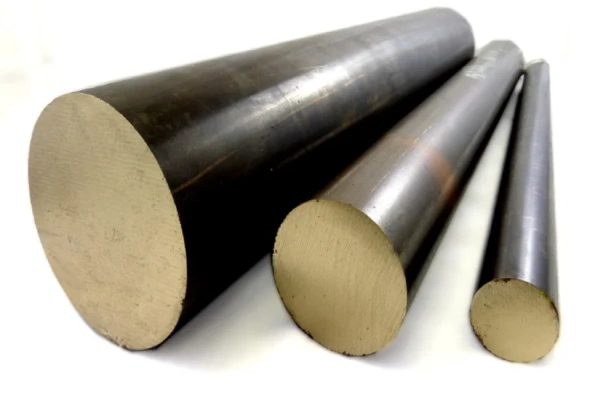
Bronze is sold in the form of tubes, ingots, rods, and sheets.
Differences between Bronze, Brass, and Other Copper Alloys
Commercial Bronze is made of copper alloyed with tin, lead, and other elements. Meanwhile, commercial Brass is made of copper alloyed with zinc. These are the two most common copper alloys, but the family also includes nickel silver.
For CNC-machinists, Bronze offers the greatest value, with an incredible machinability rating of up to 90%. It also exhibits low friction, so bearings and sliding components last longer when they are manufactured from Bronze.
Effect of Composition on Mechanical & Physical Properties
Bronze is incredibly easy to cut and shape into precision parts because it contains a high concentration of lead. Moreover, Bronze is made up of tin, enhancing the hardness and corrosion strength of existing copper.
Due to its unique chemical makeup, Bronze exhibits excellent friction and wear resistance, outperforming steel for high-speed CNC machining.
Types of Bronze Alloys Used in CNC Machining
Several commercial grades of Bronze are frequently used in CNC machining. These include:
Phosphor Bronze:
Phosphor Bronze contains up to 11% tin and 0.35% Phosphorus. Phosphor increases the durability of your alloy, while tin makes it more resistant to corrosion.
CNC machinists favor this grade of Bronze because it is extremely flexible yet strong. It finds extensive use in CNC prototypes, springs, electrical switches, bushings, dental bridges, and even ship propellers.
Aluminum Bronze:
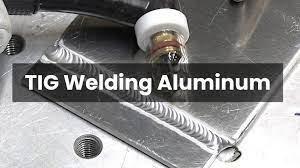
Aluminum is a lightweight metal that offers exceptional strength. Manufacturers alloy Bronze with up to 14% Aluminum so that it can resist heavy loads. Due to their saltwater corrosion, Aluminum Bronze alloys are widely used in building valves, propellers, and ship parts.
Silicon Bronze:
Silicon Bronze contains a low amount of lead along with iron and silicon. Other trace elements are zinc, manganese, and Aluminum.
Silicon Bronze is characterized by a smooth dimensional finish and fair resistance against pollutants and moisture. It also exhibits yield strength ranging from 105 to 415 MPa, making it a good choice for maritime components, welding rods, and hydraulic uses.
Nickel-Aluminum Bronze
Nickel-Aluminum Bronze is formed by combining copper with Aluminum and nickel. These two elements enhance the strength of your alloy without any reduction in ductility. Nickel-Aluminum Bronze is a good choice for ship valves, bushings, and wear plates.
Bearing Bronze:
Bearing Bronze is the best Bronze alloy for CNC machining. It is typically formed with copper, lead, tin, zinc, and a few other trace elements. Bearing Bronze offers optimal performance during machining due to its formability. Bearing Bronze is widely used in thrust washers, bushings, and bearings, as its name implies.
Less Common or Specialized Alloys:
There are some less common alloys of Bronze that we will not discuss in detail. But they are worth mentioning.
- Bismuth Bronze
- Manganese Bronze
- Zirconium Bronze
- Titanium Bronze
- Cadmium Bronze
How Bronze is Created / Cast
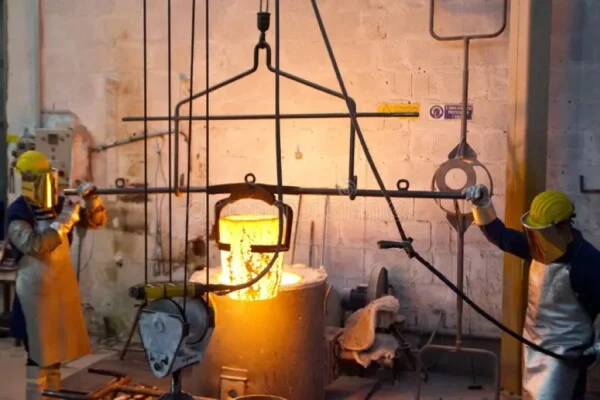
In the last section, you discovered different Bronze alloys favored by CNC machinists. In this section, you will learn the exact process of casting Bronze alloy and the precautions to follow.
Casting Methods
The process of Bronze casting begins with creating the original model of your mold. Next, manufacturers design an accurate mold based on the model. Commercial Bronze casting methods range from sand casting to investment, lost-wax, and centrifugal casting. For more information, use this guide on Bronze casting methods.
Melting and Alloying Processes
In the foundry, we melt copper, the primary base metal, at around 1,085 °C. Next, elements such as tin, lead, Aluminum, or silicon are then added in controlled amounts to tailor hardness, wear resistance, or machinability.
The melting points of Bronze alloys differ based on their composition. Therefore, our metallurgists carefully monitor the heating process to ensure the workpiece performs exceptionally well for your application.
Cooling, Solidification, Grain Structure Effects
After heating the metal, carefully pour the molten Bronze into your workpiece mold. Once it fills the mold, leave it to cool and solidify.
Post-Casting Treatments
After Bronze is cast, you can apply heat treatments such as annealing. Heat treatment alters the microstructure of Bronze into a more ductile state. It relieves internal stresses acquired during manufacturing.
Bronze CNC Machining: Best Practices & Challenges
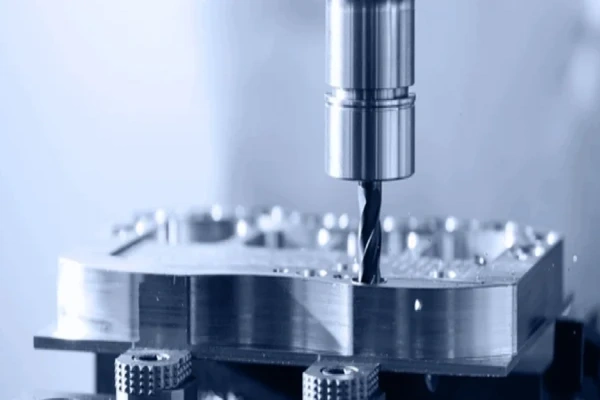
Some best practices to follow when machining Bronze alloy include
Machining Challenges Unique to Bronze
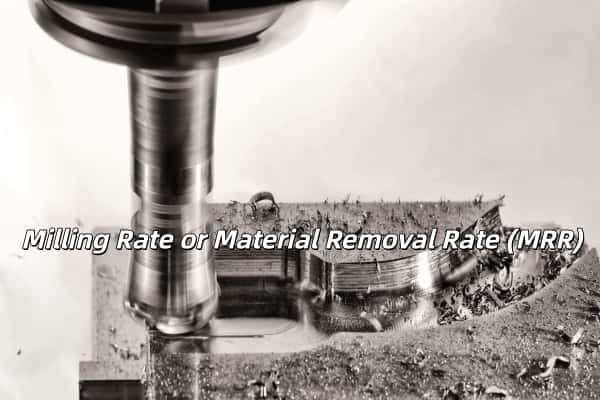
When heat builds up, Bronze alloys such as phosphor Bronze may become sticky, leading the cutting tool to wear faster. Use polished carbide tools if you want to prevent sticking, and apply a water-based coolant to wash away chips.
Tool Selection
It is best to pay a premium on high-speed steel cutting tools, since they offer high resistance against abrasion and wear. Titanium nitride cutting tools are an excellent but costly alternative that offers even higher durability.
Cutting Parameters
Another aspect to carefully monitor is the cutting speeds. An excessive cutting speed promotes overheating, which can cause work hardening of your material. Work hardening causes poor dimensional finishes, and the best way to avoid it is to avoid excessive cutting forces.
Fixturing, Thermal Control, Vibration Minimization
During CNC machining, you can manage the thermal expansion of Bronze by controlling heat generation. Simply use cutting fluids or coolants to maintain a stable temperature.
Components & Uses of CNC Bronze
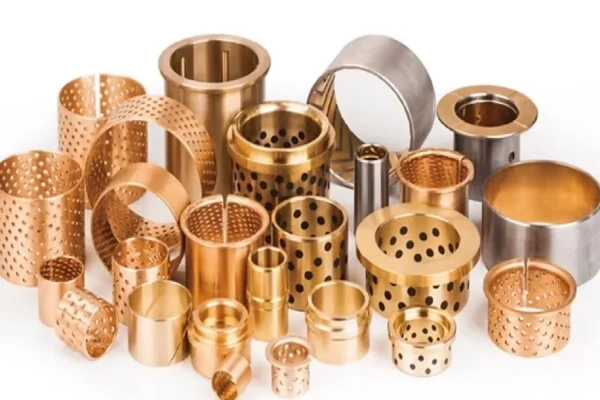
Bronze is one of the versatile metals. It finds extensive application across the automotive, decorative, marine, and manufacturing industries. This section goes into greater detail about appliances built from Bronze.
Bearings, Bushings, Gears, Valves, Shafts
Bearing Bronze is an excellent choice of metal for valves and fittings. The alloy provides excellent machinability and corrosion strength in corrosive environments. Even better, Bronze alloy is characterized by optimal durability and friction properties, making it a good selection for bearings and bushings.
Bronze Machine Screws: Advantages and Limitations
Bronze screws provide excellent resistance to corrosion, and they are a good choice in assemblies. Bronze screws also corrode more slowly than steel in seawater, making them a good choice for marine applications. Be aware, Bronzer screws are not as tough as stainless steel, so they may not always be ideal under high torque or high load use cases.
Decorative & Architectural Applications (Finishes, Patina)
Bronze alloy accepts decorative finishes well and develops a thin patina that protects the surface. As a result, CNC machines use Bronze for sculptures, railings, door handles, and other decorative pieces that withstand decades of service.
Marine, Electrical, Industrial Environments
Bronzes last long in some of the harshest service environments. It offers superior resistance to pollutants and moisture compared to stainless steel. According to Copper.org, this property makes Bronze a good choice for hardware such as pumps, boat propellers, and fittings.
In addition, Bronze alloy offers great electrical conductivity. So engineers often rely on metal for electrical switches, plates, and wires.
Surface Treatments & Finishes
You can apply various surface treatments to Bronze if you want to tailor it to your desired aesthetic. These surface treatments also improve corrosion resistance, increasing durability against harsh environmental factors.
What is “Aluminum Bronze Finish”? Colour, Patina, Visual Appeal
When Aluminum Bronze withstands prolonged exposure to air or pollutants, a greenish patina forms on the outermost layer of your alloy. This patina darkens the surface layer of Bronze while protecting it from further corrosion.
Polishing, Plating, Coating Options
Polishing Bronze produces a glossy surface finish that enhances the appearance of your components. A polishing surface treatment is best reserved for decorative Bronze appliances that are erected in public spaces.
Besides polishing, you can apply chemical coatings to Bronze alloy if you want to improve corrosion resistance and visual appeal. The most widely used chemical coatings for Bronze are Titanium Nitride and Titanium Carbonitride.
Prevention of Oxidation, Corrosion Protection
To prevent your Bronze from corroding, you may apply a protective coating made of wax, polymers, or sealants. This coating enhances resistance against corrosion while providing decorative finishes in several colors.
Design Considerations for CNC Machined Bronze Parts
Here, you will discover surface treatment and finish considerations for CNC machining Bronze.
Tolerancing and Dimensional Accuracy
When casting Bronze before machining, typical tolerances allowed are 0.002 to 0.005 cm, depending on the machining approaches and component precision. Simple designs can work with smaller tolerances, but highly precise parts need accurate machining. Factors such as machining speed, coolant use, and tool wear affect precision in this stage.
Wall Thickness, Feature Geometry, Undercuts
Thin walls in Bronze can distort or vibrate under cutting forces. Therefore, you must design them with enough thickness to hold their shape, usually no less than 2–3 mm for stability.
When you design for CNC, you save yourself headaches if you think about machinability early. You should avoid overly complex geometries that force long, thin tool passes since Bronze resists rubbing and can chatter. Instead, use rounded internal corners, accessible features, and consistent wall sections to keep cutting forces stable.
Allowances for Machining (machining allowance vs casting)
If you cast the Bronze part before machining, you must leave enough allowance to remove surface imperfections and shrinkage. A typical machining allowance ranges from 2 to 5 mm.
Thermal Expansion, Distortion, Fatigue
One downside to Bronze alloy for CNC machining is that parts heat up and expand quickly under high loads. If you are machining Bronze yourself, you must frequently apply coolant and factor this aspect into your tolerances. Additionally, fatigue-prone parts like shafts may develop cracks during machining. So you must take extra precautions to avoid ruining your workpiece.
Casting vs Machining vs Hybrid Approaches
In this section, you discover the ideal scenario to cast Bronze vs when to machine Bronze.
When to Cast vs When to Machine
It is better to cast Bronze when you need large, precise parts that would produce excessive waste from cutting. These can include bushings, valves, and gears. In contrast, it is better to machine Bronze alloy if you are producing tiny precision parts with tight tolerances.
Hybrid Methods: Casting + CNC Machining for Precision Features
During CNC machining, you can cast the general form of your Brass workpiece first. Then machine the features that require precision, such as threads or bearing faces, next. Using this approach, you can save material costs and time on your project. Common appliances produced through this method are gears, pump housings, and mechanical shafts.
Cost, Time, Quality Trade-offs
Casting Bronze appliances in bulk is typically cost-friendlier than CNC machining. This is because once you pay for the mold, every additional piece costs less to produce. However, if you only need a few batches, machining solid stock becomes cheaper.
When it comes to quality, Casting produces an alloy with exceptional strength. However, the surface finish and tolerances cannot match those of CNC-machined Bronze.
Conclusion
In summary, Bronze finds extensive use in CNC machining shops due to its machinability, wear resistance, and corrosion strength. The metal outperforms CNC machining of stainless steel in many applications that require durability and atmospheric resistance. If you want to CNC machine Bronze, it is best to consult the guidance of CNC specialists HRC. That way, you can prevent a workpiece that exhibits the wrong properties while conserving material cost.