 Skip to content

China Custom CNC Milling Services
Delivering precision CNC milling for complex parts with advanced 3, 4, and 5-axis capabilities.
From rapid prototypes to large-scale production, we ensure unmatched accuracy and quality.
- Tight tolerance control
- Fast prototype turnaround
- Multi-axis machining flexibility
CNC Milling Service Online: Multi-Axis Machining for Custom Parts
Our CNC milling capabilities include 3-axis, 4-axis, and 5-axis machining to handle complex geometries and tight tolerances. With state-of-the-art machines and skilled engineers, we manufacture precision parts from a wide range of materials.
3 Axis CNC Mill
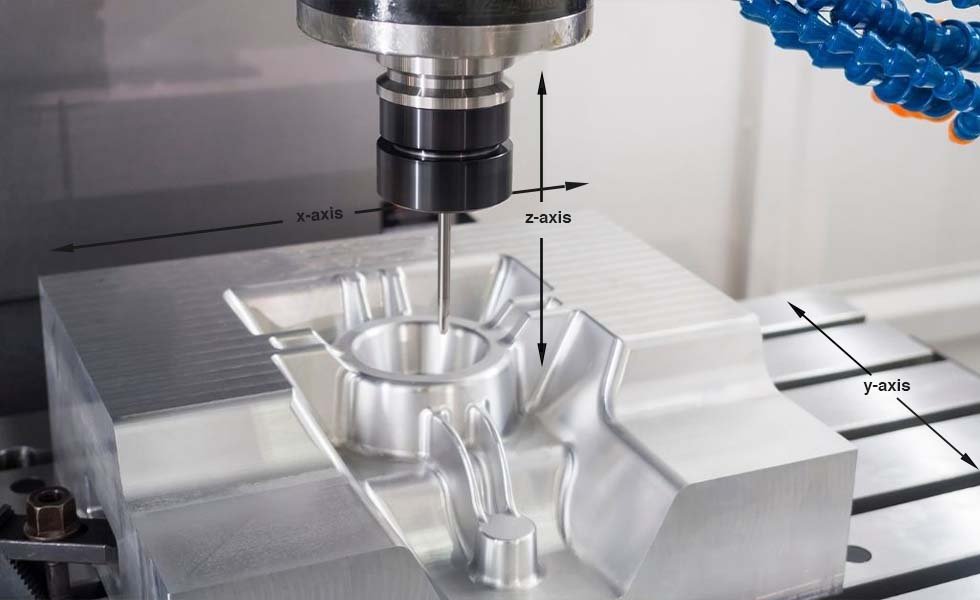
The foundation of our milling services, 3 Axis CNC Machining operates on X, Y, and Z axes to create straightforward, yet precise parts. Ideal for flat surfaces, holes, slots, and basic 3D shapes, this cost-effective solution is perfect for low-to-medium volume production and prototypes where complexity is minimal. We use high-speed spindles and premium cutting tools to ensure fast turnaround without compromising accuracy.
Advantages:
- Fast turnaround times
- Cost-effective for simple designs
- Ideal for milling slots, holes, and flat surfaces
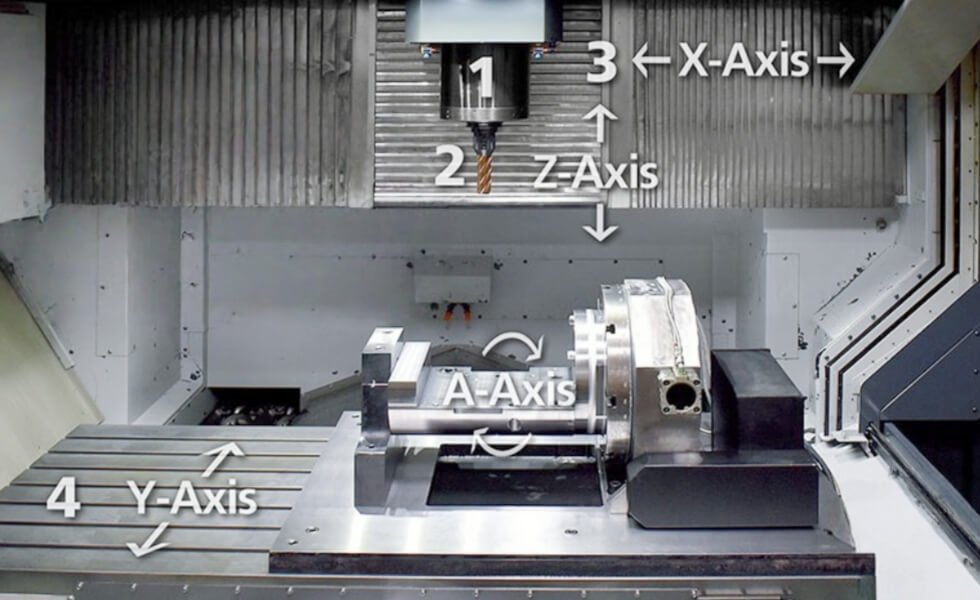
Taking precision a step further, 4 Axis CNC Machining adds a rotational A-axis to the standard 3-axis setup, allowing the workpiece to rotate around the X-axis. This capability enables machining of complex features like grooves, contours, and angled holes in a single setup—reducing part handling, minimizing errors, and speeding up production. It’s widely used for automotive components, aerospace parts, and industrial fixtures that require consistent, multi-sided machining.
Applications:
- Complex shapes
- Cylindrical parts
- Enhanced precision for intricate features
4 Axis CNC Mill
5 Axis CNC Mill

Our 5 Axis CNC Machining service offers the ultimate in flexibility and precision, integrating X, Y, Z linear axes with two additional rotational axes (typically A and C). This allows the cutting tool to approach the workpiece from any angle, making it possible to machine highly complex, 3D geometries in one operation—eliminating the need for multiple setups and reducing lead times.
Benefits:
- Reduced setups and increased efficiency
- Tight tolerances for aerospace and medical components
- Perfect for complex geometries and multi-angle surfaces
From Prototype to Production: Complete CNC Machining Solutions

Rapid Prototyping
Accelerate your product development with our rapid prototyping services. We turn your concepts into functional prototypes within days, using production-grade materials for accurate testing and validation.

Low and High Volume Production
Whether you need small batches or large-scale production runs, our manufacturing capabilities scale to meet your requirements. We maintain consistent quality across all volumes with competitive pricing reliable lead times.
CNC Milling Materials
Select the best material for your CNC milling projects, ensuring strength, durability, and cost-effectiveness for your specific applications.
Metal Materials
Aluminum
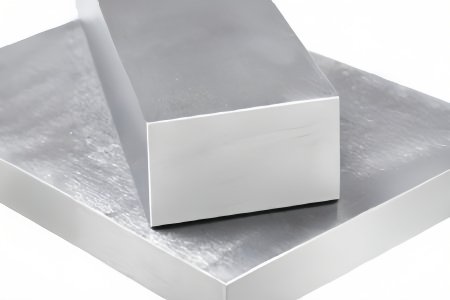
Lightweight (density: 2.7 g/cm³), corrosion-resistant, and easy to machine. Ideal for aerospace components, consumer electronics, and automotive parts. Common grades: 6061 (versatile, good weldability), 7075 (high strength, used in aircraft structures), 5052 (excellent corrosion resistance for marine applications).

Steel
Strong, rigid, and cost-effective. Suitable for structural parts, tools, and automotive components. Common grades: 1018 (mild steel, easy to machine and weld), 4140 (alloy steel, high toughness for gears and shafts), 316 (stainless steel, corrosion-resistant for medical and food processing), 440C (stainless steel, high hardness for bearings and cutting tools).
Stainless Steel
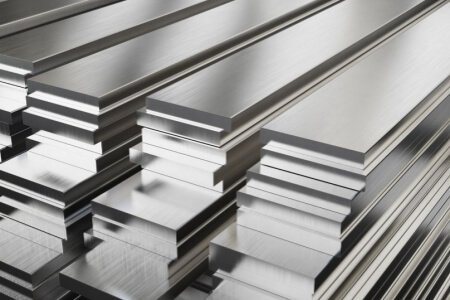
Highly resistant to corrosion and staining, stainless steel is ideal for medical devices, kitchen equipment, and marine components. Common grades include 304 (excellent corrosion resistance for general use) and 316 (superior resistance for harsh chemical environments).
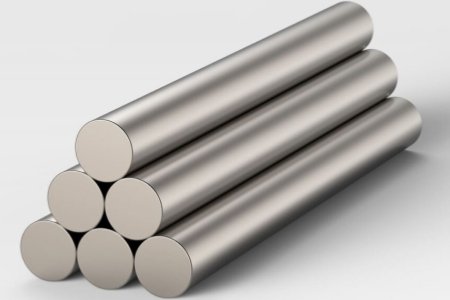
Titanium
Exceptionally strong, lightweight (40% lighter than steel), and biocompatible. Used in aerospace (turbine parts), medical (implants), and marine applications. Grade 5 (Ti-6Al-4V) is the most common for CNC machining, offering a balance of strength and machinability; Grade 2 is used for corrosion-resistant applications.

Brass
Malleable, corrosion-resistant, and has excellent electrical conductivity. Ideal for electrical components (connectors, terminals), plumbing parts, and decorative components. Common grade: C360 (free-machining brass, high productivity), C260 (cartridge brass, good formability).
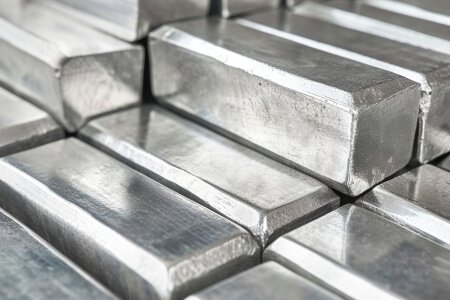
Magnesium
Extremely lightweight (33% lighter than aluminum) and strong, magnesium alloys are used in aerospace, automotive, and electronics. Known for excellent machinability and good thermal conductivity, though requiring protective coatings to prevent corrosion.
Plastics Materials
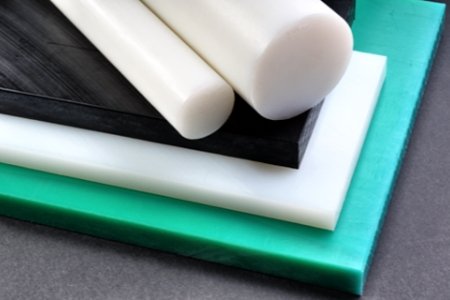
ABS
Impact-resistant, easy to machine, and cost-effective. Used in consumer electronics (phone cases, laptop housings), automotive interiors, and prototypes. Available in various colors and grades (e.g., ABS-PC for improved impact resistance).
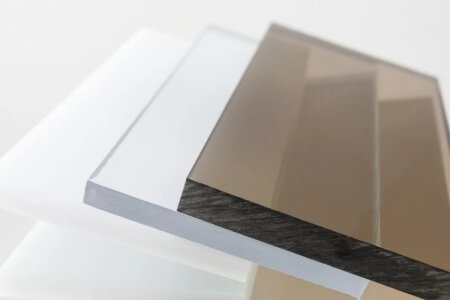
PC (Polycarbonate)
A tough, transparent plastic with high impact resistance and good dimensional stability. Commonly used for lenses, machine guards, and electronic housings. Offers excellent optical clarity and can withstand temperatures up to 135°C.
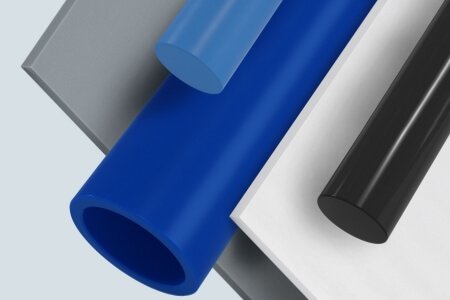
POM
A strong engineering plastic with excellent wear resistance and low friction properties. Commonly used for gears, bearings, and automotive components. Offers good dimensional stability and fatigue endurance.
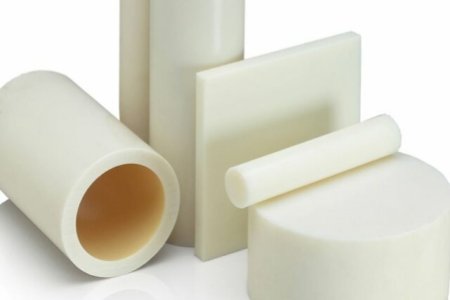
Nylon
Strong, wear-resistant, and has good tensile strength. Suitable for gears, bushings, bearings, and structural parts. Nylon 6/6 is the most common grade (excellent strength and heat resistance); Nylon 12 is used for flexible applications. Glass-filled nylon (10–40% glass) offers increased stiffness and dimensional stability.

PEEK
High-temperature resistant (continuous use up to 250°C), chemical-resistant, and biocompatible (FDA-approved). Ideal for aerospace (engine parts), medical (surgical instruments, implants), and oil/gas components (downhole tools).

PMMA (Acrylic)
A lightweight, transparent thermoplastic known for its excellent clarity, rigidity, and weather resistance. It is commonly used for light covers, display components, lenses, and applications requiring a glass-like appearance with better impact resistance.
CNC Milling Surface Finishes
Enhance the appearance, durability, and functionality of your parts with our range of surface finishing services.
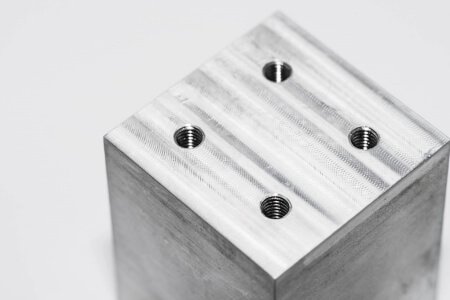
As Machined + Deburring
As machined parts are delivered without additional finishing, ensuring dimensional accuracy. Deburring removes sharp edges for safety, making this a cost-effective solution for functional prototypes and internal components without aesthetic requirements.
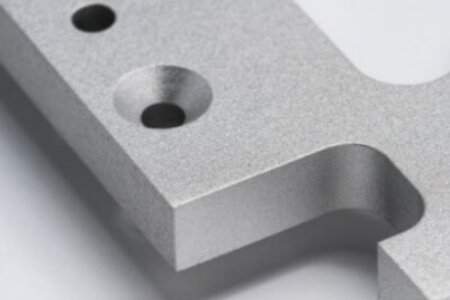
Sandblasting
Bead blasting uses fine glass beads under high pressure to create a smooth, uniform matte surface. This process hides machining marks, enhances coating adhesion, and gives aluminum or stainless steel parts an elegant, refined appearance.
Anodizing
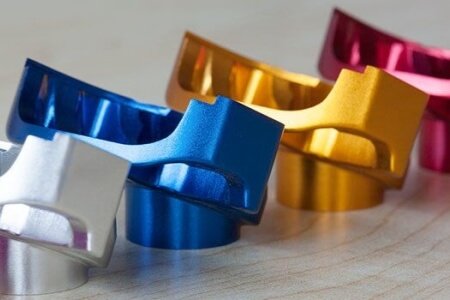
Anodizing converts aluminum’s surface into a strong oxide layer, improving wear resistance and adding customizable colors. This process provides a sleek appearance and excellent corrosion protection, perfect for aerospace, electronics, and consumer-grade aluminum components.
Electroplating
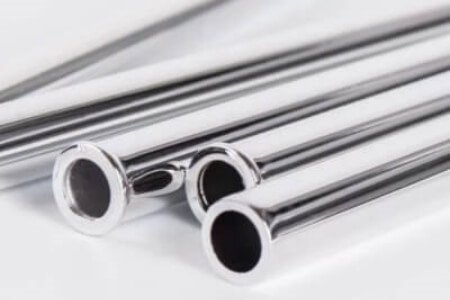
Electroplating coats the component with a thin metallic layer such as nickel, chrome, or gold. It offers improved corrosion resistance and a polished look, widely applied to automotive, electrical connectors, and decorative hardware for premium surface quality.
Electrochemical Polishing
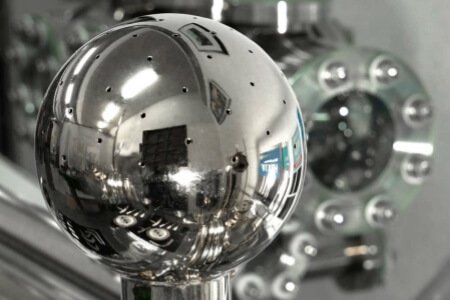
Electropolishing applies an electrochemical process to remove micro imperfections, creating a bright, reflective surface. This improves corrosion resistance and surface hygiene, making it ideal for medical instruments and high-precision stainless steel components.
Brushed Finish
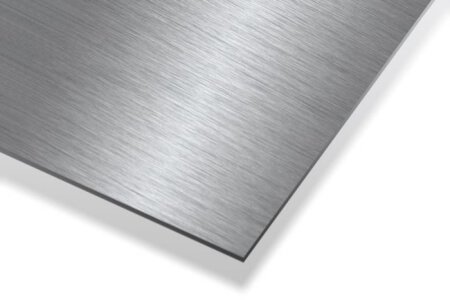
A brushed finish uses controlled abrasion to produce parallel grain lines, delivering a clean, satin look. It’s ideal for visible parts in appliances, electronics, and decorative applications, offering consistent texture while reducing glare and minor flaws.
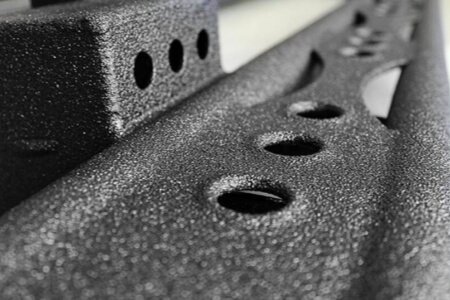
Powder Coating
Powder coating involves electrostatic application of powder followed by heat curing, forming a thick, durable finish. This method ensures superior resistance to scratches, impacts, and chemicals, making it suitable for outdoor equipment, machinery, and metal structures.
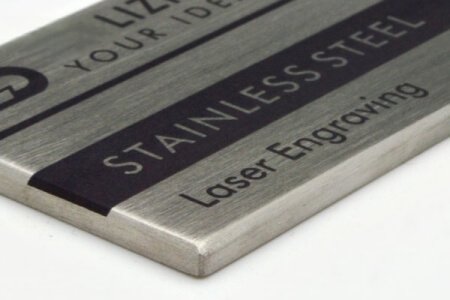
Laser Engraving
Laser engraving creates sharp, permanent markings using a focused beam without damaging part integrity. It’s commonly used for branding, identification codes, and traceability, providing high accuracy and durability on metals and some engineering-grade plastics.
CNC Milling Tolerances
We adhere to strict quality standards to ensure part accuracy. Our standard machining tolerance is ISO 2768-mK for metals and ISO 2768-mK for plastics. For critical features, we can hold tighter tolerances down to ±0.025 mm (±0.001″) based on part geometry, material, and specific requirements.
Standard Tolerance Guidelines
| Feature Type | Standard Tolerance | Precision Tolerance | High-Precision Tolerance |
|---|---|---|---|
| Linear Dimensions | ±0.1 mm (±0.004") | ±0.05 mm (±0.002") | ±0.025 mm (±0.001") |
| Hole Diameters | ±0.05 mm (±0.002") | ±0.025 mm (±0.001") | ±0.0125 mm (±0.0005") |
| Positional Tolerance | 0.1 mm (0.004") | 0.05 mm (0.002") | 0.025 mm (0.001") |
| Flatness | 0.1 mm (0.004") | 0.05 mm (0.002") | 0.025 mm (0.001") |
| Surface Finish (Ra) | 3.2 μm (125 μin) | 1.6 μm (63 μin) | 0.8 μm (32 μin) |
Our quality team uses advanced CMMs and metrology equipment to verify all critical dimensions. Full inspection reports (FAI) are available upon request.
Factors Affecting Tolerances
Several factors influence the achievable tolerances in CNC milling, including material properties, as different materials respond differently during machining; part geometry, since complex shapes may require special setups; machine capability, where state-of-the-art equipment ensures high precision; temperature effects, which are controlled in a climate-regulated environment to minimize thermal expansion; and tooling selection, with premium cutting tools used to achieve optimal results.
Custom Milling Design Guidelines
To ensure your part is optimized for CNC milling and to reduce costs, please consider these key design guidelines:
General Design Principles
When designing parts for CNC machining, avoid deep cavities by using appropriate corner radii to reduce the risk of tool deflection and breakage, and design internal features around standard drill and end mill sizes to improve efficiency and lower cost. Always add fillets to internal corners since sharp internal edges cannot be machined, and limit the depth of pockets, as deeper pockets require longer tools that increase machining time and the likelihood of deflection. Maintain sufficient wall thickness to prevent vibration or breakage during machining, design parts to be completed in a single setup whenever possible for better accuracy and cost control, and specify tight tolerances only where they are functionally necessary to avoid unnecessary increases in time and expense.
Material-Specific Considerations
Material selection has a significant impact on CNC machining design: aluminum is ideal for complex geometries, thin walls, and fine details, with a recommended minimum wall thickness of 0.5 mm (0.020″); steel requires more robust designs with thicker walls and larger radii, typically with a minimum wall thickness of 1.0 mm (0.040″); plastics are more flexible and often need additional support for thin features, with thermal expansion carefully considered during machining; and stainless steel is prone to work hardening, making sharp tooling and proper speeds and feeds essential.
FAQs About CNC Milling
What should I look for in CNC milling manufacturers?
When choosing CNC milling manufacturers, consider factors like machining capability, material options, precision tolerance, lead time, and quality control. Reliable CNC milling manufacturers also offer custom solutions for different industries.
What materials can be used in metal milling services?
Metal milling services support a wide range of materials including aluminum, stainless steel, brass, titanium, and copper. CNC milling metals is suitable for industries requiring high strength, durability, and precise tolerances.
What is CNC milling machining and how does it work?
CNC milling machining is a manufacturing process that uses computer numerical control (CNC) machines to precisely cut and shape materials. It involves rotating cutting tools to remove material from a workpiece, creating complex parts with high accuracy. CNC machining milling is widely used for metals, plastics, and wood.
What are the benefits of aluminum CNC milling service?
An aluminum CNC milling service delivers lightweight yet strong components for industries such as aerospace, automotive, and electronics. Aluminum is easy to machine, corrosion-resistant, and ideal for creating complex shapes using CNC milling machining.
Can a CNC wood mill produce high-quality wooden parts?
Yes, a CNC wood mill is highly effective for producing wooden components with precision. CNC machining milling for wood is often used in furniture, signage, and decorative products, providing smooth finishes and accurate cuts.
How does CNC metal milling differ from conventional milling?
CNC metal milling uses automated CNC machines to achieve superior accuracy and repeatability, reducing human error compared to manual milling. This process ensures consistent quality for both small batches and large-scale production.
Why is CNC machining milling important for modern manufacturing?
CNC machining milling is essential for producing precision parts in aerospace, automotive, medical, and electronics industries. It offers efficiency, accuracy, and versatility for creating complex shapes in both metals and plastics.
What is the difference between CNC milling machining and CNC turning?
CNC milling machining uses rotating cutting tools to shape stationary workpieces, ideal for creating complex geometries. CNC machining milling, on the other hand, rotates the workpiece against a stationary cutting tool, commonly used for cylindrical parts. It offers more flexibility for detailed 3D features.
Request a Free Quote
Upload your CAD files or part drawings and receive an accurate quotation within 24 hours. Our experts will analyze your design and provide cost-effective suggestions to enhance manufacturability and reduce lead time.
Design Consultation Services
Need help refining your design? Our experienced engineers offer DFM (Design for Manufacturing) support to ensure your parts are optimized for CNC machining, reducing unnecessary costs and avoiding machining challenges.
Lead Time & Shipping Information
We guarantee fast turnaround times for prototypes (as quick as 3 days) and reliable shipping worldwide. All parts are securely packaged and tracked to ensure safe delivery to your location.
Email: Info@hrccnc.com
Phone: +86 17318068324
Our support team is available to assist you with material selection, tolerance requirements, and finishing options.
