 Skip to content
Precision China CNC Turning Services
HRC provides precision CNC turning services in China to meet the most demanding engineering requirements.
Whether you need a single prototype, small batch production, or full-scale manufacturing, our advanced CNC lathes deliver exceptional accuracy, repeatability, and surface quality.
- High Precision & Accuracy
- Versatile Material Capability
- Fast Production with Automation
Order CNC Precision Turned Parts With HRC
We make ordering custom CNC turned parts fast and simple. With our advanced machining capabilities, we can handle complex geometries, tight tolerances, and various surface treatments—all under one roof. Our streamlined process includes:
- Rapid Quoting: Submit your CAD files, and we provide an instant, competitive quote.
- Material Selection: Choose from a wide range of metals and plastics.
- Precision Machining: State-of-the-art CNC lathes for consistent accuracy.
- Inspection & Quality Control: Every part is checked to meet ISO standards.
- Fast Delivery: Quick turnaround without compromising quality.
Our CNC turning solutions help you reduce lead time, lower costs, and improve product reliability.
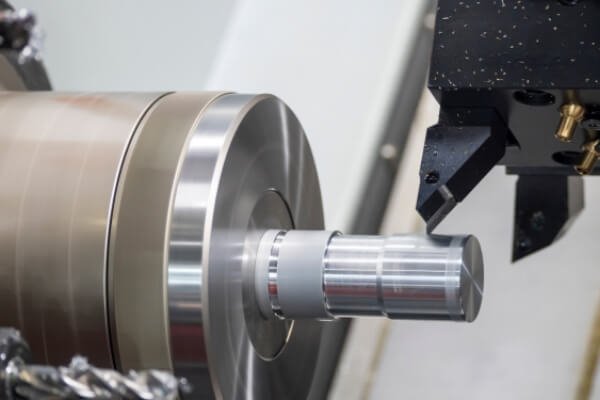
CNC Turning for Every Step of Production

Prototype CNC Turning Parts
During product development, speed and accuracy are critical. Our prototype CNC turning services allow you to validate designs, perform functional testing, and make design adjustments quickly before moving to mass production. We specialize in producing high-precision prototypes with complex geometries and exact tolerances to replicate production-level quality.

Small-Batch CNC Turning
For low-volume or custom production runs, our small-batch CNC turning ensures flexibility without sacrificing precision. This service is ideal for pre-production, market validation, and custom components where large-scale production is not required. By combining CNC automation with experienced machinists, we guarantee superior quality even for small quantities.
Why Select HRC for CNC Turning Services?
Advanced CNC Turning Capabilities
HRC operates state-of-the-art CNC machining facilities equipped with high-precision multi-axis CNC lathes and automated systems. Our advanced equipment allows us to produce highly complex turned components with superior accuracy and consistency. We provide fast turnaround, often within 5–7 days, helping you accelerate product development without sacrificing quality.
Complete CNC Turning Solutions
We offer comprehensive CNC turning services covering the entire production cycle—from rapid prototyping to low-volume manufacturing. Our integrated workflows ensure seamless transition between stages, maintaining tight tolerances, excellent surface finishes, and cost efficiency. Whether you need functional prototypes or ready-to-market parts, we provide solutions tailored to your project requirements.
Expert CNC Engineering Team
Our team consists of highly skilled engineers with in-depth knowledge of DFM (Design for Manufacturability), material properties, and CNC programming. We provide technical guidance at every step—design review, process optimization, and quality inspection—to eliminate risks and reduce production costs. This ensures smooth communication and exceptional results for even the most challenging projects.
Handling Complex CNC Turning Projects
HRC specializes in manufacturing complex cylindrical and custom-shaped parts, including stepped shafts, bushings, collars, and precision housings. We work with both metals and engineering plastics, delivering parts with outstanding dimensional accuracy, superior surface finishes, and excellent performance under demanding conditions. No matter the complexity, we guarantee reliability and precision in every detail.
CNC Turning Materials
Our CNC turning capabilities cover a comprehensive range of metals and engineering plastics to meet diverse industry needs:
Metal Materials
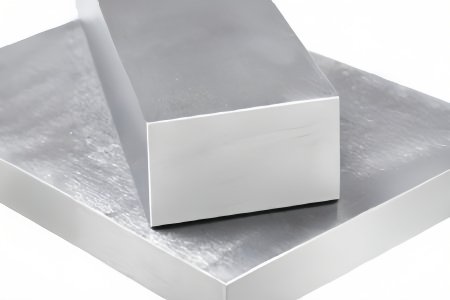
Aluminum
Lightweight and corrosion-resistant, this material is perfect for aerospace and automotive components. Its excellent machinability and thermal conductivity make it a preferred choice for parts requiring both strength and reduced weight.

Steel
Known for its superior strength and load-bearing capacity, this material is often selected for shafts, gears, and heavy-duty components. Different grades provide flexibility for structural applications and high-performance mechanical parts.
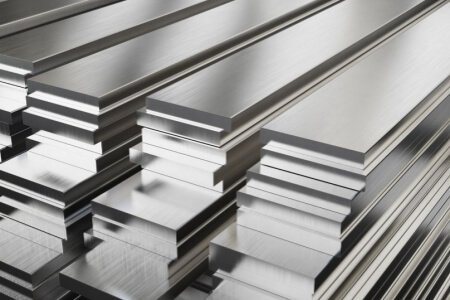
Stainless Steel
Ideal for environments demanding strength and hygiene, it delivers outstanding corrosion resistance and durability. Frequently used for medical instruments, marine parts, and industrial machinery operating under extreme conditions.
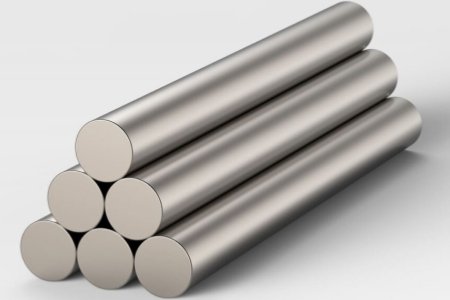
Titanium
Combining exceptional strength with lightweight properties, it offers excellent corrosion resistance. This makes it indispensable for aerospace components, surgical implants, and precision-engineered parts in demanding industries.

Brass
Recognized for its smooth finish and excellent machinability, this material is widely applied in fittings, valves, and decorative elements. It also provides reliable corrosion resistance for components requiring both performance and aesthetics.
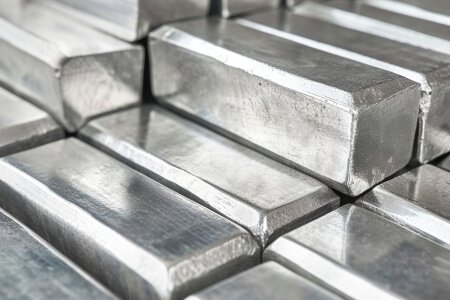
Magnesium
With the lowest density among structural metals, it ensures weight reduction without sacrificing strength. Commonly used in aerospace and automotive sectors where high strength-to-weight ratio is essential for fuel efficiency and performance.
Plastics Materials
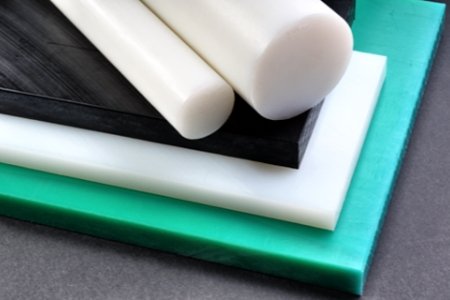
ABS
Favored for its toughness and cost-effectiveness, this thermoplastic is ideal for prototypes, enclosures, and consumer products. It maintains impact resistance and dimensional stability for functional applications and low-volume production.
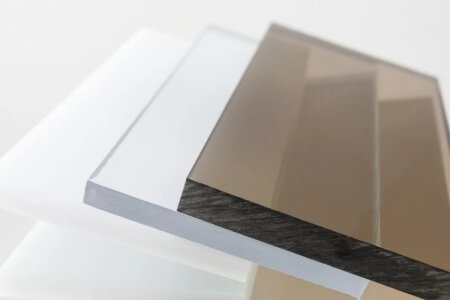
PC (Polycarbonate)
Offering excellent impact resistance and optical clarity, this material is suitable for lenses, covers, and transparent parts. It provides both toughness and heat resistance for critical components requiring visibility and structural integrity.
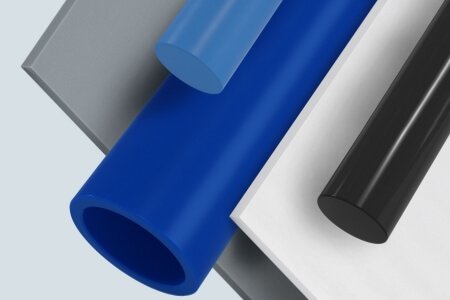
POM (Delrin)
Characterized by low friction and high dimensional stability, it is commonly chosen for gears, bearings, and moving parts. This engineering plastic ensures smooth operation and durability in automotive and industrial applications.
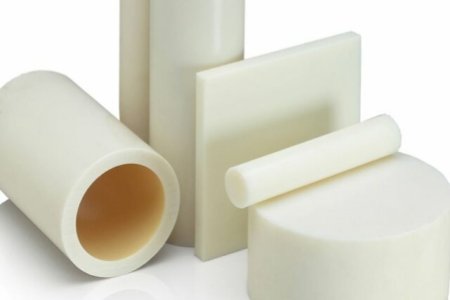
Nylon
Appreciated for its strength and flexibility, this material resists wear and provides good impact strength. Frequently used for bushings, washers, and mechanical parts requiring both resilience and lightweight properties.

PEEK
Engineered for extreme conditions, it offers outstanding chemical resistance, high thermal stability, and superior mechanical strength. Commonly found in aerospace, medical, and oilfield equipment where reliability is critical.

PMMA (Acrylic)
A lightweight, transparent thermoplastic known for its excellent clarity, rigidity, and weather resistance. It is commonly used for light covers, display components, lenses, and applications requiring a glass-like appearance with better impact resistance.
CNC Turning Surface Finishes
Finishing options improve appearance, corrosion resistance, and durability:
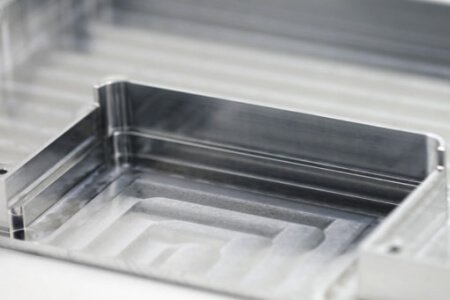
As Machined + Deburring
The standard finish straight from the CNC machine. All sharp edges and burrs are removed for a clean, functional part. Typical surface roughness: Ra 3.2 μm. Cost-effective with no additional processing time.
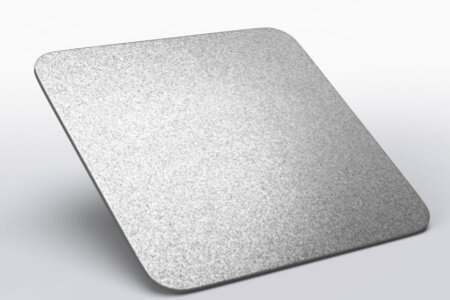
Sandblasting
A process that propels abrasive media at the part surface to create a uniform matte or satin texture, hiding tool marks and providing a great base for painting. Available in various grit sizes for different texture levels.
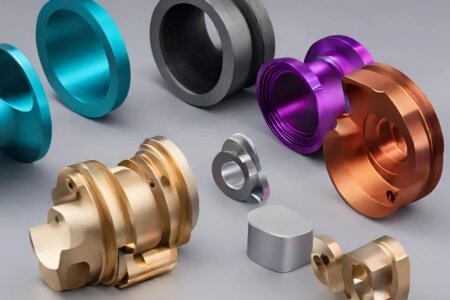
Anodizing
An electrochemical process for aluminum that increases corrosion resistance and surface hardness. It also allows for dyeing the part in various colors (Type II and Type III Hardcoat). Provides excellent wear resistance and electrical insulation.
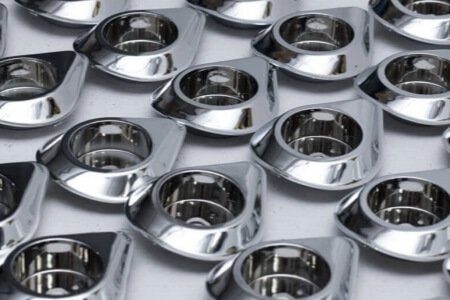
Electroplating
A process that deposits a thin layer of metal (e.g., nickel, chrome, zinc, gold) onto the part surface for enhanced corrosion resistance, wear resistance, and aesthetic appeal. Can improve electrical conductivity and solderability.
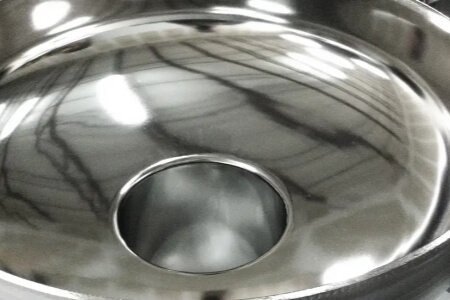
Electrochemical Polishing
An advanced process that uses electrical current and specialized electrolytes to remove surface material, resulting in a smooth, mirror-like finish. Ideal for complex geometries and internal surfaces that are difficult to polish mechanically.
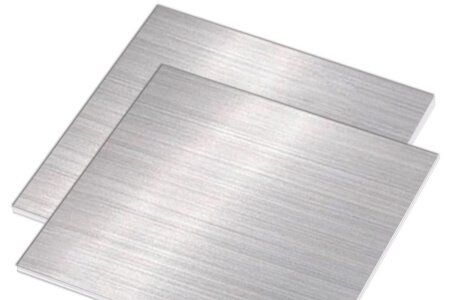
Brushed Finish
A directional satin finish created by brushing the material with an abrasive belt. Common for decorative metal parts like appliance housings, architectural elements, and consumer products. Available in different patterns and coarseness.
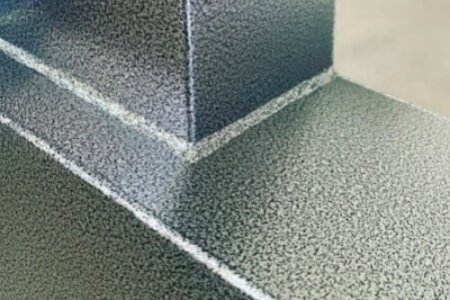
Powder Coating
A dry finishing process where electrostatically charged pigment powder is applied to a part and then cured under heat to form a durable, protective, and decorative layer. Available in countless colors and textures with excellent durability.
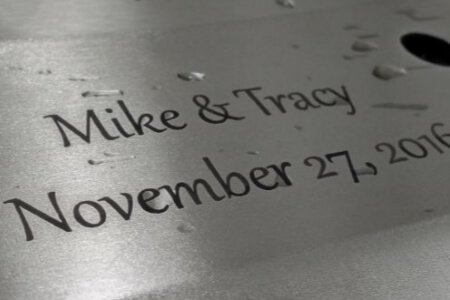
Laser Engraving
A precise, permanent marking method to add serial numbers, logos, barcodes, or other identification directly onto the part surface. Works on metals, plastics, and other materials without affecting material properties.
CNC Turning Tolerance Standards
Introduction to Tolerances in CNC Turning
CNC turning tolerances define the allowable deviation in part dimensions during machining. At HRC, we maintain high precision standards to ensure part accuracy, compatibility, and performance.
Standard Tolerance Capabilities
Our turning capabilities cover a wide range of tolerance levels. Below are our general and precision standards for common features:
| Feature Type | Standard | Precision |
|---|---|---|
| Diameters | ±0.025 mm (±0.001") | ±0.0127 mm (±0.0005") |
| Linear dimensions | ±0.05 mm (±0.002") | ±0.025 mm (±0.001") |
| Concentricity | 0.05 mm (0.002") | 0.025 mm (0.001") |
| True position | 0.08 mm (0.003") | 0.05 mm (0.002") |
Factors Affecting Tolerances
Several elements determine achievable tolerances:
1. Material properties: Hardness, stability, and thermal expansion.
2. Part geometry: Thin walls or long parts are harder to maintain precisely.
3. Feature location: Features far from the chuck can increase deviation.
4. Machine capability: Rigidity, spindle precision, and tool wear.
5. Environment: Temperature and humidity affect dimensional stability.
Inspection Methods
We use advanced tools to guarantee accuracy:
CMM
Coordinate Measuring Machines capture precise 3D measurements for complex geometries.
Optical Comparators
Profile inspection and dimensional verification for intricate features.
Surface Roughness Testers
Ensures surface finish meets specified requirements.
Note: All tolerances comply with ISO 2768 and ASME Y14.5 standards, as well as customer-specific requirements.
Custom Turning Design Guidelines
Design for Manufacturability (DFM) Principles
Efficient CNC-turned parts should be designed with manufacturability in mind by simplifying geometries wherever possible, standardizing features and dimensions, ensuring adequate tool access and clearance, maintaining part stability during machining, and minimizing the number of setups and operations. Internal corners should have a minimum radius of 0.4 mm (0.016″), while external corners may be sharp or radiused as required. Grooves should be designed with a width at least 1.5 times their depth, and standard thread sizes are recommended to improve machining efficiency and reduce cost.
Wall & Hole Guidelines
| Feature | Minimum | Preferred |
|---|---|---|
| General walls | 0.5 mm (0.020") | 1.0 mm (0.040") or more |
| High stress walls | 1.5 mm (0.060") | 2.5 mm (0.100") or more |
| Standard drilled holes | 0.5 mm (0.020") | Depth-to-diameter ≤ 4:1 |
| Deep holes / gun drilled | 1.5 mm (0.060") | Depth-to-diameter ≤ 10:1 |
Drawing & Documentation
Provide complete documentation by supplying fully dimensioned drawings with clearly defined tolerances, explicitly identifying all critical features, specifying the required materials, stating surface finish requirements, and including any special instructions such as deburring, cleaning, handling, or packaging requirements.
Pro Tip: Consult our engineering team during design to optimize manufacturability and reduce costs.
FAQs About CNC Turning
What is CNC turning and how does it work?
CNC machining turning process where a computer-controlled lathe rotates the material while cutting tools shape it into precise parts. This method ensures high efficiency and consistent quality.
Can CNC lathe turning handle different materials?
Yes, CNC lathe turning can work with metals like aluminum, steel, and brass, as well as plastics, producing high-quality CNC turned parts suitable for various industries.
How precise are CNC precision turning processes?
CNC precision turning can achieve tight tolerances down to microns, making it ideal for components requiring exact dimensions and consistent quality in high-performance applications.
Why should I choose a professional turning service?
A reliable turning service guarantees accurate dimensions, high-quality finishes, and reduces production errors, especially for complex CNC lathe turning projects.
What types of parts can be made with turning CNC machines?
Turning CNC machines can produce a variety of components, from simple cylindrical parts to complex CNC turned parts, suitable for automotive, medical, and industrial applications.
How is CNC lathe machining different from traditional turning?
CNC lathe machining uses computer programming for precise control, unlike traditional methods. It allows for faster production, higher consistency, and the ability to create complex CNC turning parts.
What is the advantage of using a CNC turned parts manufacturer?
A specialized CNC turned parts manufacturer ensures precision, repeatability, and scalable production. They also provide guidance on design for manufacturability and tolerance optimization.
Can I get custom CNC turned parts for prototyping and small batches?
Yes, professional CNC turned parts providers offer flexible production for prototypes, low-volume runs, and custom designs, ensuring your product meets all specifications.
Request a Free Quote
Upload your CAD files or part drawings and receive an accurate quotation within 24 hours. Our experts will analyze your design and provide cost-effective suggestions to enhance manufacturability and reduce lead time.
Design Consultation Services
Need help refining your design? Our experienced engineers offer DFM (Design for Manufacturing) support to ensure your parts are optimized for CNC machining, reducing unnecessary costs and avoiding machining challenges.
Lead Time & Shipping Information
We guarantee fast turnaround times for prototypes (as quick as 3 days) and reliable shipping worldwide. All parts are securely packaged and tracked to ensure safe delivery to your location.
Email: Info@hrccnc.com
Phone: +86 17318068324
Our support team is available to assist you with material selection, tolerance requirements, and finishing options.
