Skip to content
Is anodized aluminum cookware suitable for cooking? Yes. It stays safe and reliable for daily use. The anodized layer blocks aluminum from getting into food. It meets safety approvals from well-known agencies such as the FDA. It also shows strong resistance to wear and corrosion in normal cooking. With correct use and care, this cookware fully supports home cooking needs.
What Is Anodized Aluminum Cookware?
Aluminum is common in cookware because it heats quickly and feels light. This section explains the idea of anodised aluminium cookware. You will learn the key process, how it differs from bare aluminum pans, and the benefits it brings.
What Is Anodizing?
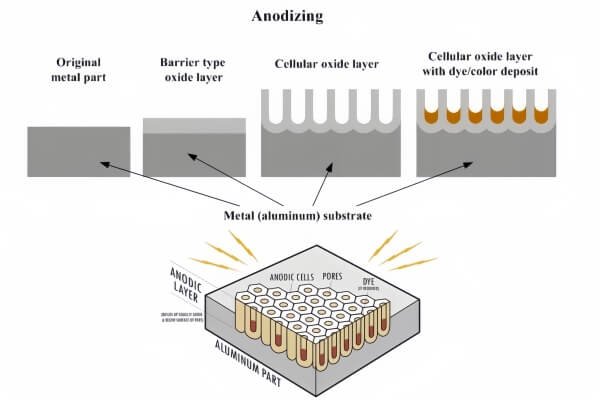
Anodizing is an electrochemical treatment. The aluminum part sits in a special liquid and connects to direct current. The surface reacts and forms a layer of aluminum oxide that bonds tightly to the metal. The layer comes from the metal itself, not from an added coating. The new surface looks darker, feels harder, and does not peel like paint.
Why Use Anodizing on Aluminum Cookware?
Raw aluminum reacts easily with acidic or salty foods such as tomato sauce, lemon juice, and soy sauce. That may create a metallic taste and raise aluminum migration. Anodizing stops this problem. The surface becomes stable in normal cooking and keeps food from touching bare aluminum.
Key Performance Improvements After Anodizing
Anodized cookware gains three major upgrades:
• Higher hardness. The oxide layer reaches HV300-500, about three to five times harder than pure aluminum, and resists scratches and dents.
• Better corrosion resistance. The dense layer blocks air and water, so soy sauce, vinegar, and other sauces do not harm it.
• Strong chemical stability. The surface does not react with acidic or alkaline food. You get a clean taste without metal notes.
More About the Anodizing Process
A full anodizing process includes pretreatment, oxidation, and sealing. Different settings change the layer thickness and performance. Cookware usually uses a layer between 10 and 20 microns. You can check our detailed guide on anodized aluminum for more technical points.
Why Do People Worry About Aluminum Cookware Safety?
Concerns about aluminum cookware come from its link to health. Many home cooks have heard warnings about using aluminum pans. They fear aluminum may move into food, especially with acidic sauces or long-term use. This section explains where these worries come from, compares different types of aluminum cookware, and clears common misunderstandings.
Worry About Aluminum Leaching Into Food
Aluminum is not a needed nutrient for the human body. Too much may harm the nervous system and affect brain growth in children. The World Health Organization sets a weekly limit of 2 mg per kilogram of body weight. A 60 kg adult should not take in more than 120 mg each week. People worry that cookware may release aluminum into food and raise long-term intake above safe levels.
Raw Aluminum vs Anodized Aluminum
Raw aluminum pans have almost no barrier on the surface. Acidic food and high heat can increase leaching. Anodized aluminum solves this with a dense oxide layer that blocks aluminum movement. Tests show quality anodized cookware keeps aluminum levels below 0.01 ppm after 24 hours in 4 percent vinegar. This stays much lower than the FDA limit of 0.1 ppm. The safety gap between the two types is clear.
Misunderstandings From Early Use
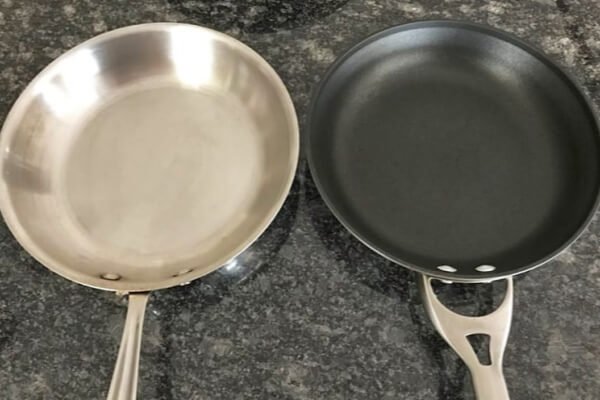
In the past, people cooked with raw aluminum pans that had leaching risks. Food makers also overused aluminum additives, which made fear even stronger. Today’s anodized cookware uses improved technology and offers far better safety. Old worries should not define modern products.
Does Anodizing Make Aluminum Cookware Safer?
Yes. Anodizing changes the surface of aluminum and improves cookware safety at a fundamental level. This section explains how the oxide layer works and how the cookware performs in real use.
Stable and Inert Protective Oxide Layer
Anodizing forms a layer of aluminum oxide (Al₂O₃) whose chemistry stays very stable and resists scratches. It does not react with water, oxygen or common food ingredients. The oxide layer bonds metallurgically to the aluminum base—unlike a coating, it cannot peel easily—and thus keeps its protective role over time.
High Durability in Everyday Cooking
Cookware treated by anodizing has a very hard surface that can handle metal spatulas, dishwashing, and general use. Some sources show that under normal use, the wear rate of the anodized layer is much lower than untreated aluminum. Even after several years, the oxide layer stays intact and continues to protect the aluminum underneath.
Better Resistance to Acidic and High-Salt Foods
Acidic foods and foods with high salt content are the major threats to aluminum cookware. The anodized film effectively blocks those aggressive agents from reaching the aluminium core. For example, in simulated cooking with 4% acetic acid solution, the corrosion rate of anodized aluminum may be only 1/50–1/100 of that of untreated aluminum. This makes it much better suited for cooking tomato-based, pickled, or otherwise high-corrosion foods.
Are There Health Risks When Using Anodized Aluminum Cookware?
Under normal use, anodized aluminum cookware presents minimal health risk. This section references regulatory views and research findings, and also explains what to watch for under extreme conditions.
Regulatory Assessments on Its Safety
Health Canada states that anodized aluminum cookware “reduces the transfer of aluminum from cookware into foods, particularly acidic foods like tomatoes and rhubarb.”
U.S. Food and Drug Administration (FDA) has not declared properly manufactured anodized aluminum cookware inherently unsafe. Warnings from the FDA relate to certain imported cookware with lead contamination, but not to standard anodized aluminum cookware used as intended.
These official positions indicate that the key risks lie in poor manufacturing, damaged surfaces, or incorrect use — not in the anodizing process itself.
Findings from Health-Related Studies
Multiple research articles show that the aluminum migration from anodized cookware during normal cooking remains very low. For instance, a review reports that the amount of aluminum leached from hard-anodized utensils was equivalent to that from stainless steel utensils in one study.
Another review of aluminum cookware notes that modern anodized or non-stick aluminum significantly reduces the risk of aluminum leaching.
These results support the interpretation that, when used correctly, anodized aluminum cookware adds negligible risk.
What Happens If the Surface Is Heavily Damaged?
If the anodized layer suffers large-area scratches, peeling, or pits, the bare aluminum core may become exposed and come into contact with food. Even so, single-use aluminum release from a damaged pan is unlikely to reach harmful levels. To be cautious, replace cookware if the surface shows deep gouges, degradation, or visible core exposure.
Nonstick Anodized Aluminum vs Standard Anodized Aluminum
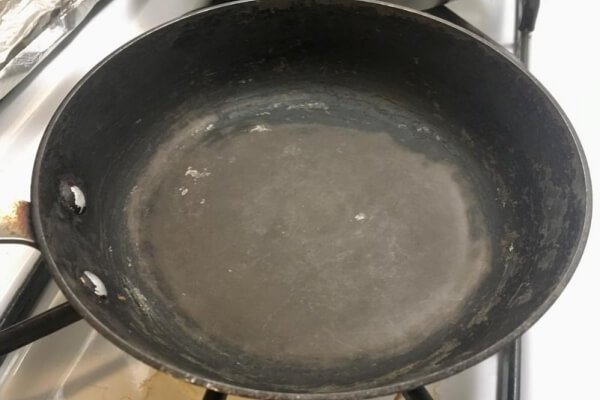
Some anodized aluminum pan also includes a nonstick coating. Both types use an oxide layer for protection. Their performance differs, and knowing these differences helps you choose the right pan for your cooking style.
Key Differences Between the Two Surfaces
Standard anodized aluminum relies on the oxide layer for durability. It suits high-heat cooking such as searing meat or stir-frying vegetables. The surface resists scratches and keeps great heat transfer.
Nonstick anodized aluminum adds a nonstick coating on top. Cooking eggs, pancakes, or sticky foods becomes easier. However, using metal tableware or rough cleaning may damage the coating and shorten its service life
Safety Considerations
Both types remain safe as long as the surface stays intact. Standard anodized aluminum barely releases aluminum into food.
A quality nonstick coating performs safely at normal cooking temperatures below 260°C. Avoid overheating or scraping with metal tools so the coating does not chip. Choosing nonstick hard anodized cookware that meets FDA or CE rules further reduces risk. For high-heat cooking, standard anodized aluminum offers better heat resistance.
How to Use and Care for Anodized Aluminum Cookware?
Proper use and care extend the life of alu anodized cookware and keep its performance stable. Good habits protect the oxide layer, keep food safe, and reduce wear.
Proper Cooking Habits
Heat the anodized aluminium cooking pan gradually to avoid thermal shock. Use wood, silicone, or plastic utensils to prevent scratches. Avoid long high-heat cooking of strongly acidic foods. These simple habits protect the oxide layer and limit aluminum exposure.
Cleaning and Storage Tips
Hand wash when possible. Mild soap and a soft sponge remove most stains without harming the surface. Avoid steel wool or strong corrosive cleaners. Dry fully before storing.
Conclusion
Anodized aluminum cookware offers a safe, durable, and practical cooking choice. The oxide layer helps prevent aluminum from moving into food, and regulatory bodies support its proper use. Select the right type for your cooking needs, and follow proper use and care. For cookware that stays light, strong, and resistant to corrosion, anodized aluminum remains a reliable option.
If you are looking for high-quality anodizing services for your parts, you can contact HRCCNC. Our anodized surface treatments are certified by Germany’s TÜV Rheinland, ensuring top quality and reliability for your projects.