Skip to content
Brushed stainless steel, also known as matte or satin stainless steel, is not a specific type of stainless steel material but rather a surface finishing process. It involves creating linear textures or fine lines on the surface of stainless steel using physical or chemical methods. This process treats the smooth surface of base stainless steel sheets (usually BA or 2B finish) to produce a silky, metallic texture with a distinctive linear grain.
The most notable characteristic of brushed steel is its ability to hide fingerprints, scratches, and minor surface defects while giving the metal a refined, artistic appearance. Combining both functionality and aesthetics, it has become a preferred choice in modern home design, architecture, and industrial manufacturing.
How Is Stainless Steel Brushed?
Brushing stainless steel can be achieved through two main methods: mechanical brushing and chemical brushing.
Among them, mechanical brushing is more common due to its high efficiency and controllable texture, while chemical brushing offers finer detailing and is used for specialized applications.
Mechanical Brushing: The Mainstream Process
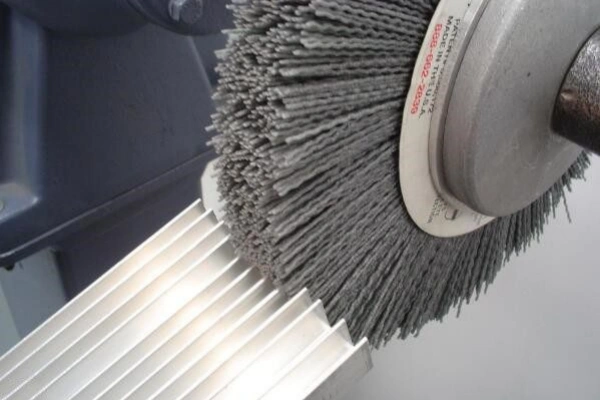
Mechanical brushing uses grinding tools such as sanding belts, nylon wheels, or abrasive wheels rotating at high speed to create directional or non-directional patterns on the stainless steel surface.
This process not only enhances the decorative appearance but also removes oxide layers and small burrs, improving the overall texture and tactile quality of the metal.
Chemical Brushing: Precision Surface Etching
Chemical brushing—often referred to as chemical etching—uses chemical solutions (such as acid-based etchants) to corrode the stainless steel surface and form delicate textures.
This method is ideal for complex shapes or ultra-thin materials that mechanical brushing cannot process effectively.
Advantages:
- Extremely fine and uniform grain structure.
- No mechanical stress or deformation of the substrate.
- Maintains the original mechanical properties of stainless steel.
However, this process is more complex, expensive, and requires strict environmental control due to the corrosive nature of etching chemicals. Therefore, it is mostly used in high-end or precision applications, such as electronic components or decorative panels.
Types of Brushed Stainless Steel Finishes
Brushed finishing is one of the most common surface treatments for stainless steel.
By applying mechanical friction, the surface forms fine linear textures that not only enhance decoration but also improve resistance to fingerprints and scratches.
Different brushing methods create distinct visual and tactile effects.
Straight Grain Finish
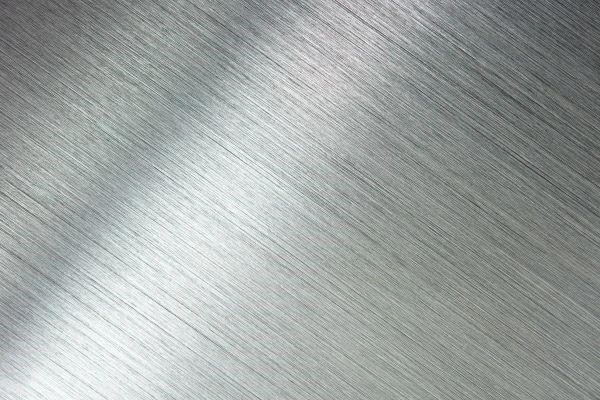
This is the most common and basic brushing pattern.
Processing Method:
Abrasive belts or stainless steel brushes of various grits are used to grind the surface in a single, uniform direction.
Surface Characteristics:
Produces continuous, straight, and evenly distributed lines with a strong directional pattern.
Visual Effect:
Matte or semi-matte appearance, clean and modern.
Advantages:
- Mature and cost-effective process.
- Effectively conceals minor scratches.
Typical Applications:
Appliance panels (e.g., range hoods, ovens), elevator cabins, door frames, signage, and kitchen equipment.
Random Grain Finish
Also known as hairline swirl or snow sand finish, this type is very popular in interior decoration.
Processing Method:
A high-speed nylon polishing wheel (such as Scotch-Brite) moves across the surface in irregular “8” or spiral motions.
Surface Characteristics:
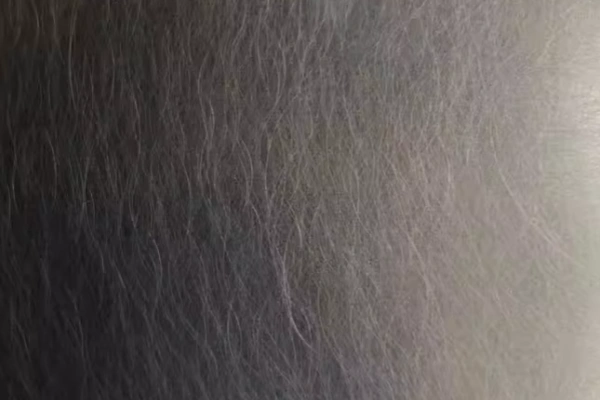
Creates a dense pattern of irregular, short, or dotted lines resembling fine sand or snowflakes.
Visual Effect:
Delicate matte finish with no visible grain direction, emphasizing artistic texture.
Advantages:
- Completely non-directional—no need for grain matching during installation.
- Excellent scratch and fingerprint resistance.
Typical Applications:
Elevator interiors, hotel furniture, bar counters, KTV walls, and other decorative surfaces.
Spiral Grain Finish
Also called rotary finish or circular brushing, this pattern produces concentric circular textures.
Processing Method:
The workpiece (often cylindrical) is rotated on a machine while abrasive pads or belts are pressed radially against its surface.
Surface Characteristics:
Creates continuous spiral or concentric ring patterns.
Visual Effect:
Distinctive and dynamic metallic sheen that changes with lighting.
Advantages:
- Highly decorative and recognizable.
- Enhances product visual appeal.
Typical Applications:
Handrails, door handles, tumblers, tableware, and decorative columns.
Hairline Finish
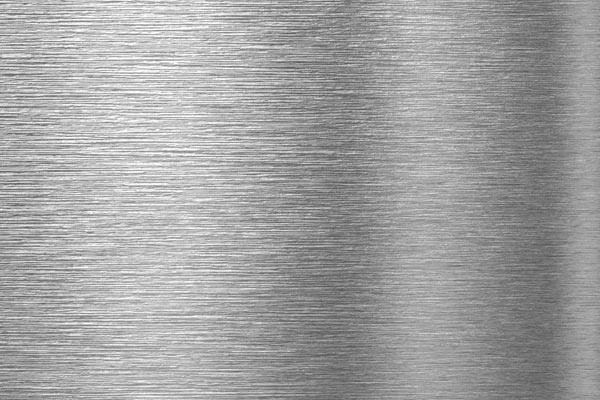
This can be regarded as a more refined version of straight grain brushing, with ultra-fine and closely spaced lines.
Processing Method:
Similar to straight brushing but using finer grit abrasives or polishing materials.
Surface Characteristics:
Creates extremely fine, parallel lines—similar to human hair—often called hairline finish.
Visual Effect:
Smooth, delicate, and softly reflective surface.
Advantages:
- Combines modern simplicity with a premium, detailed aesthetic.
- Smooth touch and refined appearance.
Typical Applications:
High-end electronics (such as smartphones and laptops), precision instruments, and small appliances.
Satin Finish
Satin brushing can be considered an advanced version of fine hairline finishing, offering a softer and warmer texture.
Processing Method:
Nylon abrasive wheels or stainless steel brushes are used with controlled pressure to create dense, short, and nearly directionless patterns.
Surface Characteristics:
Smooth and subtle texture, resembling the softness of silk or satin fabric.
Visual Effect:
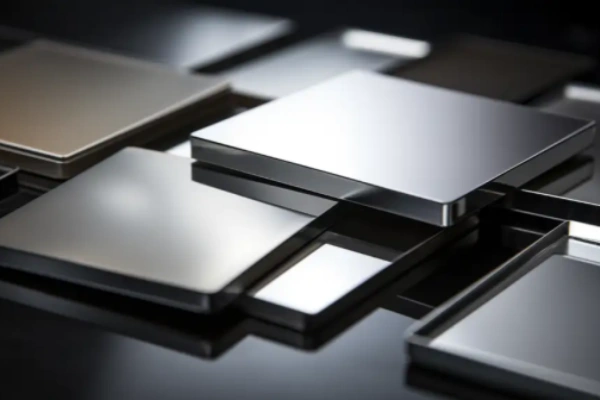
Matte surface with gentle reflection—elegant, luxurious, and understated.
Advantages:
- Premium aesthetic with ultra-smooth tactile feel.
- Better fingerprint resistance than mirror or standard brushed surfaces.
- Easy installation due to weak grain direction.
Typical Applications:
Luxury interiors, wall cladding, ceilings, premium home appliances (e.g., refrigerators, washing machines), medical equipment, and bathroom fittings.
Summary Comparison
| Finish Type | Texture Pattern | Directionality | Gloss/Texture | Typical Applications |
|---|---|---|---|---|
| Straight Grain | Continuous Lines | Strong | Matte, modern | Appliances, elevators, doors |
| Random Grain | Irregular Dots/Short Lines | None | Matte, artistic | Interior decor, elevator panels |
| Spiral Grain | Circular/Concentric | Radial | Dynamic, refined | Cylindrical objects, handles |
| Fine Hairline | Fine Straight Lines | Strong | Delicate matte | Electronics, precision devices |
| Satin | Soft, Dense Lines | Weak | Warm, elegant | Luxury interiors, premium appliances |
Key Features of Brushed Stainless Steel
- Aesthetic Appeal: Distinct metal texture and soft matte sheen enhance the product’s artistic and visual value.
- Scratch Resistance: Surface patterns conceal minor wear marks and maintain appearance over time.
- Fingerprint Resistance: Easier to clean and maintain than mirror finishes.
- Comfortable Touch: Smooth, fine surface texture feels pleasant to the touch.
- Durability: The brushing process does not affect stainless steel’s inherent corrosion resistance or mechanical strength.
Applications of Brushed Stainless Steel
Brushed stainless steel is widely used across industries and in daily life:
- Home Appliances: Range hoods, gas stoves, refrigerators, ovens, kettles, and microwaves.
- Architectural Decoration: Elevator interiors, doors and windows, curtain walls, handrails, and signage.
- Kitchen and Bathroom: Sinks, faucets, cabinets, and hardware fittings.
- Consumer Electronics: Smartphone frames, laptop housings, and audio panels.
- Industrial Design: Machinery enclosures, restaurant equipment, furniture, trophies, and nameplates.
Advantages of Brushed Stainless Steel
- Enhanced Aesthetics: Adds warmth and visual sophistication to metal surfaces.
- Practical Durability: Resistant to fingerprints and minor abrasions.
- Long-Lasting Appearance: Maintains a “new” look over extended use.
- Modern Style: Perfect for minimalist, industrial, and contemporary design trends.
Disadvantages of Brushed Stainless Steel
- Difficult to Repair: Deep scratches are hard to fix without regrinding the entire surface.
- Higher Cost: Brushing adds extra processing steps compared to 2B or BA finishes.
- Not Fully Stain-Proof: Oil or dirt can still accumulate in the grain if not cleaned promptly.
- Limited Reflectivity: Matte surface lacks the brightness of mirror-polished steel.
Conclusion
Brushed steel metal beautifully combines the strength of metal with refined visual appeal.
It is not just a material but a design language—a balance between functionality, durability, and aesthetics.
From sleek home appliances to modern architectural facades, brushed stainless steel embodies understated luxury and timeless style.
FAQs
1. Can brushed stainless steel be polished?
2. Is brushed nickel the same as stainless steel?
3. How to clean brushed stainless steel?
1. Wipe with Grain: Always wipe in the direction of the visible brush lines to avoid scratches.
2. Use Mild Soap: A soft cloth with warm water and a mild dish soap is usually sufficient.
3. Rinse and Dry: Rinse with clean water and dry thoroughly with a soft towel to prevent water spots.
4. For Stubborn Stains: Use a dedicated stainless steel cleaner that is safe for a brush finish SS. Avoid harsh, abrasive cleaners, steel wool, or chlorine bleach, as they can damage the finish.
4. Can you use a wire brush on stainless steel?
5. Is brushed stainless steel toxic?
6. What are the key differences between brushed and polished stainless steel?
Looking for CNC Machining of Brushed Stainless Steel Parts?
If you need CNC precision machining for brushed stainless steel components or want to customize high-quality structural parts, welcome to contact HRCCNC.
We offer comprehensive solutions—from material selection to machining and surface finishing—ensuring both precision and visual perfection.
📩 Get in touch now for a quick quote and technical consultation. Let’s make your products more refined, durable, and competitive!