Skip to content

Plastic is literally everywhere, from food packaging to technological power. Many applications require direct or indirect exposure to heat. That’s where the obvious questions arise – at what temperature does plastic actually melt?
Plastic melting point is a crucial factor in the manufacturing of different components for specific uses. And different types of plastics behave differently under heat. So, figure out the melting points to prevent accidents with plastics.
Do All Plastics Melt?
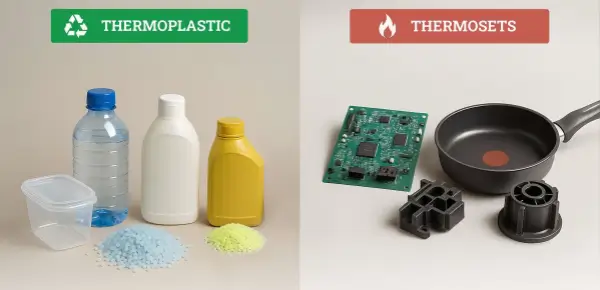
Not all plastics melt just like that. Thermoplastics soften and melt when heated. On the contrary, thermosets degrade instead of melting.
Plastic or plastics don’t refer to a single material. It’s more of an umbrella term to cover a diverse family of polymers. And the behavior of an individual polymer under heat depends on molecular structure.
This is why industries like CNC machining and custom plastic component manufacturing compare plastic properties with metals while designing hybrid assemblies.
1. Thermoplastics (Meltable Plastics)
Thermoplastics soften when heated. You can reshape them multiple times without a significant chemical change. Examples – Polyethylene (PE), Polypropylene (PP), Polyvinyl Chloride (PVC), Polyethylene Terephthalate (PET), Acrylonitrile Butadiene Styrene (ABS), Nylon.
Thermoplastics can undergo reheating, melting, and remolding repeatedly. They have widespread uses in packaging, automotive parts, textiles, and consumer goods. Melting points vary significantly; PE melts at 120–130°C, Nylon at 220–260°C.
Reheating, melting, and remolding enable simplified precision machining of plastics. According to Plastics Today, thermoplastics account for over 80% of global plastic production. Their recyclability is valued in custom manufacturing of plastic components.
2. Thermosetting Plastics (Non-Meltable Plastics)
Thermosets undergo a curing process that creates strong cross-linked bonds. Once hardened, they can no longer be melted or reshaped. Examples – Epoxy resins, Phenolic resins, Polyester resins.
They become permanently hard after curing (no melting possible). No softening occurs under heat; instead, decomposes or chars. These are known for durability, chemical resistance, and heat stability.
Such plastics have great uses in aerospace, automotive coatings, electrical insulation, and construction materials. Thermosets are critical in industries requiring high-performance materials. You can find them paired with CNC machining of metals to create composite systems.
Comparison Table: Thermoplastics vs Thermosets
| Feature/Aspects | Thermoplastics (Meltable) | Thermosets (Non-Meltable) |
| Behavior Under Heat | Gets softened and melted | Eventual degradation (hardened) |
| Reshaping | Yes (multiple times) | Not at all |
| Recyclability | High | Low |
| Examples | PE, PP, PVC, PET, ABS, Nylon | Epoxy, Phenolic, Polyester resin |
| Common Uses | Packaging, textiles, consumer goods | Aerospace, insulation, coatings |
Is Plastic Melting Reversible?
Plastic melting is partially reversible for thermoplastics but irreversible for thermosets. Melting a thermoplastic under controlled conditions enables cooling and reshaping. Overheating or melting thermosets leads to permanent chemical degradation, making the process non-reversible.
Meaning of “Melting of Plastic”
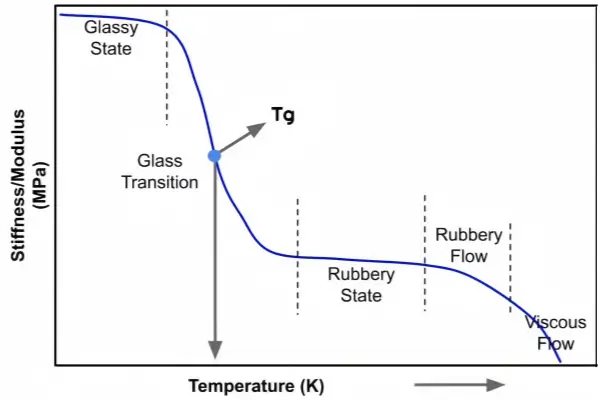
“Melting” refers to the transition of a material from solid to liquid when heated. Why are we even discussing what is melting or the melting point? It’s because not all plastics truly melt. Some plastics only soften (glass transition). And the melting point varies depending on the polymer type.
That being said, “melting of plastic” means the transformation of a solid polymer into a liquid state when heat energy breaks down its crystalline structure. The transition occurs at a defined temperature in crystalline or semi-crystalline plastics.
Nonetheless, plastics are quite complex. Many are amorphous polymers without a sharp melting point. Instead, they undergo a glass transition, a softening process where the material becomes rubbery.
Comparison: True Melting vs Softening (Glass Transition)
| Feature/Aspect | True Melting | Softening / Glass Transition |
| Definition | Solid → Liquid phase change | Rigid → Rubbery softening |
| Occurrence | Semi-crystalline plastics (Nylon, PET, PE) | Amorphous plastics (Polystyrene, PMMA) |
| Temperature Behavior | Sharp + constant melting point | Gradual transition over a range |
| Industrial Impact | Favors reshaping, molding, recycling | Grants flexibility, toughness, and usability |
| Example | Nylon melts at about 220°C –260°C | Polystyrene softens between 90°C – 100°C |
Plastic Melting Point: Different Plastics
The melting or softening point of plastics is a critical property that determines. CNC plastics vary in crystallinity, formulation, and grade. That’s why the melting points aren’t fixed but fall within ranges.
Comparison Table: Melting/Softening Points of Common Plastics
| Plastic Name | Melting / Softening Range (°C) | Notes on Variability |
| Polyethylene (PE – LDPE/HDPE) | 105 – 135 | Varies by density; HDPE melts higher than LDPE |
| Polypropylene (PP) | 160 – 170 | Grade and isotacticity affect melting |
| Polyvinyl Chloride (PVC) | 160 – 210 | Softens rather than sharply melts; additives shift range |
| Polyethylene Terephthalate (PET) | 250 – 260 | Crystallinity and drying conditions matter |
| Acrylonitrile Butadiene Styrene (ABS) | 200 | Amorphous; softens instead of melting |
| Nylon (Polyamide 6/66) | 220 – 265 | Different grades (PA6 vs PA66) vary |
| Polystyrene (PS) | 90 – 100 (Softening) | Glass transition, not true melting |
| Polycarbonate (PC) | 150 – 160 (Softening) | The glass transition defines usability with the shift |
| Polyoxymethylene (POM/Acetal) | 165 – 175 | Crystalline polymer with a sharp melting point |
| Polyethylene Naphthalate (PEN) | 265 – 270 | Higher than PET; used in specialty packaging |
| Polytetrafluoroethylene (PTFE/Teflon) | 327 | High-performance; stable under extreme heat |
| Polyetheretherketone (PEEK) | 343 | Aerospace-grade thermoplastic; retains strength at high temps |
| Polyester (General Thermoplastic Grades) | 220 – 260 | Varies widely with formulation |
| Epoxy (Thermoset) | Degrades >250 | Cross-linked chars instead of melting |
| Phenolic Resin (Thermoset) | Decomposes >220 | Permanently hardened after curing |
Engineers use Heat Deflection Temperature (HDT) rather than the melting point to predict when plastics deform under load. Household plastics like PS or PVC soften at relatively low temperatures.
However, they don’t make it to precision machining applications that demand high thermal stability. Better avoid microwaving or exposing those plastics to boiling water.
Choosing thermoplastics with defined melting points (like PET, PP, PE) improves recyclability. They get preferences for getting combined with custom component manufacturing.
What Happens When Plastic Melts?
Plastic melting is associated with physical changes (softening, deforming, bubbling) as well as chemical changes (toxic fumes from thermal degradation). Some plastics can be safely remelted.
However, overheating causes irreversible breakdown and dangerous emissions. In industrial contexts, plastics integrated with CNC plastic machining require you to understand the melting behavior.
1. Physical Changes (Solid → Soft/rubbery → Viscous Liquid)
Thermoplastics like polyethylene (PE) and polypropylene (PP) gradually soften before becoming flowable. Many plastics darken or yellow as heat increases, signaling chemical stress.
Structural integrity is lost; items warp, sag, or collapse. Molten plastic often clings to surfaces, making handling hazardous. Trapped gases escape, especially in foamed plastics like polystyrene.
2. Chemical Changes (Critical Safety Issue)
Thermal degradation begins when plastics are overheated. This breakdown of polymer chains releases harmful chemicals. Carbon monoxide (CO) comes from incomplete combustion. Nitrogen-containing plastics like polyurethane release hydrogen cyanide (HCN).
Benzene, toluene, and xylene (volatile organic compounds or VOCs)) are some common byproducts. Burning PVC emits extremely dangerous dioxins and furans. Too much heat generates plasticizers like phthalates and additives. And polystyrene release styrene.
Burning plastic waste contributes to urban air pollution in South Asia and Africa. The WHO warns that inhaling plastic fumes can cause acute symptoms (headaches, nausea, respiratory distress) and long-term risks (cancer, organ damage).
Factors Affecting Plastic Melting Temperature
● Polymer Structure
Semi-crystalline plastics (Nylon, PET, PE) have sharp melting points because of well-organized molecular regions. Amorphous plastics (ABS, Polystyrene) lack crystallinity, resulting in gradual softening.
Longer polymer chains and stronger intermolecular forces increase melting points. Such distinction is mandatory when plastics are used alongside precision machining in high-performance assemblies.
● Additives and Fillers
Plasticizers lower softening points by increasing chain mobility. Stabilizers + flame retardants can raise effective melting or decomposition temperatures. Fillers (glass fibers, carbon black) improve strength but often increase heat resistance.
● Processing Conditions
Rapid cooling reduces crystallinity, lowering melting points. Injection-molded plastics may have different thermal properties than extruded ones. Recycled PET shows slightly lower melting points than virgin PET. It can affect compatibility with CNC plastic machining with consistent tolerances.
● Environmental Factors
Higher pressure can raise melting points slightly. Hygroscopic plastics like Nylon absorb water, which lowers their effective melting temperature. Impurities or contaminants also shift melting behavior, complicating recycling streams.
● Grade and Formulation Variations
Different grades of the same polymer can induce 10°C – 30°C differences in melting points. Copolymers (ABS, PETG) are engineered to soften at lower temperatures for easier processing. Such plastics are favored for precision machining and plastic molding intersect.
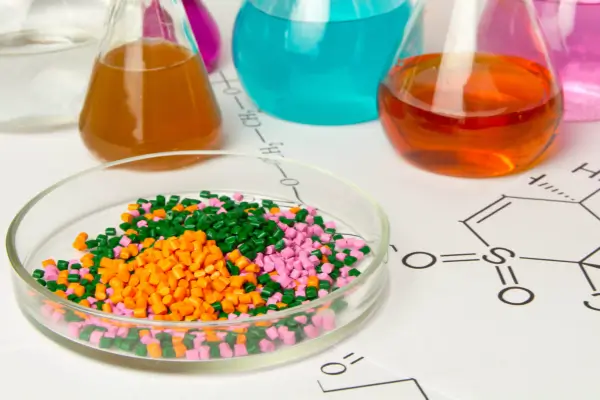
Plastic Applications Based on Melting Points
Plastics are chosen for specific applications based on their melting or softening points. Low-melting plastics are ideal for everyday uses, while high-melting plastics are used across high-end sectors.
1. Low-Melting Plastics (Below 150°C)
Polyethylene (PE), Polypropylene (PP), Polystyrene (PS), Polyvinyl Chloride (PVC) belong to the category. PE and PP dominate global packaging, accounting for over 40% of plastic use. They’re easy to mold into films, bottles, and containers. These plastics, paired with precision metal parts such as rollers, dies, and cutting blades, provide consistent quality and durability.
PS softens at 90°C –100°C. It’s perfect for cups, trays, and cutlery, but unsuitable for hot liquids. Manufacturing disposable goods requires CNC-machined molds, and metal precision keeps mass-produced plastics at uniform thickness and strength.
PVC pipes and window frames withstand moderate heat (160–210°C softening range), balancing durability with cost-effectiveness. In construction, PVC fittings in metal connectors, fasteners, and reinforcement systems deliver accuracy and reliability.
2. Medium-Melting Plastics (150°C – 250°C)
Nylon (PA), Polycarbonate (PC), PET, Acetal (POM) covers the category. Nylon melts at 220°C – 265°C. You’ll get fibers for clothing, ropes, and industrial fabrics. It relies on precision plastic machining for smooth handling of high-strength synthetic fibers.
PC softens at 150°C – 160°C, ideal for transparent casings, CDs, and safety goggles. Embedded plastics in consumer electronics help with durability and thermal management.
PET melts at 250°C – 260°C, good for sterilization and recycling into polyester. Even custom metal components for bottle-making help PET bottles meet strict tolerances.
3. High-Melting Plastics (Above 300°C)
Polytetrafluoroethylene (PTFE/Teflon) and Polyetheretherketone (PEEK) are the most common options. PEEK melts at 343°C, retaining strength in jet engines and spacecraft components. Precision machining of Ti and Al alloys is combined with high-performance plastics to get heat-resistant + lightweight assemblies.
PTFE (melting 327°C) is used in surgical implants and non-stick coatings due to biocompatibility and extreme heat resistance. Medical-grade plastics with CNC surgical parts retain exact tolerances.
These plastics are critical in bearings, seals, and chemical-resistant linings. In such environments, custom plastics provide precision-machined parts that interface with high-performance plastics for reliability.
Accidental/Problematic Plastic Melting
Plastic melting isn’t always intentional. It happens in everyday scenarios where heat exposure exceeds the safe limits. Such incidents can cause structural damage, chemical leaching, and health risks.
Interior temperatures in cars can reach 70–90°C (158–194°F) in summer. Water bottles, dashboards, and toys may soften or deform. Chemicals like BPA or phthalates can leach into bottled water.
Standard dishwashing cycles remain within 60–80°C (140–176°F); sanitize cycles up to 80°C. Not all plastics are safe; look for the dishwasher-safe symbol. Non-safe plastics warp, crack, or leach chemicals.
Uneven microwave heating creates hot spots exceeding 100°C (212°F). Non-microwave-safe plastics can melt or leach chemicals without visible deformation. Always use glass or ceramic for reheating food.
Kitchen spatulas, containers, or cutting boards left too close to heat sources can melt. Stovetops easily exceed plastic melting points, causing common household accidents.
Toys, chargers, or household items placed on heating vents soften or deform over time. High heat settings (60–80°C) in dryers can melt synthetic fabrics, shower curtains, or plastic-backed rugs.
Can You Melt Plastic at Home?
Yes. Plastics can be melted using ovens, heat guns, or hot plates. Some DIY recycling projects and crafts attempt this. Magnification through glass intensifies heat. That’s why outdoor furniture and garden hoses degrade faster in hot climates.
Should You Melt Plastic at Home, Though? (STRONG SAFETY WARNING)
You may have to deal with toxic fumes, fire hazards, indoor contamination, potential burns, and health risks. That’s why you should send your plastic to professional establishments like industrial recycling, manufacturing plants, and injection molding facilities.
Still, you may have to do some melting by yourself. In that case conduct the task outdoor for sufficient ventilated. Use a full respirator, not just a mask. Never in kitchens or food-contact contexts. Keep a fire extinguisher, gloves, and eyewear ready. Dispose of contaminated items properly.
Plastics That Should Never Be Heated
PVC (Polyvinyl Chloride) releases highly toxic dioxins when heated. Common in pipes, vinyl flooring, and packaging. Never burn or melt intentionally. PS (Polystyrene/Styrofoam) releases styrene, a probable carcinogen. Found in disposable cups and takeout containers. Unsafe for microwaves or hot liquids.
Others (including Polycarbonate) may contain BPA; composition varies. Used in water bottles and mixed plastics. Avoid heating unless specifically labeled safe.
Plastics without codes mean unknown composition (presumably unsafe). Never heat or use with food. Also, keep microwave-safe considerations into account. “Microwave-safe” means resistant to melting, not free from chemical leaching. Damaged or scratched containers increase risk.
Health Risks Associated with Plastic Melting
1. Immediate Health Effects
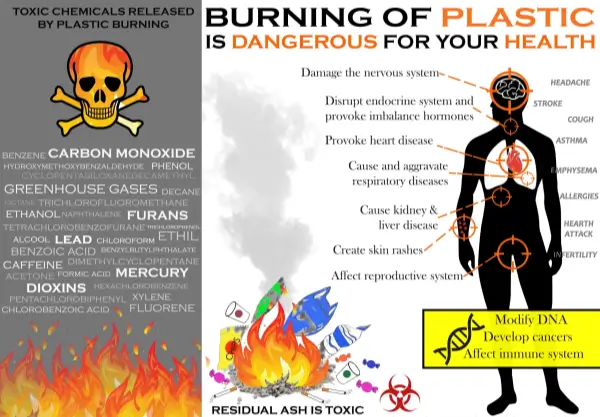
Thermal degradation breaks down polymer chains, releasing harmful chemicals into the air. Inhalation of fumes causes coughing, throat irritation, and shortness of breath.
Contact with fumes or molten plastic can cause burning sensations. VOCs (volatile organic compounds) like benzene and toluene affect the nervous system.
2. Long-Term Health Consequences
Prolonged or repeated exposure to plastic fumes can lead to chronic health conditions. Styrene (from polystyrene) and dioxins (from PVC) are linked to increased cancer risk.
VOCs can impair memory, concentration, and motor skills. Phthalates and BPA interfere with hormone regulation. Carbon monoxide and cyanide affect the heart, liver, and kidneys.
3. Environmental/Community Impact
Melting plastics in homes (microwaving non-safe containers) can leave lingering residues. Open burning in landfills releases toxins into soil and water, contaminating food chains.
According to Stop Poison Plastic, workers in plastic manufacturing and recycling plants face up to 3x higher exposure to VOCs. The WHO identifies dioxins from PVC burning as among the most dangerous pollutants.
Never intentionally melt plastic indoors. Use glass, ceramic, or stainless steel for food heating. Support professional recycling facilities with proper ventilation and filtration.
Conclusion
Plastics are deeply woven into everyday lives as well as high-end applications. That’s where understanding the melting points is crucial, going beyond industrial specifications. It’s because the way a plastic responds to heat determines how it’s used, recycled, and safeguarded.
Knowing which plastics melt, soften, or degrade also helps manufacturers make smarter choices. It should also remind everyone of the critical safety concerns associated with melting plastics. You must remain cautious against harmful fumes, VOCs, burning, and health risks.
Custom Manufacturing of Plastic Parts Available at HRCCNC
HRCCNC marks the industry standard with in-depth expertise in material properties + processing techs. We offer a broad range of plastic products that comply with optimal safety guidelines. Our 18 years of precision machining experience can get you the best CNC plastic components for your demands.