
Custom CNC Machining Services for Metal & Plastic Parts
ISO 9001 certified CNC machining factory in China. Get precision-milled and turned parts with tight tolerances, 80+ materials, surface finishing, and fast global delivery.
- Tolerances as tight as ±0.1 mm, tighter after review
- 3-axis, 4-axis, 5-axis CNC milling and turning
- Aluminum, stainless steel, brass, titanium, PEEK, ABS and more
- Most projects quote within 24 hours with free DFM feedback
- ISO 9001:2015 quality management
- Free DFM review
- Global delivery support
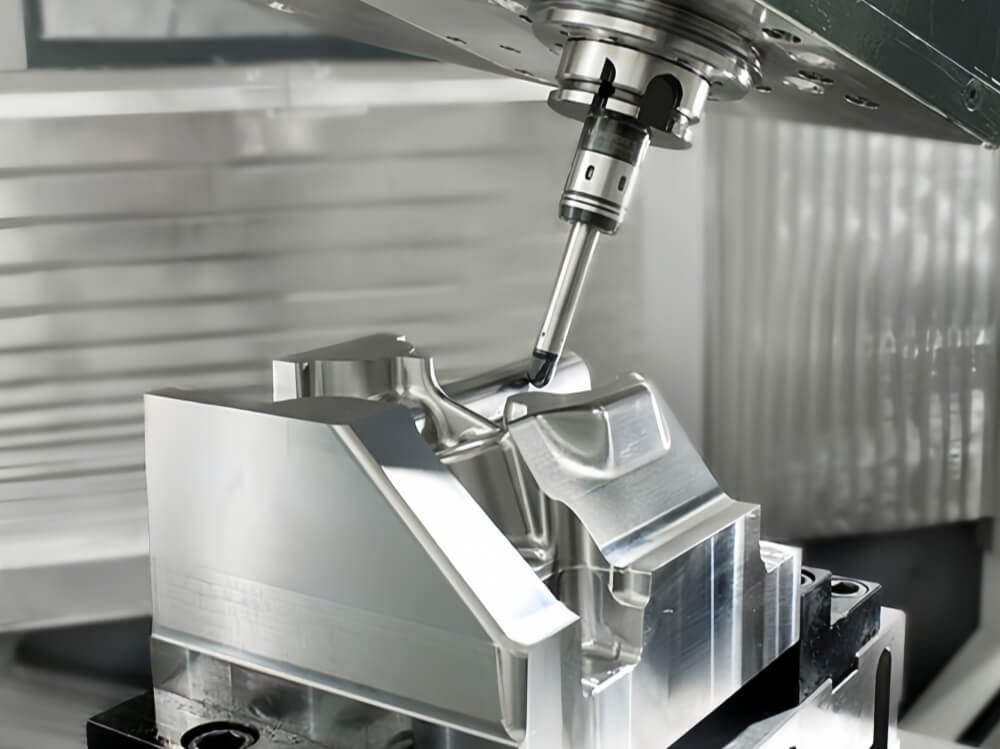
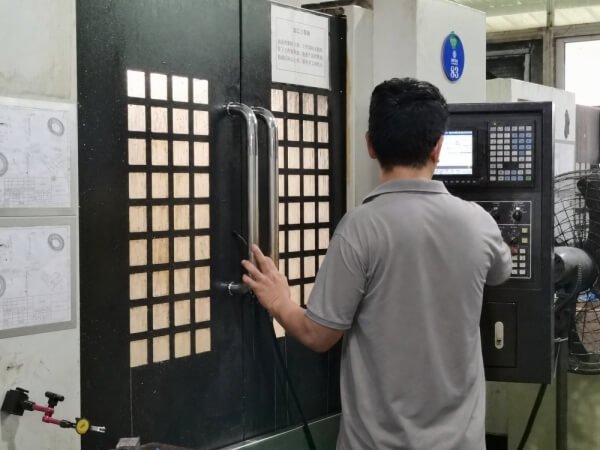
- 40+ CNC Machines
- Quote Within 24 Hours
- FAI / CMM Reports
- Self-owned Anodizing Factory
CNC Machining Capabilities
Covering complex prototypes, precision mechanical components, housings, brackets, shafts, fixtures, and production parts across a wide range of industries.
| Processes | CNC milling, CNC turning, 5-axis machining, drilling, tapping, grinding, EDM |
|---|---|
| Materials | Aluminum, stainless steel, steel, brass, copper, titanium, ABS, POM, PC, PEEK, PMMA, nylon |
| Standard tolerance | ±0.1 mm |
| Tight tolerance | Down to ±0.009 mm depending on material, geometry, and process |
| Surface roughness | As machined, Ra 0.05 - Ra 12.5 available upon request |
| File formats | STEP, STP, IGS, IGES, X_T, SLDPRT, DWG, DXF, PDF |
| Production volume | Prototype, low-volume, and production runs |
| Lead time | As fast as 7-9 days depending on part complexity and quantity |
| Quality documents | Inspection report, material certificate, COC, and surface treatment certificate available upon request |
Send CAD files, drawings, material, quantity, finish, and critical tolerance requirements for accurate quotation.
Our CNC Machining Services
Covering complex prototypes, precision mechanical components, housings, brackets, shafts, fixtures, and production parts across a wide range of industries.
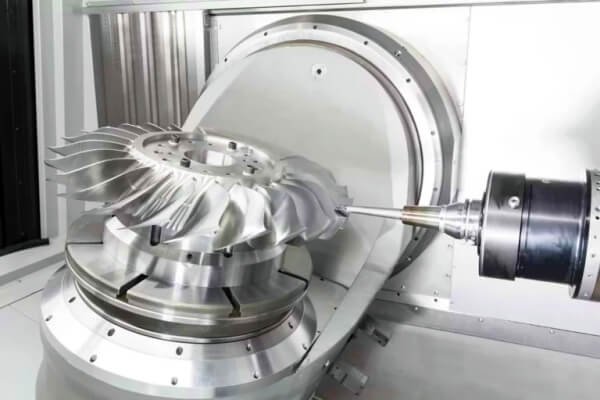
CNC Milling Service
Our CNC milling service utilizes advanced 3-axis, 4-axis, and 5-axis machining centers to manufacture complex components with tight tolerances. We provide precision milling solutions for prototypes, low-volume production, and high-performance industrial parts.
- Complex geometries and multi-sided machining
- Precision prototypes and production components
- Aluminum, stainless steel, titanium, and plastic machining
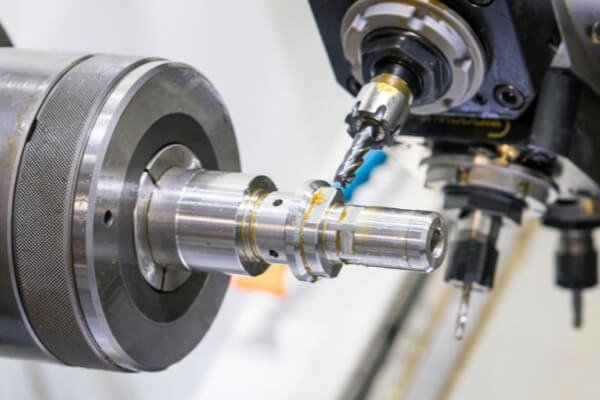
CNC Turning Service
Our CNC turning capabilities produce accurate cylindrical components using advanced turning centers and live tooling technology. We manufacture shafts, bushings, threaded parts, and other precision-turned components for various industries.
- High-precision round parts and cylindrical components
- Threading, grooving, drilling, and milling operations
- Prototype development and production manufacturing

5 Axis CNC Machining Service
Our 5-axis CNC machining service enables simultaneous machining from multiple angles, reducing setups and improving accuracy for complex components. This advanced capability is ideal for aerospace, medical, and high-performance applications.
- Improved accuracy and surface quality
- Complex geometries completed in fewer setups
- Aluminum, stainless steel, titanium, and plastic machining
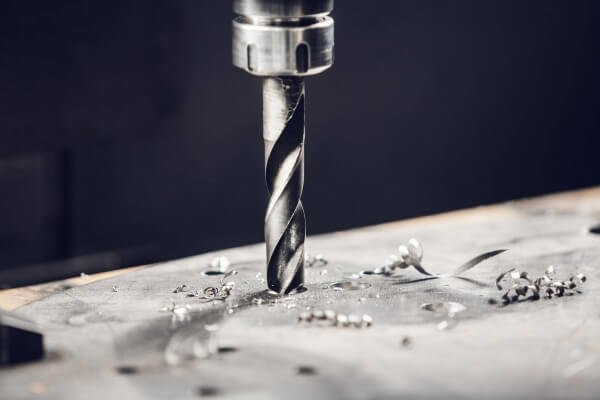
CNC Drilling Service
Our CNC drilling service provides accurate hole machining for metal and plastic components. With advanced equipment and precise positioning control, we create holes, patterns, and threaded features that meet demanding engineering requirements.
- Precision holes with consistent positioning accuracy
- Deep drilling, tapping, and counterbore operations
- Suitable for prototypes and production parts
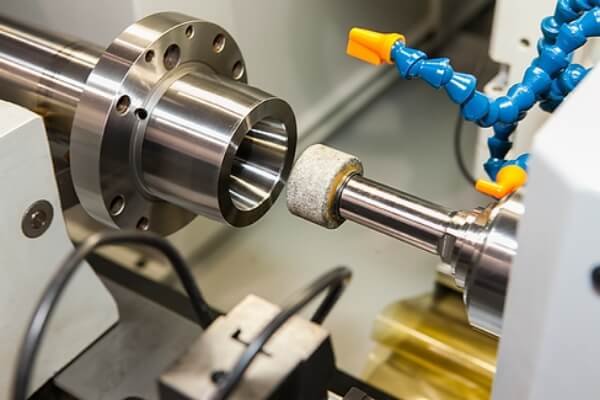
CNC Grinding Service
Our CNC grinding service delivers exceptional surface finish and dimensional accuracy for high-precision components. Grinding processes are used to achieve tight tolerances that exceed conventional machining capabilities.
- Ultra-precise dimensions and surface finishes
- Flat, cylindrical, and profile grinding solutions
- Ideal for hardened steel and wear-resistant materials
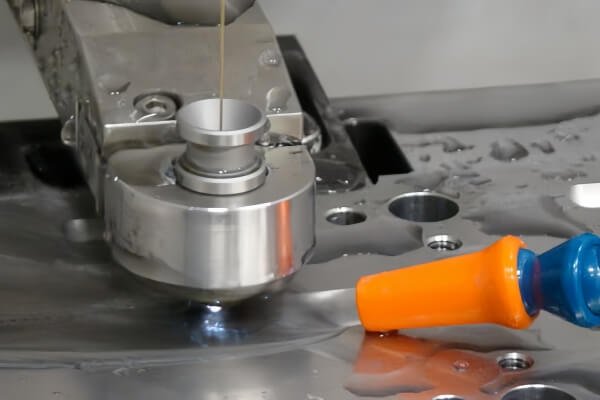
CNC EDM Machining
Our EDM machining service uses electrical discharge technology to produce complex features that are difficult to achieve with traditional cutting methods. We provide wire EDM and sinker EDM solutions for precision components.
- Complex contours, sharp corners, and fine details
- Machining of hardened steel and difficult materials
- High accuracy for molds, tooling, and prototypes
CNC Machining Materials We Provide
HRCCNC machines a wide range of metals and engineering plastics. If your required material is not listed below, our team can help source it or recommend a suitable alternative based on strength, weight, corrosion resistance, temperature resistance, and budget.
| Material | Best For | Finishes |
|---|---|---|
| Aluminum 6061 / 7075 / 5052 | Prototypes, enclosures, brackets, heat sinks | Anodizing, bead blasting, powder coating |
| Stainless Steel 304 / 316 / 17-4PH | Corrosion-resistant, medical, marine, food parts | Passivation, polishing, electropolishing |
| Brass C360 | Connectors, fittings, decorative parts | Nickel plating, chrome plating, polishing |
| Titanium Grade 5 | Aerospace-grade parts, high-strength components | Bead blasting, anodizing by request |
| Carbon Steel 1018 / 4140 | Machinery, shafts, fixtures, tooling components | Black oxide, zinc plating, powder coating |
| Material | Best For | Finishes |
|---|---|---|
| ABS | Prototypes, housings, fixtures, enclosures | As machined, painting, plating |
| PC Polycarbonate | Optical parts, guards, transparent parts | As machined, polishing, painting |
| POM / Delrin | Gears, bushings, slides, precision parts | As machined |
| Nylon PA6 / PA66 | Wear parts, brackets, rollers, spacers | As machined, black dye |
| PEEK | High-temp parts, medical, aerospace components | As machined |
| PMMA Acrylic | Display parts, light guides, transparent panels | Polishing, painting, laser engraving |
Surface Finishing Options
Different finishes can improve appearance, corrosion resistance, wear resistance, conductivity, and part performance.

- Appearance Finishes
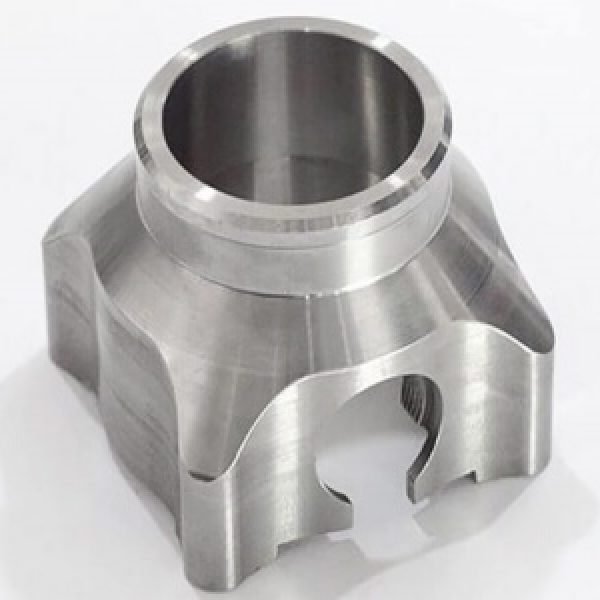
As Machined
Standard finish with visible tool marks.
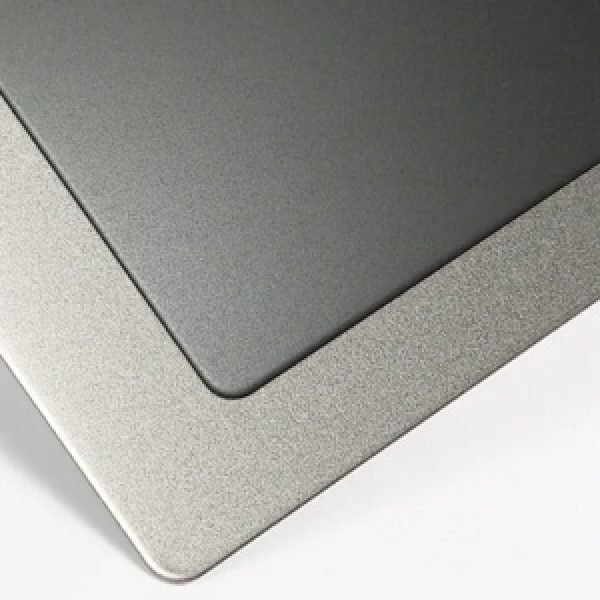
Bead Blasting
Uniform matte surface with low reflectivity.
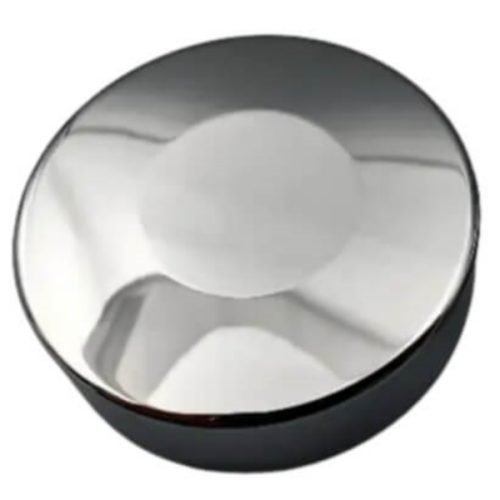
Polishing
High gloss, mirror-like reflective surface.
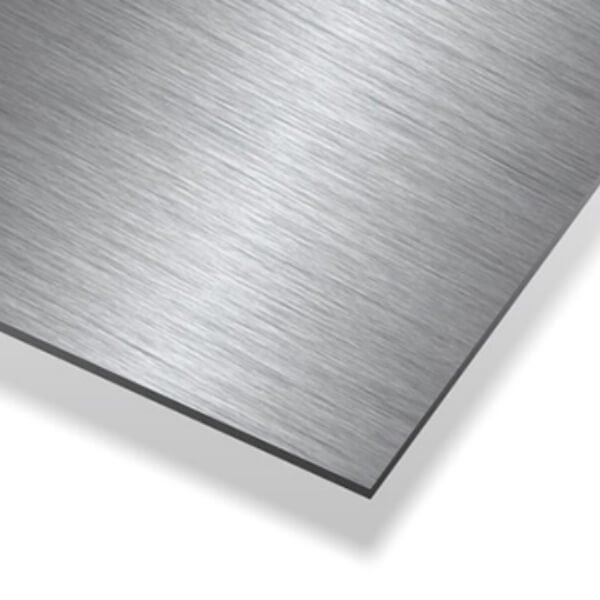
Brushing
Satin finish with directional texture.

- Protection Finishes
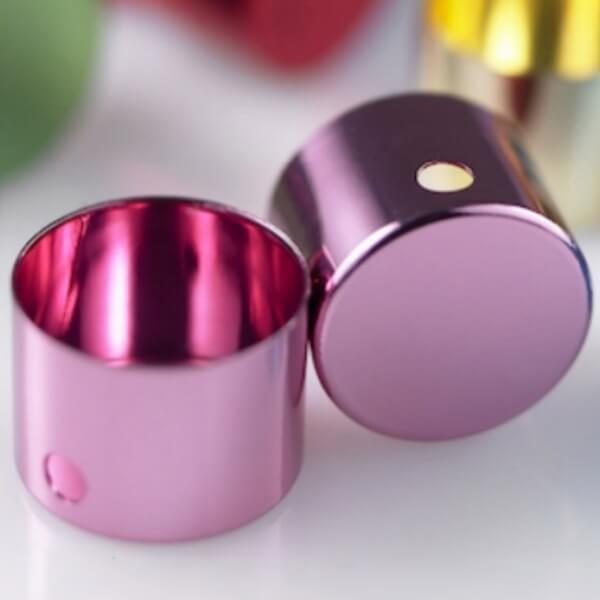
Anodizing
Corrosion resistant with decorative color options.
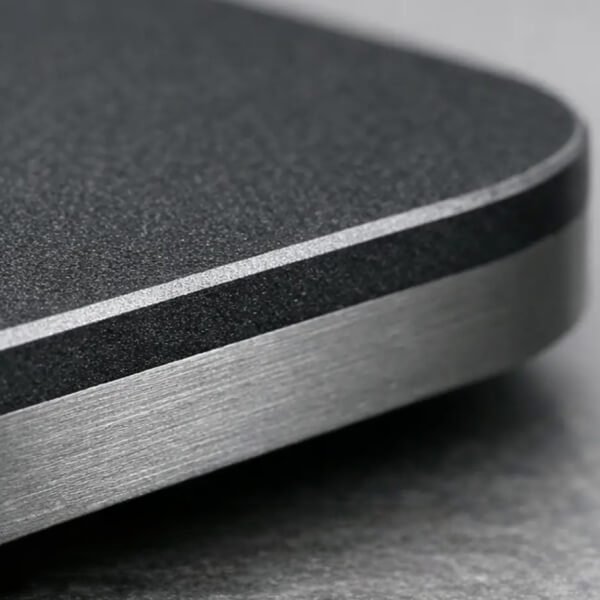
Hard Anodizing
Thick oxide layer for high wear resistance.
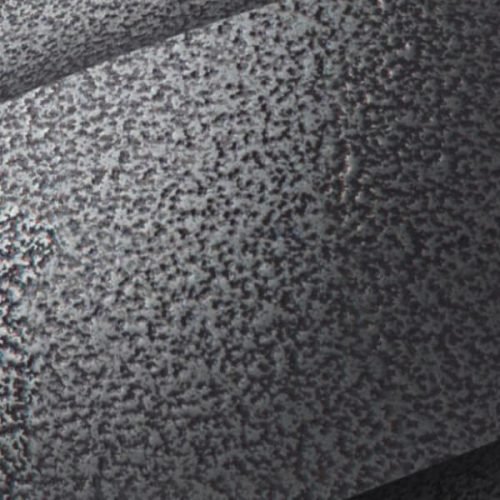
Powder Coating
Durable coated finish with excellent coverage.
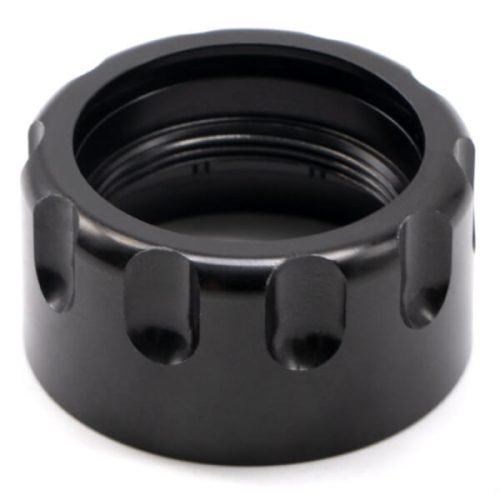
Black Oxide
Mild corrosion protection and reduced glare.
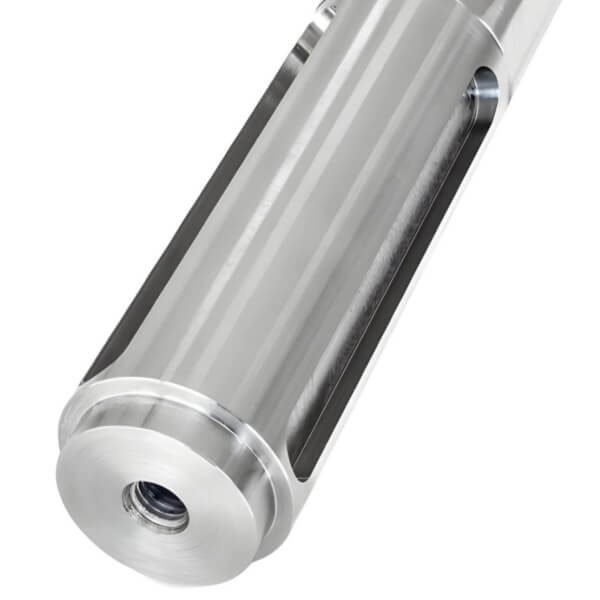
Passivation
Removes free iron and enhances corrosion resistance.

- Functional Finishes
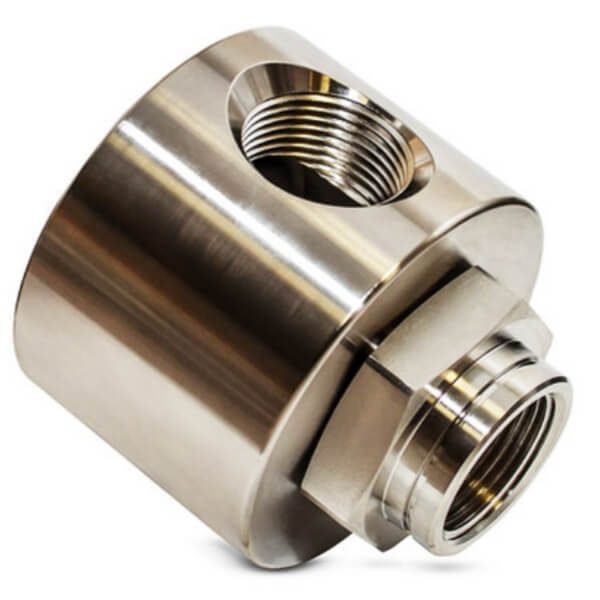
Electroplating
Metal plating for corrosion protection and conductivity.
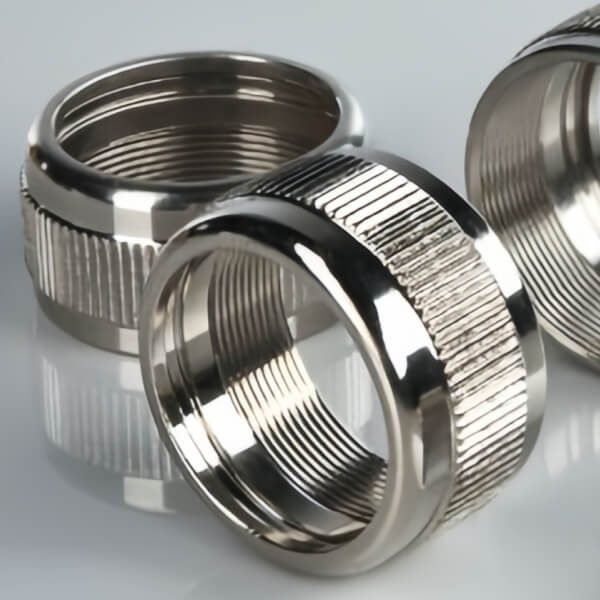
Conductive Plating
Improve electrical conductivity for assembly needs.
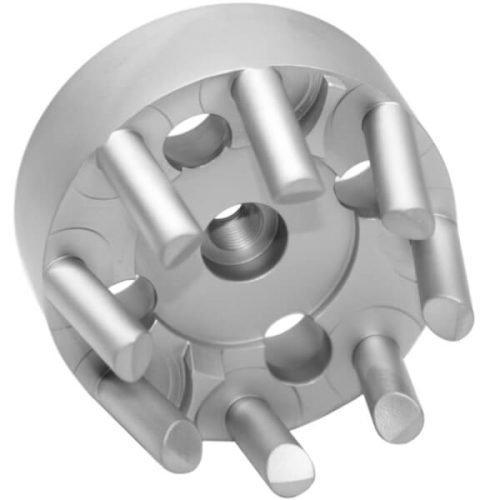
Wear-Resistant Coating
Enhance surface hardness and extend service life.
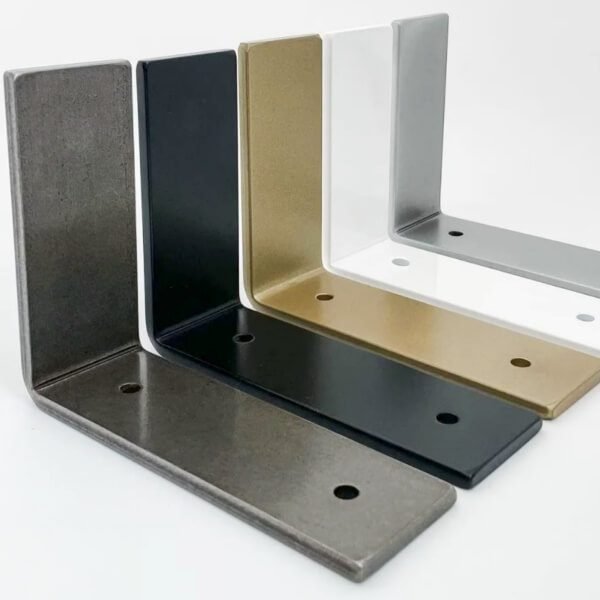
Custom Finish Review
Special finishes available based on your requirements.
How Does the CNC Machining Process Work at HRCCNC?
From CAD file review to machining, finishing, and inspection, HRCCNC follows a clear workflow to help turn your design into accurate custom CNC parts.

Send Your Drawings
Upload your 2D drawings or 3D CAD files with material, quantity, tolerance, and finish requirements.

Engineering Review & Quote
Our team checks manufacturability, machining strategy, material selection, and lead time before quoting.

CNC Programming & Machining
CAM programming, tool selection, machine setup, and precision cutting are planned for stable production.

Finishing & Quality Check
Parts can be deburred, anodized, plated, polished, or inspected according to your project requirements.
Quality Control for CNC-Machined Parts
Quality is built into every stage of production, from raw material checks to final inspection before shipment.
Our QC Focus
Consistent quality. Reliable parts. On time, every time.

Drawing-Based Inspection
Parts are checked according to your 2D drawings, 3D files, and critical- to-function dimensions.
Calibrated Measurement Tools
We use CMM, calipers, micrometers, gauges, and other tools for dimensional verification.
In-Process Checks
Key features are inspected during machining to reduce risk before final production is complete.

Surface Finish Review
Appearance, deburring, coating quality, and surface requirements are reviewed before delivery.
Fit and Function Support
Assembly areas, threads, holes, and mating surfaces can be checked based on project needs.

Inspection Reports
Dimensional reports and quality documentation can be provided upon request.
Need tighter tolerance or inspection documentation?
Send us your drawings and requirements for a quality review.
Applications Across Industries
We manufacture custom CNC machined parts for automotive, aerospace, medical device, electronics, robotics, and industrial equipment applications, from prototypes to low-volume production.
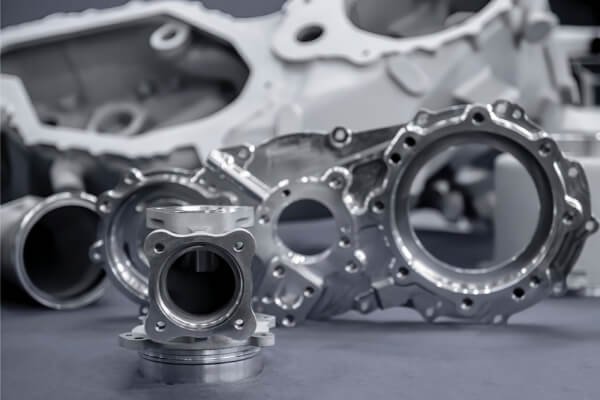
Aerospace & UAV
Lightweight aluminum and titanium components for structural, fixture, and drone applications.
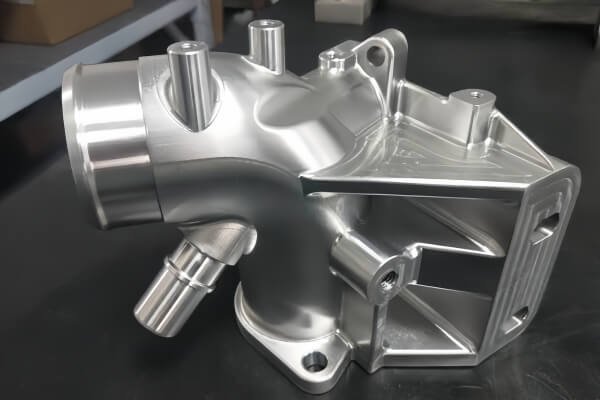
Automotive
Precision brackets, housings, shafts, fixtures, and prototype components for vehicle development and production support.
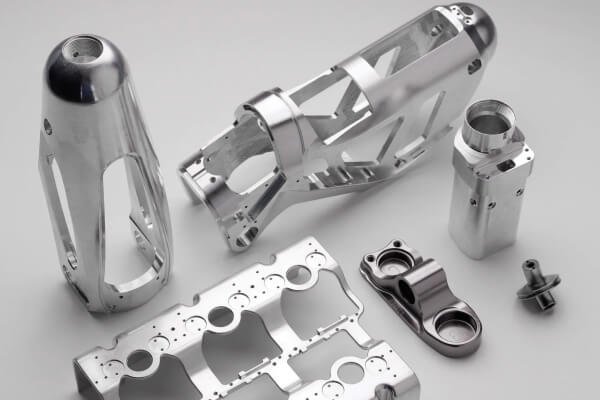
Medical Devices
Stainless steel, titanium, and engineering plastic components for device housings, tools, and precision assemblies.
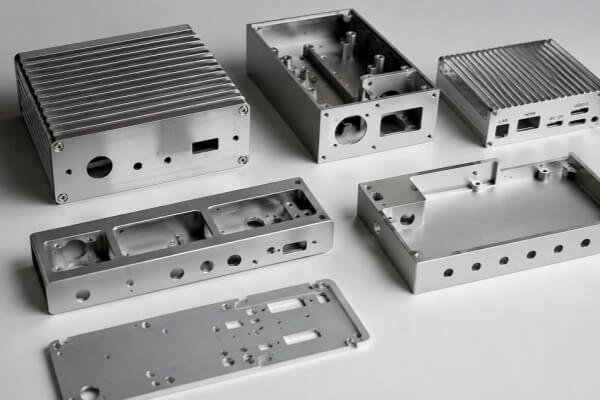
Electronics
CNC machined enclosures, heat sinks, connectors, and mounting parts with cosmetic and dimensional requirements.
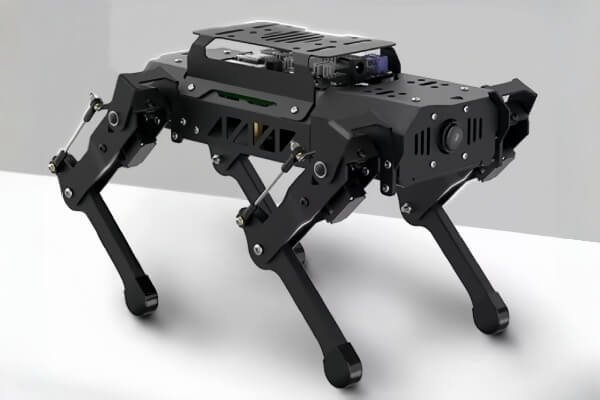
Robotics
Custom joints, end-effectors, gears, brackets, and mechanical parts for automation systems.
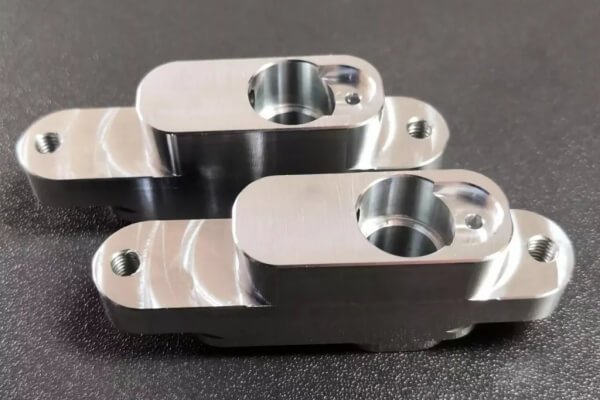
Industrial Equipment
Durable replacement parts, tooling components, shafts, and fixtures for machinery and production equipment.
| Industry | Common CNC Parts | Recommended Materials | Typical Requirements |
|---|---|---|---|
| Aerospace & UAV | Brackets, housings, structural parts, lightweight fixtures | Aluminum 6061/7075, Titanium Grade 5, Stainless Steel | Tight tolerance, lightweight design, inspection reports |
| Automotive | Engine-related components, shafts, fixtures, prototype parts | Aluminum, Carbon Steel, Stainless Steel, Brass | Dimensional accuracy, repeatability, low-volume production |
| Medical Devices | Device housings, surgical tool components, precision assemblies | Stainless Steel 304/316, Titanium, PEEK, PC | Smooth finishes, clean machining, reliable inspection |
| Electronics | Enclosures, heat sinks, connectors, mounting plates | Aluminum 6061/ 5052, Copper, Brass, ABS, PC | Stable dimensions, cosmetic finishes, thermal performance |
| Robotics | End-effectors, gears, brackets, joints, custom mechanical parts | Aluminum, Stainless Steel, POM, Nylon, PEEK | Precision fit, wear resistance, functional prototypes |
| Industrial Equipment | Tooling components, replacement parts, shafts, machine fixtures | Carbon Steel, Stainless Steel, Aluminum, Brass | Durability, strength, surface treatment, batch consistency |
Why Choose HRCCNC for CNC Machining?
From rapid prototypes to production-ready machined components, HRCCNC supports custom CNC projects with engineering review, material selection, surface finishing, and quality inspection to help you receive accurate parts on time.
Precision Machining
Manufacture custom CNC parts with tight dimensional control, smooth surface finishes, and repeatable accuracy for demanding applications.
Fast Engineering Response
Our engineering team reviews drawings and CAD files quickly, helping you receive a clear quotation and manufacturability feedback.
Wide Material Selection
Choose from aluminum, stainless steel, brass, copper, titanium, engineering plastics, and other common CNC materials.
Free DFM Support
Before machining begins, we review your design and suggest practical ways to improve quality, reduce cost, or shorten lead time.
Flexible Production Volumes
Whether you need one prototype or thousands of production parts, we support small-batch and volume CNC machining projects.
Strict Quality Control
Each order is inspected according to drawing requirements, with dimensional reports and material certificates available upon request.
Case Study: CNC Machining & Anodizing Solution for a Complex Aluminum Assembly
A two-piece CNC machining strategy helped reduce machining complexity, avoid anodizing fixture marks, and improve final assembly quality.
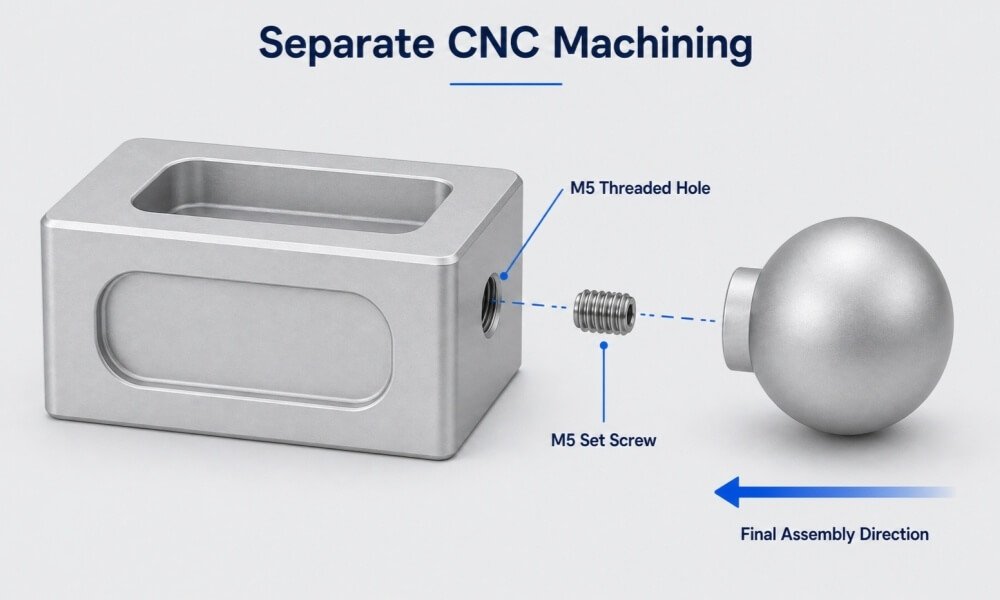
The Challenge
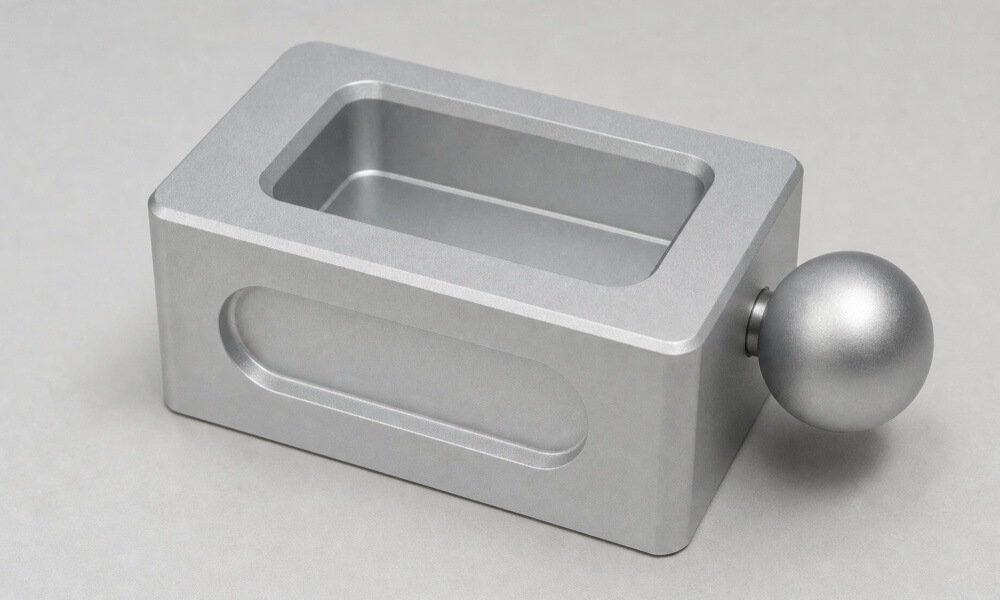
Integrating the circular and square sections into a single CNC-machined part was technically possible, but it would have required significantly more machining time and material removal, resulting in much higher manufacturing costs. More importantly, because every surface was visible, conventional anodizing hanging methods would inevitably leave hanging marks on the cosmetic surfaces.
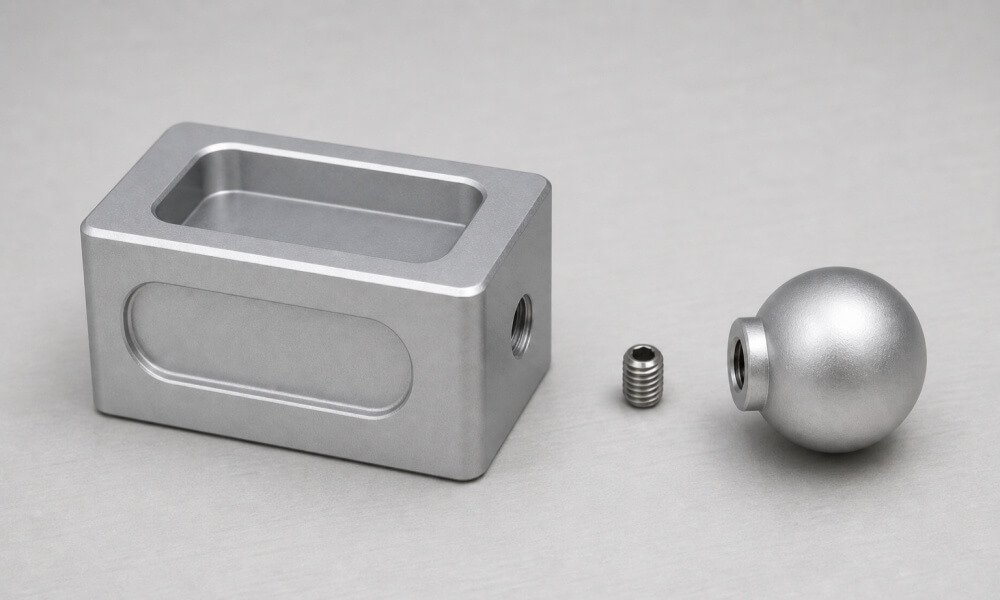
Solution
To improve manufacturability, we redesigned the production process by machining the two components separately. M5 threaded holes were incorporated into both parts, allowing us to develop dedicated M5 anodizing fixtures that securely held each component during surface treatment. This eliminated visible hanging marks while maintaining consistent anodizing quality across all exposed surfaces.
Result
After anodizing, the two components were assembled using custom M5 set screws, creating the appearance of a single integrated product. This approach significantly reduced machining costs, improved production efficiency, and delivered a clean, high-quality anodized finish without compromising the product's appearance.
- Project Outcome
- Better tool access
- Cleaner Anodized Appearance
- Reliable final assembly
CNC Machining Cost: What Determines Your Quote?
There is no single fixed price for custom CNC machining. Your quote depends on your drawings, materials, tolerances, finishes, quantities, and lead time.
For a more accurate quote, send us:
- 2D drawings or 3D CAD files
- Material and quantity
- Tolerance and finish requirements
- Your files and information are secure and confidential.
Part design complexity
Complex shapes, deep cavities, thin walls, and tight features require more machining time.
Material and machinability
Material type and hardness affect cutting speed, tool wear, and overall machining efficiency.
Tolerance requirements
Tighter tolerances require more controlled machining and additional inspection or finishing.
Surface finish
Additional finishes such as anodizing, plating, polishing, or blasting, add process steps.
Quantity and setup
Higher quantities reduce setup cost per part and improve overall unit pricing.
Delivery schedule
Shorter lead times may require priority scheduling, expedited sourcing, or additional resources.
CNC Machining FAQs
Answers to common questions about CNC machining quotes, materials, tolerances, finishing, inspection, and production support.
What files do I need to request a CNC machining quote?
For an accurate quote, please send 2D drawings or 3D CAD files, material requirements, quantity, tolerance, surface finish, and delivery expectations. If you are unsure about the material or finish, our team can review your project and suggest practical options.
What materials can HRCCNC machine?
We support common metals and engineering plastics such as aluminum, stainless steel, brass, copper, titanium, ABS, POM, PC, nylon, and PEEK. Material availability may depend on part design and project requirements.
Can you machine both prototypes and low-volume production parts?
Yes. HRCCNC supports one-off prototypes, small batches, and low-volume production projects. We can review your drawings and recommend a practical machining and production approach.
What tolerances can you support?
Tolerance support depends on material, part geometry, size, wall thickness, machining process, and inspection requirements. Please include critical dimensions and tolerance notes in your drawings.
Can you provide surface finishing after CNC machining?
Yes. Available finishing options may include anodizing, bead blasting, polishing, plating, powder coating, black oxide, and other post-processing services depending on material and part requirements.
Can you provide inspection reports or material certificates?
Dimensional inspection reports, material certificates, and other quality documentation can be provided upon request. Please mention documentation requirements before quotation.
How long does CNC machining usually take?
Lead time depends on part complexity, material availability, quantity, surface finish, inspection needs, and delivery requirements. Simple prototype projects are usually faster than complex or finished production parts.
Do you provide DFM feedback before production?
Yes. Our engineering team can review your drawings for manufacturability, machining risk, material selection, tolerance feasibility, and potential cost-saving opportunities before production.
Ready to Start Your
CNC Machining Project?
Send your drawings or CAD files, and our team will review your material, tolerance, finish, quantity, and delivery requirements.
- DFM feedback available
- Surface finishing support
- Inspection reports upon request
- Your files and information are secure and confidential.