 Skip to content


brass CNC machining
At HRC Metal, we specialize in manufacturing CNC brass parts with high precision
and durability. Our advanced CNC machining capabilities allow us to deliver custom brass
components that meet diverse industrial needs, from electronics to automotive applications.
We Stand as Your Trusted Supplier for Brass Parts Machining
At HRC, we specialize in brass CNC machining, delivering precision-engineered parts for industries that demand reliability and accuracy. From simple fittings to complex brass CNC turned parts, we combine advanced equipment with years of expertise to manufacture high-performance brass products. Our commitment to quality and consistency makes us a trusted partner for companies seeking long-term manufacturing solutions.
CNC brass machining capabilities and equipment
HRCCNC supports brass prototypes from 1 piece, with sample lead times of 7–9 working days; the final machining envelope, tolerance and finish are confirmed after drawing review.
| Capability | Published capability / quotation basis | Application limits |
|---|---|---|
| Maximum machining size | Up to 1,200 × 800 × 600 mm | Overall shop machining envelope; brass part feasibility depends on stock, workholding and tool access. This is not a lathe diameter or turning-length limit. |
| Dimensional tolerance | Down to ±0.009 mm on approved features | Available on suitable milled features after drawing review; turned diameters, threads and GD&T are quoted individually. |
| Surface treatment and roughness | Brushing, polishing, plating or laser engraving; Ra and coating thickness as specified on the drawing | Agree the finish, coating system, thickness and inspection requirements before production. |
| Sample lead time | 7–9 working days for CNC milling or turning samples | Final schedule depends on stock, geometry, quantity, finishing and inspection; production-batch timing is confirmed in the quotation. |
| Minimum order quantity | 1 piece for CNC prototypes | Batch pricing is based on quantity, material, setup and inspection requirements. |
Machining and inspection equipment
| Equipment | Published specification / function | Use in production |
|---|---|---|
| CNC machining centers | 3-axis, 4-axis and 5-axis capability | Milled features, angled holes and multi-face components. |
| High-speed CNC milling machines | Spindle speeds up to 20,000 rpm | Available machine speed; actual cutting speed is selected for the alloy, tool and setup. |
| CNC lathes and turning centers | Rotary components and threaded features | Bushings, pins, fittings and concentric features. |
| Turn-mill centers | Turning and milling in one setup | Combined rotary and milled features with fewer transfers. |
| CMM and inspection instruments | ZEISS CONTURA G2 CMM, optical comparator and roughness profilometer | Dimensional, profile and surface checks selected to match the drawing. |
Send the alloy designation, quantity, 3D model and a 2D drawing showing critical tolerances, threads and finish requirements so we can confirm the manufacturing plan.
HRC Custom Brass and Related Products
We manufacture custom brass products, as well as custom copper products for electrical use and custom bronze products for mechanical parts. Our range covers diverse industries, offering flexibility, durability, and consistent quality. Each part is tailored to meet your design requirements, whether for small prototypes or high-volume production.
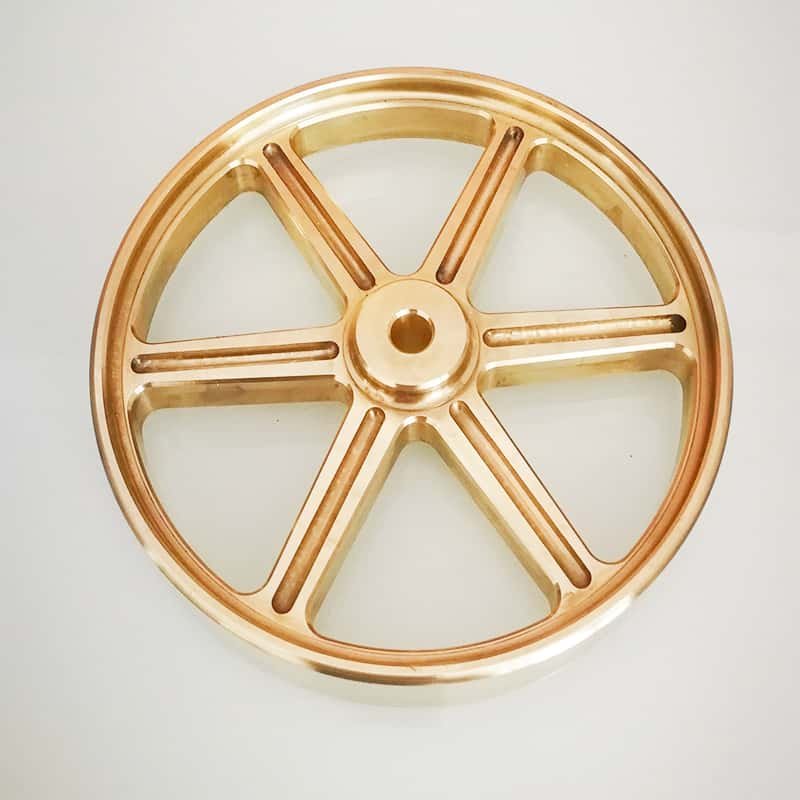
Cnc Brass Ship parts
CNC Turning + Passivation
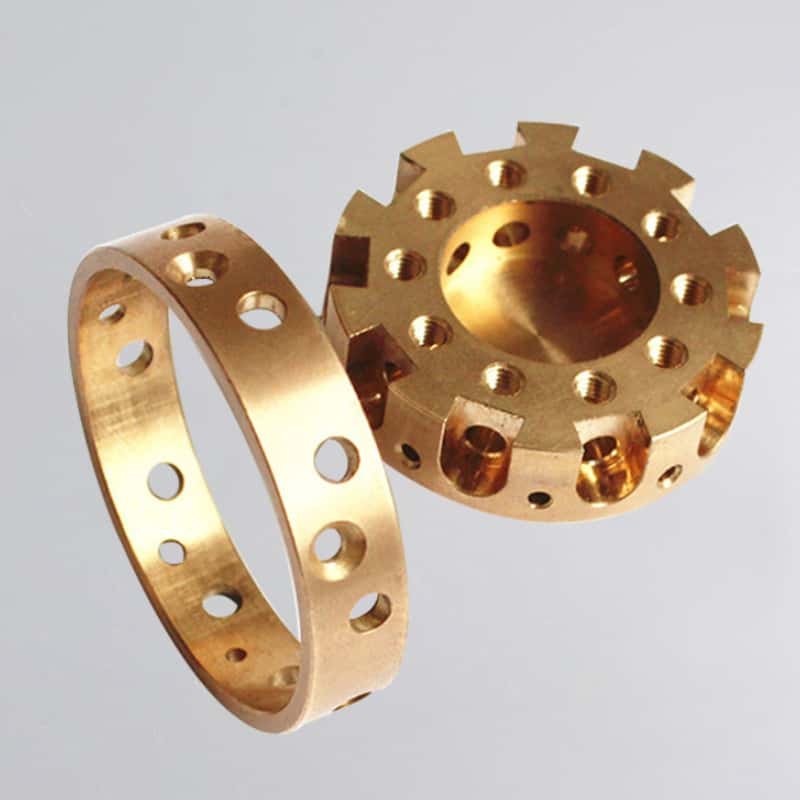
CNC Turning machining parts
CNC Turning + Passivation
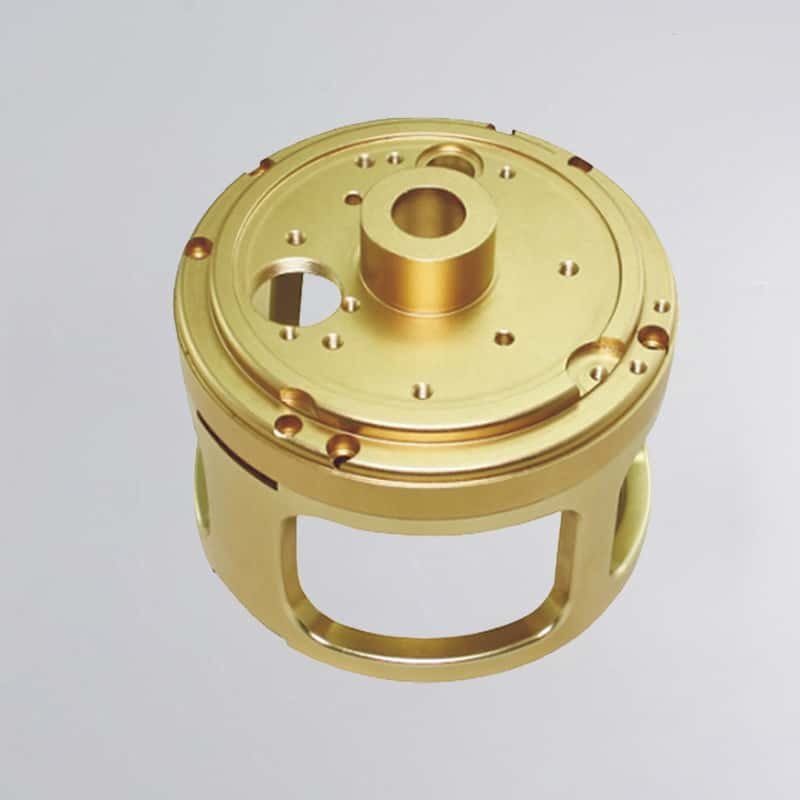
4 axis machined parts
CNC Turning + Milling + Passivation
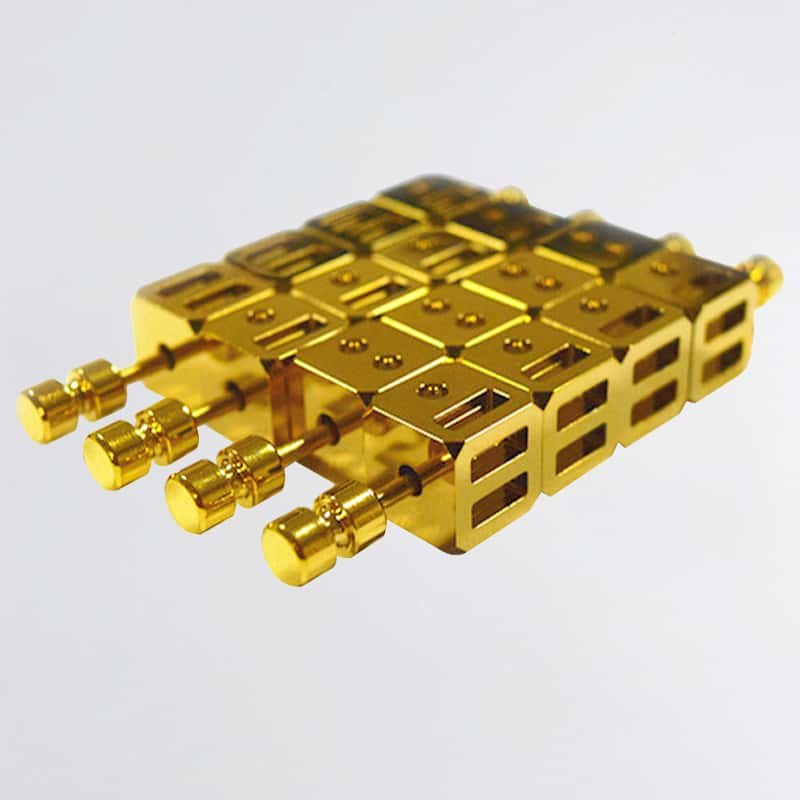
Custom brass dice
CNC Turning + Plating
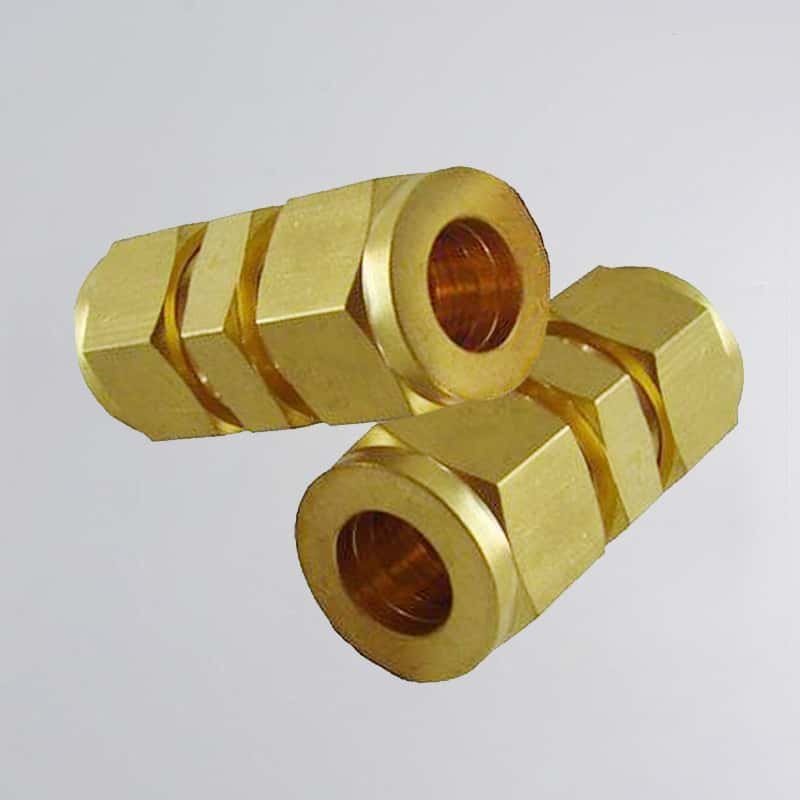
High qulity screw
CNC Turning + Passivation
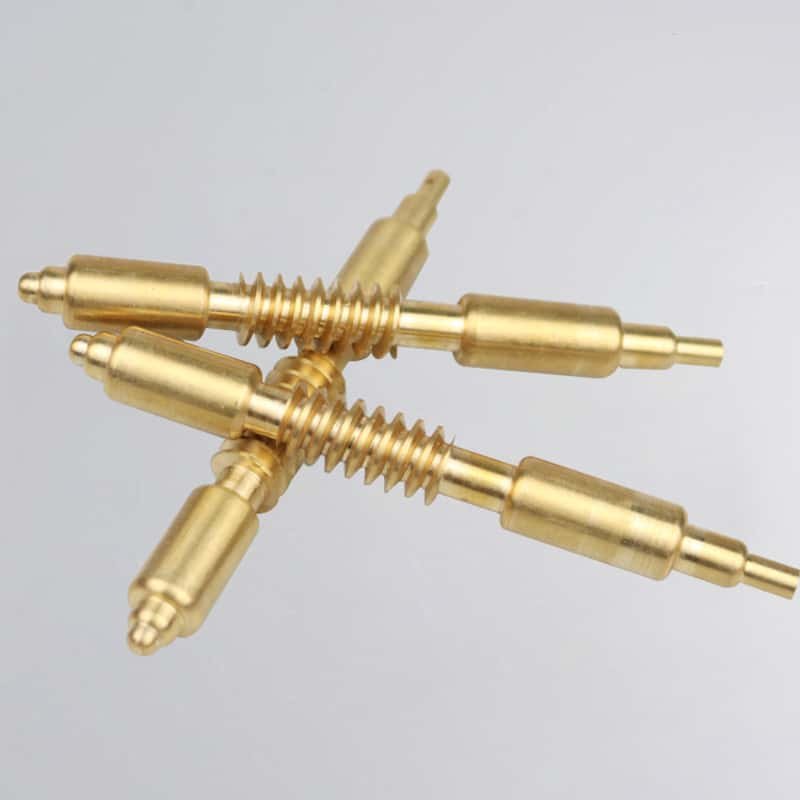
Cnc brass bearing
CNC Turning + Passivation
HRC Custom Copper Products
In addition to brass, we also supply custom copper products, designed for applications requiring excellent electrical and thermal conductivity.
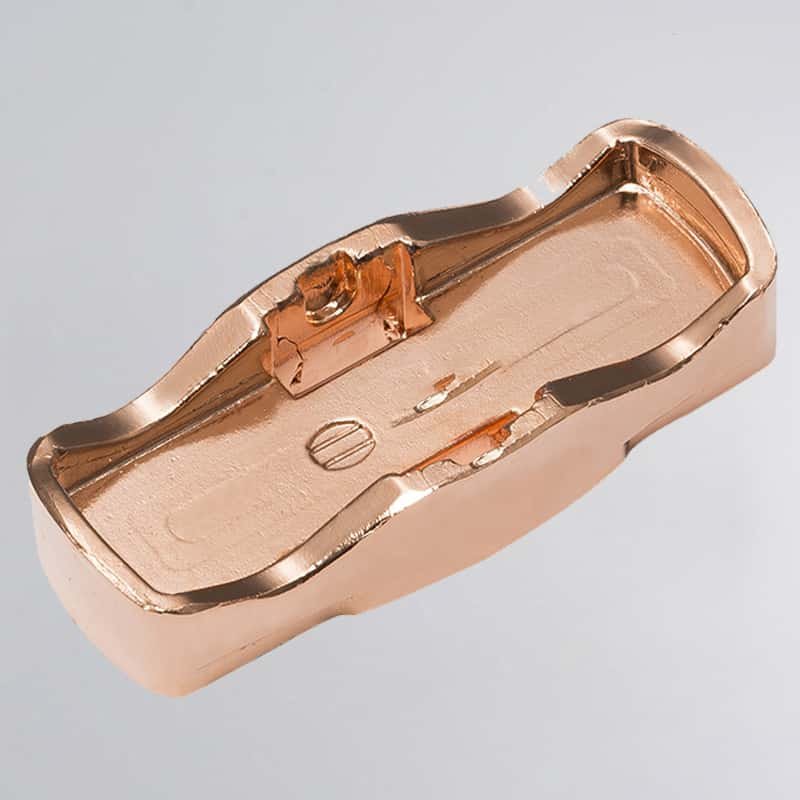
Copper Milling parts
cnc turning+milling
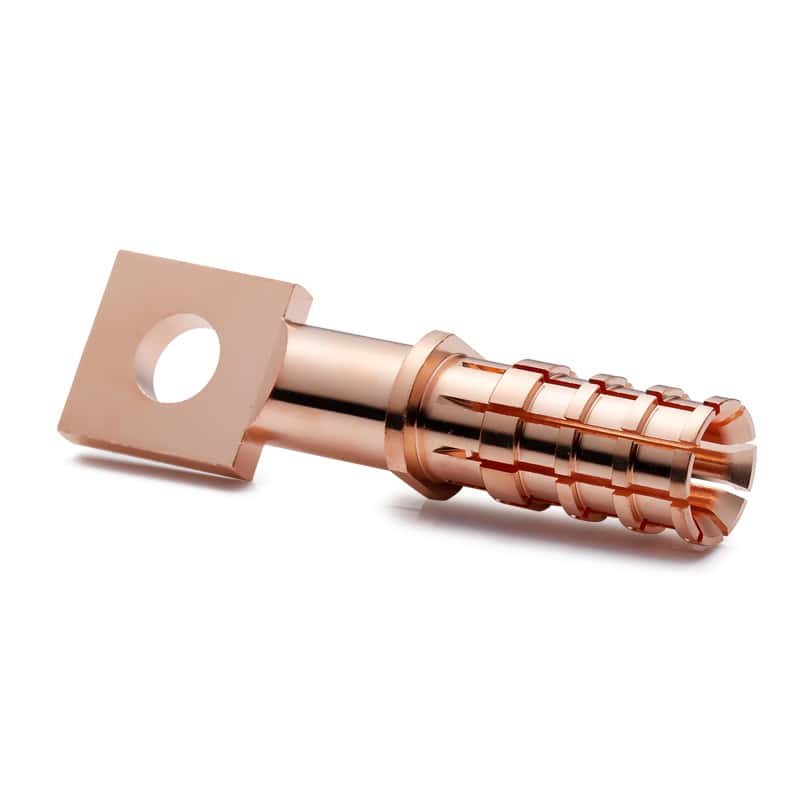
Copper CNC lathe parts
cnc turning parts
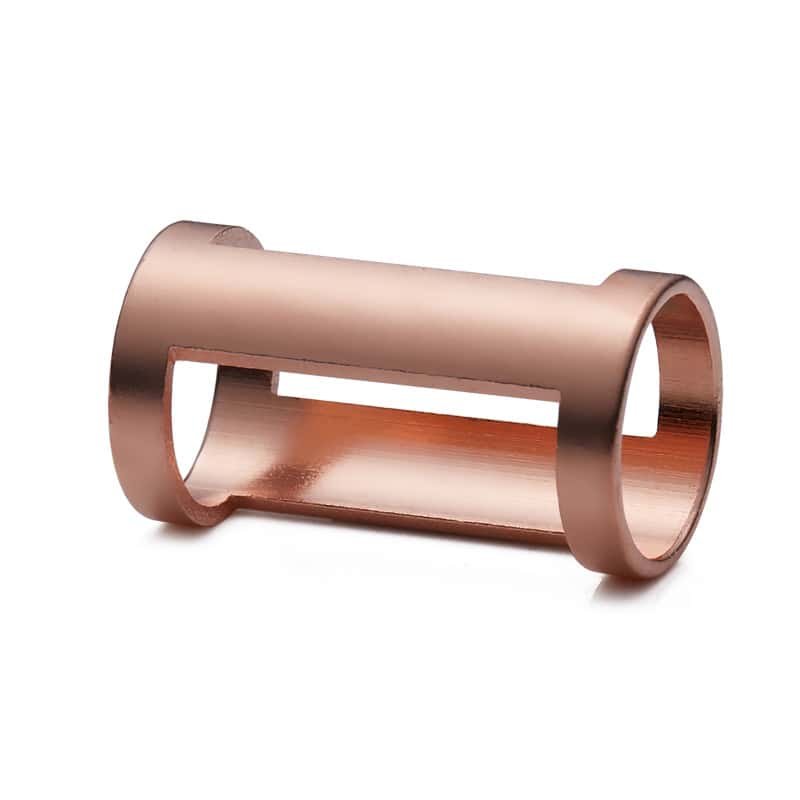
Copper turning parts
cnc turning+milling
HRC Custom Bronze Products
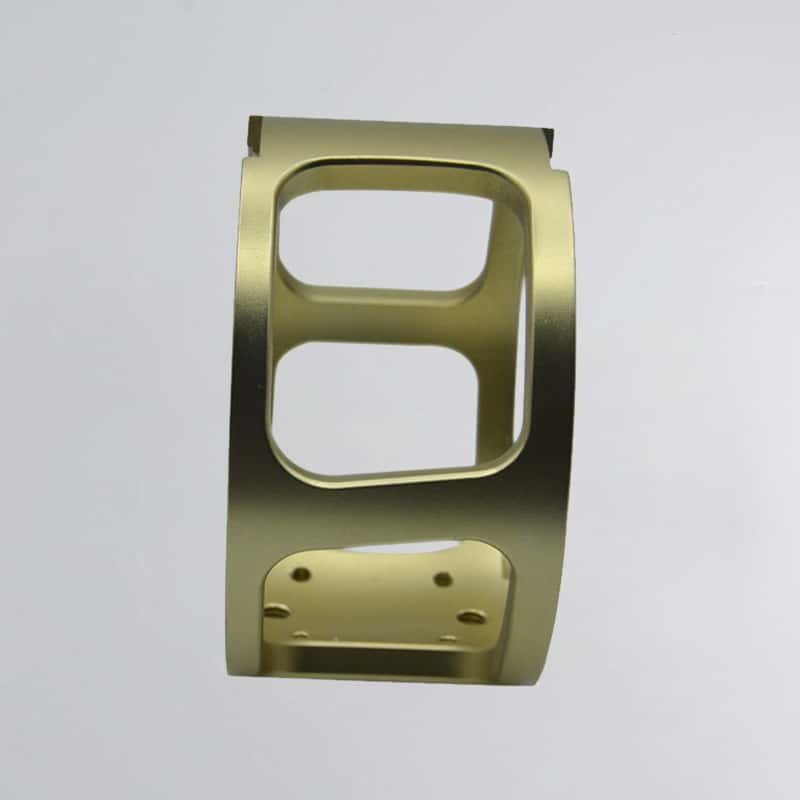
CNC Brass Ship parts
cnc turning+milling
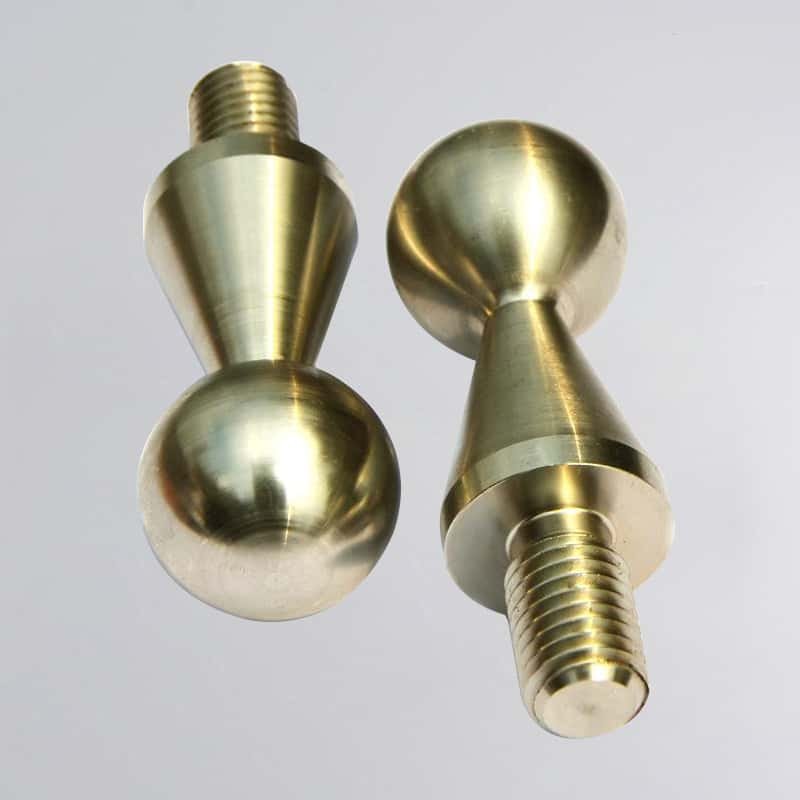
CNC turning+drilling
cnc turning+drilling
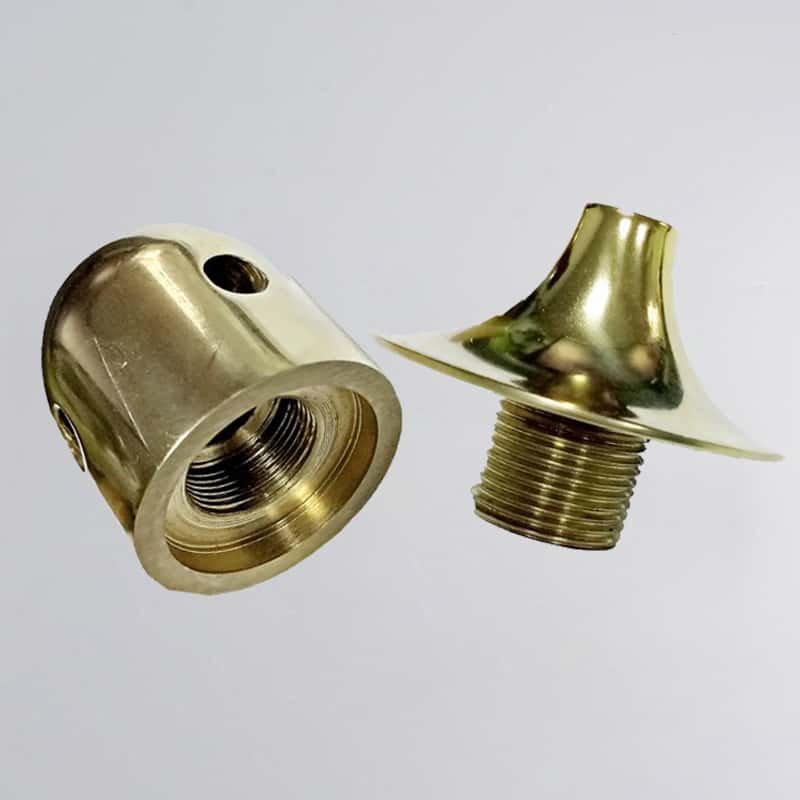
CNC lathe brass bearing
cnc turning+drilling
Benefits of CNC Machined Brass Parts
CNC brass machining provides precision, superior machinability, and cost efficiency. Brass CNC turned parts are durable, corrosion resistant, and ideal for producing complex geometries with smooth finishes at competitive prices.
High precision parts
CNC brass machining ensures every component meets exact specifications, delivering consistent dimensions and smooth finishes, even on complex geometries.
Superior Machinability
Brass is one of the easiest metals to machine, allowing us to produce brass CNC turned parts efficiently with minimal tool wear, reducing production costs.
Cost-Effective
The combination of material efficiency and fast machining cycles makes CNC brass an economical option for both prototyping and mass production.
Superior Surface Finish
CNC brass machining delivers remarkably smooth, burr-free surfaces. This enhances component appearance and cuts friction between moving parts, while reducing corrosion risk.
Brass alloy selection chart: C36000 / C37700 / C26000
Choose C36000 for machined features, C37700 for hot-forged blanks followed by machining, and C26000 when cold forming is the priority.
| Brass alloy | Copper / lead content by mass | Machinability rating (C36000 = 100) | Best process fit | Selection constraint |
|---|---|---|---|---|
| C36000 — free-cutting brass | Cu: 60.0–63.0%; Pb: 2.5–3.0% | 100 | Turned fittings, threaded inserts, spacers and screw-machine parts. | Leaded grade; do not specify it as a default lead-free potable-water material. |
| C37700 — forging brass | Cu: 58.0–61.0%; Pb: 1.5–2.5% | 80 | Hot-forged bodies followed by machining of bores, threads and sealing faces. | Excellent hot forming, but poor cold workability; lead content requires end-use review. |
| C26000 — cartridge brass | Cu: 68.5–71.5%; Pb: 0.07% maximum | 30 | Cold-formed shells, drawn components and decorative parts with secondary machining. | Lower machinability than C36000; allow for chip control and deburring. Low lead content alone does not establish drinking-water approval. |
Ratings are comparative material-selection guides, not cycle-time percentages. Confirm the product standard, temper and material certificate when ordering. The C36000 composition shown follows the current Copper Development Association listing; check the specified standard edition rather than substituting a different free-cutting grade.
For weight-sensitive parts, compare brass vs aluminum before finalizing the material. For copper-alloy components, the brass vs bronze comparison helps distinguish the alloy families before selecting a specific grade.
Brass|Copper|Bronze Materials For CNC Machining
The choice of material plays a vital role in achieving the right balance of performance and cost. Free-cutting brass (C360) is the most popular grade, offering outstanding machinability and excellent surface finishes. For heavy-duty applications, high-strength brass alloys are used, providing durability in load-bearing components. Specialty brass grades are also available for industries that require specific corrosion resistance or thermal properties.
| Item | Materials | Description |
|---|---|---|
| 1 | C26800 (65/35 Brass) | With 65% copper and 35% zinc, it has excellent cold workability—can be rolled, extruded, or cut at room temperature without breaking. Its warm tone and malleability make it ideal for cold-formed items: metal ornaments (for furniture and walls), jewelry components (like pendants and clasps), and watch cases (that maintain a smooth, scratch-resistant surface). |
| 2 | C10100 (High-Purity Oxygen-Free Copper) | Boasts top-tier electrical and thermal conductivity, with ultra-low oxygen and impurity content that minimizes signal loss and heat buildup. This stability makes it ideal for high-end electronics (like semiconductor chips in advanced smartphones) and precision electrical components (such as superconductors for medical imaging equipment), where reliable performance is non-negotiable. |
| 3 | C11000 (Electrolytic Oxygen-Free Copper) | Known as "standard electrical copper," it strikes a balance between excellent conductivity and cost-effectiveness. Its consistent quality ensures stable current transmission, so it’s widely used for power cables (in residential and industrial grids), busbars (for switchgear in power distribution systems), and automotive electrical connectors (that withstand engine vibrations and temperature changes). |
| 4 | C12200 (Phosphorus-Deoxidized Copper) | Features strong corrosion resistance against water and mild chemicals, plus good ductility that allows bending and welding without cracking. These traits make it suitable for plumbing pipes (that resist rust in tap water), HVAC heat exchangers (where it efficiently transfers heat), and non-corrosive fluid vessels (for storing liquids like drinking water or industrial coolants). |
| 5 | C51000 (Phosphor Bronze) | A copper-tin alloy with phosphorus, it combines wear resistance (to handle repeated friction) and elasticity (to return to shape after bending). These properties make it perfect for bearings (in high-speed motors, where it reduces component wear), precision springs (in watches, that keep time accurately), and electrical contacts (for switches, that maintain steady connections). |
| 6 | C90300 (Tin Bronze) | Has 5-10% tin content, which boosts its strength and resistance to saltwater corrosion—critical for marine environments. It’s thus used for ship propellers (that withstand ocean currents and salt damage), marine valves (for ship plumbing systems), and underwater hardware (like dock fasteners that resist rust in seawater). |
| 7 | C95400 (Aluminum Bronze) | Contains 8-12% aluminum, giving it ultra-high hardness (to handle heavy loads) and corrosion resistance (against chemicals and high temperatures). This durability makes it suitable for heavy-load gears (in mining equipment, that grind raw materials), pump bodies (for corrosive fluids like acids), and oil/gas valves (that withstand high pressure in pipelines). |
Lead-free brass options for potable water and EU market
C69300 silicon brass is an option for lead-free machined components, while C26000 offers low lead content for formed parts; neither alloy designation alone proves approval of a finished drinking-water product.
| Material option | Published maximum lead content by mass | Process consideration | What must be checked |
|---|---|---|---|
| C69300 — silicon brass | 0.09% Pb maximum | Consider for machined fittings and valve components; use tooling and cutting data appropriate to silicon brass. | Confirm availability, the purchase specification, material certificate, water-contact use and required product approvals. |
| C26000 — cartridge brass | 0.07% Pb maximum | Consider where forming is important; its machinability rating is 30 versus 100 for C36000. | Confirm corrosion suitability, product geometry and water-contact approval; low lead content is not a substitute for these checks. |
For U.S. drinking-water products, the Safe Drinking Water Act defines lead-free using a maximum weighted average of 0.25% lead across wetted surfaces of covered pipes, fittings and fixtures. NSF/ANSI/CAN 372 addresses lead content; NSF/ANSI/CAN 61 addresses health effects from substances that can leach into water. A material certificate alone is not finished-product certification.
For EU drinking-water applications, specify the destination market and intended use, then verify the permitted composition, product category and applicable approval route. The first European positive lists apply from 31 December 2026, with transitional provisions for certain nationally approved materials. Do not assume that a UNS grade name or a U.S. approval establishes EU acceptance. RoHS documentation for electrical and electronic equipment also does not establish drinking-water suitability.
Include the required lead limit, material standard, water-contact conditions and certification requirements in the enquiry. Lead-free grade availability and the production route are confirmed during quotation.
Turning parameters for free-machining brass
Published brass turning data provide a reference of 91–107 m/min for HSS and about 357 m/min for carbide at a feed of 0.102 mm/rev and a depth of cut of 1.016 mm; verify the setup and tool supplier’s limits before use.
| Material / tool | Cutting speed Vc (m/min) | Feed f (mm/rev) | Depth of cut ap (mm) | RPM at 20 mm diameter |
|---|---|---|---|---|
| C36000 / C37700 — HSS | 91–107 | 0.102 | 1.016 | About 1,450–1,700 rpm |
| C36000 / C37700 — carbide | 357 | 0.102 | 1.016 | About 5,680 rpm |
Metric conversions follow LittleMachineShop’s mini-lathe reference: 0.004 in/rev feed and 0.040 in depth of cut. These are reference conditions, not production guarantees or universal roughing and finishing settings. Use ap as radial depth, half the diameter reduction.
RPM = 1,000 × Vc / (π × D), with cutting diameter D in mm. Observe machine, chuck and tool speed limits. For C26000, C69300, parting or threading, obtain operation-specific data and verify chips, burrs and dimensions on the first part.
Your Trusted Brass Parts Manufacturing Partner – Inquire Today!
We handle both low-volume custom CNC brass parts and large-scale production. With advanced CNC machines, we deliver speed and efficiency without sacrificing precision. We also stick to sustainable practices meeting modern standards – send your inquiry today for a prompt quote and support!
Surface Finishes
Options include brushed finish for aesthetics, powder coating for protection, and laser engraving for customization. These treatments improve both the performance and appearance of CNC brass machining parts.
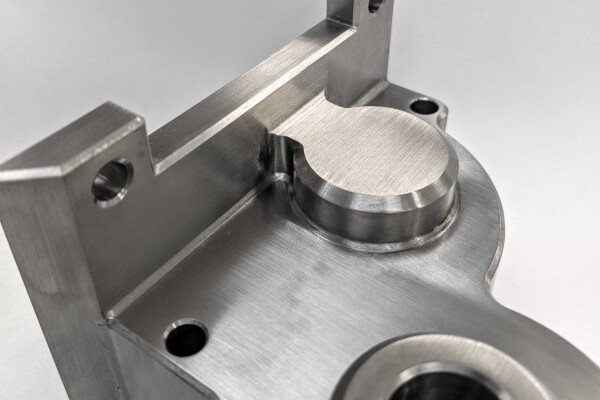
Brushed Finish
A mechanical process that creates a uniform surface texture with fine, directional grains for a distinctive aesthetic look.
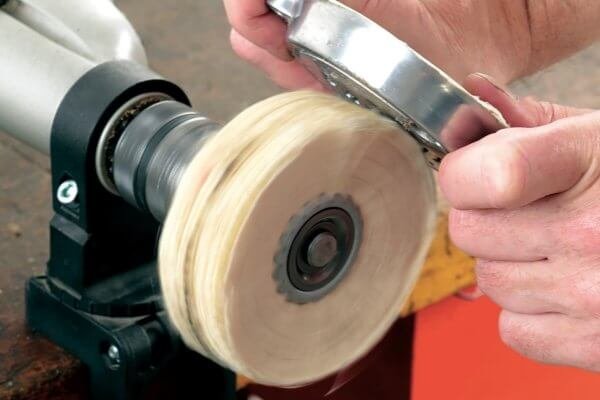
Polishing
Produces a mirror-like reflective finish for components that require minimal friction or high-end aesthetics. Commonly applied to medical instruments or decorative consumer goods.
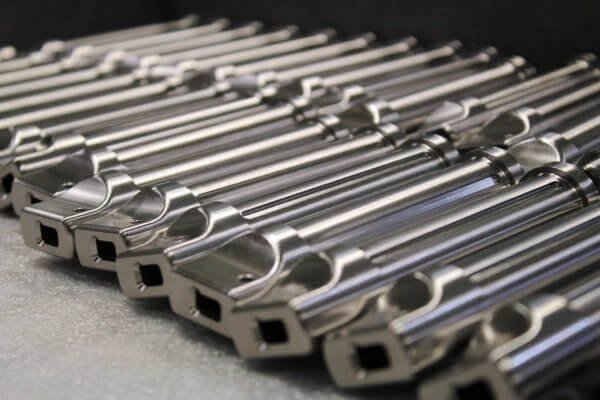
Passivation
A chemical treatment, especially for stainless steel, that removes impurities and enhances natural corrosion resistance without changing the appearance of the part
Applications of Brass CNC Machining Products
The versatility of brass products makes them suitable for a wide range of industries. In plumbing and HVAC systems, brass fittings and valves are favored for their strength and corrosion resistance. In electronics, copper products and brass connectors provide excellent conductivity. Decorative hardware, such as locks, handles, and musical instruments, also rely on the smooth finish of CNC brass. Industrial applications benefit from brass CNC turned parts, including gears, bearings, and precision components. By offering custom copper products and bronze solutions as well, we ensure clients receive the right material for every unique project.
Put your parts into production today
- All information and uploads are secure and confidential.