

Upgrading from a factory gear knob to a well-weighted custom shift knob is one of the most satisfying interior mods you can do. But before placing your custom order, you need to lock down your lever’s exact thread dimensions because specifications vary across vehicle makes, model years, and transmission options.
Here is a detailed guide for common metric and imperial shift knob thread sizes, including special notes on adapters and reverse lockouts. Use this to select the correct configuration before placing your order with HRCCNC.
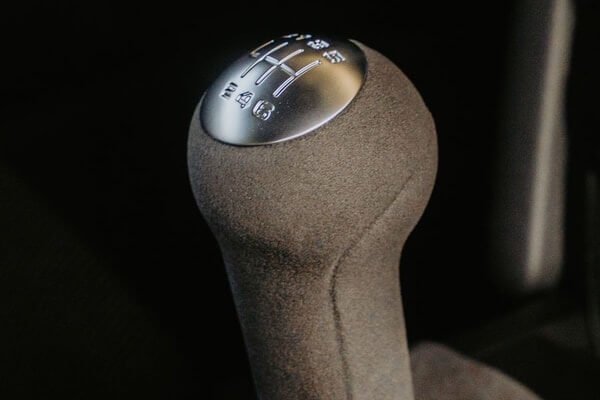
What Is Shift Knob Thread Size?
Shift knob thread size describes the dimensions of the threaded hole inside a shifter knob, usually specified by its diameter and thread pitch:
- Thread diameter – the nominal outside diameter of the threaded shifter shaft.
- Thread pitch – the distance between adjacent thread crests.
For a secure custom shift knob installation, these dimensions must match the thread specifications of your vehicle’s gear lever.
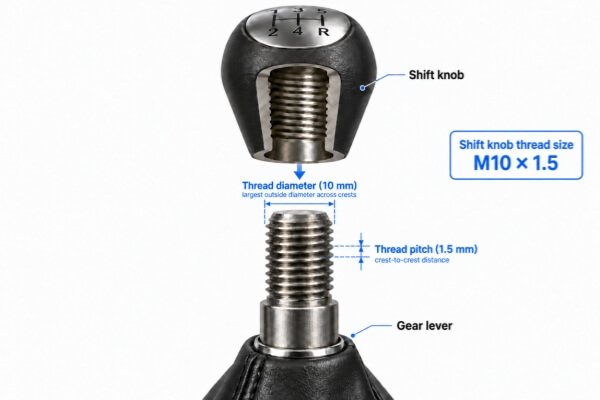
Figure 1. Shift Knob Thread Size – Diameter and Pitch (M10 × 1.5)
Most vehicles use the metric designation (millimeters) to state shift knob thread sizes. For example, M10 × 1.5 refers to a shifter with 10 mm diameter and 1.5 mm thread pitch.
However, some American vehicles and aftermarket shifters use imperial units (inches). They follow a convention like 3/8″ – 16, which refers to a 3/8″ diameter and 16 Threads Per Inch (TPI).
Common Shift Knob Thread Sizes
The table below lists common shift knob thread sizes and mounting types for selected vehicle models.
Note: The information is based on published aftermarket references and manufacturer documentation. Thread sizes and mounting systems can also vary based on regional specs and aftermarket modifications. Always verify your actual mounting type and dimensions with your manufacturer before ordering a custom shift knob.
Can’t find your model? Contact HRCCNC with your vehicle details for help choosing the right configuration.
Table 1: Shift Knob Thread Size Chart by Vehicle Brand, Model, Year, and Transmission
| Vehicle / Model Years / Transmission | Thread Size / Mounting Type | Source |
| Acura | ||
| CL Type-S, 2003 (6MT, US) | M10 × 1.5; aftermarket fitment | [1, 2] |
| RSX, 2002-2006 (Manual, US) | M10 × 1.5 | [1] |
| TSX, 2004-2014 (Manual, US) | M10 × 1.5 | [1] |
| BMW | ||
| M2, 2016-2021 (Manual, US) | Non-threaded; model-specific adapter | [1, 3] |
| M3, 2015-2018 (Manual, US) | Non-threaded; model-specific adapter | [1, 3] |
| M4, 2015-2020 (Manual, US) | Non-threaded; model-specific adapter | [1, 3] |
| Chevrolet | ||
| Camaro SS, 2016-2022 (Manual, US) | Non-threaded; Camaro-specific adapter | [1] |
| Camaro ZL1, 2017-2022 (Manual, US) | Non-threaded; Camaro-specific adapter | [1] |
| Cruze, 2011-2016 (Manual, US) | M10 × 1.25 or non-threaded; mounting-dependent | [1] |
| Ford | ||
| Mustang GT, 2015-2023 (Manual, US) | M12 × 1.25; reverse-lockout clearance | [1, 3] |
| Mustang GT, 2025 (6MT, US) | M12 × 1.25; reverse-lockout-compatible aftermarket fitment | [1, 3, 4] |
| Mustang Dark Horse, 2025 (6MT, US) | M12 × 1.25 listed for aftermarket fitment; confirm Tremec compatibility | [1, 4] |
| Mustang GT350 / GT350R, 2015-2020 (Manual, US) | M10 × 1.25; recessed for reverse lockout | [1, 3] |
| Focus ST, 2013-2018 (Manual, US) | M12 × 1.25; reverse-lockout clearance | [1, 3] |
| Fiesta ST, 2014-2019 (Manual, US) | M12 × 1.25; reverse-lockout clearance | [1, 3] |
| Honda | ||
| Civic Si, 2012-2015 (Manual, US) | M10 × 1.5 | [1] |
| Civic Si, 2017-2020 (Manual, US) | M10 × 1.5 | [1] |
| Civic Si, 2022-2025 (Manual, US) | M10 × 1.5 | [1] |
| Civic Type R, 2017-2021 (Manual, US) | M10 × 1.5 | [1] |
| Civic Type R, 2023-2025 (Manual, US) | M10 × 1.5 | [1, 5] |
| Hyundai | ||
| Genesis Coupe, 2010-2013 (Manual, US) | M10 × 1.25 | [1, 3] |
| Genesis Coupe, 2014-2016 (Manual, US) | Non-threaded; model-specific adapter | [1, 3] |
| Veloster N, 2019-2022 (Manual, US) | Non-threaded; reverse-lockout-compatible adapter | [1] |
| Jeep | ||
| Wrangler JK, 2007-2018 (6MT, US) | Non-threaded; JK-specific adapter | [3] |
| Kia | ||
| Forte, 2014-2018 (6MT, US) | M10 × 1.25 | [3, 6] |
| Soul Base, 2014-2019 (6MT, US) | M10 × 1.25 | [3, 7] |
| Mazda | ||
| Mazda3, 2014-2018 (Manual, US) | M10 × 1.25 | [1] |
| Mazdaspeed3, 2007-2013 (Manual, US) | M10 × 1.25 | [1] |
| MX-5 Miata NC, 2006-2015 (Manual, US) | M10 × 1.25 | [1, 3] |
| MX-5 Miata ND, 2016-2022 (Manual, US) | M10 × 1.25 | [1, 3] |
| MINI | ||
| Cooper / Cooper S, 2007-2013 (Manual, US) | Non-threaded; retaining adapter | [1, 3] |
| Cooper / Cooper S, 2014-2022 (Manual, US) | Non-threaded; retaining adapter | [1, 3] |
| Nissan | ||
| 350Z, 2003-2009 (Manual, US) | M10 × 1.25 | [1, 3] |
| 370Z, 2009-2020 (Manual, US) | M10 × 1.25 | [1, 3] |
| Scion | ||
| FR-S, 2013-2016 (Manual, US) | M12 × 1.25; reverse-lockout clearance | [1, 3] |
| Subaru | ||
| BRZ, 2013-2021 (6MT, US) | M12 × 1.25; reverse-lockout compatibility | [1, 3] |
| BRZ, 2022-2023 (6MT, US) | M12 × 1.25; reverse-lockout-compatible knob | [1] |
| WRX, 2015-2021 (6MT, non-STI, US) | M12 × 1.25; recessed reverse-lockout fitment | [3] |
| Subaru 5-speed manual application covered by accessory instructions C1010FG310 (confirm vehicle compatibility) | M12 × 1.25, specified by Subaru | [8] |
| Toyota | ||
| 86, 2017-2020 (Manual, US) | M12 × 1.25; reverse-lockout compatibility | [3, 11] |
| GR86, 2024 (6MT, US) | M12 × 1.25; aftermarket fitment, verify reverse-lockout clearance | [9, 10] |
OEM references confirm vehicle and transmission availability; thread sizes and mounting compatibility are based on the cited aftermarket fitment documentation unless explicitly specified by the OEM.
Source references:
[1] Billetworkz – Shift Knob Fitment Guide
https://billetworkz.com/pages/shift-knob-fitment-guide-and-recommendations
[2] Acura – 2003 CL Type-S manual
https://acuranews.com/en-US/releases/release-be2be86fcc08a6970b72f6004c34c781-2003-acura-3-2-cl-luxury-performance-coupe-adds-all-new-6-speed-manual-transmission
[3] Speed Dawg – Shifter Thread Sizes
https://speeddawg.com/pages/shifter-thread-sizes
[4] Ford – 2025 Mustang Technical Specifications
https://www.fromtheroad.ford.com/content/dam/fordmediasite/us/en/library/2025/specs/2025_Mustang_Technical_Specs.pdf
[5] Honda – 2025 Civic Type R Specifications
https://hondanews.com/en-US/honda-automobiles/releases/release-a0290fb377b9a07ba1686b65910857e4-2025-honda-civic-type-r-specifications-features
[6] Kia – Forte Specifications (US)
https://www.kiamedia.com/us/en/models/forte/2014/specifications
https://www.kiamedia.com/us/en/media/specifications/20377/2016-kia-forte-specifications
https://www.kiamedia.com/us/en/models/forte/2018/specifications
[7] Kia – Soul Specifications (US)
https://www.kiamedia.com/us/en/models/soul/2014/specifications
http://kiamedia.com/us/en/models/soul/2017/specifications
https://www.kiamedia.com/us/en/models/soul/2019/specifications
[8] Subaru – STI Shift Knob Installation Instructions
https://www.subaruonlineparts.com/docs/C1010FG310.pdf
[9] Toyota – 2024 GR86 Information
https://pressroom.toyota.com/2024-gr86-trueno-edition-throwback-spirit-modern-performance/
[10] TOMEI – GR86/BRZ Shift Knob Product Specification
https://www.tomei-p.co.jp/news/product-info/4169
[11] COBB – COBB Shift Knob Thread Pitch
Should You Physically Measure Shift Knob Thread Size?
Yes. Even though you can use a thread size chart to narrow it down, we highly recommend taking a physical measurement of your shaft to:
- Avoid aftermarket surprises – if a previous owner installed an aftermarket short-throw shifter, the thread size may no longer match the factory chart.
- Account for trim and model-year differences – different trim levels or mid-year production updates can occasionally alter the shift lever’s mounting specs.
- Avoid thread pitch confusion – two shifter shafts can have the exact same diameter, but different thread pitches (like 1.25 and 1.50) that will ruin the threads if forced.
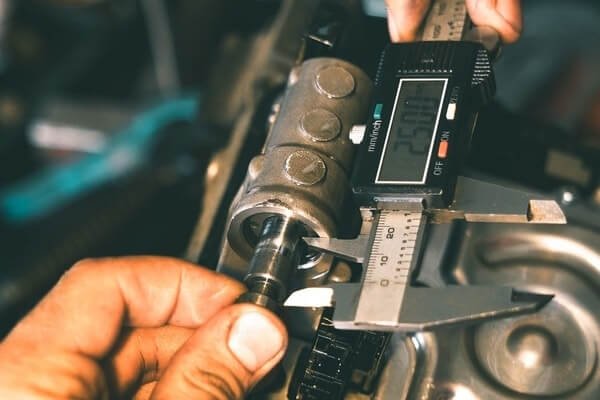
Measuring Procedure:
First, check how your factory shift knob is attached (screw, push-on, clip-retained, etc.). Follow your vehicle’s removal instructions before attempting to remove the knob.
For threaded shafts, use a digital caliper to measure the outer diameter and a thread pitch gauge to confirm the pitch. You can also check the size using a matching nut, but only thread it on by hand. If you feel resistance, stop immediately. For non-threaded shafts, check the shaft diameter, shape, and retaining mechanism against the adapter manufacturer’s specifications.
Inform the manufacturer of any shift knob fitment concerns before placing your order so they can account for the required tolerances.
When You Will Need a Shift Knob Adapter
If you encounter any of the following fitment issues, you may use a compatible adapter to install your custom shift knob without modifying the original gear lever.
Table 2. Common Shift Knob Fitment Issues and Adapter Solutions
| Fitment Issue | Recommended Adapter |
| The gear lever and shift knob have different thread diameters or pitches. | Thread conversion adapter – connects different thread sizes (as long as there’s enough thread engagement). |
| The gear lever has a smooth or splined non-threaded shaft. | Non-threaded shift knob adapter – holds the shaft safely and provides a threaded end for the new knob. |
| The new knob blocks the collar that must be lifted to engage reverse (Reverse-lockout interference) | Reverse-lockout adapter – provides the necessary clearance for the collar to move freely (should be compatible with your shifter). |
Before ordering an adapter, check how it attaches to the shaft, installation depth, and whether the threads provide a secure grip. Also, check that the shift boot fits properly and the reverse-lockout collar can move freely without hitting the knob.
A universal shift knob is another option if your gear lever doesn’t have matching threads. These knobs typically use rubber inserts or set screws to fit different shaft sizes. Always check whether the mounting system works with your shifter. However, a precision CNC-machined, direct-thread shift knob can provide a more secure, stable fit over time.
How to Install a Custom Gear Shift Knob Correctly
Once you’ve confirmed the shift knob thread size and mounting type, installation is generally straightforward.
- Remove the original knob, following your vehicle’s removal instructions for threaded or non-threaded mounting.
- Inspect for any damage to the threads or retaining parts. Clean the mounting surfaces.
- Install the adapter (if required) according to its instructions.
- Thread the new knob smoothly by hand. For non-threaded knobs, secure it using the specified retaining mechanism.
- Set the final position using the manufacturer’s locking nut or orientation mechanism. Check that the threads are properly engaged and the shift boot fits correctly.
- Test the fit and gear operation safely. Ensure the knob is secure, all gears engage properly, and the reverse-lockout collar (if present) moves freely.
Avoid overtightening. Mis-threading or excessive tightening can damage the internal sleeve. If you find any damaged threads or retaining parts in step 2, have them inspected by a qualified technician before proceeding.
FAQs About Shift Knob Thread Size
1. What are common shift knob thread sizes?
Common metric shift knob thread sizes include M10 × 1.25, M10 × 1.5, and M12 × 1.25. The correct specification depends on the vehicle, transmission, and shifter fitted. Always confirm your actual mounting type and dimensions before ordering.
2. How do I find my car’s shift knob thread size?
Start with a fitment reference for your vehicle’s model year and transmission. Then identify the mounting system. For a threaded shaft, measure its outside diameter with a caliper and confirm the pitch with a thread pitch gauge.
3. Can I check the thread size without a thread pitch gauge?
A nut with a known diameter and pitch can help confirm the specification. Thread it onto the exposed shaft gently by hand and stop immediately if you feel resistance. Never force it, as a mismatched nut can damage the threads.
4. Do all shift knobs screw onto the gear lever?
No. Some factory shift knobs use push-on, clipped, or other non-threaded attachments. Identify the retaining mechanism and follow the vehicle-specific removal instructions. A threaded replacement knob may require a compatible adapter.
5. Will a matching thread size guarantee that a shift knob fits?
Matching threads are only part of the fitment check. Installation depth, thread engagement, reverse-lockout clearance, and shift-boot attachment also matter. The knob must remain secure and allow the shifter and any reverse-lockout mechanism to operate correctly.
6. Can I use an adapter when the thread sizes are different?
A suitable thread conversion adapter can connect a shifter and knob with different thread specifications. Check both ends of the adapter, the available installation space, and thread engagement. Follow the adapter manufacturer’s installation and locking instructions.
Ready to Customize Your Shift Knob?
At HRCCNC, we use advanced multi-axis CNC machining to produce custom gear shift knobs designed for smooth operation and a flawless interior finish. Choose from a wide range of materials, including stainless steel, aluminum, and engineering plastics, and personalize your design with custom logos, text, or precision engraving.
Explore our custom shift knob manufacturing solutions to bring your design to life.