Skip to content

CNC machined parts can affect every stage of your production process, from assembly and product launch to the delivery date you’ve promised your customers. A single unreliable CNC machining supplier can disrupt that chain, which is why the selection process deserves real attention.
In this article, you will learn what to confirm before placing an order, how to prepare your specifications in advance, and what separates a capable supplier from a risky one.
Things to Prepare Before You Contact a CNC Machining Supplier
Finalize your Tolerances, Materials and Finish Requirements
Most buyers move through this step quickly, which often leads to delayed quotes or CNC machined parts that don’t come out as planned.
Start with your design files. Send a 3D CAD model in a universal format such as STEP or IGES, along with a 2D drawing that specifies critical dimensions, tolerances, and thread specifications. This helps the supplier understand exactly what the part requires.
Next, specify the material grade, such as 6061-T6 or SUS316L, rather than a general category. Accurate quotes depend on the specific grade, since pricing varies by material. If your part requires compliance documentation, such as RoHS or FDA requirements, or material certificates, mention this before requesting a quote so the supplier can factor it into the process.
Then confirm the finish. Specify whether the part needs anodizing, plating, or powder coating, and note whether color or thickness matters. If certain areas need to stay untouched, flag those for masking as well.
Finally, define your tolerances. Not every feature requires the same level of precision. Identify which ones do, such as a bearing seat or a mating surface, and specify that the remaining features can hold standard tolerance.
Confirm Your Production Volume
Tell your supplier which stage you’re at. A single prototype and a 5,000-unit production run call for different machines, scheduling, and pricing.
For a prototype, speed often matters more than unit cost, since the goal is to confirm fit and function quickly.
For low-volume runs, you may still be finalizing design details. Some suppliers offer better pricing if they know a larger volume may follow.
For larger production runs, cost per part typically becomes the priority. Suppliers may ask for a validated prototype first, or run tooling calculations and set up fixtures before quoting.
If you expect volume to grow, mention this early. Suppliers can plan differently when they know more volume is coming, which can also affect pricing.
Confirm Your Deadline
Share your hard deadlines as early as possible. An incomplete request for quote can cause delays on both ends. If you need something urgently, providing a clear deadline helps your supplier plan machine time and scheduling around your order.
How to Evaluate a CNC Machining Supplier
1. Certifications and Quality Systems
ISO 9001 is a useful benchmark for a documented quality system, though its absence doesn’t automatically rule out a capable supplier. It’s worth asking how they manage quality control even without formal certification.
For industry-specific work, additional certifications may be relevant. IATF 16949 applies to automotive parts, AS9100 to aerospace, and ISO 13485 to medical device machining. Confirm which certifications matter for your specific application.
It’s also worth checking a supplier’s documentation practices. Ask whether they can provide a first article inspection report, certificate of conformance, and material certificates without extensive back-and-forth. Suppliers with strong quality control processes are typically able to share this documentation readily.
2. Equipment and Manufacturing Capabilities
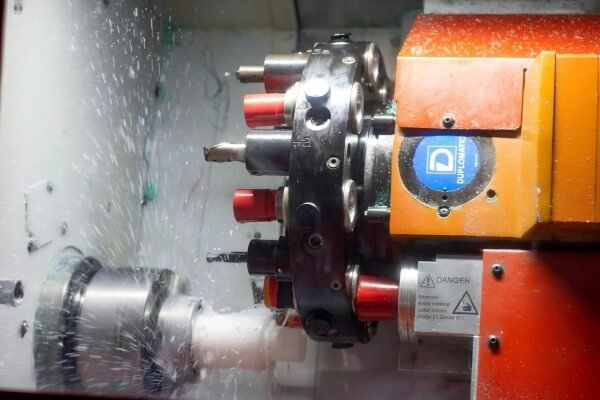
Facility size and machine count can give you a general sense of a supplier’s manufacturing capacity, though a high machine count alone doesn’t confirm mass-production capability. It’s worth asking directly about the specific processes and equipment relevant to your part.
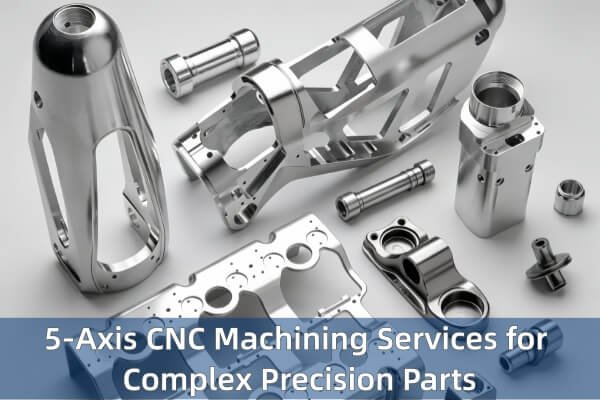
Ask whether the supplier operates 3-axis, 4-axis, or 5-axis machining centers, and whether their equipment can handle the tolerances or finish your project requires. Additional questions worth asking: Can they accommodate larger parts if needed? What systems do they use for inspection?
A supplier with well-maintained, appropriate equipment is generally better positioned to handle a range of projects, though the right fit still depends on your specific requirements.
3. Material Range

Rather than relying on the general material categories listed on a supplier’s website, confirm whether they have direct experience with the specific material your part requires.
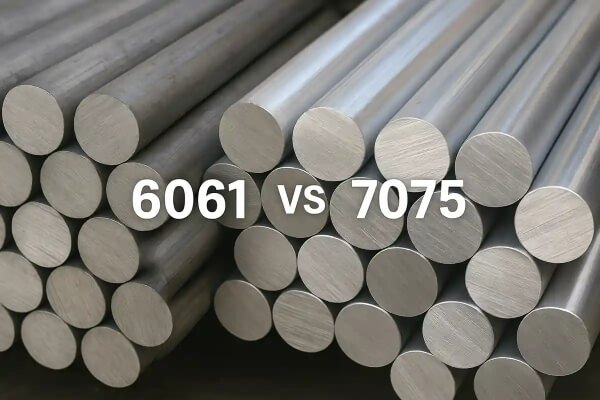
Common materials to ask about include aluminum grades such as 6061-T6 and 7075, along with stainless steel, titanium, brass, and copper, and tool steels like A2, D2, H13, and P20. Engineering plastics such as POM, nylon, PC, PMMA, ABS, and PEEK may also be relevant depending on your application.
It’s less important that a supplier processes every material on this list, and more important that they have proven experience with the one your project needs.
4. Inspection Equipment
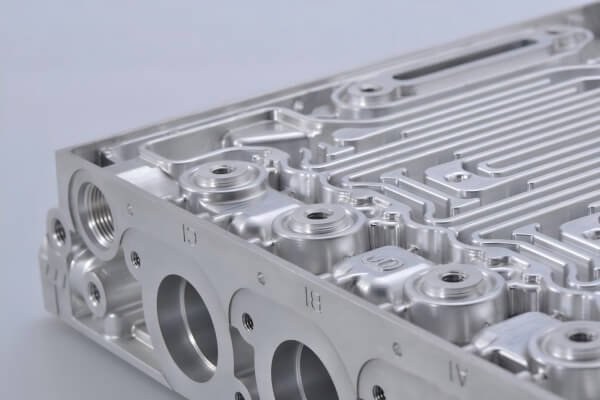
Ask what quality checks take place before parts ship. Full dimensional and surface inspection, thread gauging, and burr control are common baseline checks worth confirming.
For tight-tolerance parts, ask whether CMM inspection or 3D scanning is available, depending on what your project requires. Not every tight-tolerance part needs both. Digital QC reports that offer real traceability are also worth asking about.
Ask whether they check dimensions before and after plating, since this step can help avoid issues after the part ships.
5. Communication and Support
Ask who typically handles communication for your project. Engineers are often able to answer technical questions more directly, while a sales contact may need to check with someone else first, which can slow down time-sensitive decisions.
It’s also worth confirming how a supplier protects confidential data. Ask whether they’re willing to sign an NDA, and whether your drawings are shared with subcontractors.
6. Pricing
A transparent quote typically breaks down material cost, machining complexity, surface finish, tolerance requirements, inspection, packaging, and shipping separately.
If a quote feels vague, ask for clarification directly. Questions like “What would change if I adjusted the tolerance or finish?” or “Can you break down this cost for me?” can help. Suppliers who answer clearly and without hesitation typically have a solid grasp of their own costs.
Red Flags in a CNC Machining Supplier
Consider these signs carefully before committing to a supplier:
- Unclear or evasive answers when asked about quality control
- Reluctance to share certifications relevant to your industry
- Hesitation to sign an NDA
- Pricing that seems unusually low without a clear explanation of what’s included
- Pressure to commit before your specifications, tolerances, or drawings are finalized
CNC Machining Supplier Checklist
Before choosing a CNC machining supplier, confirm the following:
- Have you finalized your tolerances, materials, and finish requirements?
- Have you confirmed your production volume and timeline?
- Have you checked for ISO 9001 or other relevant industry certifications?
- Have you reviewed the supplier’s equipment and relevant material experience?
- Have you asked about in-house inspection equipment and QC reporting?
- Have you confirmed direct access to an engineer for technical questions?
- Have you requested a full cost breakdown rather than a single total price?
What to Expect from the Right CNC Machining Supplier
A capable CNC machining supplier acts more like a partner than a vendor. They ask the right questions before quoting, share their certifications and documentation without hesitation, and keep communication clear throughout the process. Confirming your tolerances, materials, and volume before you reach out gives you a strong starting point for that relationship.
FAQs About Choosing a CNC Machining Supplier
1. What should I look for in a CNC machining supplier?
Look for relevant machining experience, suitable equipment, a reliable quality control system, clear communication, and transparent pricing. The supplier should also have experience with the materials, tolerances, and production volumes required for your project.
2. What certifications should a CNC machining manufacturer have?
ISO 9001 is a common benchmark for quality management. Depending on your industry, certifications such as IATF 16949 for automotive, AS9100 for aerospace, or ISO 13485 for medical devices may also be relevant. The right certification depends on your application and customer requirements.
3. What information should I send to a CNC machining supplier for a quote?
Provide a 3D CAD model, a 2D technical drawing, material grade, required tolerances, surface finish, quantity, and expected delivery date. You should also specify any inspection, certification, or documentation requirements before requesting a quote.
4. How can I evaluate the quality control capabilities of a CNC machining supplier?
Ask what inspection equipment and procedures the supplier uses, such as CMM inspection, thread gauges, surface inspection, and dimensional reports. For critical parts, confirm whether they can provide first article inspection reports, material certificates, or other required quality documentation.
5. Should I choose the lowest-priced CNC machining manufacturer?
Not necessarily. A very low quote may exclude important costs such as inspection, surface finishing, packaging, or shipping. Compare what each quotation includes and consider quality, lead time, communication, and manufacturing capability alongside the final price.
6. Can one CNC machining supplier handle both prototypes and production runs?
Some suppliers can support both, but their capabilities should be confirmed in advance. Prototype orders often prioritize speed and design validation, while larger production runs require stable processes, appropriate fixtures, consistent inspection, and sufficient production capacity.
Looking for a Reliable CNC Machining Supplier?
Choosing the right supplier starts with understanding whether they can meet your specific requirements. Send HRCCNC your CAD drawings, material, tolerance, quantity, and finish requirements. Our team will review your project and provide DFM feedback and a clear quotation to help you move forward with confidence.