
Most people get confused when choosing between hard metals and hardened steels because they need to balance hardness, strength, toughness, and cost all at once. Hard metals are wear-resistant yet brittle, while hardened steels are customizable yet require precise treatment. In this guide, we’ll walk you through the information you need to make the right choice.
What Are Hard Metals & Hardened Steel?
Hard metals are materials that are made up of fine hard particles, which are joined together by a soft binder metal. Hardened steel are alloys that gain hardness after going through a series of heat treatment. They are both used across various industries that require strength, durability, and resistance.
Defining Hard Metals (The Composites)
Hard metals are also known as cemented carbides. They are hard materials that are made by combining fine powders under heat and pressure. Examples of hard metals are tungsten carbide (WC) and titanium carbide (TiC).
The process works like this: powders of the hard materials are mixed with a softer metal, usually cobalt, which acts as a binder. This mixture is then pressed into a shape using a mould.
Finally, the shaped piece is heated at very high temperatures. Instead of melting, the binder metal spreads and fuses the hard particles, creating a solid and very durable material.
Defining Hardened Steel (The Heat-Treatable Alloys)
Steel is hardened through the heat treatment process. Steels such as tool, alloy, and carbon can be hardened, while steels like stainless can be hardened depending on their type.
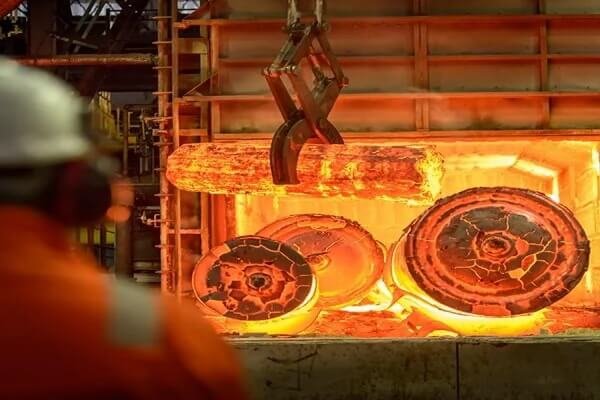
The process starts by heating the steel until its internal structure changes. It is then quickly cooled in oil or water to lock in a very hard structure called martensite. Since martensite is very brittle, the steel is reheated at a lower temperature and then cooled again.
This second step reduces brittleness and makes the steel tougher and more flexible while keeping it hard. Common alloying elements used in steel include chromium, manganese, and molybdenum.
Main Classifications of Hard Metals & Hardened Steel
Hard metals are classified by the type of carbide they contain and the binder that holds them together. Hardened steels are classified according to the heat treatment process they undergo. The main classifications of hard metals and Hardened steels are as follows.
Main Types of Hard Metals
The main types of hard metals discussed below
- Tungsten Carbide and Cobalt: This hard metal is also called cemented carbide. It contains tungsten carbide (WC) of 70% – 97% with the rest being cobalt. Cobalt (Co) acts as the binder joining the carbide particles together. The material balances hardness with the toughness needed for heavy use. Uses include cutting tools, drilling tools, and aerospace and defense components.
- Titanium Carbide (TiC): This is a hard, black substance that is similar to tungsten carbide. It has high melting points (3160°C), wear resistance, and can conduct electricity. It is a material used in producing abrasives and slicing tools. Applications include cermets, electrocatalysts, and coating parts.
- Wear Alloys Based on Cobalt: These are metals made for wear applications at high temperatures. They are high in strength, corrosion-resistant, and can maintain their hardness at extreme temperatures. These types of alloys contain chromium, tungsten, and molybdenum, which form hard metal carbides. Examples include medical implants, valve elements, and gas turbine parts.
Main Types of Hardened Steel
The main types of hardened steels are discussed below
- Steels with Low Carbon Content: Otherwise known as mild steel, is composed of carbon less than 0.30%. These steels are easy to form because they are soft as opposed to other steels. After heat treatment, their hardness usually falls between 25 and 30 HRC, which is moderate when compared to steels with higher carbon content.
- Steels with Medium Carbon Content: These steels offer more strength and wear resistance than low carbon steels and contain 0.30% to 0.60% carbon. Medium content steels possess good workability and ductility, and they can be heat-treated (between 40 and 50 HRC) to improve their hardness.
- Steels with High Carbon Content: High-carbon content steels are significantly harder and stronger because they generally contain 0.6 to 1.0 carbon. They can achieve hardness situations of 55 – 65 HRC with the right heat treatment, which increases their resistance to bruising and wear.
- Steel Alloys: Alloy steels contain added elements such as chromium, nickel, molybdenum or vanadium to modify properties such as hardenability, strength, toughness and wear resistance. Corrosion resistance depends on the specific composition and service environment; alloy steel should not automatically be described as rust-resistant.
How to Harden Steel: The Heat Treatment Process
Heat Treatment Basics
Heat treatment changes the structure and properties of hardenable steel. The appropriate process depends on the steel grade, supplied condition, section size and required final properties.
- Annealing: Softens steel when required to improve machinability. Material supplied in an annealed condition may not need another annealing cycle.
- Quenching: Follows controlled heating to the appropriate austenitizing temperature. The cooling medium and cooling rate must suit the steel grade and component.
- Tempering: Follows quenching to adjust hardness, toughness and stability. Temperature, timing and the number of tempering cycles depend on the grade.
Choosing the Target Hardness
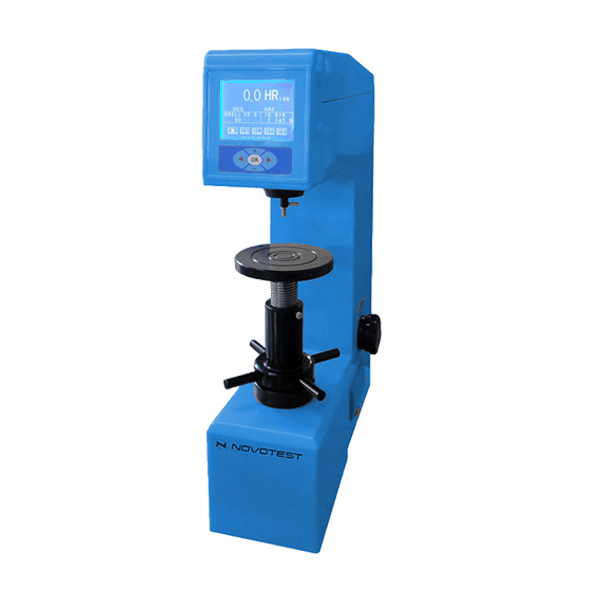
HRC refers to hardness measured on the Rockwell C scale. Specify the required hardness for the selected steel grade and heat-treatment condition rather than assigning one hardness range to an entire component category. For case-hardened parts, distinguish surface hardness from core hardness.
Heat treatment route: annealing, quenching, tempering, stress relief
The following route applies to hardenable steel parts, not cemented carbide workpieces.
Remove most stock before hardening where practical, use stress relief when required, and complete final finishing after quenching and tempering.
| Treatment | Position in the production route | Purpose | Machining consideration |
|---|---|---|---|
| Annealing — hardenable steel | Before bulk machining, if the supplied material needs softening. | Produces a softer condition for cutting. | Check the delivery condition; annealed stock may not require another annealing cycle. |
| Stress relief — hardenable steel | After rough machining and before semi-finishing and hardening, where required. | Reduces residual stresses introduced during rough machining. | Use a grade-appropriate heat-treatment cycle; stress relief is not a cutting pass. |
| Austenitizing and quenching — hardenable steel | After soft-state machining, with allowance reserved for final finishing. | Develops a hardened structure through controlled heating and cooling. | Select the cycle and quench medium for the steel grade and section size, and inspect distortion. |
| Tempering — quenched steel | After quenching, following the grade-specific treatment schedule. | Adjusts hardness, toughness and dimensional stability. | Verify hardness after tempering before final hard machining or grinding. |
A typical route for annealed tool-steel stock is rough machining, stress relief where required, semi-finishing, austenitizing, quenching, tempering, hardness verification and final finishing. Pre-hardened stock may follow a shorter route without another hardening cycle.
For CNC Steel Parts, specify the steel grade, supplied condition and required final hardness before planning machining and heat treatment.
Machining and Processing Challenges
Machining and processing require extra care due to tool wear, heat, and precision issues. To get good results, it is important to understand these challenges.
Understanding the Machinability of Both Material Groups
Cemented carbides and hardened steels require different machining strategies. Cemented carbide workpieces require processes selected for their carbide grade, binder content and geometry. Hardened steel can be processed by hard turning, hard milling, grinding or EDM, depending on actual hardness, feature geometry and surface requirements. Where practical, remove most stock before hardening and reserve suitable allowance for final finishing.
CNC Machining Tips for Hard Metals
- Use an intensive coolant for heat and chip discarding.
- Select cutting speed and feed from the tool supplier’s recommendations for the specific cemented carbide grade and machining operation, then validate tool wear and surface quality through trial machining.
- Use PCD or CBN inserts since they are resistant to severe abrasion.
- Make sure your machine is set up rigidly because vibration can harm the workpiece and the tool.
CNC Machining Tips for Hardened Steel (Pre-Hardened vs. Annealed State)
- Remove most stock in the softer supplied condition where practical, while reserving allowance for finishing after heat treatment.
- Where machining stresses create a distortion risk, apply a grade-appropriate stress-relief heat treatment after rough machining and before hardening.
- After hardening and tempering, select hard turning, hard milling, grinding or EDM according to the feature geometry, actual hardness and surface requirements.
- Confirm final hardness and dimensions after heat treatment rather than relying only on the nominal material description.
Hardness vs machinability chart: HRC 45 / 55 / 62
The following hardness values are comparison points for hardened steels. They are not universal machinability ratings or fixed tool-change thresholds, and they do not describe cemented carbide workpieces.
At HRC 45, suitable carbide tooling remains a practical option; at HRC 55 and 62, distinguish hard turning from hard milling before selecting tools and finishing methods.
Steel hardness Machining implication Process planning priority What to verify HRC 45 — hardened steel Cutting requires tooling suited to the hardened condition. Evaluate suitable coated carbide rather than transferring soft-steel parameters unchanged. Actual hardness, tool wear and dimensional stability. HRC 55 — hardened steel Tool choice becomes strongly dependent on the cutting operation. Evaluate CBN for finish turning and dedicated hard-milling tools for milling. Interrupted cuts, machine rigidity and required surface finish. HRC 62 — hardened steel Final machining requires close control of wear and surface quality. Evaluate CBN hard turning, rated carbide hard milling or grinding for the specific feature. Dimensional tolerances and surface integrity on the actual part. Steel grade, carbide content, heat treatment and cutting conditions also affect machinability. These hardness points do not establish fixed cutting speeds, tool life or machining costs.
Where final geometry or surface-finish requirements favor an abrasive finishing process, evaluate CNC Grinding after heat treatment.
CBN vs carbide: tool choice by hardness
CBN stands for cubic boron nitride; commercial inserts commonly use polycrystalline CBN, or PCBN. In this section, carbide refers to the cutting-tool material, while the workpiece is hardened steel.
CBN is a strong candidate for finish turning steel around HRC 55–65, while suitable carbide end mills can still machine hardened steel within their specified application range.
Hardness and operation Tool to evaluate Selection condition Check before production HRC 45 — steel turning Coated carbide suited to the steel and hardness. A practical starting point where insert application data support the cut. Tool wear, surface finish and cost per acceptable part. HRC 45 — steel milling Coated carbide end mill rated for the hardness. Use a milling strategy and engagement supported by the tool supplier. Tool overhang, runout and chip removal. HRC 55 — steel finish turning CBN; compare suitable carbide where supplier data support it. CBN becomes a strong candidate for hard turning. Insert grade and edge preparation for continuous or interrupted cuts. HRC 55 — steel milling Dedicated carbide hard-milling end mill. Select a tool with an application range covering HRC 55. The selected tool’s cutting and coolant recommendations. HRC 62 — steel finish turning CBN grade matched to the cutting conditions. Evaluate hard turning alongside grinding for the feature. Rigidity, surface integrity and dimensional requirements. HRC 62 — steel milling Specialized carbide end mill rated for HRC 62 or higher. A rated hard-milling tool can remain an option at this hardness. Confirm the specific tool’s capability rather than assuming ordinary carbide tools are suitable. Hardness alone does not determine the best tool. Include cut continuity, stock allowance, workholding, surface requirements and production quantity when comparing options.
When planning CNC Machining, provide the steel grade, actual hardness, part geometry and finishing requirements together so the machining route can be reviewed as a whole.
How to Choose: Hard Metals vs. Hardened Steel
The decision between hard metals and hardened steels is based on application, cost, and performance requirements; each has unique advantages and disadvantages.
When to Choose Hard Metals?
Hard metals are better used in situations where abrasion resistance and tool life matter. They are more expensive and carry a higher risk of brittle fracture, but also hold up well in worn environments where other materials would fail. Applications include:
- Drills, milling inserts, and cutting tools that face continuous friction.
- Parts that are exposed to abrasives in processes like metal forming, drilling, or mining.
- Operations where downtime costs more than the material itself.
When to Choose Hardened Steel?
Hardened steel is a good choice when you need durability but only moderate wear resistance. It’s flexible and affordable; you can balance strength and rigidity, heat-treat it for hardness, and machine it more easily while it’s still annealed. Examples include:
- Structural parts that need impact resistance, such as shafts, gears, and machine components.
- General engineering uses where keeping costs low is important.
- Situations that require both machinability and consistent performance.
FAQs
1. What are the top 10 hardest metals?
2. Is titanium harder than steel?
3. Is iron harder than steel?
4. Is iron a hard metal?
5. Is copper a hard metal?
6. Is gold a hard metal?
Conclusion
Choose between cemented carbide hard metals and hardened steel according to wear resistance, toughness, geometry and production requirements. For hardened steel, plan the supplied condition, heat-treatment route and final machining method together.
Planning a hardened steel component? Send HRCCNC your drawing or CAD file with the steel grade, supplied condition, target hardness, critical tolerances and surface-finish requirements so the machining and finishing route can be reviewed.