 Skip to content

Custom Online CNC Turning Services
HRCCNC provides custom CNC turning services through an online platform built for prototypes and production runs. Upload your CAD file, receive an instant quote, and manufacture CNC turning parts with tight tolerances and global shipping support.
Whether you need a single prototype, small-batch production, or full-scale manufacturing, our advanced CNC lathes operate under an ISO 9001:2015-certified quality management system to deliver consistent accuracy and repeatable surface quality.
- High Precision & Accuracy: Tolerances up to ±0.025 mm (±0.001″) with precision CNC turning performed on calibrated CNC machines.
- Versatile Material Capability: Stainless steel, aluminum alloy, titanium alloy, ABS, PEEK, and other engineering plastic materials.
- Fast Production with Automation: Reduced cycle time while maintaining tight tolerances in every production run.
Our Certifications
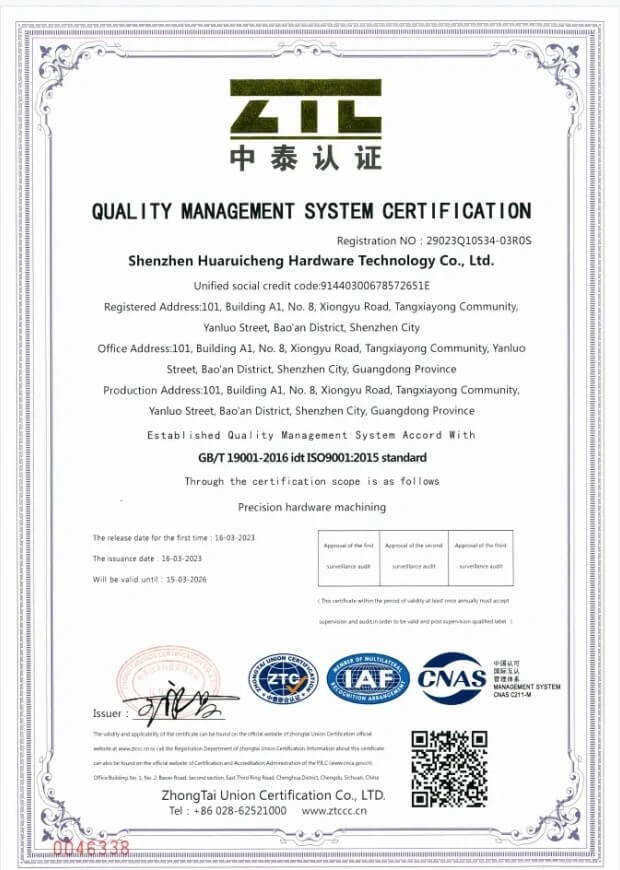
ISO 9001:2015
This certification demonstrates that our company follows internationally recognized quality management standards. It ensures consistent product quality, process optimization, and a strong focus on customer satisfaction.
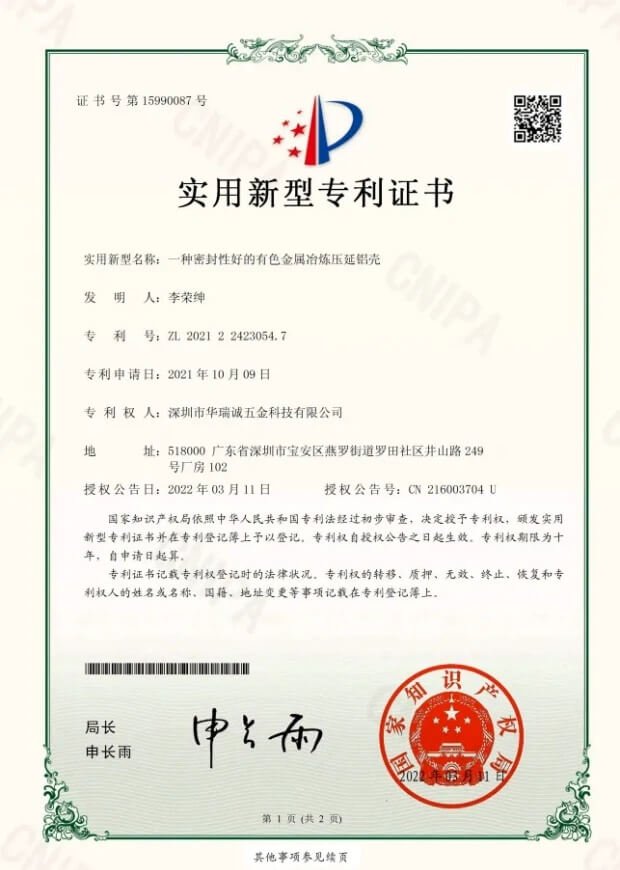
Patent Certificates
Our patents represent innovation and originality in manufacturing processes and product development. They highlight our ability to deliver unique solutions and maintain a competitive edge in the industry.
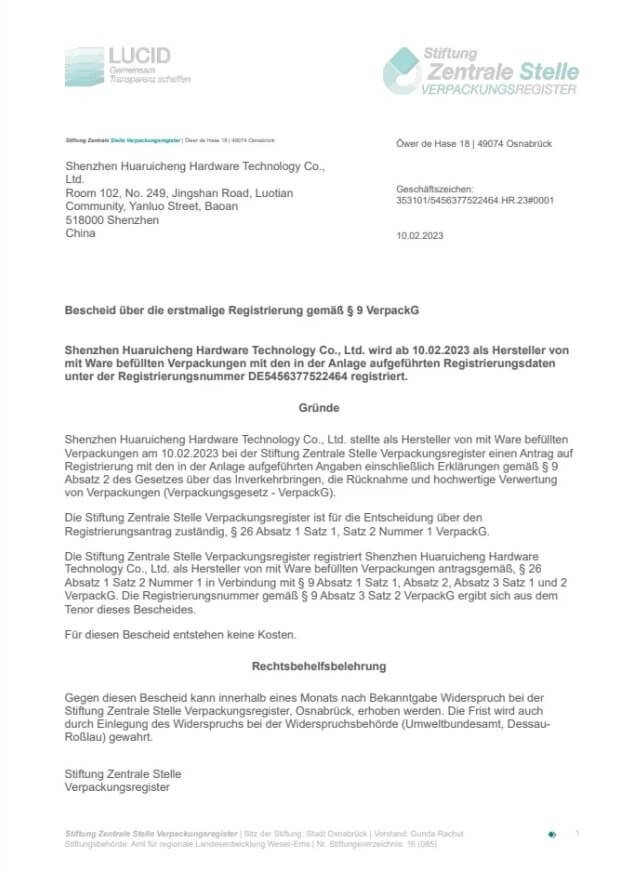
EPR-Certificate
As a compliant producer of goods-containing packaging, we can ensure our product packaging fully meets the regulatory requirements for the German market, this is our EPR-Certificate. Please contact us right now.

Enterprise Credit Rating Certificate
This certificate reflects our financial stability, business credibility, and trustworthy reputation in the industry. It reassures clients and partners that we are a reliable and long-term business partner.

Software Copyright Certificates
These certificates confirm ownership and protection of our self-developed software systems. They validate our technical expertise and guarantee the originality, security, and reliability of the digital tools we use in manufacturing.

SGS and HRCCNC company certificate
This certificate verifies our company as an Alibaba.com SGS Verified Supplier, ensuring compliance and reliability for our cooperation, SGS and HRCCNC company certificate,please contact us right now.
What is CNC Turning?
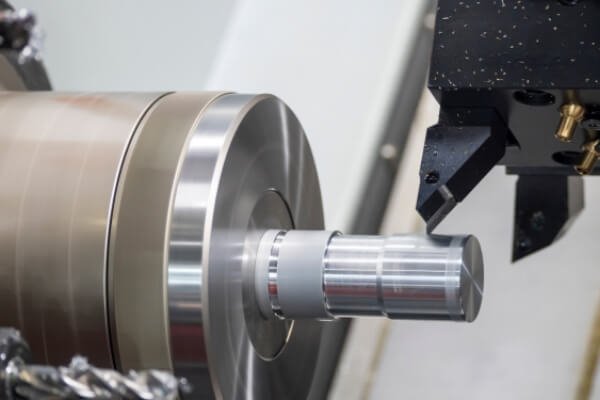
CNC turning is a high-precision, subtractive manufacturing process that uses computer-controlled lathes to convert raw materials into finished parts by cutting and shaping them into precise geometries. In this process, the workpiece (mainly a metal or plastic bar held by a chuck) rotates along a vertical or horizontal axis while a cutting tool removes material to form cylindrical or rotational parts such as shafts, bushings, fasteners, and precision pins. This controlled rotation and tool movement allow CNC turning services to maintain concentricity, roundness, and tight dimensional tolerances.
In precision CNC turning, the CNC machine reads G-code from a CAD file and directs the turning center to perform operations including facing, threading, knurling, drilling, boring, reaming, and taper turning. Different machine configurations support different production needs, including 2-axis CNC lathes for standard turning, Swiss-type lathes for small and high-precision components, Horizontal Turning Center systems for heavy parts, Vertical CNC Turning Machines for large diameters, Live Tooling or Multi-Axis Lathes for combined milling and turning, and Multi-Spindle Lathes for high-volume production runs. These systems enable CNC turning services to produce high quality CNC turning parts in metal and plastic materials with repeatable accuracy and controlled surface finish.
Start Your Order: Custom Precision CNC Turned Parts with HRCCNC
We make ordering custom CNC turned parts fast and simple. With our advanced machining capabilities, we can handle complex geometries, tight tolerances, and various surface treatments—all under one roof. Our streamlined process includes:
Instant Online Quoting
Upload your CAD file to receive a fast, competitive quote generated from material type, part geometry, tolerance requirements, and production volume.
Smart Material Selection
Select from 80+ metal and engineering plastic materials, including stainless steel, aluminum alloy, titanium alloy, ABS, and PEEK, based on strength, corrosion resistance, and application performance.
High-Precision CNC Turning
Our advanced CNC lathes and multi-axis turning center systems manufacture CNC turning parts with controlled concentricity, surface finish targets, and tolerances up to ±0.025 mm.
Full Inspection & Certified Quality Assurance
Every CNC turning part undergoes dimensional inspection using calibrated measurement equipment to verify compliance with ISO 2768 and ASME Y14.5 standards.
Fast & On-Time Delivery
Optimized machining cycles and production planning reduce lead time while maintaining high-quality output for both prototype and production run orders.
From Prototype to Production: Seamless CNC Turning Solutions

Prototype CNC Turning Parts
Our prototype CNC turning services manufacture functional parts directly from your CAD file, enabling engineers to verify fit, mechanical performance, and tolerance stack-up before moving to mass production. Each prototype is machined on the same CNC lathes and turning centers used for full-scale runs, ensuring production-level surface finish, concentricity, and dimensional control while reducing design risk and shortening the path to scalable manufacturing.

Small-Batch CNC Turning
Our small-batch CNC turning service supports low-volume and custom production with consistent tool paths, stable cutting strategies, and tight tolerances. Ideal for pre-production builds, market validation, spare parts, and specialized components, this approach combines CNC automation turning center technology with skilled machinists to deliver cost-efficient, reliable results without requiring full-scale manufacturing.
What Are the Production Stages Where CNC Turning Is Used?
CNC turning services support multiple manufacturing stages by maintaining consistent dimensional control, material flexibility, and repeatable machining performance. From tooling preparation to full production run output, precision CNC turning ensures that each stage delivers accurate, high-quality CNC turning parts with controlled tolerances.
Rapid Tooling
Precision CNC turning supports rapid tooling by manufacturing fixtures, molds, and tooling components in metal or plastic materials with tight tolerances and stable geometry. The CNC lathe quickly converts raw material into durable tooling parts, allowing manufacturers to prepare production environments without extended lead times.
Rapid Prototyping
CNC turning provides a cost-effective solution for rapid prototyping because the CNC machine produces functional parts directly from a CAD file with minimal setup changes. Fast cycle times, wide material options, and controlled surface finish allow engineers to test and refine designs before committing to serial production.
Serial Production
CNC lathes support serial production by delivering consistent dimensional accuracy, high-quality surface finishes, and repeatable output across large production runs. Automated turning center systems maintain stable machining parameters, ensuring that every CNC turning part meets defined tolerances and production standards.
CNC Turning Materials Used in Turning
HRCCNC provides CNC turning services for a wide range of metals and engineering plastics to meet diverse industry needs. We adjust spindle speed, feed rate, and tooling parameters for each material to maintain tight tolerances and consistent part quality.
Metal Materials
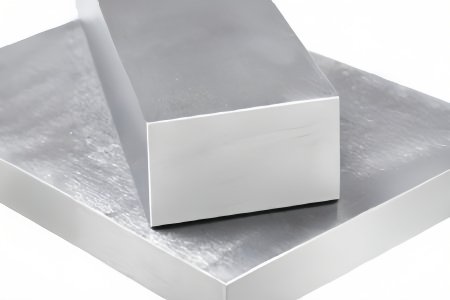
Aluminum
Aluminum combines low density with strong corrosion resistance and excellent machinability, allowing efficient chip removal and smooth surface finishes during turning. Its thermal conductivity supports heat-dissipating components, while its strength-to-weight ratio makes it well-suited for aerospace brackets, automotive housings, enclosures, and structural parts where reduced mass improves performance.

Steel
Known for its superior strength and load-bearing capacity, steel delivers high tensile performance, strong impact resistance, and dependable structural support across many grades. Carbon and alloy variants provide controlled hardness, wear resistance, and toughness, making them suitable for shafts, gears, fasteners, and other heavy-duty mechanical components used in industrial and structural settings.
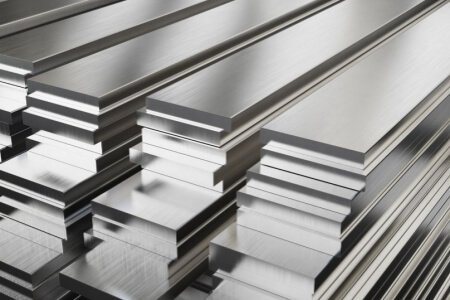
Stainless Steel
Ideal for demanding environments, stainless steel delivers corrosion resistance through its chromium content, maintaining durability in humid, chemical, and high-temperature conditions. Its strength and hygienic surface properties support applications such as medical instruments, food-processing equipment, marine fittings, and precision industrial components that require long-term reliability.
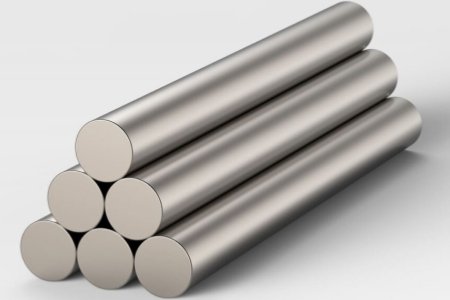
Titanium
Titanium provides an exceptional strength-to-weight ratio along with resistance to corrosion and elevated temperatures. Its biocompatibility supports surgical implants, while its mechanical stability under stress makes it ideal for aerospace fasteners, high-performance shafts, and precision components operating in demanding environments.

Brass
Recognized for stable machinability and low-friction performance, brass enables efficient production with accurate dimensions and smooth surface finishes while reducing tool wear. Its balanced strength and ductility support reliable forming and threading without cracking. Corrosion resistance and dependable electrical conductivity make it well-suited for fittings, valves, electrical connectors, plumbing hardware, and decorative precision components.
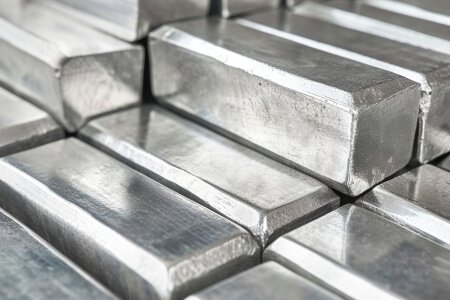
Magnesium
With the lowest density among commonly used structural metals, magnesium offers strong structural performance while enabling substantial weight reduction in aerospace and automotive assemblies. Its natural vibration damping and good machinability support lightweight housings, structural frames, and performance-focused components where efficiency and mass control are critical.
Plastics Materials
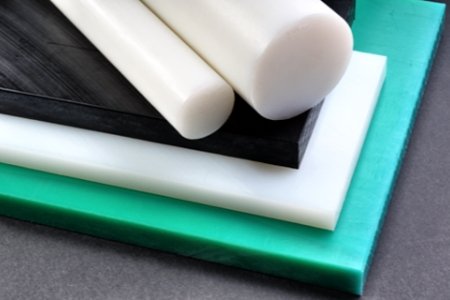
ABS
Combining toughness, impact resistance, and stable machinability, ABS supports both functional prototypes and end-use parts. It provides a good surface finish, reliable dimensional stability, and resistance to many chemicals and abrasion, ensuring consistent performance. Its balanced rigidity and cost efficiency make it well-suited for housings, enclosures, fixtures, and consumer product components that require dependable results.
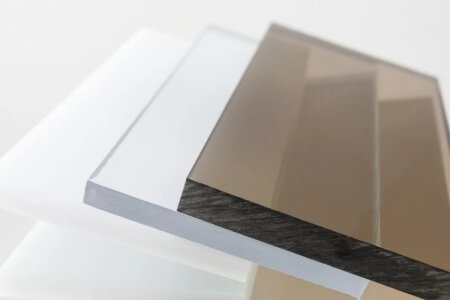
PC (Polycarbonate)
Engineered for strength and clarity, polycarbonate delivers high impact resistance while maintaining optical transparency under stress. Its heat resistance and dimensional stability support use in protective guards, transparent covers, machine shields, and structural components that require both visibility and long-term durability.
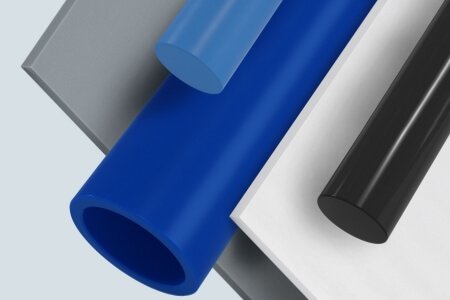
POM (Delrin)
Designed for precise and smooth mechanical performance, POM, often known by the trade name Delrin, delivers low friction, high stiffness, and excellent dimensional control during machining. It provides good wear resistance and low moisture absorption for stable performance over time. These properties make it suitable for gears, bushings, bearings, rollers, and other precision moving parts that require smooth operation and tight tolerances.
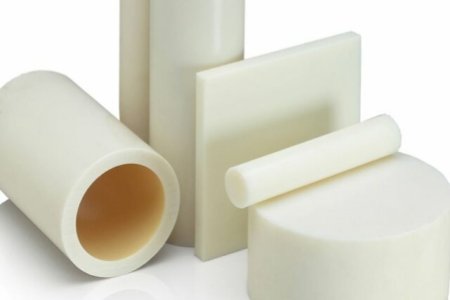
Nylon
Providing a balance of strength and resilience, nylon delivers high wear resistance, flexibility, and reliable fatigue performance in repetitive-motion applications. Its low-friction properties and lightweight structure help reduce noise and vibration during operation. These characteristics support washers, spacers, bushings, and other mechanical components exposed to sliding contact and moderate loads.

PEEK
PEEK delivers outstanding chemical resistance, thermal stability, and high mechanical strength at elevated continuous temperatures. It maintains dimensional stability, low creep, and strong wear resistance under sustained loads and harsh exposure. Its resistance to hydrolysis and many aggressive fluids supports long service life in aerospace components, medical devices, semiconductor fixtures, and oil and gas equipment operating in demanding environments.

PMMA (Acrylic)
PMMA, commonly known as acrylic, offers high optical clarity, rigid structural strength, and strong weather resistance. It delivers excellent light transmission, good UV stability, and a smooth surface finish that supports polishing and detailed fabrication. Its lightweight nature and consistent dimensional stability make it suitable for lenses, light diffusers, display panels, and transparent covers where visual performance and surface quality are critical.
CNC Turning Surface Finishes We Offer
Surface finishing improves the appearance, corrosion resistance, wear resistance, and overall functional performance of CNC turning parts. Our CNC turning services incorporate finishing processes after machining to ensure each part meets required surface roughness, environmental exposure conditions, and application standards.
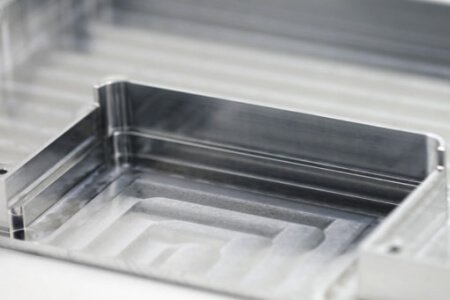
As Machined + Deburring
Straight from the CNC machine, this finish retains the natural tool path appearance while removing sharp edges and burrs for safe handling and assembly. With a typical surface Ra 1.6–3.2 μm, it delivers a clean, functional result without additional processing, keeping lead time and cost under control.
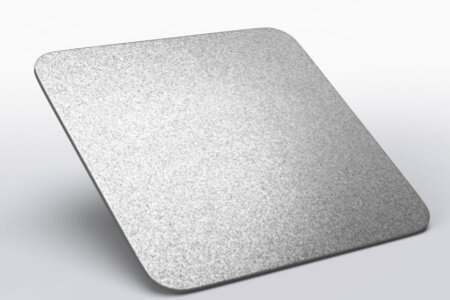
Sandblasting
High-pressure abrasive media is directed onto the part surface to produce a uniform matte or satin texture. This treatment minimizes visible tool marks and surface irregularities while creating an ideal base for painting, anodizing, or powder coating. Different grit sizes and blasting pressures allow controlled roughness levels, supporting improved coating adhesion and consistent visual quality across batches.
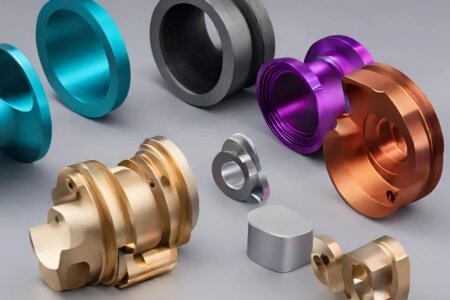
Anodizing
Applied primarily to aluminum, anodizing forms a controlled oxide layer that increases corrosion resistance and surface hardness. Type II and Type III hardcoat options support color dyeing, improved wear resistance, and electrical insulation for demanding applications. The process integrates with the base material, preventing peeling or flaking while maintaining dimensional stability for precision components.
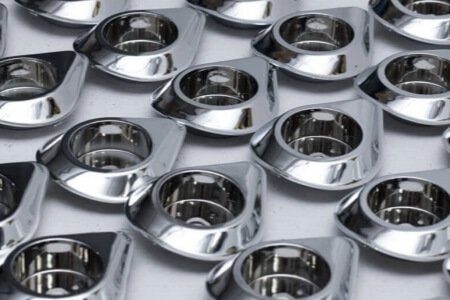
Electroplating
By depositing a thin layer of metal such as nickel, chrome, zinc, or gold, electroplating enhances surface durability and appearance. This treatment improves corrosion resistance, wear performance, and electrical conductivity for both functional and decorative components. Controlled thickness and uniform coverage ensure consistent protection across complex geometries and fine features.
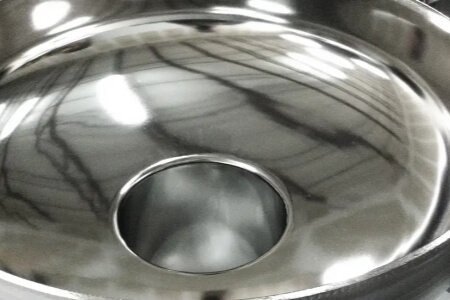
Electrochemical Polishing
Using regulated electrical current and chemical electrolytes, electrochemical polishing removes microscopic surface irregularities to produce a smooth, reflective finish. It works well on complex geometries and internal passages that are difficult to polish mechanically. The process reduces surface roughness, improves corrosion resistance, and creates cleanable surfaces suited for medical and food-grade applications.
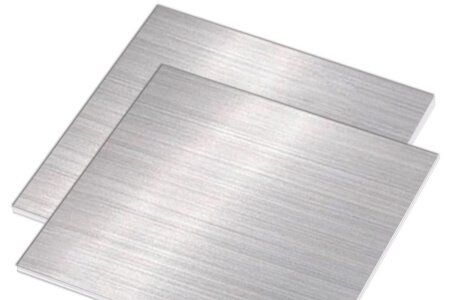
Brushed Finish
Created with abrasive belts, a brushed finish forms a consistent directional grain that delivers a satin appearance. It is widely used for appliance panels, architectural elements, and consumer products requiring a refined decorative surface. The linear texture helps conceal minor scratches and handling marks while maintaining uniform surface consistency.
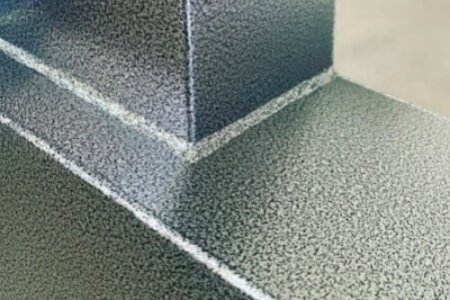
Powder Coating
An electrostatically charged powder is applied and heat-cured to form a durable protective layer over the part surface. This coating provides strong corrosion resistance and is available in a wide range of colors and textures for industrial and commercial use. The cured layer provides resistance to impact, abrasion, and weathering, supporting long-term performance.

Laser Engraving
Focused laser energy permanently marks serial numbers, logos, and barcodes onto metal or plastic surfaces. The process maintains structural integrity while supporting traceability, branding, and long-term product identification. High precision and contrast ensure clear readability without the need for inks, labels, or secondary marking processes.
Our CNC Turning Tolerance Capabilities
Introduction to Tolerances in CNC Turning
Tolerance defines the allowable dimensional variation between the nominal value and the final machined result. In CNC turning, the lathe controls spindle stability, tool positioning, and thermal conditions to maintain tight limits across diameters, linear dimensions, and geometric features. At HRCCNC, calibrated equipment and process control reduce assembly errors and support long-term component reliability.
Standard Tolerance Capabilities
Our CNC turning service supports both standard and precision tolerance levels depending on material type, part geometry, and feature requirements.
| Feature Type | Standard | Precision |
|---|---|---|
| Diameters | ±0.025 mm (±0.001") | ±0.0127 mm (±0.0005") |
| Linear dimensions | ±0.05 mm (±0.002") | ±0.025 mm (±0.001") |
| Concentricity | 0.05 mm (0.002") | 0.025 mm (0.001") |
| True position | 0.08 mm (0.003") | 0.05 mm (0.002") |
What Factors Affect CNC Turning Tolerances?
Several elements determine achievable tolerances:
Material properties
Material hardness, structural stability, and thermal expansion directly affect machining behavior. For example, stainless steel generates higher cutting forces than aluminum, while materials with high thermal expansion can shift dimensions during long production runs.
Part geometry
Thin walls, long shafts, and small-diameter features are more sensitive to deflection and vibration during CNC turning. Complex geometries require controlled tool paths and stable workholding to maintain tight tolerances.
Feature location
Features farther from the chuck or support point may exhibit greater deviation due to reduced rigidity. Extended reach increases the risk of runout and concentricity variation.
Machine capability
Spindle precision, machine rigidity, axis calibration, and cutting tool wear determine how accurately the CNC lathe maintains programmed dimensions. Well-maintained turning center systems reduce variation across production runs.
Environment
Temperature and humidity influence material expansion and machine stability. Controlled shop environments help maintain consistent tolerances, especially for high precision cnc turning parts.
Our CNC Turning Inspection Methods
We use structured inspections to verify dimensional accuracy, geometry, and surface finish before shipment. Each part is checked against drawing tolerances to meet ISO quality standards.
CMM
Coordinate Measuring Machines capture precise 3D measurements of complex geometries, including diameters, true position, and concentricity, ensuring that CNC turning parts meet defined tolerance limits.
Optical Comparators
Optical comparators perform profile inspection and dimensional verification of intricate features, such as threads, grooves, and tapers, produced on the CNC lathe.
Surface Roughness Testers
Surface roughness testers measure Ra values to confirm that the surface finish meets specified requirements for functional and assembly performance.
Note: All tolerances comply with ISO 2768 and ASME Y14.5 standards, as well as customer-specific requirements.
Design Guidelines for CNC Turned Parts
Design for Manufacturability (DFM) Principles
Efficient CNC turning parts should simplify geometries, standardize dimensions, and allow proper cutting tool access to maintain part stability during machining. Designers should minimize setups and secondary operations to improve cost-effective production. Internal corners should maintain a minimum radius of 0.4 mm (0.016″) to ensure tool clearance, while external corners may remain sharp or radiused, depending on functional requirements. Grooves should have a width at least 1.5 times their depth to prevent tool deflection, and standard thread sizes improve machining efficiency and inspection reliability.
Wall & Hole Guidelines
Proper wall thickness and hole proportions prevent vibration and dimensional variation during precision CNC turning.
| Feature | Minimum | Preferred |
|---|---|---|
| General walls | 0.5 mm (0.020") | 1.0 mm (0.040") or more |
| High stress walls | 1.5 mm (0.060") | 2.5 mm (0.100") or more |
| Standard drilled holes | 0.5 mm (0.020") | Depth-to-diameter ≤ 4:1 |
| Deep holes / gun drilled | 1.5 mm (0.060") | Depth-to-diameter ≤ 10:1 |
Drawing & Documentation
Provide fully dimensioned drawings with clearly defined tolerances, critical feature identification, required material specifications, and surface finish targets. Documentation should also include secondary instructions, such as deburring, cleaning, handling, and packaging requirements, to ensure the CNC turning service meets production and compliance standards.
Pro Tip: Consulting our engineering team during the design phase helps optimize manufacturability, reduce cycle time, and control production costs.
What are the Benefits of CNC Turning?
CNC turning provides rapid production, dimensional precision, scalable output, and cost-controlled manufacturing for cylindrical and rotational components. Precision CNC turning services from HRCCNC allow businesses to convert raw materials into high-quality CNC turning parts with repeatable accuracy, controlled surface finishes, and predictable production timelines.
Rapid Turnaround
Automated CNC turning streamlines production by controlling tool movement and spindle speed within a CNC lathe. The machine reads programmed instructions directly from a CAD file, reducing setup time and accelerating machining cycles. Shorter turnaround allows businesses to validate products quickly and meet market deadlines with confidence.
Custom Finishes
CNC turning extends beyond machining by incorporating integrated surface finishing processes that improve performance and visual quality. After production, parts may undergo anodizing, electroplating, or powder coating to meet corrosion-resistance and durability targets. Managed finishing procedures ensure components meet branding expectations and long-term service requirements.
Precision
Advanced CNC turning maintains tight tolerances by precisely controlling tool position, spindle speed, and axis movement. Diameter tolerances reach ±0.0127 mm (±0.0005″) and linear tolerances up to ±0.025 mm (±0.001″), with concentricity held to 0.025 mm and true position to 0.05 mm. This accuracy supports stable assemblies, consistent surface finish, and reliable performance in demanding applications.
Scalability
Production flexibility in CNC turning allows a smooth transition from prototype runs to full-scale manufacturing without adjusting core machining parameters. Multi-axis turning systems sustain repeatable accuracy as volumes increase. This consistency supports higher output while maintaining cost efficiency and quality control.
Complex Shafts
CNC turning produces complex shafts by combining facing, threading, boring, and taper turning within a single machining setup. The turning center maintains geometric alignment across multiple features to preserve structural integrity. Integrated machining minimizes secondary operations and supports high-performance mechanical assemblies.
Low Cost
Efficient CNC turning reduces manufacturing costs by optimizing cycle times, controlling material usage, and minimizing manual handling. Automated tool changes and stable machining conditions decrease scrap rates and improve throughput. This cost-focused approach enables competitive pricing while maintaining consistent quality in finished parts.
Industries We Serve with Precision CNC Turning
HRCCNC delivers precision CNC turning for industries that require tight tolerances, certified quality systems, and scalable production. Our service supports regulated and high-performance applications through advanced turning centers, material expertise, and controlled, repeatable processes.
Automotive Parts Manufacturing
Consumer Electronics Products
Aerospace Components
Medical Device Production
How Much Does CNC Turning Cost?
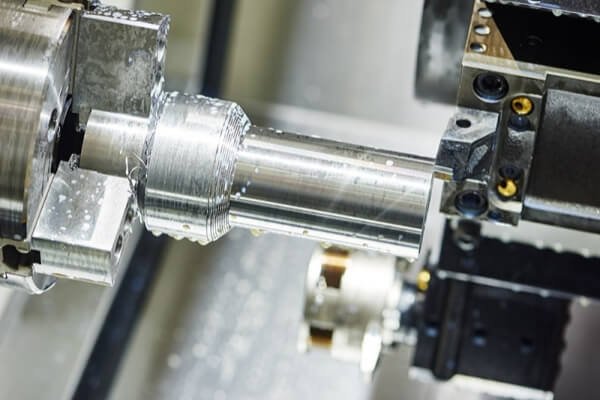
CNC turning costs between $50–$150 per hour, but total pricing depends on part geometry, material type (e.g., stainless steel or titanium alloy), required tight tolerances, surface finish, setup time, quantity, and lead time. Prototype CNC turning parts may cost several hundred dollars per part, while larger production runs reduce per-unit cost through process efficiency and stable machining cycles.
At HRCCNC, we provide transparent pricing based on your CAD file, selected material, and production volume to ensure predictable manufacturing costs. Upload your CAD file to receive an accurate online CNC turning services quote tailored to your custom CNC turning parts.
Why Choose HRCCNC for Custom Online CNC Turning Services?
Choose HRCCNC for custom online CNC turning services to gain ISO 9001:2015 certified quality control, ultra-high precision tolerances up to ±0.025 mm, 18 years of manufacturing expertise, one-stop integrated production, fast online quotes, strict inspection standards, and reliable global export support for complex CNC turning parts. Founded in 2008, HRCCNC combines advanced CNC lathes and multi-axis turning centers with free DFM engineering feedback, in-house anodizing and surface finishing, and competitive pricing for precision components. Our structured quality processes include FAI and a 100% final inspection to ensure consistent, high-quality CNC turning services across every production run.
Ultra-High Precision with Tight Tolerances (±0.025 mm)
18 Years of Proven CNC Expertise
Fully Custom CNC Turning Tailored to Your Needs
One-Stop Integrated Manufacturing Services
Free DFM Feedback and Engineering Support
In-House Anodizing and Advanced Surface Finishes
Fast Quotes and Rapid Turnaround
Competitive Pricing for Complex Custom Parts
Advanced 5-Axis Machining for Intricate Geometries
Global Export Reliability and Fast Shipping
Advanced CNC Turning Capabilities
Expert CNC Engineering Team
Handling Complex CNC Turning Projects
Resource & Guides
Founded in 2008, HRCCNC is a trusted CNC machining and metal manufacturing company with 18 years of experience delivering precision-engineered custom parts to global customers. Our team of skilled engineers and technicians provides one-stop integrated services, including CNC machining, die casting, and sheet metal fabrication, supporting projects from product design to finished product delivery across North America, Europe, and Asia.
From a small CNC workshop to a global manufacturing partner, HRCCNC has expanded through continuous capability upgrades and international quality certification, including ISO 9001:2015. Our factory is certified to ISO 9001:2015 and has been audited by SGS, ensuring strict quality control, traceability, and compliance with international manufacturing standards.
Company Introduction Video

FAQs About CNC Turning
What is the difference between CNC milling and turning?
What are the types of CNC turning operations?
Types of CNC turning operations include facing, straight turning, taper turning, threading, knurling, drilling, boring, reaming, grooving, and parting. Facing creates a flat surface at the end of a rotating workpiece, straight turning reduces the outer diameter, taper turning forms angled profiles, and threading cuts precise internal or external threads. These operations are performed on a CNC lathe or turning center to manufacture CNC turning parts with tight tolerances, controlled surface finish, and repeatable dimensional accuracy.
How Long Does the Step Turning Process Take?
Step turning time depends on part diameter changes, material type, tolerance requirements, and overall machining length. Simple step turning on aluminum with standard tolerances may take only a few minutes per part, while stainless steel components with tight tolerances and multiple diameter transitions require longer cycle times. CNC turning services reduce total processing time by optimizing tool paths, spindle speed, and feed rate within the turning center to maintain precision while improving production efficiency.
Can a CNC lathe handle different materials?
CNC lathe turning can handle materials such as stainless steel, aluminum alloy, titanium alloy, brass, magnesium, ABS, PEEK, nylon, and POM, and machining performance depends on cutting parameters and tooling strategy. Precision CNC turning services adjust spindle speed, feed rate, and cutting tool geometry based on material hardness, thermal behavior, and chip formation. This control allows the CNC turning service to maintain tight tolerances, stable surface finish, and repeatable accuracy across different metal and plastic materials.
How precise are CNC precision turning processes?
CNC precision turning processes can achieve tolerances up to ±0.0127 mm (±0.0005″) on diameters and up to ±0.025 mm (±0.001″) on linear dimensions, depending on the material and geometry. The turning center controls spindle speed, cutting tool position, and axis coordination to maintain concentricity within 0.025 mm and true position within 0.05 mm. This precision ensures consistent fit and reliable performance across prototype and production runs.
Why should I choose a professional CNC turning service?
You should choose a professional CNC turning service to ensure tight tolerances, certified quality control, and repeatable machining performance across every production run. Professional providers operate advanced CNC lathes and turning centers, follow ISO-compliant inspection standards, and maintain calibrated cutting tools to reduce defects and dimensional variation. This structured manufacturing process improves assembly fit, product reliability, and on-time delivery for both prototype and high-volume CNC turning parts.
What types of parts can be made with turning CNC machines?
Turning CNC machines can produce shafts, bushings, pins, threaded fasteners, couplings, fittings, sleeves, and precision cylindrical housings. CNC turning services are ideal for rotational components that require concentric diameters, internal bores, grooves, tapers, and threads within tight tolerances. This capability enables manufacturers to produce high-quality CNC-machined parts for automotive assemblies, aerospace systems, medical devices, and industrial equipment.
How is CNC lathe machining different from traditional turning?
CNC lathe machining is an automated, computer-controlled process that executes programmed tool paths with high repeatability, while traditional turning is a manual machining method in which an operator adjusts feed and speed directly on the machine. In CNC turning services, the CNC machine controls spindle speed, axis movement, and cutting tool position with precision to maintain tight tolerances and consistent surface finish across production runs. Traditional turning depends on manual input, which can increase dimensional variation and limit scalability.
What is the advantage of using a CNC turned parts manufacturer?
A CNC turned parts manufacturer delivers tight tolerances, certified quality control, scalable capacity, and cost efficiency for cylindrical components. Advanced CNC lathes and multi-axis turning centers operate under ISO-compliant inspection standards to ensure repeatable accuracy. This capability reduces production risk and supports both prototype and high-volume parts with reliable delivery.
Can I get custom CNC turned parts for prototyping and small batches?
HRCCNC provides custom CNC-machined parts for prototyping and small batches, with tight tolerances, fast turnaround, flexible order quantities, and full engineering support. Our precision CNC turning services manufacture parts directly from your CAD file using production-grade CNC lathes and turning centers, ensuring consistent dimensional accuracy and surface finish from prototype validation through scalable production runs.
Ready to Get a CNC Turning Online Quote?
Upload your CAD file to HRCCNC to receive a fast, transparent quote for precision CNC turning services tailored to your material type, diameter specifications, concentricity requirements, and tight tolerance targets. Our engineering team reviews your turning geometry, threads, grooves, and shaft features, provides free DFM feedback, and confirms machining feasibility on advanced CNC lathes and multi-axis turning centers.
Start your online CNC turning service quote now and move your cylindrical and rotational components into production with verified dimensional accuracy, controlled surface finish, and reliable global delivery.