
A medical part that is slightly out of specification is much more than a defective piece. Depending on the application, it can affect how a device performs inside the human body. That’s why medical CNC machining is different from other manufacturing work. Compliance and precision aren’t two separate boxes to check. They work together.
In this guide, we will cover what that connection looks like in practice. You’ll also learn why compliance standards matter, how precision requirements are actually determined, what to specify when requesting a quote, and what to look for when evaluating a supplier for medical parts.
Why Compliance Standards Matter in Medical CNC Machining
Medical parts operate under a different set of rules than most manufactured components. ISO 13485 is the quality management standard built specifically for medical devices. It’s not the same as ISO 9001, which applies to general manufacturing quality systems.
ISO 13485 focuses on risk management, traceability, and documentation practices that are directly related to patient safety, requirements that go beyond what a standard quality system typically covers.
Depending on how a device is classified, additional regulatory requirements may also apply. A simple diagnostic housing and an implantable component, for example, can fall under very different levels of scrutiny. This is worth confirming early, since it affects what documentation and processes a supplier needs to have in place.
None of this means every medical part requires the highest level of certification available. It means the right standard depends on the device, its classification, and its intended use. Confirming which standards actually apply to your project is a better starting point than assuming one certification covers every situation.
Precision Requirements: Why Tolerance Depends on the Part
If you ask two different engineers what tolerance a medical part needs, you’ll likely get two different answers. It’s because tolerance isn’t a fixed number that applies across the board. It depends on what the part actually does.
A part that just protects internal electronics doesn’t need the same precision as one that has to fit tightly inside another part. Or one that moves against tissue, where even a small error matters.
It comes down to fit and function. A surgical instrument with a moving joint needs tight control over specific dimensions so it operates smoothly and safely. A diagnostic device housing, on the other hand, might only need tight tolerance where it seals or connects to another component, while the rest of the part can sit at a more standard range.
This is why tolerance should be defined feature by feature. Overspecifying tolerance on surfaces that don’t need it adds cost without adding value. Underspecifying it on a critical feature, on the other hand, creates real risk.
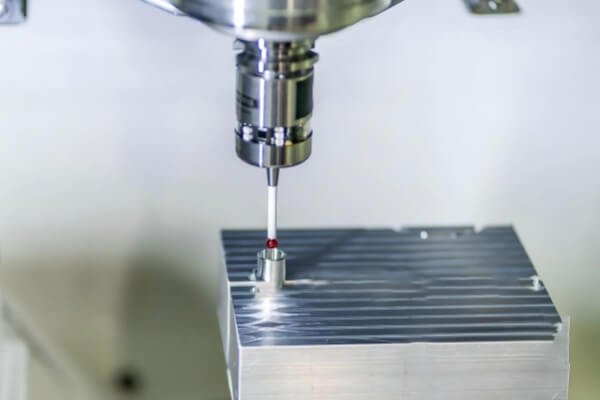
Once a part is machined, verifying that it actually meets the specified tolerance is its own step. Dimensional inspection, often using tools like coordinate measuring machines, confirms that critical measurements fall within range before the part moves forward.
For medical parts, this is not an optional check. It’s part of how a manufacturer demonstrates the part is what it claims to be, especially if that documentation ever needs to support a quality or regulatory review.
Why Material Selection Matters for Medical Parts
Material choice affects more than durability in medical parts. Since many of these components come into contact with the body, either directly or indirectly, biocompatibility becomes a real factor. A material that works fine for an industrial part might not be suitable once it’s used in a medical context.
Corrosion resistance matters too, especially for parts exposed to bodily fluids or repeated sterilization. A material that holds up well under normal conditions can behave differently after dozens of sterilization rounds. So, this needs to be considered during material selection.
Sterilization compatibility is its own consideration. Some materials tolerate autoclaving or chemical sterilization better than others. And the sterilization method a device will undergo can influence which material makes sense.
Machinability still matters as well. A material that meets every biological requirement but is difficult to machine to the necessary tolerance can drive up cost and lead time. The right material for a medical part usually balances all four factors together.
What to Specify When Requesting a Quote
A clear RFQ helps you get an accurate quote and saves you time and money. Here’s what to include for medical parts specifically.
Material Grade and Biocompatibility Requirements
It is important to specify the exact material grade you need. If the part is subject to biocompatibility requirements or ISO 10993 biological evaluation, mention this upfront so the supplier can confirm the appropriate material and documentation requirements.
Critical Tolerances Tied to Function
Don’t apply one tolerance across the whole part. Identify which features actually need tight control, such as a sealing surface or a moving joint, and specify those individually. This keeps cost reasonable while protecting the dimensions that actually matter.
Surface Finish
Note the surface finish required, especially for parts that contact tissue or need to minimize friction, bacterial adhesion, or wear over repeated use.
Sterilization Compatibility
Mention the sterilization method the part will undergo, whether autoclaving, ethylene oxide, or another process, so the supplier can confirm the material and finish will hold up over repeated cycles.
Required Documentation
Specify whether you need material certificates, dimensional inspection reports, or full traceability documentation tied to your batch. This is especially relevant if the part needs to support a regulatory submission later.
If you include these details in your RFQ, your CNC machining supplier will be able to provide a more accurate quote.
How to Evaluate a Medical CNC Machining Supplier
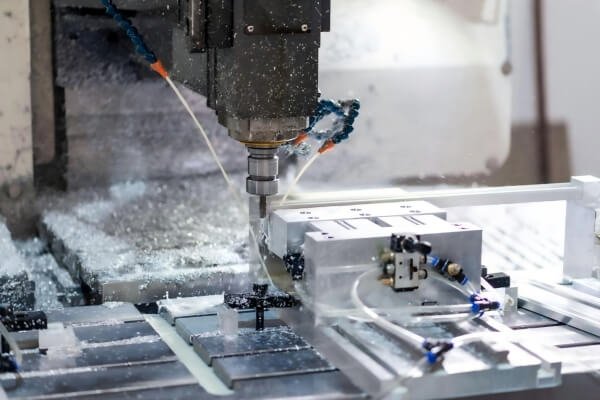
Once your RFQ is ready, the next step is to confirm the supplier can actually meet the requirements specific to medical work.
Here’s what to consider:
Relevant Certifications
Confirm whether the supplier holds ISO 13485, since this reflects a quality management system built around medical device requirements specifically. Depending on your device classification, additional certifications or regulatory awareness may also be relevant, so it’s worth confirming which standards apply to your particular part.
Material and Batch Traceability
Ask how the supplier tracks material back to its source and whether they can tie a finished part back to a specific batch or lot. This matters if you ever need to investigate an issue or support a regulatory submission as traceability gaps can become a real problem later.
Inspection and Documentation Capabilities
Confirm what inspection process the supplier follows before shipping. Ask whether they provide dimensional inspection reports, material certificates, or other documentation as standard practice. For medical parts, this documentation often matters as much as the part itself.
Controlled Environments Where Applicable
Some medical components require machining or handling in a controlled or cleanroom environment to limit contamination risk. If your part falls into this category, confirm the supplier has the appropriate setup.
Experience With Similar Medical Components
General CNC capability doesn’t necessarily translate to medical work. Ask whether the supplier has experience with components similar to yours, whether that’s surgical instruments, diagnostic housings, or implantable parts, as familiarity with your specific category often means fewer surprises during production.
FAQs
1. What is medical CNC machining?
Medical CNC machining is the use of computer-controlled machining processes to produce precision components for medical applications. Depending on the part and its intended use, requirements may include tight tolerances, material traceability, inspection documentation, and specific quality standards.
2. What tolerances are required for medical CNC machined parts?
There is no single tolerance that applies to all medical parts. Tolerance requirements depend on the function of each feature, such as sealing surfaces, moving joints, or mating components. Critical dimensions should be specified individually rather than applying unnecessarily tight tolerances across the entire part.
3. What materials are commonly used for CNC machined medical parts?
Material selection depends on the application, required mechanical properties, corrosion resistance, sterilization method, biocompatibility requirements, and machinability. The appropriate material and grade should therefore be determined according to the specific requirements of the medical component.
4. Does every medical CNC machined part require ISO 13485?
No. The applicable quality and regulatory requirements depend on the device, its classification, intended use, and other project-specific requirements. Buyers should confirm which standards apply to their particular component rather than assuming that the same requirements apply to every medical part.
5. What information should be included in a medical CNC machining RFQ?
A medical CNC machining RFQ should clearly specify the material grade, critical tolerances, surface finish, sterilization requirements, and required documentation. Providing these details helps the supplier evaluate manufacturability and prepare a more accurate quotation.
6. How do I choose a medical CNC machining supplier?
Evaluate the supplier’s relevant quality certifications, material and batch traceability, inspection and documentation capabilities, controlled-environment capabilities where required, and experience with similar components. The supplier’s capabilities should match the specific requirements of your project.
Compliance and Precision Work Together
The right approach to medical CNC machining is about much more than hitting a tolerance or holding a certification. It is important to make sure the standards, precision, and supplier’s experience all line up with what your specific part actually needs. Skipping any one of these can create risk later, even if the other two look solid.
Looking for a manufacturing partner for your next medical component? HRCCNC operates under an ISO 9001 quality management system and provides CNC machining services for precision components. Send us your drawings, material requirements, tolerances, and documentation requirements, and our team will review what we can support for your project.