Skip to content
Lightweight metals are reshaping how modern industrial products are designed and built. As efficiency and performance take priority, engineers increasingly choose metals that offer high strength without adding unnecessary weight. Whether you are developing aerospace parts, electric vehicle components, or precision CNC housings, picking the right lightweight metal can make a big difference. This guide introduces 6 common lightweight metals—aluminum, magnesium, titanium, lithium, beryllium, and scandium—and compares their properties, applications, and machining benefits.
What is Lightweight Metal?
Lightweight metals have low density and high strength, making them ideal for CNC precision machining and manufacturing. This key feature allows them to reduce weight while maintaining the required strength, resulting in products that are more durable, efficient, and easy to handle. They play an essential role across many industries where performance and design optimization matter.
What is the Lightest Metal?
To define lightest, lithium is the softest and least dense of all known metals. With a density of about 0.534 g/cm³, it can even float on water. Its atomic structure gives it this unique property. Although lithium is too soft for structural machining, its low density and high reactivity make it an important material in modern electronic devices.
What Types of Lightweight Metals Exist?
Common Types of Lightweight Metals:
Aluminum
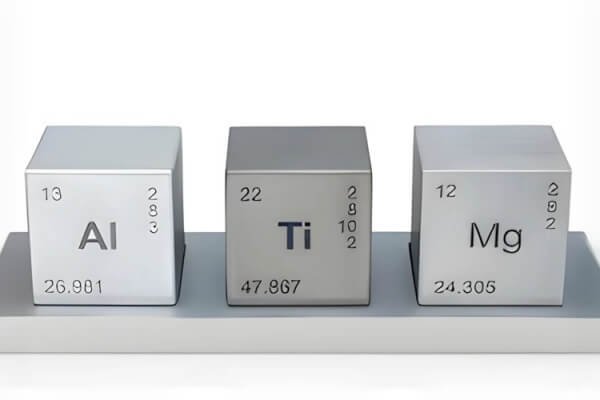
Aluminum is one of the most common lighter metals and an excellent conductor of electricity. It is light, corrosion-resistant, and easy to machine. After anodizing, it gains a smooth and attractive surface finish. Aluminum is widely used in automotive, aerospace, and construction industries.
Magnesium
Magnesium is about 30% lighter than aluminum and is currently the lightest structural metal. It offers great machinability, casting performance, and vibration damping. Common applications include car engine parts, laptop housings, and drone frames. However, magnesium can ignite when exposed to water or high heat, so it requires careful handling.
Titanium
Titanium is considered one of the strongest lightweight metals, combining high strength, low density, and excellent corrosion resistance, along with good biocompatibility. It is 45% lighter than steel but offers comparable strength. These properties make it ideal for medical implants, jet engines, and chemical processing equipment.
Lithium
Lithium is a soft, silvery-white metal and the lightest of all known metals. It is famous for its ultra-low density and high energy density. Although unsuitable for structural machining, lithium plays a vital role in energy storage and serves as a core material for batteries used in smartphones and electric vehicles.
Beryllium
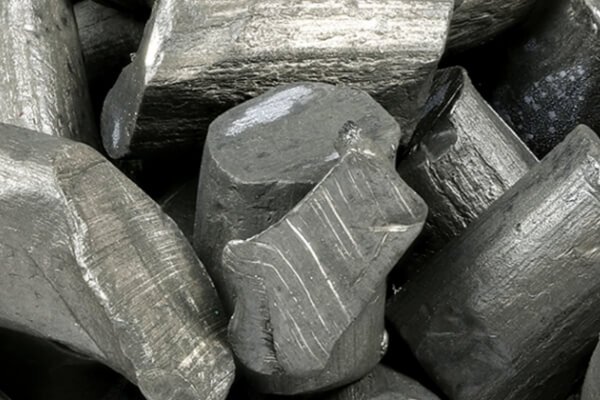
Beryllium is lighter than aluminum yet harder than steel, offering outstanding thermal and nuclear properties. It is commonly used in aerospace, defense, and electronic industries. Because beryllium is toxic, strict safety measures are necessary during processing to avoid direct skin contact or inhalation.
Scandium
Scandium is a rare and valuable metal with low density and high strength. It enhances alloy performance and is often combined with aluminum. Adding a small amount of scandium produces stronger and more heat-resistant alloys, which are widely used in aircraft structures, high-performance sports equipment, and lighting technology.
What Are the Main Uses of Light Metals?
Lightweight metals play vital roles in many key industries. In aerospace, they help reduce aircraft and spacecraft weight to improve fuel efficiency. Automakers use them to build lighter and more energy-efficient vehicles. Electronics manufacturers rely on them to produce sleek, portable devices like smartphones and laptops. In the medical field, lightweight metals are used to create durable and biocompatible implants. Even consumer products—such as bicycles, cameras, and power tools—benefit from precision machining with lightweight metals to enhance performance.
How Do You Choose the Right Lightweight Metal?
Choosing the right lightweight metal involves more than just considering weight. Each metal differs in mechanical strength, thermal performance, corrosion resistance, and cost, making it important to match the material’s properties with your project’s specific needs.
1. Mechanical Properties
If your project requires high structural strength, focus on the strength-to-weight ratio of the metal. Titanium offers exceptional strength and rigidity, making it ideal for aerospace components or high-stress parts. Aluminum provides moderate strength and excellent machinability, often used for automotive bodies and electronic housings. Magnesium is lighter but slightly weaker, suitable for parts where weight reduction is critical and load requirements are lower.
2. Thermal Performance
Thermal conductivity determines how well a metal dissipates heat. Aluminum has excellent heat conductivity, making it a top choice for heat sinks and electronic enclosures. Magnesium also conducts heat efficiently, helping mechanical parts cool faster. In contrast, titanium has lower thermal conductivity, but that trait becomes an advantage in high-temperature environments such as jet engines and exhaust systems.
3. Corrosion Resistance
Corrosion resistance determines how a metal performs in harsh or outdoor environments. Titanium remains stable even in saltwater and chemical conditions, making it ideal for marine and medical applications. Aluminum naturally forms an oxide layer that protects it from corrosion, and anodizing can further enhance this property. Although magnesium is lightweight, it oxidizes easily, so it usually requires protective coatings or surface treatments before use.
4. Cost Considerations
Cost is another key factor when choosing materials. Aluminum is the most cost-effective lightweight metal for CNC machining, offering reliable performance at a reasonable price. Magnesium is slightly more expensive but delivers significant weight savings. Titanium and beryllium are costly due to complex extraction and processing methods, yet their superior strength and corrosion resistance make them worth the investment for high-end applications. Scandium alloys are the most expensive because of their rarity, but deliver outstanding performance in critical structural designs.
5. Balancing All Factors
The best metal depends on how your project balances performance and cost. For example:
Aluminum: Ideal for general parts requiring strength, low cost, and easy machinability.
Magnesium: Suited for designs where minimizing weight is critical.
Titanium: Perfect for high-end applications demanding high strength and corrosion resistance.
Aluminum-Scandium Alloys: Used for advanced structural parts where maximum performance is needed.
By considering mechanical properties, thermal performance, corrosion resistance, and cost together, you can choose the most suitable lightweight metal for CNC machining, achieving products that are efficient, precise, and durable.
Weight Comparison Between Lightweight Metals
Is Titanium lighter than Aluminum?
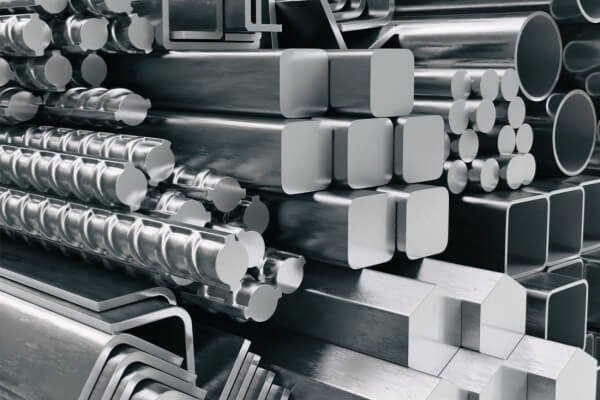
No, titanium is not lighter than aluminum. Aluminum has a density of about 2.7 g/cm³, while titanium is around 4.5 g/cm³. However, titanium offers much higher strength, so the choice depends on whether your project prioritizes strength or lower weight.
Is Titanium lighter than Steel?
Yes, titanium is lighter than steel. Steel has a density of about 7.8 g/cm³, much higher than titanium’s 4.5 g/cm³, while titanium still maintains high strength. This is why aerospace often uses titanium instead of steel for critical components.
Is Magnesium lighter than Aluminum?
Yes, magnesium is lighter than aluminum. Its density is around 1.74 g/cm³, lower than aluminum’s 2.7 g/cm³, making it ideal for applications requiring extreme weight reduction. However, its lower corrosion resistance limits its use in certain environments.
Is Titanium lighter than Stainless Steel?
Yes, titanium is lighter than stainless steel. Stainless steel has a density of about 7.9 g/cm³, higher than titanium’s 4.5 g/cm³. Both metals resist corrosion well, but titanium’s superior strength-to-weight ratio makes it better for applications needing both light weight and corrosion resistance.
Conclusion
Lightweight metals are essential to modern technology. Aluminum, magnesium, titanium, lithium, beryllium, and scandium each have unique properties suited to different CNC machining needs. Choosing the right lightweight material depends on the specific requirements of your project—some metals are soft and light, while others are light and strong. Balancing weight, strength, cost, and operating conditions is key. Understanding these differences helps you select the most suitable metal for your application.
Not sure which lightweight metal fits your product best? The HRCCNC team is here to help! From material selection to precision machining and surface finishing, we’ll make sure your parts perform perfectly. Send us your drawings today and let’s get started!