Skip to content


Choosing a custom laboratory heating block manufacturer involves more than finding a shop that can drill holes in aluminum. Many shops can, which is what makes the comparison harder. The more useful question is whether a supplier can keep well depth, spacing and surface quality consistent across a full order and then repeat that result on the next one.
This guide is for equipment makers, lab managers and buyers comparing suppliers for a laboratory heating block. It covers the machining capabilities to look for, the quality documentation worth requesting, the questions to settle before sending a drawing and the warning signs to watch for. The final section describes how HRCCNC handles custom dry bath blocks.
Why a Laboratory Heating Block Is Harder to Source Than It Looks
A Simple-Looking Part With Real Machining Risk
On paper, an aluminum heating block is a rectangle with a pattern of holes. In production, well accuracy, tightly packed hole arrays, deburring and surface treatment all influence how the block assembles and how it performs. A loose tube or a rough well edge can look minor on the part and still cause repeated problems in the instrument. A supplier that treats the block like any other aluminum part may quote quickly and still overlook details that affect function.
Where Custom Blocks Go Wrong
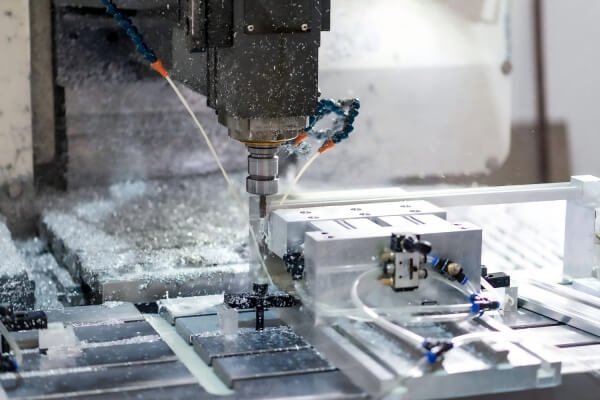
Several problems recur in custom blocks: wells that differ from part to part, spacing that drifts across the array, burrs left at hole entries, a bottom face that is not flat, and a finish chosen without considering how the block will be used.
Many of these problems can be prevented through drawing review and process planning before machining begins. Resolving an issue then typically takes a conversation. Finding it after the batch is machined can mean rework or remaking parts.
Laboratory Heating Block Applications at a Glance
Typical applications include laboratory heating equipment, medical testing equipment, biotech sample preparation and OEM instruments. In a laboratory, the same heat block is loaded, heated and cleaned many times, so fit and surface condition need to hold up under repeated use.
When selecting a heating block for laboratory equipment, tube format is a key input, since PCR tubes, microtubes and vials determine hole sizes and spacing. Reaction blocks for hot plate stirrers and OEM heating fixtures add requirements such as tapped mounting holes and locating features.
What a Custom Laboratory Heating Block Manufacturer Should Be Able to Do
A capable custom laboratory heating block manufacturer should be able to give specific answers on each point below. The sections can serve as a checklist when comparing quotes.
Deep-Hole Machining
Deep wells call for a plan before tooling is chosen. Depth, straightness and bore consistency need review at the quoting stage, not after the first part is scrapped. A useful answer explains in plain terms how a deep bore will be kept straight and consistent from part to part, based on the actual hole depth and diameter. A general statement such as “we have experience” does not answer that.
Dense Hole Array Control
In a dense layout there is very little metal between wells. Tight spacing calls for stable clamping, a planned machining sequence and good burr control. For a 96-well block, the supplier should be able to describe how the job would be approached and how spacing and position will be checked against the drawing. Mixed bore diameters on the same block add difficulty and are worth stating early.
Flatness and Contact Face Control
When a block sits against a heater or fits inside a housing, the bottom face and mating surfaces should be flat where heat transfer or fit depends on them. The supplier should state whether flatness is checked and which faces it treats as critical, and any such faces missing from the drawing should be added. Contact faces are easy to overlook, yet they are often where heat passes from the heater into the block.
Burr Control
Burrs at well entries or inside bores can damage tubes or prevent them from seating. Deburring and chamfering should be part of the standard process, and the drawing or quote should state what the finished well edge should look like and whether it is inspected.
Anodizing and Surface Finish
Common finishes for aluminum blocks include as-machined, bead blasted, clear anodized and hard anodized. The right choice depends on more than appearance. Wear from repeated handling and tube insertion favors a harder surface, such as hard anodizing.
Cleaning chemicals also matter, because some, especially strongly alkaline or acidic ones, can attack bare aluminum or an anodic layer, so the cleaning routine should be known before a finish is selected. Corrosion exposure from humidity, spills or reagents is a separate consideration and may point to a different choice.
Anodizing also builds a coating that changes dimensions. Coating thickness varies by process, and a hard anodized layer is generally thicker than a clear one. On a close tube fit, even a thin layer can matter, so the drawing should state whether bore and mating dimensions apply before or after finishing and whether an allowance is needed.
Functional surfaces such as heater contact faces or critical bores may need to be masked so they are not coated, and those areas should be marked on the drawing. A supplier that raises these points before recommending a finish is considering how the block will be used.
Dimensional Inspection and First-Article Reports
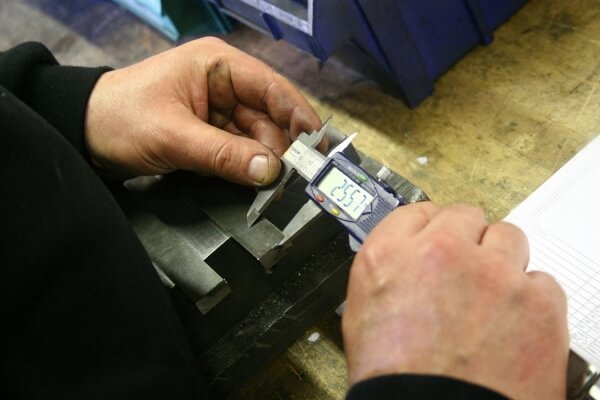
Inspection should concentrate on the dimensions that affect how the block works. The details that matter are which dimensions are measured on every order, which measurement methods are used for deep wells, spacing and flatness, and how results are reported. A first-article inspection report, which compares the first parts against the drawing, gives a documented baseline before production continues.
Traceability, Revision Control and Nonconformance Handling
Three further points indicate how well documented a supplier’s process is. Material traceability means the aluminum grade, such as 6061-T6 or 7075, can be linked to its source material, which matters when a project specifies a grade. Drawing revision control means each order is built to a stated revision, so a later change does not reach production unnoticed.
Nonconformance handling covers what happens when a part falls outside the drawing: how it is identified, how the buyer is informed, and whether the part is reworked, remade or accepted with approval. These procedures vary between suppliers, so they are worth confirming in writing.
Questions to Settle Before You Send a Drawing
Five direct questions can reveal a lot about a supplier before any money is spent:
• How is a drawing reviewed before quoting, and which features are seen as the biggest risk?
• What is inspected, and is a first-article inspection report provided?
• How are material grade and drawing revision tracked?
• What happens when a part is found to be nonconforming?
• Can a sample be approved before the batch, and how will later orders be matched to it?
Sample Approval and Repeat-Order Consistency
A first order shows only part of a supplier’s capability. Second and third orders show whether the process holds up under repeat production.
Sample Approval Before Batch Production
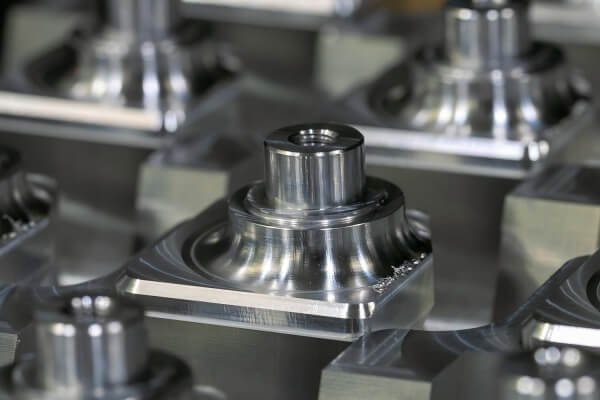
For custom work, sample approval is one practical safeguard. A prototype lets the buyer check tube fit and spacing in their own equipment before production begins, and it marks a point at which the drawing can still be changed at low cost. Where a project requires approval, a common route runs from prototype samples to low-volume trial orders and then repeat batches.
Keeping Repeat Orders Consistent
Repeat orders are more consistent when machining parameters, drawing revisions and inspection requirements are properly controlled. The approved sample and the current drawing revision should stay on file as the reference for future orders, so a later batch can be compared with the first.
Packing matters as well. Finished blocks need protection from scratches, contamination and shipping damage, because a block that arrives marked may need rework or may be unsuitable for its intended use, depending on where the damage is.
Red Flags When Comparing Suppliers
Most warning signs can be spotted without a technical background, and any one of them is a reason to seek clarification before committing.
Quotes That Ignore Drawing Details
If a quote says nothing about hole depth, spacing, flatness or finish, the drawing may not have been studied closely. A short quote is not a problem in itself. The concern is when the critical features receive no mention at all.
No Inspection or Quality Plan
If the supplier cannot state what will be measured, it is difficult to check the received parts reliably against the drawing. Vague answers on material traceability, revision control or nonconformance handling point to the same gap. The inspection scope, and whether a first-article report is included, should be agreed in writing before the order is placed.
No Sample Confirmation
A supplier that moves straight to a full batch without a sample step leaves little room to correct the design. On a new block, the buyer carries more of the risk if changes are needed after the batch has been made.
FAQs About Custom Laboratory Heating Blocks
1. What should I look for in a custom laboratory heating block manufacturer?
Look for experience with deep wells, dense hole arrays, flat contact faces, deburring and application-appropriate finishes. The manufacturer should review machining risks before quoting and clearly explain its inspection methods, material traceability, drawing revision control and sample approval process.
2. Which aluminum grade is commonly used for laboratory heating blocks?
6061-T6 aluminum is commonly used because it offers good machinability, corrosion resistance and thermal conductivity. Other grades, including 7075 aluminum, may be considered when the drawing or application requires different mechanical properties. The final material should always be confirmed against the equipment design and operating conditions.
3. How should heating block tolerances be specified?
The drawing should identify the dimensions that directly affect tube fit, well spacing, assembly and heat transfer. These commonly include bore diameter, hole depth, position, flatness and mating dimensions. Tolerances should reflect the functional requirement rather than applying unnecessarily tight limits to every feature.
4. Does anodizing affect the dimensions of a heating block?
Yes. Anodizing creates a coating that changes the dimensions of bores and mating surfaces. The drawing should state whether dimensions apply before or after finishing. Critical bores and heater contact faces may also need masking when coating buildup could affect fit or thermal contact.
5. Should I approve a prototype before batch production?
Prototype approval is recommended for a new custom design. It allows the buyer to check tube fit, well position, assembly and surface condition in the actual equipment before committing to a production batch. The approved sample can also serve as a reference for repeat orders.
6. What quality documents should I request from the manufacturer?
Depending on the project, buyers may request a first-article inspection report, dimensional inspection results, material certificates and drawing revision records. It is also worth confirming how the manufacturer identifies, reports and resolves nonconforming parts.
Working With HRCCNC on Custom Laboratory Heating Blocks
HRCCNC machines custom aluminum dry bath blocks, a type of aluminum heating block, from customer drawings. Material options include 6061-T6 aluminum, with 7075 available when required by the drawing. Processes include CNC milling, deep-hole drilling, boring, reaming, tapping, chamfering, deburring and inspection, and the engineering team reviews machining risks before quoting. Supported features include deep wells, chamfered hole entrances and dense hole arrays with controlled burr removal.
Finish options are as-machined, bead blasted, clear anodized and natural hard anodized, with functional faces protected during finishing. Hole size, depth, spacing, flatness and visible surfaces are checked against the drawing requirements, and finished blocks are packed to protect against scratches, contamination and damage.
When a project requires approval, prototype samples are reviewed before production. Orders can then progress from low-volume trials to repeat batches.To get started, send your drawing with material, quantity, finish, tolerance notes and any documentation requirements through the aluminum dry bath blocks page for review and a quote.